




 LinkedIn
 Researchgate
 Instagram
 X
 Facebook
 WhatsApp
 Reddit
 Mail
Explore new molecular glue paradigms, noncanonical interface recognition, and advances driving more systematic, structure-guided discovery and design.
Articles
All
-
All
-
EDM
-
Scientific Reviews
-
Blog
Most Recent
-
Most Recent
-
Oldest
-
 EDM
-
 EDM
Explore optogenetics through its molecular mechanisms, experimental strategies, research applications, and translational advances.
-
 EDM
Explore how mitochondrial quality control, inflammatory signaling, and metabolic–epigenetic reprogramming regulate cellular senescence and the SASP, along with strategies to restore mitochondrial homeostasis.
-
 Scientific Reviews
GLP-1 and Obesity Research
2026-08-14
Obesity substantially increases the risk of chronic diseases such as T2D and cardiovascular disease. -
 EDM
Review the evolution of molecular glues from serendipitous discovery to rational design, highlighting how emerging targets and advances in screening, proteomics, structural biology, and AI are expanding the druggable proteome.
-
 EDM
Explore the mechanisms driving immune tolerance breakdown in autoimmune diseases and emerging tolerance-restoring strategies, with a focus on IL-2-based immune modulation.
-
 EDM
Explore lysosomal nutrient sensing, quality control, cellular adaptation, disease mechanisms, and emerging therapeutic approaches.
-
 EDM
Summarize LLPS principles, regulatory mechanisms, experimental strategies, and pathological roles to inspire mechanism-driven research and translational applications.
-
 Scientific Reviews
Molecular glue degraders have evolved from a serendipitous observation to one of the most dynamic and transformative fields in biomedical research.
-
 Scientific Reviews
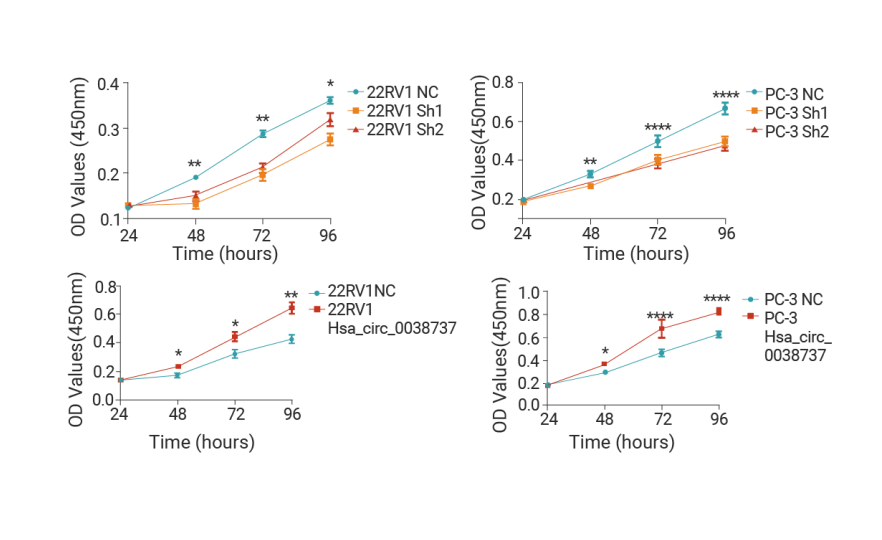
Essential for High-Impact Papers: Present Your CCK-8 Experimental Results in a More Outstanding Way!
2026-03-18
CCK-8 is a widely used WST‑8‑based reagent for cell proliferation and cytotoxicity assays. It features high sensitivity, reliable results and easy operation, and is applicable to cell viability analysis, drug screening and growth inhibition testing. -
 Scientific Reviews
In the hunt for the next ‘GLP-1,’ amylin therapeutics, which have shown strong weight-loss results in clinical trials, have become a major focus for both multinational pharma and the scientific community.
-
 Scientific Reviews
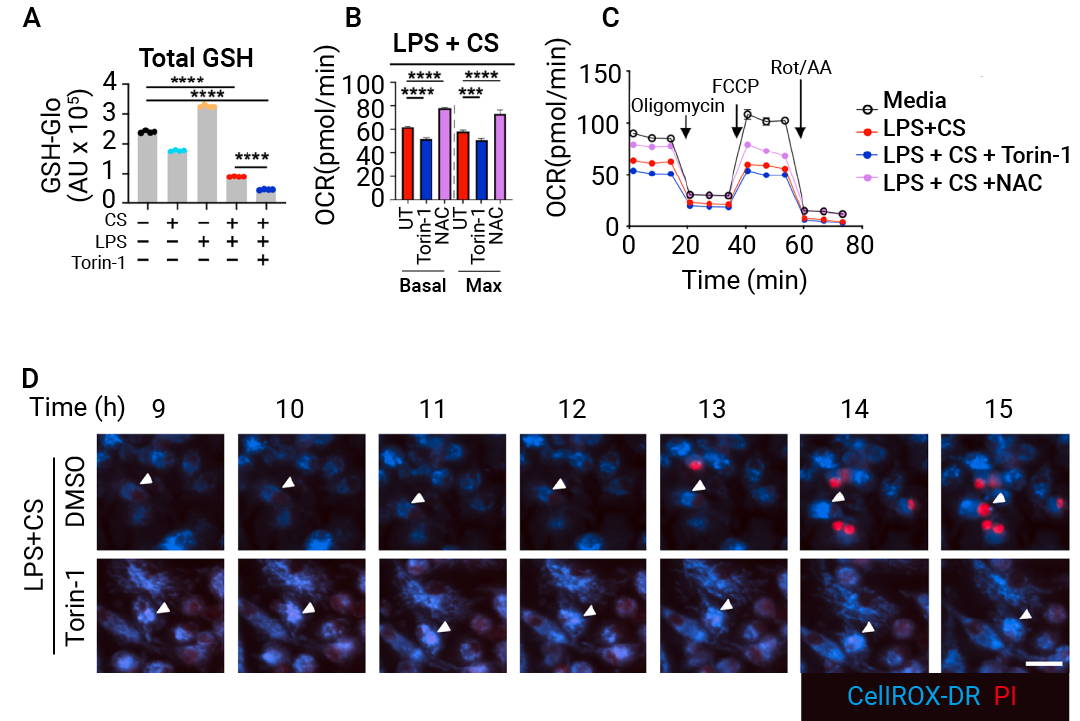
A November 2025 Cell study discovers Mitoxyperilysis, a new mTOR-regulated, caspase-independent cell death pathway driven by innate immune and metabolic dysregulation via mitochondrial-plasma membrane contact and oxidative damage, and verifies its potential to induce tumor necrosis for cancer therapy with key regulators including BAX, BAK1 and BID.
-
 EDM
This review outlines macrophage functions and classification, and provides practical experimental guidelines for macrophage differentiation, polarization, and identification.
-
 Scientific Reviews
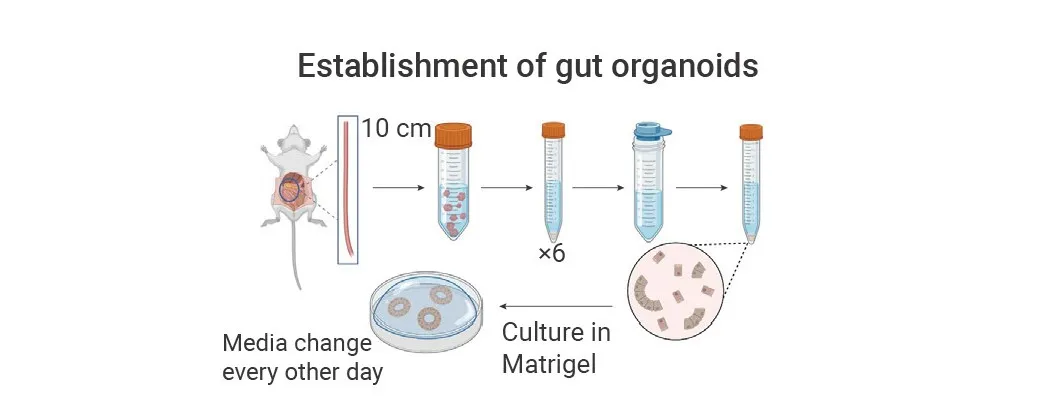
Efficient Generation of Mouse Small Intestinal Organoids: A Complete Experimental Protocol Guide
2025-12-10
How to successfully create mouse small intestine organoids? A detailed, hands-on guide to the entire process, all in one article! -
Scientific Reviews
Cracking the PROTAC Permeability Barrier: CD36-Mediated Endocytosis as a Potential Breakthrough2025-12-03
This article provides an in-depth analysis of cutting-edge literature revealing CD36 as a key mediator of cellular uptake for PROTACs and bRO5 compounds. By structurally optimizing PROTAC molecules to enhance their affinity for CD36, membrane permeability can be markedly improved, leading to significantly enhanced antitumor efficacy. -
 Scientific Reviews
Exosomes—natural nanoscale carriers—are revolutionizing targeted therapy. This article uncovers the science behind their precision in drug delivery.
-
Scientific Reviews
Microglia– the only immune cells within the brain parenchyma. With advancements in imaging technologies, people’s understanding of microglia has shifted from being viewed as 'resting' cells to 'highly active' cells, particularly due to their dynamic processes that seem to be probing surrounding tissues and monitoring neuronal activity. This has made microglia a focal point of research in the field of neuroscience. -
Scientific Reviews
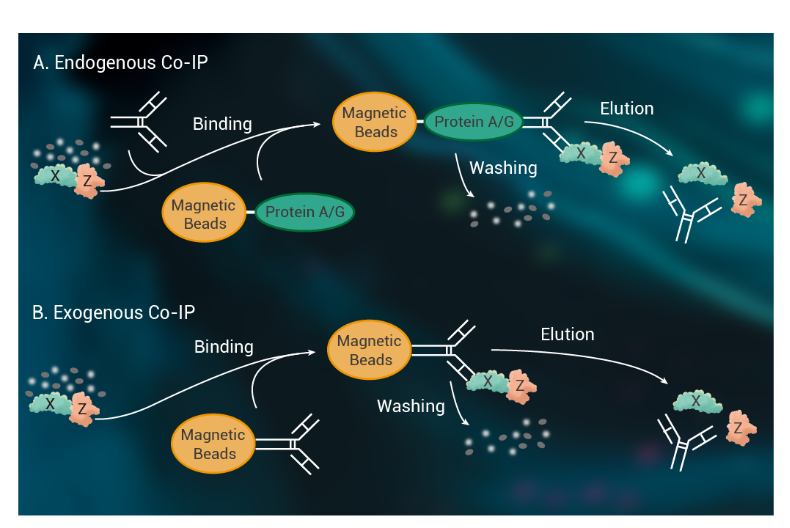
For all the protein research folks out there, techniques like IP and Co-IP are no stranger, right? And of course, there's a faster and more convenient go-to tool—Protein A/G magnetic beads! In this article, let's chat about how these beads work their magic in classic experiments like IP and Co-IP. -
 Scientific Reviews
Finding adipogenic induction media too expensive and tricky to prepare? This comprehensive guide to 3T3-L1 adipogenic differentiation simplifies the process, helping you achieve great results!
-
 Scientific Reviews
A groundbreaking study in Nature Communications reveals the key mechanism behind Idiopathic Pulmonary Fibrosis and identifies an existing drug with the potential to counter it.
-
 Scientific Reviews
Generating Stable Cell Lines with Lentivirus
2025-09-16
A step-by-step protocol of establishing stable cell lines using lentivirus -
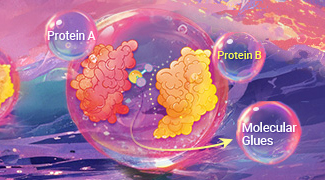 EDM
This review discusses recent progress in molecular glue technologies, illustrating how targeted protein degradation strategies enable the modulation of previously undruggable proteins.
-
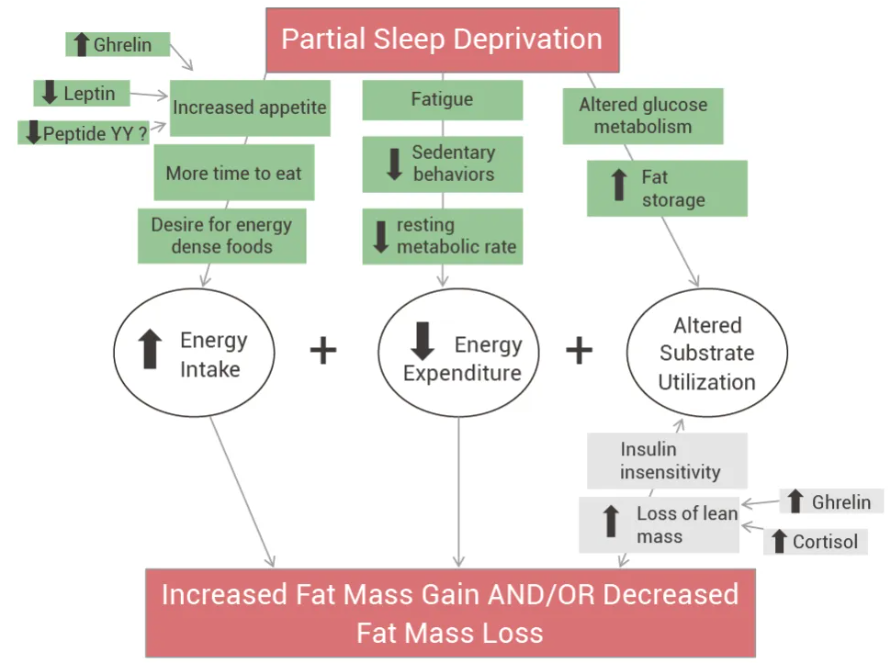 Scientific Reviews
Have you ever noticed that after staying up late, your appetite—especially for high-calorie foods—gets out of control? If this sounds familiar, today’s article might offer some good news.
-
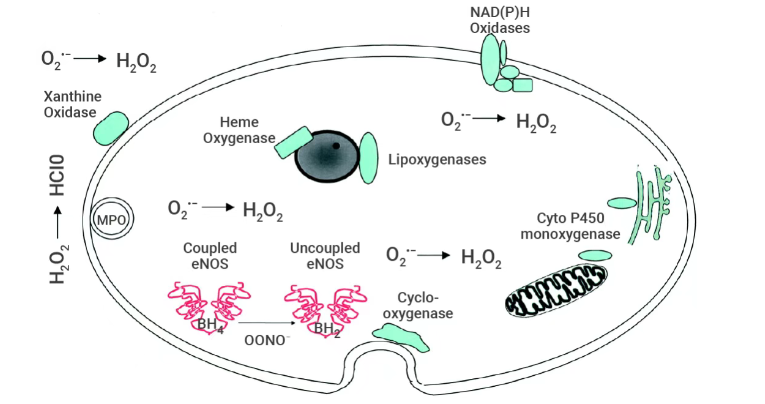 Scientific Reviews
The article introduces the mechanisms of ROS generation and the methods for their detection.
-
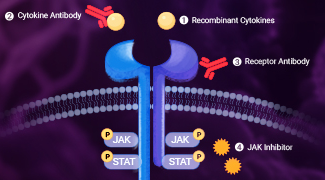 EDM
This review critically examines the role of the JAK-STAT pathway in immunity and autoimmune diseases, reviews current clinical applications of targeted therapies, and highlights emerging trends in autoimmune drug development.
-
 Scientific Reviews
In protein biology, Co-IP is a powerful tool to uncover protein "social networks."
-
 Scientific Reviews
In this issue, we will conduct an in-depth interpretation from the dimensions of nanoparticle design, mechanism of action, in vivo and in vitro efficacy, and immune regulation, revealing how this research brings new hope for the treatment of invasive tumors through interdisciplinary innovation!
-
 EDM
Targeting the ‘Undruggable’ with PROTACs
2025-06-18
This review introduces the fundamental principles and mechanisms of PROTACs, highlights recent advances in molecular design and clinical development, and discusses emerging opportunities and remaining challenges in targeted protein degradation. -
 Scientific Reviews
Western blotting is a crucial and fundamental technique in life science research.
-
 Scientific Reviews
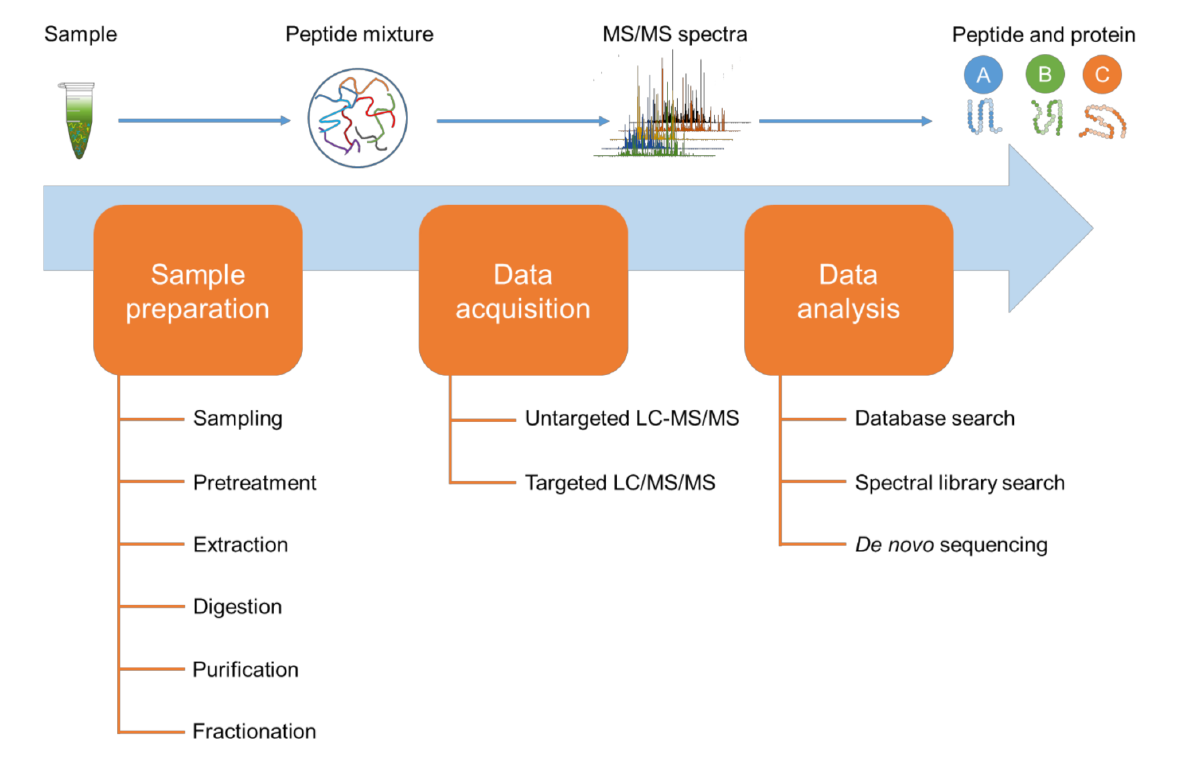
As a pivotal branch in the post - genomic era, proteomics is committed to comprehensively elucidating the types, abundances, structures, functions, and interactions of all proteins within living organisms. This article will tell you the key steps of proteomics sample preparation based on mass spectrometry. This article will tell you the key steps of proteomics sample preparation based on mass spectrometry.
-
 Scientific Reviews
Do you feel confused when you start culturing cells? This article will show you the basic methods and steps of cell culture!
-
 Scientific Reviews
This article introduces some common cardiovascular disease models, inducers, modeling protocols and successful modeling cases in the research.
-
.jpg) Scientific Reviews
nside cells, the homeostasis and degradation of proteins is a precisely regulated process. If proteins cannot be degraded in time, it may lead to the occurrence of various diseases such as neurodegenerative diseases and cancer. This article will tell you the process of how proteins are recognized, labeled and then degraded!
-
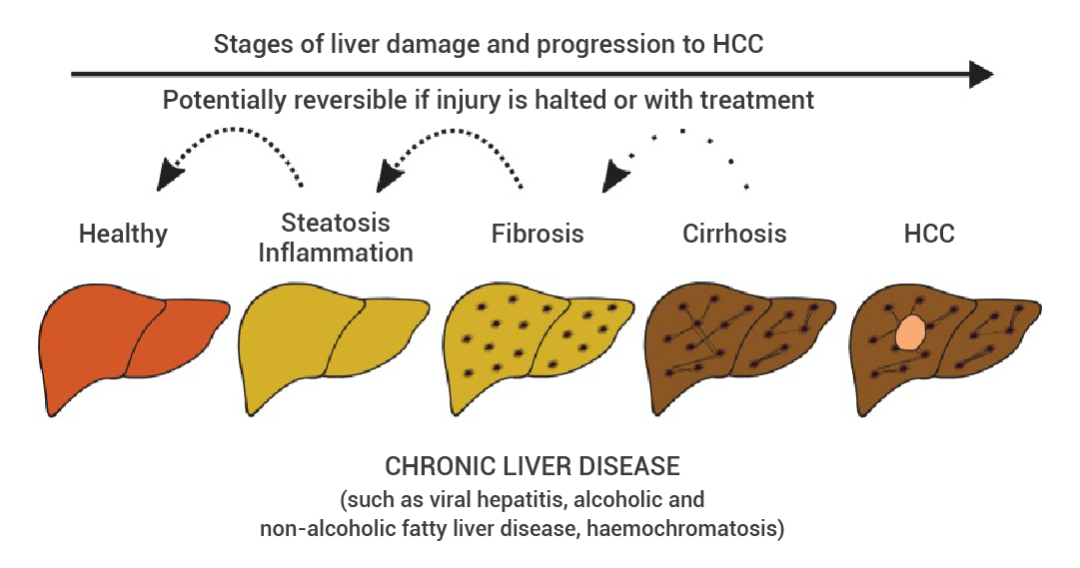 Scientific Reviews
This article will tell you about the common methods of modeling liver disease in animal models.
-
 Scientific Reviews
Autophagy is a fundamental process that degrades various components within the cell.
-
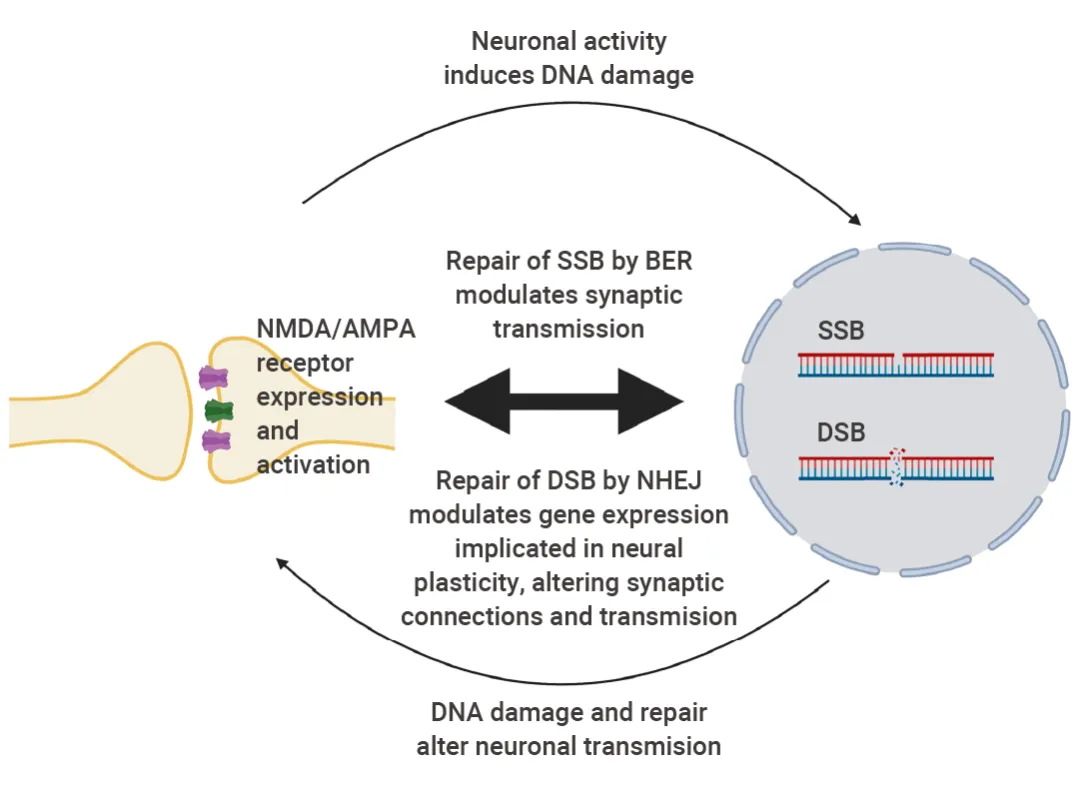 Scientific Reviews
When you hear "inflammation" and "DNA damage," you might immediately think of disease or injury. However, in brains, these two processes are key steps in forming long-term memories, particularly related to specialized cells in our brain called hippocampal neurons.
-
 Scientific Reviews
Advancing Chronic Kidney Disease Research with GJ103 and Lamin B1 Antibody!
-
 Scientific Reviews
Unlocking the Power of Intermittent Fasting: The 16+8 Method
-
Scientific Reviews
Delve into the intricate networks that govern mitochondrial quality control. By examining key mechanisms such as biogenesis, mitochondrial dynamics (fission and fusion), proteolysis, and mitophagy. -
 Scientific Reviews
How they used PKH 26 for cellular studies?
2024-10-21
We are thrilled to highlight our client study using PKH 26 (MedChemExpress) , a red fluorescent dye that has proven invaluable for in vitro cell labeling and tracing. This innovative research, published in the Journal of Nanobiotechnology. -
 Scientific Reviews
Cuproptosis's Knowledge Points!
2024-09-25
With the establishment of the cuproptosis mechanism related research has attracted more and more attention from major journals. Expect to use the sharp sword of cuproptosis to stab the tumor cells. -
 Scientific Reviews
Recently, Mol Cell reported the discovery of the first ferroptosis marker, Hyperoxidized PRDX3! Let’s take a look together~
-
 Scientific Reviews
Cuproptosis, How much do you know?
2024-08-22
Cells die in a variety of ways, including apoptosis, pyroptosis, necrosis, and ferroptosis......And, of course, cuproptosis. So, how much do you know about cuproptosis? -
 Scientific Reviews
Science’s 2023 Breakthrough: GLP-1R Agonists
2024-08-13
GLP-1RAs, which achieved great success in 2023 and draws people’s attention back to obesity treatments and GLP-1 therapies worldwide, was chosen as the breakthrough of year 2023 by Science [2]. -
 Scientific Reviews
Streptavidin-Biotin System
2024-08-03
Streptavidin strongly binding small molecule biotin is one of the most popular non-covalent coupling methods. Streptavidin can be coupled to various carriers such as magnetic beads and agarose matrix, and become a highly specific affinity medium to capture various biotin-labeled ligands. -
 Scientific Reviews
Degrade target proteins through the autophagy-lysosome pathway including LYTAC, AUTAC, and ATTEC have gained increasing attention in recent years due to their significant research potential!
-
 Scientific Reviews
Exosomes, which won the Nobel Prize in 2013, are still a research hotspot in the national natural sciences, and their popularity has only increased over the past decade (in 2022, they still rank 5th in the national natural sciences hotspots!). Why have exosomes become the darling of scientific research? Let's take a look together~
-
 Scientific Reviews
STZ Induced Diabetes Models
2024-06-13
Spotlight: How can STZ Help Diabetes Research? -
 Scientific Reviews
Still struggling to find the preparation methods for various solutions? Save your time! Here comes a nanny-level tutorial!
-
 Scientific Reviews
Common Questions and Solutions for WB
2024-05-09
Come to understand the common problems and solutions of WB, and better complete the experiment! -
 Scientific Reviews
Science | A "new" mechanism for non-ubiquitinated Midnolin-proteasomal degradation pathway
2024-04-26
“ubiquitin-mediated protein degradation” won the Nobel Prize in Chemistry in 2004! In fact, proteasomes degrade not only ubiquitinated proteins but also non-ubiquitinated ones. The mechanism remains shrouded in mystery. After reading this piece today, you might have a lightbulb moment! -
 Scientific Reviews
SPR, which stands for Surface Plasmon Resonance, essentially works by detecting the interaction between ligands and analytes on a biosensor chip. This in turn allows us to probe the properties and structure of substances. With this technology, we can analyze molecules, proteins, DNA, and various organic and inorganic substances in samples in real-time with precision.
-
 Scientific Reviews
Are frozen cells always damaged? Is the survival rate of revived cells low? When is it appropriate to freeze cells? What should be considered when reviving them? Today, we're sharing a guide to avoid pitfalls in cell freezing and revival!
-
 Scientific Reviews
Organoid Culture: Questions & Answers
2023-07-26
In the last issue, we conducted a live lecture on the theme of organoid culture. Today, we have a special topic to solve your doubts in the last live class! -
 Scientific Reviews
How to Perform Western Blot?
2023-07-13
Western blot is one of the most frequently performed experiments in molecular biology, biochemistry and immunology. This article describes in detail how to do WB. -
 Scientific Reviews
Structure of Lipid Droplets
2023-06-15
Huh? Lipid droplets? Organelles? In the past, biological data usually only show the traditional organelles, such as mitochondria, Golgi apparatus, endoplasmic reticulum, etc., lipid droplets are often not mentioned by people. Today, we will make a systematic explanation of lipid droplets, so that everyone has a clear understanding! -
 Scientific Reviews
Mitophagy:Mechanisms and Detection
2023-05-25
About 60 years ago, Christian de Duve first used the term "autophagy" to describe his observation of the degradation of mitochondria and other intracellular structures in lysosomes of rat liver. Over the years, autophagy has remained a beloved topic of research by the National Natural Science Foundation of China (NSFC).Today, let's talk about mitochondrial autophagy. -
 Scientific Reviews
Stem cell classification and its application
2023-05-18
Stem cells (SCs) have the unique ability to self-renew and differentiate into different cell types. SCs can differentiate into various types of tissue cells under specific conditions. Additionally, they can be further cultured to form different tissues and organs in the human body. Stem cells have numerous applications in various fields, including cell therapy, organ transplantation, neurodegenerative disease modeling, and drug screening. -
 Scientific Reviews
PROTAC - Design Strategy for Targeting
2023-04-23
Protein degradation targeting chimera (PROTAC) is a technology that uses the ubiquitin proteasome pathway to silent target protein. However, PROTAC still has problems such as solubility, membrane permeability, and selectivity. In this article, we have summarized three strategies for optimization: light-controlled linker, PAC molecule, and specific E3 ligase. -
 Scientific Reviews
The latest study of Cell magazine "Neural mechanism underlying depressive-like state associated with social status loss" considers social factors as a breakthrough point. It has been found that the downward transition of social status induces depression-like behavior in mice whereas improves the depressive state by restoring their social environment.
-
 Blog
dBRD9 is a PROTAC (proteolysis targeting chimera) and can be used as a selective valuable probe for degrading BRD9.
-
 Scientific Reviews
Mammalian cells can also photosynthesize like plants! Photosynthesis can improve cell anabolism and exhibit good clinical effect in degenerative diseases (osteoarthritis).
-
 Blog
MS8815 is a selective EZH2 PROTAC degrader. MS8815 can be used for the research of triple-negative breast cancer (TNBC),
-
 Blog
SZUH280, a potent and selective PROTAC HDAC8 degrader, ,shows antitumor activity in an A549 nude mouse model.
-
 Blog
Coibamide A is an N-methyl-stabilized cytotoxic depsipeptide with antiproliferative activity. Coibamide A induces autophagosome accumulation.
-
 Blog
YX-2-107 is a PROTAC that selectively degrades CDK6.
-
 Blog
SIAIS100 is a Potent BCR-ABL PROTAC Degrader
2023-01-10
SIAIS100 is a potent BCR-ABL PROTAC degrader with an DC50 value of 2.7 nM. SIAIS100 can be used to research chronic myeloid leukemia (CML). -
 Blog
TD1092 is a pan-IAP degrader, degrades cIAP1, cIAP2, and XIAP. TD1092 inhibits NF-κB pathway and epithelial-mesenchymal transition (EMT).
-
 Blog
MMRi62, a Ferroptosis inducer targeting MDM2-MDM4. MMRi62 shows a P53-independent pro-apoptotic activity against PDAC cells.
-
 Blog
SJ988497 is a cell permeable PROTAC JAK2 degrader that degrades JAK2 in vitro and in vivo, and shows anticancer activity against leukemia.
-
 Scientific Reviews
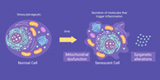
Understanding the mechanism of aging not only has guiding significance for prolonging human life but also has important clinical significance for the prevention and treatment of diseases in the elderly population , thus, improving their life quality and well-being.
-
 Scientific Reviews
Efferocytosis is the process in which phagocytes remove programmed dead cells. It prevents secondary necrosis of dying cells from releasing harmful cell contents (such as oxides and proteases) that may cause inflammation. Here, we will introduce three stages of efferocytosis: Find, Eat, Digest.
-
 Blog
A947 is a selective SMARCA2 (PROTAC). A947 also is a moderately selective SMARCA2 degrader. A947 can be used for the research of cancer.
-
 Scientific Reviews
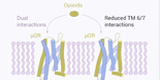
As powerful pain relievers, the opioids morphine and fentanyl have been "checked" by their side effects (listed as controlled substances). How to reduce its side effects? What is its mechanism? This research will explore its mechanism.
-
 Blog
U7D-1 is a selective USP7 PROTAC degrader. U7D-1 induces apoptosis in Jeko-1 cells and shows anticancer activity.
-
 Blog
GN25 is a specific inhibitor of p53-Snail binding and shows anti-tumor effect against K-Ras-mutated cancer.
-
 Blog
CAM 833, a potent and selective inhibitor of the BRCA2-RAD51 interaction, and has the potential for the cancer research.
-
 Scientific Reviews
CMA (chaperone-mediated autophagy) plays an essential role in maintaining neuronal protein stability and preventing neurodegeneration. In this article, we will comprehensively clarify the role of CMA in the occurrence and development of neurodegenerative diseases.
-
 Blog
Golcadomide is a potent and orally active CRBN E3 ligase modulator with immunomodulating and antineoplastic activities.
-
 Scientific Reviews
AlphaFold2 can predict disease-related protein structures at low cost, and then find potential drugs for these diseases through drug repositioning, virtual screening, and other methods. ZINC is a public database summarizing information about billions of compounds. AlphaFold2 + ZINC20 speeds up the virtual screening process and improves the computing speed.
-
 Scientific Reviews
Autophagy, derived from the Greek meaning "eating of self", plays an indispensable role in maintaining homeostasis. p27 is an inhibitor of cyclin CDKs, but how p27 regulates autophagy remains unknown. This article will cover the mechanism of autophagy and p27-related cell cycle regulation.
-
 Scientific Reviews
Organoids have great potential in research of organ development, disease modeling, drug screening and, precision and regenerative medicin. In this article, we will expalin the origin of the organoids. Adult stem cells (ASCs) or pluripotent stem cells (PSCs) , which is the better choice.
-
 Blog
ARD-69 is a potent PROTAC androgen receptor degrader and induces degradation of AR protein in AR-positive prostate cancer cell lines.
-
 Scientific Reviews
It's has been proved that p53, as a tumor suppressor gene and immune guardian, may become a destroyer through its own mutation. Moreover, the mechanism of p53 was found to be related to ferroptosis. This article mainly explores the mechanism between p53 and ferroptosis in detail.
-
 Scientific Reviews
A comprehensive explanation of ferroptosis
2022-09-15
Ferroptosis is a new type of RCD that depends on iron and characterized by the accumulation of lipid peroxides. In this article, we will pay our attention on ferroptosis and briefly discusses its mechanism. -
 Scientific Reviews
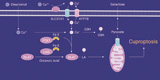
Tsvetkov et al. published in Science and demonstrated a copper-induced programmed cell death — Cuproptosis. As a novel programmed cell death, excess copper triggers abnormal aggregation of lipoylated proteins in TCA cycle and clearance of Fe-S cluster proteins, ultimately leading to cell death.
-
 Blog
ARV-471 is an oral estrogen receptor PROTAC degrader for breast cancer. ARV-471 robustly degrades ER in ER-positive breast cancer cell lines.
-
 Blog
MS159 is a frist-In-class nuclear receptor binding SET NSD2 PROTAC degrader for multiple myeloma research.
-
 Scientific Reviews
RNA therapeutics have changed the landscape of drug development, which possess broader spectrum of drug targets, simplicity and efficiency in development and manufacturing.In this article, we will discuss the underlying mechanisms of RNA-based drugs on the market or in clinical stages.
-
 Blog
PU-H54 is a potent purine-based (PU) Grp94-selective inhibitor. PU-H54 has the potential for the research of breast cancer.
-
 Scientific Reviews
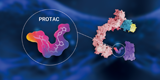
BacPROTACs is composed of a POI ligand, a chemical linker and a ClpCNTD anchor. BacPROTACs can induce in vitro and in vivo degradation of non-eukaryotic proteins in bacteria without the ubiquitin proteasome system.
-
 Blog
DD1, a proteasome inhibitor, targets Bax activation and P70S6K degradation during acute myeloid leukemia (AML) apoptosis.
-
 Scientific Reviews
Development of Intestinal Organoid
2022-07-28
3D organoid is one of the revolutionary developments in biomedical field during the past 10 years. The establishment of intestinal organoids is an important milestone in the development of organoid technology. -
Scientific Reviews
Organoids represent an important bridge between 2D cultures and in vivo mouse/human models. The organoid technology exerts enormous potential in evaluation of efficacy and toxicity of drugs, regenerative medicine, and precision medicine.In this article, we will briefly introduce organoid technology.
-
 Scientific Reviews
PROTAC — Target Selection and Design
2022-07-08
A PROTAC molecule consists of three components: a target protein binding ligand, an E3 ligase ligand, and a linker connecting these two moieties. Here, we will discuss the conventional approaches for the rational design of PROTAC molecules. -
 Scientific Reviews
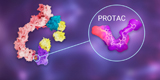
PROTAC, which exploit the ubiquitin-proteasome pathway to specifically degrade target proteins. PROTACs not only solve the problem of undruggability but they also have other advantages compared to traditional drug targeting strategies.
-
 Blog
Epoxomicin is an epoxyketone-containing natural product and a selective and irreversible proteasome inhibitor. Cross the blood-brain barrier.
-
 Blog
Oprozomib (PR-047) is an orally active peptide epoxyketone proteasome inhibitor.
-
 Blog
Mirin is a potent MRN complex inhibitor. Mirin prevents MRN-dependent activation of ATM without affecting ATM protein kinase activity.
-
 Blog
AUTAC2 is a FKBP12-targeting autophagy-mediated degrader (AUTAC). AUTAC2 contains an FBnG and an SLF moiety.
-
 Blog
MS170 is a PROTAC AKT Degrader
2022-02-27
MS170 is a CRBN-recruiting degrader, the AKT proteolysis targeting chimera (PROTAC) degrader. -
 Blog
Alda-1 is a potent ALDH2 Agonist
2021-12-30
Alda-1 ameliorates H2O2-induced Achilles tendinopathy. Alda-1 could be used for preventing Achilles tendinopathy. -
 Blog
MS4322 is a first-in-class PRMT5 degrader and a valuable chemical tool for exploring the PRMT5 functions in vitro and in vivo.
-
 Blog
Spautin-1 is a specific and potent autophagy inhibitor which inhibits ubiquitin-specific peptidases, USP10 and USP13.
-
 Blog
MB710 is a stabilizer of oncogenic p53 mutation Y220C. MB710 binds to the Y220C pocket and stabilizes p53-Y220C, with a Kd of 4.1 μM.
-
 Blog
Ganetespib (STA-9090) is a HSP90 Inhibitor
2021-10-14
Ganetespib is a unique Hsp90 inhibitor that exhibits potent and sustained antitumor effects in a broad range of malignancies. -
 Blog
Iberdomide (CC-220) is an orally active cereblon (CRBN) E3 ligase modulator (CELMoD) with antitumor and immunostimulatory activities。
-
 Blog
SIM1 is a PROTAC Based BET Family Degrader
2021-08-11
SIM1 is a potent von Hippel-Lindau (VHL)-based trivalent PROTAC capable of degradation for all BET family members. -
 Blog
NRX-2663 is a potent enhancer of the interaction between β-catenin SCFβ-TrCP, potentiates the ubiquitylation of mutant β-Catenin by β-TrCP.
-
 Blog
XY028-140 is a potent and selective PROTAC-based CDK4/6 degrader, which can inhibit RB-E2F signaling and reduce CDK4 and CDK6 protein levels.
-
 Blog
DP-C-4 is a CRBN-Based dual PROTAC for EGFR and PARP could provide an effective study for cancer diseases.
-
 Blog
SJ6986 is a selective and orally active GSPT1/GSPT2 degrader, displaying selectivity over classical IMiD neosubstrates, such as IKZF1/3
-
 Blog
EMD527040 is a highly selective αvβ6 antagonist with antifibrotic activities.
-
 Blog
BSJ-4-116 is a highly potent and selective CDK12 degrader (PROTAC). BSJ-4-116 exhibits potent antiproliferative effects.
-
 Blog
NCGC00378430 is a potent SIX1/EYA2 interaction inhibitor and inhibits SIX1-mediated breast cancer metastasis.
-
 Blog
ARV-110 is an orally active, specific androgen receptor (AR) PROTAC degrader. ARV-110 can be used for the research of prostate cancer.
-
 Blog
AUTAC4 is a mitochondria-targeting autophagy-targeting chimera, which can be used for the study of mitochondrial dysfunction.
-
 Blog
Lenalidomide, a CRBN ligand, is an orally active immunomodulator that effective treatment for myelodysplastic syndrome and multiple myeloma.
-
 Blog
Butaprost is a selective prostaglandin E receptor (EP2) agonist. Butaprost can effectively mitigate kidney fibrogenesis in various fibrosis models.
-
 Blog
PHT-7.3 is a Selective Inhibitor of Connector Enhancer of Kinase Suppressor of Ras 1 (Cnk1)
2021-05-27
PHT-7.3 is a selective inhibitor of Cnk1 pleckstrin homology (PH) domain. PHT 7.3 blocks the growth of mutant KRAS cells and tumors. -
 Blog
BI-3406 is a selective, orally bioavailable SOS1 inhibitor that binds to the catalytic domain of SOS1, preventing the interaction with KRAS.
-
 Blog
PROTAC MDM2 degrader MD-222 is highly potent and effective in inducing degradation of MDM2 and in activating wild-type p53 in cells.
-
 Blog
MR837 is an Inhibitor of NSD2-PWWP1
2021-05-11
MR837 is a potent inhibitor of NSD2 (WHSC1)-PWWP1 protein-protein interaction. MR837 can bind with human NSD2. -
 Blog
LYN-1604 is a Potent ULK1 Activator
2021-04-24
LYN-1604, a potent ULK1 activator, induces cell death involved in ATF3, RAD21, and caspase3, accompanied by autophagy and apoptosis. -
 Blog
L-Moses is the first potent, selective, and cell-active PCAF Brd inhibitor. L-Moses disrupts PCAF-Brd histone H3.3 interaction.
-
 Blog
LC-2 is a potent and first-in-class PROTAC capable of degrading endogenous KRAS G12C, with DC50s between 0.25 and 0.76 μM.
-
 Blog
YUM70 inhibits GRP78. Induces endoplasmic reticulum stress-mediated apoptosis. Pancreatic cancer. Acts as a novel anticancer agent.
-
 Blog
Conglobatin inhibits proliferation and induces apoptosis by binding to N-terminus of Hsp90 and disrupting Hsp90-Cdc37 complex formation.
-
 Blog
CC-90001 is a potent, selective, and orally active inhibitor of JNK. CC-90001 can be used for the research of idiopathic pulmonary fibrosis (IPF).
-
 Blog
PR-619 is a Broad-Range DUB Inhibitor
2021-02-20
PR-619, a broad-spectrum deubiquitinating enzyme (DUB) inhibitor, induces ER stress and ER-stress related apoptosis. -
 Blog
dCBP-1 is a potent and selective degrader of p300/CBP based on PROTAC. dCBP-1 is exceptionally potent at killing multiple myeloma cells.
-
 Blog
JH-XI-10-02, a highly Potent CDK8 Degrader, modulates the CDK8 protein levels. A viable therapeutic strategy in cancer.
-
 Blog
WL47, a high-affinity cavolin-1 (CAV1) ligand (Kd=23 nM), act as a potent and selective disrupter of CAV1 oligomers.
-
 Blog
BI-3802, a BCL6 degrader, inhibits the BCL6 BTB domain. BI-3802 induces the polymerization of BCL6 and promotes BCL6 degration depended on E3 ligase SIAH1.
-
 Blog
GNE-371, a Chemical Probe for the Second Bromodomains of TFIID Subunit 1 and TFIID Subunit 1-Like
2020-12-09
GNE-371 is a selective chemical probe for the second bromodomains of human transcription-initiation-factor TFIID subunit 1 and TFIID subunit 1-like. -
 Blog
MZP-54 is a Selective BRD3/4 PROTAC Degrader
2020-12-02
MZP-54 is a PROTAC that would link together specific VHL ligand and BET bromodomain ligand. MZP-54 induces degradation of BRD3/4. -
 Blog
VZ185 is a highly selective, potent, and rapid dual degrader with a slight preference for BRD9 over BRD7.
-
 Blog
UNC6852 is a chemical degrader that targets polycomb repressive complex 2 (PRC2). Anti-proliferative in diffuse large B cell lymphoma cell lines.
-
 Blog
dFKBP-1 induces potent and dose-dependent degradation of FKBP12 in 293FT-WT cells. A facile and general new strategy to control target protein stability.
-
 Blog
BI-3663 is a highly selective PTK2/FAK PROTAC (DC50=30 nM), with cereblon ligands to hijack E3 ligases for PTK2 degradation.
-
 Blog
GNE-987, a potent chimeric BET degrader, exhibits picomolar cell BRD4 degradation activity. GNE-987 can be used in PROTAC-Antibody Conjugate (PAC).
-
 Blog
SIAIS178 is a potent and selective BCR-ABL degrader based on PROTAC technology by recruiting VHL E3 ubiquitin ligase. SIAIS178 has anticancer activity.
-
 Blog
BETd-260 is a Potent PROTAC BET Degrader
2020-11-18
BETd-260 is a highly potent, efficacious, and promising BET degrader. -
 Blog
ZXH-3-26 is a Selective PROTAC BRD4 Degrader
2020-11-17
ZXH-3-26 is a Selective PROTAC BRD4 Degrader and allows pharmacologic targeting of BRD4 without significant inhibition or degradation of BRD2/3. -
 Blog
dTRIM24 will be a useful tool to further probe the function of TRIM24 by rapid chemical depletion in hematopoietic cancers and other biological contexts.
-
 Blog
DT2216 is a potent and selective BCL-XL degrader based on PROTAC technology. DT2216 inhibits leukemia and has potent anti-cancer activity.
-
 Blog
KB02-SLF is a PROTAC-based nuclear FKBP12 degrader. KB02-SLF promotes nuclear FKBP12 degradation by covalently modifying DCAF16 (E3 ligase).
-
 Blog
BSJ-03-204 is a potent and selective Palbociclib-based CDK4/6 dual degrader (PROTAC) and does not induce IKZF1/3 degradation with anti-cancer activity.
-
 Blog
BC-LI-0186 is a selective inhibitor of LeuRS and RagD interaction (IC50=46.11 nM). BC-LI-0186 suppresses the activity of cancer-associated MTOR mutants.
-
 Blog
BSJ-04-132 is a potent and selective Ribociclib-based CDK4 degrader (PROTAC) and does not induce CDK6 and IKZF1/3 degradation with anti-cancer activity.
-
 Blog
SJF620 is a Potent PROTAC BTK Degrader
2020-09-26
SJF620 is a potent PROTAC BTK degrader with improved pharmacokinetic properties. Contains a Lenalidomide analog for recruiting CRBN. -
 Blog
MCP110 is an inhibitor of Ras/Raf-1 interaction in human cancer cells. The Ras family GTPases play a central role in the growth factor signaling.
-
 Blog
RA375, a RPN13 inhibitor, inhibits proteasome function in muscle. RA375 is highly active against cell lines of multiple myeloma and diverse solid cancers.
-
 Blog
M-808 is a highly potent and efficacious covalent Menin-MLL interaction inhibitor. M-808 has a binding IC50 value of 2.6 nM.
-
 Blog
GSK621 is a potent and specific AMPK activator and induces autophagy and apoptosis in acute myeloid leukemia (AML) cells.
-
 Blog
HLI373 represents a potential drug-able lead for the development of therapeutically efficacious inhibitors of Hdm2. Hdm2 is an ubiquitin protein ligase.
-
 Blog
RA-9 is a potent and selective proteasome-associated DUBs inhibitor with favorable toxicity profile and anticancer activity.
-
 Blog
XZ739 is a PROTAC BCL-XL Degrader
2020-06-18
XZ739 is a PROTAC BCL-XL Degrader. XZ739 is potent against various cancer cell lines. PROTAC is an emerging therapeutic modality. -
 Blog
HM03 is a potent and selective HSPA5 inhibitor with anticancer activity. HSPA5 plays a key role in monitoring protein transport through the cell.
-
 Blog
TED-347 is a potent, irreversible, covalent and allosteric inhibitor at YAP-TEAD protein-protein interaction with antitumor activity.
-
 Blog
MYCMI-6 is a selective MYC:MAX protein interactions inhibitor, which blocks MYC-driven transcription and binds selectively to the MYC bHLHZip domain.
-
 Blog
UT-34 is a potent, selective and orally active second-generation pan-androgen receptor (AR) antagonist and degrader with anti-prostate cancer efficacy.
-
 Blog
SNDX-5613 is a potent, selective, small molecule inhibitor of the Menin-MLL binding interaction for targeted therapy in MLL-rearranged leukemias.
-
 Blog
ARCC-4 is a low-nanomolar AR degrader, and effectively degrades clinically relevant AR mutants associated with antiandrogen therapy.
-
 Blog
TL13-12 is a Selective ALK-PROTAC Degrader
2020-04-21
TL13-12 can induce receptor tyrosine kinase anaplastic lymphoma kinase degradation in non small cell lung cancer cells. PROTAC ALK degrader. -
 Blog
TL13-112 is a PROTAC Degrader of ALK
2020-04-15
TL13-112 is a selective ALK-PROTAC degrader and inhibits ALK activity. TL13-112 is comprised of the conjugation of Ceritinib and the ligand pomalidomide . -
 Blog
E64FC26 is a highly potent pan-style inhibitor of the protein disulfide isomerase (PDI) family with anti-myeloma activities.
-
 Blog
CCT367766, a PROTAC-based Pirin-targeting PDP, exhibits a moderate affinity for the CRBN-DDB1 complex and reveals a good affinity for Pirin and CRBN.
-
 Scientific Reviews
SARS-CoV-2 contains four main structural proteins: spike (S), membrane (M), envelope (E), and nucleocapsid (N) proteins. All the proteins and subcellular structures of CoVs are promising targets for SARS-CoV-2 research.
-
 Blog
BI-9321 is a potent, selective and cellular active NSD3-PWWP1 domain antagonist, and specifically disrupts histone interactions of the NSD3-PWWP1 domain.
-
 Blog
6RK73 is a covalent irreversible and specific UCHL1 inhibitor,which specifically inhibits UCHL1 activity in breast cancer.
-
 Blog
TCH-165 is a modulator of proteasome assembly, which increases 20S levels and facilitates 20S-mediated protein degradation, such as IDPs, α-syn, and tau.
-
 Blog
GPP78 is a potent Nampt inhibitor. GPP78 is cytotoxic to neuroblastoma cell line SH-SY5Y cells. GPP78 has anti-cancer and anti-tumor activity.
-
 Blog
KB02-JQ1 is a highly potent and selective PROTAC BRD4 degrader that degrades nuclear proteins by engaging CUL4-DDB1 E3 ubiquitin ligases DCAF16.
-
 Blog
MS432 is a first-in-class and highly selective PD0325901-based VHL-recruiting PROTAC degrader for MEK1 and MEK2 with good anti-cancer activity.
-
 Blog
MG-277 works as a PROTAC molecular glue, inducing degradation of a translation termination factor, GSPT1 to achieve its potent anticancer activity.
-
 Blog
SD-36 is a Selective PROTAC STAT3 Degrader
2019-12-06
SD-36 is a potent, efficacious and selective PROTAC STAT3 degrader (Kd=50 nM) and achieves complete tumor regression in vivo. -
 Blog
PK11007 is a Mild Alkylating Agent with Anticancer Activity and induces mutant p53 cancer cell death by increasing reactive oxygen species (ROS) levels.
-
 Blog
CP5V is a Specific PROTAC Degrader of Cdc20
2019-11-20
CP5V is a PROTAC, which specifically degrades Cdc20 by linking Cdc20 to the VHL/VBC complex for ubiquitination followed by proteasomal degradation. -
 Blog
sAJM589 is a Myc inhibitor which potently disrupts the Myc-Max heterodimer in a dose dependent manner with an IC50 of 1.8 μM.
-
 Blog
NV03 is a potent and selective antagonist of UHRF1-H3K9me3 interaction by binding to UHRF1 TTD with a Kd of 2.4 μM and has anticancer activity.
-
 Blog
BPK-29 disrupts the NR0B1 protein-protein interactions and impairs the anchorage-independent growth of KEAP1-mutant cancer cells.
-
 Blog
MD-224 is a human MDM2 degrader based on the PROTAC concept. MD-224 induces rapid degradation of MDM2 at concentrations <1 nM in human leukemia cells.
-
 Blog
SGC-iMLLT is a potent, selective MLLT1/3-histone interactions inhibitor and shows high binding activity towards MLLT1 YEATS domain and MLLT3 YD.
-
 Blog
dBET57 is a potent and selective degrader of BRD4BD1 based on the PROTAC technology and mediates recruitment to the CRL4CRBN E3 ubiquitin ligase.
-
 Blog
GMB-475 is a PROTAC BCR-ABL1 degrader, overcomes BCR-ABL1-dependent drug resistance, targets BCR-ABL1 protein and recruits the E3 ligase Von Hippel Lindau.
-
 Blog
ARV-825 is a PROTAC, and acts as a potent BRD4 degrader, with Kds of 90 and 28 nM for BRD4 BD1 and BRD4 BD2, respectively.
-
 Blog
CP-10 is a Specific PROTAC Degrader of CDK6
2019-08-25
CP-10 is a PROTAC with highly selective, specific, and remarkable CDK6 degradation (DC50=2.1 nM), which has anti-cancer activity. -
 Blog
MS31 is a highly selective spindlin 1 inhibitor, which inhibits the interactions between SPIN1 and H3K4me3. MS31 is not toxic to nontumorigenic cells.
-
 Blog
dMCL1-2 is a potent and selective degrader of myeloid cell leukemia 1 (MCL1) based on PROTAC, which binds to MCL1 with a KD of 30 nM.
-
 Blog
ACBI1 is a PROTAC Degrader of BAF Complex
2019-08-07
ACBI1 is a potent PROTAC degrader of BAF ATPase subunits SMARCA2, SMARCA4 and PBRM1, with DC50s of 6 nM, 11 nM and 32 nM in MV-4-11 cells, respectively. -
 Blog
CA-5f is a potent late-stage macroautophagy (autophagy) inhibitor via inhibiting autophagosome-lysosome fusion. CA-5f increases LC3B-II and SQSTM1 protein.
-
 Blog
MT-802 is a potent BTK degrader based on PROTAC technology, with a DC50 of 1 nM. MT-802 has potential to treat C481S mutant chronic lymphocytic leukemia.
-
 Blog
M-89 is a specific menin inhibitor, with a Kd of 1.4 nM. M-89 inhibits the Menin-MLL protein-protein interaction and has potential to treat MLL leukemia.
-
 Blog
GSK2643943A is a Novel DUB Inhibitor
2019-07-25
GSK2643943A is a novel deubiquitylating enzyme (DUB) inhibitor. GSK2643943A targets USP20/Ub-Rho and shows an IC50 of 160 nM. -
 Blog
dBET6 is a potent PROTAC degrader of BET, shows high affinity to BRD4(1), and possess good efficacy in T cell acute lymphoblastic leukemia activity.
-
 Blog
MZP-55 is a selective PROTAC degrader of BRD3/4, shows no obvious effect on BRD2. MZP-55 exhibits excellent activity in cancer research.
-
 Blog
JG-98, an Hsp70 inhibitor, binds tightly to a conserved site on Hsp70 and disrupts the Hsp70-Bag3 interaction. JG-98 shows anti-cancer activities.
-
 Blog
ERD-308 is a highly potent PROTAC degrader of ER for ER+ breast cancer treatment. ERD-308 induces >95% of ER degradation at concentrations as low as 5 nM.
-
 Blog
SBI-0206965 is a selective and cell permeable autophagy kinase ULK1 inhibitor with IC50s of 108 nM for ULK1 and 711 nM for the highly related kinase ULK2 .
-
 Blog
CCT020312, the G1/S checkpoint activator, is a selective EIF2AK3/PERK activator. CCT020312 elicits EIF2A phosphorylation in cells.
-
 Blog
MRT67307, a dual IKKε/TBK1 inhibitor, inhibits ULK1 and ULK2 with IC50s of 45 and 38 nM, respectively. MRT67307 blocks mTOR-dependent autophagy.
-
 Blog
TAS4464 is a highly potent and selective inhibitor of NEDD8 activating enzyme (NAE), with an IC50 of 0.955 nM. TAS4464 shows antitumor activity.
-
 Blog
S130, Targeting ATG4B, Inhibits Autophagy and Activates Apoptosis in Colorectal Colon Cancer
2019-06-19
S130 is a high affinity, selective inhibitor of ATG4B (a major cysteine protease) with an IC50 of 3.24 µM. S130 suppresses autophagy flux. -
 Blog
BAY-11-7082 inhibits the proliferation and induces the apoptosis of U266 cells through inhibiting NF-κB pathway. BAY 11-7082 ameliorates experimental diabetic neuropathy by modulating neuroinflammation and improving antioxidant defence.
-
 Blog
Ralimetinib (LY2228820) is a selective and ATP-competitive inhibitor of p38 MAPK α/β, with IC50s of 5.3 and 3.2 nM, respectively. Anti-tumor activity.
-
 Blog
JMS-17-2 is a CX3CR1 Antagonist
2019-06-12
JMS-17-2 is a potent and selective CX3CR1 antagonist with an IC50 of 0.32 nM. Has potential to treat cancers such as breast cancer. -
 Blog
SJFδ, a 10-atom Linker PROTAC, Degrades p38δ
2019-06-11
SJFδ, a 10-atom Linker PROTAC, Degrades p38δ, degrades p38δwith strong capacity. SJFδ degrades p38δ with a DC50 of 46.17±9.85 nM and a Dmax of 99.41±3.31%. -
 Blog
IWP-O1, a Highly Potent Porcupine Inhibitor, Functions by Preventing the Secretion of Wnt Proteins
2019-06-03
IWP-O1 is a Porcupine (Porcn) inhibitor, with an EC50 of 80 pM in L-Wnt-STF cells. IWP-O1 functions by preventing the secretion of Wnt proteins[ -
 Blog
SNIPER(TACC3)-1 targets the TACC3 protein for degradation via the ubiquitin-proteasome pathway. SNIPER(TACC3)-1 induces cancer cell death.
-
 Blog
VL285, is a Potent VHL Ligand
2019-05-24
VL285 is a Potent VHL Ligand. -
 Blog
JI051 is a stabilizer for the Hes1-PHB2 interaction, induces cell-cycle arrest by inhibiting the Notch downstream effector gene Hes1.
-
 Blog
MS4077 is an anaplastic lymphoma kinase (ALK) PROTAC (degrader) with a Kd of 37 nM for binding affinity to ALK. Efficacy for breast cancer and lung cancer.
-
 Blog
MM-589 is an inhibitor of WDR5 and MLL protein-protein interaction. Binds to WDR5 (IC50=0.90 nM) and inhibits the MLL H3K4 methyltransferase activity.
-
 Blog
ZM223 is a non-sulfamide NEDD8 activating enzyme (NAE) inhibitor, with IC50 value of 100 nM in cells. ZM223 has potential to treat colon cancer.
-
 Blog
FT671 is a potent, non-covalent and selective USP7 inhibitor with an IC50 of 52 nM and binds to the USP7 catalytic domain with a Kd of 65 nM.
-
 Blog
BSJ-03-123, a Degrader with Proteome-wide Selectivity for CDK6 (PROTAC). Induces a G1 cell-cycle arrest without a measurable increase in apoptosis.
-
 Blog
NSC 228155 is a activator of EGFR and a potent inhibitor of KIX-KID interaction. NSC 228155 shows excellent anti-tumor activity.
-
 Blog
A1874 is a nutlin-based and BRD4-degrading PROTAC with a DC50 of 32 nM. Effective in inhibiting many cancer cell lines proliferation
-
 Blog
CB-6644 is a selective non-ATP-competitive inhibitor of the RUVBL1/2 complex. CB-6644 significantly reduces tumor growth without obvious toxicity.
-
 Blog
SLLN-15 is an oral activ enhancer of autophagy that activates cytostatic macroautophagy/autophagy in triple-negative breast cancer (TNBC).
-
 Blog
TD-428 is a Highly Specific BRD4 Degrader
2019-04-29
TD-428, a immunomodulatory drug analog, is a highly specific BRD4 degrader with a DC50 of 0.32 nM. TD-428 reduces c-Myc levels more efficiently than JQ1. -
 Blog
TAK-981 is a selective inhibitor of the SUMOylation enzymatic cascade, with potential immune-activating and antineoplastic activities
-
 Blog
NRX-252262 is a β-catenin:β-TrCP interaction enhancer, and its cognate E3 ligase, SCFβ-TrCP, induces mutant β-catenin degradation, with an EC50 of 3.8 nM
-
 Blog
Y06137 is a potent and selective BET inhibitor, which binds to the BRD4(1) bromodomain with a Kd of 81 nM. Antitumor activity.
-
 Blog
BTR-1 potently inhibits cell growth. It induces S phase arrest, affects DNA replication. Dose-dependently induces cytotoxicity in leukemic cell lines.
-
 Blog
Y06036 is a potent and selective BET inhibitor for potential treatment of castration-resistant prostate cancer. With nanomolar inhibition.
-
 Blog
IITZ-01 is a potent lysosomotropic autophagy inhibitor with single-agent antitumor activity, with an IC50 of 2.62 μM for PI3Kγ.
-
 Blog
MK-0429 is An Oral Integrin (αvβ3) Inhibitor
2019-04-11
MK-0429, an orally active αvβ3 inhibitor, is a potential therapeutic agent for the prevention of kidney fibrosis, melanoma and osteoporosis. -
 Blog
PhiKan 083 is a carbazole derivative, which binds to the surface cavity and stabilizes Y220C (a p53 mutant), with a Kd of 167 μM.
-
 Blog
COH000 is an allosteric, covalent and irreversible inhibitor of SUMO-activating enzyme, with an IC50 of 0.2 μM for SUMOylation in vitro.
-
 Blog
A Lead PROTAC BRD9 Chemical Degrader
2019-04-06
PROTAC BRD9 Degrader-1 is a lead PROTAC BRD9 chemical degrader and a selective probe useful for the study of BAF complex biology. -
 Blog
HJB97 is a BET PROTAC inhibitor with good anti-tumor activity, and effectively blocks the degradation of BRD2, BRD3, and BRD4 proteins induced by BETd-260.
-
 Blog
CF53 is a highly potent, selective and orally active inhibitor of BET protein, with anti-tumor activity in acute leukemia and breast cancer cell lines.
-
 Blog
AZD5991, a macrocyclic molecule with high selectivity for Mcl-1, reduces Mcl-1 protein in AZD5991-sensitive but not in AZD5991-resistant MM cell lines.
Products
All
-
All
-
Inhibitors & Agonists
-
Isotope-Labeled Compounds
-
Fluorescent Dye
-
Peptides
-
Recombinant Proteins
-
Antibodies
-
Screening Libraries
-
Inhibitory Antibodies
-
Reference Standards
-
Biochemical Assay Reagents
-
Natural Products
| Cat. No. | Product Name | Information | Application | Publication |
|---|---|---|---|---|
| HY-L009 | Kinase Inhibitor Library |
Kinase is an enzyme that adds phosphate groups to other molecules. This process is known as phosphorylation. Protein phosphorylation is a key aspect in the regulation of a large number of cellular processes including cellular division, metabolism, signal transduction, and so on. There are over 500 kinases encoded by the human genome and it has been estimated that kinases regulate approximately 50% of cellular functions. Kinases are a large group of drug targets in drug discovery. Kinase inhibitors are an important class of drugs that block certain enzymes involved in diseases such as cancer and inflammatory disorders.
Kinase inhibitor library designed by MCE contains 4,033 kinase inhibitors and regulators mainly targeting protein kinases (VEGFR, EGFR, BTK, CDK, Akt, etc.), lipid kinases (PI3K, PI4K, SK, etc.) and carbohydrate kinases (Hexokinase), and is a useful tool for kinase drug discovery and related research.
|
|
139
|
| HY-D1048 | DiR |
DiR is a long-chain carbocyanine dye. Carbocyanine dyes are widely used as Di to label cells, organelles, liposomes, viruses and lipoproteins.
|
|
133
|
| HY-L027 | Antiviral Compound Library |
Viruses are much simpler organisms than bacteria, and they are made from protein substances and nucleic acid. Despite the fact that the exact mechanism of infection is extremely specific to each type of virus, the general scheme of infection can be represented in the following manner: A virus is absorbed at the surface of a host cell and then permeates through the membrane, where it releases nucleic acid from its protein protection. Then the viral nucleic acid begins to replicate, and transcription of the viral genome takes place either in the cytoplasm, or in the nucleus of the host cell. As a result of these events, a large amount of viral nucleic acid and protein are made to make new generations of virions. Therefore, one mechanism of action of antiviral drugs is to interfere with the ability of a virus to get into a target cell. A second mechanism of action is to target the processes that synthesize virus components after a virus invades a cell, such as nucleotide or nucleoside analogs.
MCE designs a unique collection of 1,241 anti-virus compounds that target several viruses, including SARS-CoV, HBV, HCV, HIV, HSV and Influenza Virus. It’s an effective tool for anti-virus drug discovery.
|
|
119
|
| HY-L004 | Cell Cycle/DNA Damage Compound Library |
DNA is prone to numerous forms of damage that can injure cells and impair fitness. Cells have developed an array of mechanisms to repair these injuries. Proliferating cells are especially vulnerable to DNA damage due to the added demands of cellular growth and division. Cell cycle checkpoints represent integral components of DNA repair that coordinate cooperation between the machinery of the cell cycle and several biochemical pathways that respond to damage and restore DNA structure. By delaying progression through the cell cycle, checkpoints provide more time for repair before the critical phases of DNA replication, when the genome is replicated, and of mitosis, when the genome is segregated. Loss or attenuation of checkpoint function may increase spontaneous and induced gene mutations and chromosomal aberrations by reducing the efficiency of DNA repair.
MCE owns a unique collection of 3,557 cell cycle/DNA damage-related compounds which can be used in the research of the same.
|
|
107
|
| HY-L012 | Metabolism/Protease Compound Library |
Metabolism is the set of life-sustaining chemical reactions in organisms. Metabolic pathways are enzyme-mediated biochemical reactions that lead to biosynthesis (anabolism) or breakdown (catabolism) of natural product small molecules within a cell or tissue. Acting as catalysts, enzymes are crucial to metabolism - they allow a reaction to proceed more rapidly - and they also allow the regulation of the rate of a metabolic reaction. Proteases are used throughout an organism for various metabolic processes. Proteases control a great variety of physiological processes that are critical for life, including the immune response, cell cycle, cell death, wound healing, food digestion, and protein and organelle recycling. Imbalances in metabolic activities have been found to be critical in a number of pathologies, such as cardiovascular diseases, inflammation, cancer, and neurodegenerative diseases.
MCE designs a unique collection of 7,420 Metabolism/Protease-related small molecules that act as a useful tool for drug discovery of metabolism-related diseases.
|
|
104
|
| HY-L044 | Nucleotide Compound Library |
Nucleoside and nucleotide analogues are synthetic, chemically modified compounds that have been developed to mimic their physiological counterparts in order to exploit cellular metabolism and subsequently be incorporated into DNA and RNA to inhibit cellular division and viral replication. In addition to their incorporation into nucleic acids, nucleoside and nucleotide analogues can interact with and inhibit essential enzymes such as human and viral polymerases (that is, DNA-dependent DNA polymerases, RNA-dependent DNA polymerases or RNA-dependent RNA polymerases), kinases, ribonucleotide reductase, DNA methyltransferases, purine and pyrimidine nucleoside phosphorylase and thymidylate synthase. These actions of nucleoside and nucleotide analogues have potential therapeutic benefits — for example, in the inhibition of cancer cell growth, the inhibition of viral replication as well as other indications.
MCE offers a unique collection of 592 nucleotide compounds including nucleotide, nucleoside and their structural analogues. MCE Nucleotide Compound Library is a useful tool to discover anti-cancer and antiviral drugs for high throughput screening (HTS) and high content screening (HCS).
|
|
104
|
| HY-L091 | Lipid Metabolism Compound Library |
Lipids are a fundamental class of organic molecules implicated in a wide range of biological processes, and based on this can be broadly classified into five categories: fatty acids, triacylglycerols (TAGs), phospholipids, sterol lipids and sphingolipids. Lipids play a crucial role in different metabolic pathways and cellular functions. Lipid metabolism is an important physiological process that is related to nutrient adjustment, hormone regulation, and homeostasis. Lipid metabolism dysregulation is associated with many diseases such as obesity, liver disease, aging and inflammation.
MCE offers a unique collection of 1,036 compounds related to lipid metabolism, which target relevant targets in the process of lipid metabolism, such as ATGL, MAGL, FAAH, acetyl-Coa Carboxylase, FASN, etc. MCE lipid metabolism compound library is a useful tool for research lipid metabolism and drug discovery of diseases related to lipid metabolism.
|
|
99
|
| HY-L940 | Antiviral Lead-like compound library |
Owing to the widespread transmission and frequent mutation of viral diseases, as well as the continuous emergence of new viruses and drug-resistant strains, antiviral drug development is facing increasingly stringent requirements. Antiviral compound libraries serve as important tools for drug screening, mechanism research and development, enabling the discovery and investigation of various antiviral drugs.
These compounds act through diverse antiviral mechanisms, targeting key steps in viral replication, assembly and invasion. They exert antiviral effects by inhibiting viral nucleic acid synthesis, blocking viral protein processing, and preventing viral binding to host cells. This library covers various types of antiviral compounds, including nucleosides, non-nucleosides, protease inhibitors and integrase inhibitors. It supports research on influenza virus, herpes virus, hepatitis virus, emerging respiratory viruses and other pathogens, and enables high-throughput screening of novel antiviral candidates to rapidly identify potential active compounds against diverse viruses. It also facilitates mechanistic studies to elucidate drug-target interactions and viral resistance mechanisms, and supports the screening of effective compounds against mutant strains for research on viral variation and drug resistance.
This antiviral library consists of 6,804 compounds with lead-like physicochemical properties. The core sources of the compounds include analogs of known antiviral molecues with a similarity score ≥ 0.6. MCE has collected more than 1450 antiviral molecules. As a small-molecule collection with both activity potential and structural modifiability, it provides strong support for antiviral drug research and development.
|
|
99
|
| HY-L029 | Autophagy Compound Library |
Autophagy is a lysosomal degradation pathway that is essential for cell survival, differentiation, development, and homeostasis. The process of autophagy in mammalian cells is as follows: a portion of cytoplasm, including organelles, is enclosed by a phagophore or isolation membrane to form an autophagosome. The outer membrane of the autophagosome subsequently fuses with the endosome and then the lysosome, and the internal material is degraded. Autophagy plays a wide variety of physiological and pathophysiological roles. Defective autophagy contributes to various pathologies, including infections, cancer, neurodegeneration, aging, and heart disease.
MCE provides a unique collection of 2,100 autophagy pathway-related compounds that is a useful tool for the research of autophagy-related regulation and diseases.
|
|
98
|
| HY-L034 | Anti-Aging Compound Library |
Aging is a complex biological process characterized by functional decline of tissues and organs, structural degeneration, and reduced adaptability and resistance, all of which contribute to an increase in morbidity and mortality caused by multiple chronic diseases, such as Alzheimer's disease, cancer, and diabetes. Many theories, which fall into two main categories: programmed and error theories, have been proposed to explain the process of aging, but neither of them appears to be fully satisfactory. The programmed theories imply that aging relies on specific gene regulation, and the error theories emphasize the internal and environmental damages accumulated to living organisms. The damage theories proposed the nine hallmarks that were generally considered to contribute to the aging process: genomic instability, telomere attrition, epigenetic alterations, loss of proteostasis, deregulated nutrient-sensing, mitochondrial dysfunction, cellular senescence, stem cell exhaustion, and altered intercellular communication.
MCE Anti-Aging Compound Library contains 7,843 compounds, mainly targeting Sirtuin, mTOR, IGF-1R, AMPK, p53, Telomerase, Mitophagy, Mitochondrial Metabolism, COX, Cytochrome P450, Oxidase, etc. This library is a useful tool for anti-aging research.
|
|
98
|
| HY-L043 | Lipid Compound Library |
Lipids are a diverse and ubiquitous group of compounds which have many key biological functions, such as acting as structural components of cell membranes, serving as energy storage sources and participating in signaling pathways. Several studies suggest that bioactive lipids have effects on the treatment of some mental illnesses and metabolic syndrome. For example, DHA and EPA are important for monoaminergic neurotransmission, brain development and synaptic functioning, and are also correlated with a reduced risk of cancer and cardiovascular disease in clinical and animal studies.
MCE supplies a unique collection of 2,071 lipid and lipid derivative related compounds including triglycerides, phospholipids, sphingolipids, steroids and their structural analogues or derivatives. MCE lipid compound library can be used for research in bioactive lipids, and high throughput screening (HTS) and high content screening (HCS).
|
|
98
|
| HY-L059 | Pyroptosis Compound Library |
Programmed cell death pathways, including apoptosis, pyroptosis and necroptosis, are regulated by unique sets of host proteins that coordinate a variety of biological outcomes. Pyroptosis is a highly inflammatory form of programmed cell death that occurs most frequently upon infection with intracellular pathogens and is likely to form part of the antimicrobial response. This process promotes the rapid clearance of various bacterial, viral, fungal and protozoan infections by removing intracellular replication niches and enhancing the host's defensive responses. Pyroptosis has been widely studied in inflammatory and infection disease models. Recently, there are growing evidences that pyroptosis also plays an important role in the development of cancer, cardiovascular diseases and Metabolic disorder, etc.
MCE designs a unique collection of 2,069 pyroptosis-related compounds mainly focusing on the key targets in the pyroptosis signaling pathway and can be used in the research of pyroptosis signal pathway and related diseases.
|
|
98
|
| HY-L060 | Cytoskeleton Compound Library |
The cytoskeleton is responsible for contraction, cell motility, movement of organelles and vesicles through the cytoplasm, cytokinesis, intracellular signal transduction, and many other functions that are essential for cellular homeostasis and survival. It accomplishes these tasks through three basic structures: F-actin, microtubules, and intermediate filaments (IFs). The cytoskeleton is a dynamic structure where the three major filaments and tubules are under the influence of proteins that regulate their length, state of polymerization, and level of cross-linking. Since cytoskeleton is involved in virtually all cellular processes, cytoskeletal protein aberrations are the underlying reason for many pathological phenotypes, including several cardiovascular disease syndromes, neurodegeneration, cancer, liver cirrhosis, pulmonary fibrosis, and blistering skin diseases.
MCE designs a unique collection of 2,345 cytoskeleton-related compounds mainly focusing on the key targets in the cytoskeleton signal pathway and can be used in the research of cytoskeleton signal pathway and related diseases.
|
|
98
|
| HY-L113 | Antiviral Traditional Chinese Medicine Active Compound Library |
Increasing research have shown that Traditional Chinese Medicine (TCM) possess antiviral activities against various viral strains, such as herpes simplex virus, influenza virus, hepatitis B and C viruses, and SARS-CoV. To date, dozens of Chinese herbs and hundreds of natural TCM ingredients have been reported to exhibit good antiviral activities. Active components from TCM are one of the important sources for antiviral drugs discovery.
MCE designs a unique collection of 239 active compounds of antiviral Chinese Herbal Medicines. MCE Antiviral Traditional Chinese Medicine Active Compound Library is a useful tool for discovery antiviral drugs from TCM.
|
|
98
|
| HY-L126 | Nuclear Receptor Compound Library |
Nuclear receptors (NR) are proteins found in cells that sense androgen and thyroid hormones and certain other molecules. They are ligand-activated transcription factors that participate in many aspects of human physiology and pathology, and regulate the expression of various important genes.
Nuclear receptors have become one of the main targets in the development of new drug strategies, providing a unique type of receptors for studying a variety of human diseases, such as breast cancers, skin disorders and diabetes. 13% of U.S. Food and Drug Administration (FDA) approved drugs target nuclear receptors.
MCE supplies a unique collection of 1,097 nuclear receptor inhibitors and activators, all of which have the identified inhibitory or activated effect on nuclear receptor. MCE Nuclear Receptor Library is a useful tool for drugs research related to cancer, skin disease and diabetes.
|
|
98
|
| HY-L149 | Membrane Protein-targeted Compound Library |
A membrane protein is a protein molecule that is attached to or associated with the membrane of a cell or an organelle. Membrane proteins can be classified into two groups based on how the protein is associated with the membrane: integral membrane proteins and peripheral membrane proteins. In humans, about 30% genome encodes membrane proteins. Membrane proteins perform a variety of functions vital to the survival of organisms, for example, signal transduction, molecules or ion transportation, enzymatic catalysis, and intercellular communication. Membrane proteins also play important roles in drug discovery. As reported, more than 60% of current drug targets are membrane proteins.
MCE supplies a unique collection of 8,052 compounds targeting a variety of membrane proteins. MCE Membrane Protein-targeted Compound Library can be used for membrane protein-focused screening and drug discovery.
|
|
98
|
| HY-L009M | Kinase Inhibitor Library Mini |
Kinases is a class of enzymes that adds chemicals called phosphates to other molecules, such as sugars or proteins. Protein phosphorylation serves as a critical regulatory mechanism for numerous cellular processes including cell division, metabolism, and signal transduction, with approximately 50% of cellular functions in humans being regulated by kinase activity. In drug discovery, kinases represent a major category of therapeutic targets, and kinase inhibitors constitute an important class of pharmaceuticals that block the activity of specific disease-associated enzymes, particularly in cancer and inflammatory disorders. Small molecule kinase inhibitors represent one of the fastest-growing drug categories, having received U.S. Food and Drug Administration (FDA) approval for both oncological and non-oncological indications. As of September 2023, over 70 FDA-approved small molecule kinase inhibitors are commercially available.
The MCE Kinase Inhibitor Library Mini contains 271 kinase inhibitors primarily targeting protein kinases (VEGFR, EGFR, BTK, CDK, Akt, etc.), lipid kinases (PI3K, PI4K, SK, etc.), and carbohydrate kinases. This collection includes 1-3 highly specific representative compounds per target, optimized for screening of kinase-related drug targets in pharmaceutical research.
|
|
97
|
| HY-L045 | Oxygen Sensing Compound Library |
Oxygen homeostasis regulation is the most fundamental cellular process for adjusting physiological oxygen variations, and its irregularity leads to various human diseases, including cancer. Hypoxia is closely associated with cancer development, and hypoxia/oxygen-sensing signaling plays critical roles in the modulation of cancer progression.
Hypoxia-inducible factor 1 (HIF-1) is a transcription factor that functions as a master regulator of oxygen homeostasis. A variety of HF-1 target genes have been identified thus far which encode proteins that play key roles in critical developmental and physiological processes including angiogenesis/vascular remodeling, erythropoiesis, glucose transport, glycolysis, iron transport, and cell proliferation/survival.
HIF-1 is a heterodimeric transcription factor consisting of a constitutively expressed β-subunit and an oxygen-regulated α-subunit. The unique feature of HIF-1 is the regulation of HIF-1α expression and activity based upon the cellular O2 concentration. Under normoxic conditions, hydroxylation of HIF-1α on these different proline residues is essential for HIF proteolytic degradation by promoting interaction with the von Hippel-Lindau tumor-suppressor protein (pVHL) through hydrogen bonding to the hydroxyproline-binding pocket in the pVHL β-domain. As oxygen levels decrease, hydroxylation of HIF decreases; HIF-1α then no longer binds pVHL, and becomes stabilized, allowing more of the protein to translocate to the cell’s nucleus, where it acts as a transcription factor, upregulating (often within minutes) the production of proteins that stimulate blood perfusion in tissues and thus tissue oxygenation.
MCE offers a unique collection of 4,368 oxygen sensing related compounds targeting HIF/HIF Prolyl-Hydroxylase, MAPK/ERK, PI3K/AKT signaling pathways, etc. MCE Oxygen Sensing Compound Library is a useful tool to study hypoxia, oxidative stress and discover new anti-cancer drugs.
|
|
97
|
| HY-L073 | Anti-Hepatitis C Virus Compound Library |
Hepatitis C virus (HCV) is a hepatotropic enveloped positive- strand RNA virus (family Flaviviridae) that infects the parenchymal cells of the liver. HCV infection is a significant public health burden. Globally, an estimated 71 million people have chronic hepatitis C virus infection. A significant number of those who are chronically infected will develop cirrhosis or liver cancer. To date, there is no vaccine against HCV, and combination pegylated alpha interferon (pIFN-) and ribavirin, the main standard-of-care treatment for HCV, is effective in only a subset of patients and is associated with a wide spectrum of toxic side effects and complications. More recently, new therapeutic approaches that target essential components of the HCV life cycle have been developed, including direct-acting antiviral (DAA) that specifically block a viral enzyme or functional protein and host-targeted agents (HTA) that block interactions between host proteins and viral components that are essential to the viral life cycle. However, the genetic diversity of HCV viruses and the stage of liver disease (i.e., cirrhosis) are revealing themselves as obstacles for effective, pan-genotypic treatments. There still exists a need for the discovery and development of new HCV inhibitors. In particular, since the future of HCV therapy will likely consist of a cocktail approach using multiple inhibitors that target different steps of infection, new antivirals targeting all steps of the viral infection cycle.
MCE offers a unique collection of 401 compounds with identified and potential anti-HCV activity. MCE Anti- Hepatitis C Virus Compound Library is a useful tool for discovery new anti-HCV drugs and other anti-infection research.
|
|
97
|
| HY-L087 | Anti-Obesity Compound Library |
Obesity is widely recognized as the largest and fastest growing public health problem and is associated with numerous chronic disorders including osteoarthritis, obstructive sleep apnea, gallstones, fatty liver disease, reproductive and gastrointestinal cancers, dyslipidemia, hypertension, type 2 diabetes, heart failure, coronary artery disease, stroke, etc. Although obesity has long been associated with serious health issues, it has only recently been regarded as a disease in the sense of being a specific target for medical therapy. Obesity may be viewed as the dysregulation of two physiological functions, appetite regulation and energy metabolism, which combine to create disordered energy balance. Consequently, developing obesity treatments that target novel pathways is a growing focus for both biopharmaceutical industries.
MCE Anti-Obesity Compound Library owns a unique collection of 3,784 compounds, which mainly target signaling pathway of controlling appetite, fatty acid metabolism and energy expenditure, etc. This library is a useful tool for discovery anti-obesity drugs.
|
|
97
|
| HY-L214 | Liposome Library |
Liposomes are spherical or multilayered spherical vesicles formed by the self-assembly of diacyl chain phospholipids (lipid bilayers) in aqueous solutions, which can be made from natural or synthetic phospholipids and exhibit good biocompatibility and low toxicity. They can serve as delivery carriers for various bioactive substances (such as drugs, proteins, nucleic acids, etc.) and are widely used in biomedical and chemical research. The main advantages of liposomes include 1) Protective effect: Their bilayer structure can protect encapsulated molecules from enzymatic degradation, oxidation, and other influences, extending stability and activity; 2) Active targeting: Surface modifications enable active targeting, enhancing the concentration of drugs or molecules in specific tissues or cells; 3) Customizability: The composition and structure of liposomes can be adjusted according to needs, such as altering phospholipid types or adding targeting ligands. These properties make liposomes highly valuable in developing novel drug delivery systems, serving as nucleic acid carriers for gene transfection, studying cellular uptake mechanisms and drug release kinetics, as well as developing functional food additives to improve the bioavailability of nutritional components.
MCE contains 130 liposome compounds, which is a good tool for drug delivery-related studies.
|
|
97
|
| HY-L264 | DNA Damage Repair Inhibitor Library |
DNA damage response (DDR) is a fundamental mechanism for maintaining genomic stability. When DNA damage occurs, such as single- or double-strand breaks or replication fork stalling, cells rely on key proteins including ATM, ATR, PARP, and DNA-PK to sense the damage and transmit signals, thereby regulating DNA repair, cell-cycle arrest, and cell death. Inhibition of specific DNA repair or checkpoint pathways can prevent tumor cells from effectively repairing accumulated DNA damage, ultimately leading to tumor cell death.
MCE DNA Damage Repair Inhibitor Library contains 1,561 compounds, focusing on key nodes involved in DNA damage response and DNA repair. The library covers multiple DNA repair and cell-cycle checkpoint pathways, providing a systematic compound screening tool for research on precision oncology, synthetic lethality, drug resistance mechanisms, and chemo- or radiosensitization.
|
|
97
|
| HY-D0083 | DiI |
DiI is a long-chain carbocyanine dye. Carbocyanine dyes are widely used as Di to label cells, organelles, liposomes, viruses and lipoproteins.
|
|
66
|
| HY-D3305 | DiD 4-chlorobenzenesulfonate |
DiD is a long-chain carbocyanine dye. Carbocyanine dyes are widely used as Di to label cells, organelles, liposomes, viruses and lipoproteins (Ex/Em = 633/665 nm) .
|
|
50
|
| HY-W559684 | DiD |
DiD is a long-chain carbocyanine dye. Carbocyanine dyes are widely used as Di to label cells, organelles, liposomes, viruses and lipoproteins (Ex/Em = 633/665 nm) .
|
|
50
|
| HY-D1028 | DiD perchlorate |
DiD is a long-chain carbocyanine dye. Carbocyanine dyes are widely used as Di to label cells, organelles, liposomes, viruses and lipoproteins (Ex/Em = 633/665 nm).
|
|
50
|
| HY-D0969 | DiO |
DiO is a long-chain carbocyanine dye. Carbocyanine dyes are widely used as Di to label cells, organelles, liposomes, viruses and lipoproteins.
|
|
33
|
| HY-P80450 | GPX4 Antibody (YA399) |
|
25
|
|
| HY-N0158 | Oxymatrine |
Oxymatrine, an alkaloid from Sophora flavescens Alt. with anti-inflammatory, antifibrosis, and antitumor effects, inhibits the iNOS expression and TGF-β/Smad pathway. Oxymatrine inhibits bocavirus minute virus of canines (MVC) replication, reduces viral gene expression and decreases apoptosis induced by viral infection.
|
|
23
|
| HY-P0025 | NIM811 |
NIM811 ((Melle-4)cyclosporin; SDZ NIM811) is an orally bioavailable mitochondrial permeability transition and cyclophilin dual inhibitor, which exhibits potent in vitro activity against hepatitis C virus (HCV) .
|
|
19
|
| HY-12559 | Alisporivir |
Alisporivir (Debio-025) is a cyclophilin inhibitor molecule with potent anti-hepatitis C virus (HCV) activity.
|
|
17
|
| HY-100198 | PI4KIIIbeta-IN-10 |
PI4KIIIbeta-IN-10 is a potent PI4KIIIβ inhibitor with an IC50 of 3.6 nM.
|
|
16
|
| HY-N1067 | Xanthohumol |
Xanthohumol is one of the principal flavonoids isolated from hops, the inhibitor of diacylglycerol acetyltransferase (DGAT), COX-1 and COX-2, and shows anti-cancer and anti-angiogenic activities. Xanthohumol also has antiviral activity against bovine viral diarrhea virus (BVDV), rhinovirus, HSV-1, HSV-2 and cytomegalovirus (CMV).
|
Colorectal Cancer
Prostate Cancer
Pancreatic Cancer
Depression
Digestive System Inflammation
Arthritis
HSV Infection
Obesity
|
16
|
| HY-N0058 | 4,5-Dicaffeoylquinic acid |
4,5-Dicaffeoylquinic acid (Isochlorogenic acid C) is an antioxidant, can be isolated from Gynura divaricata and Laggera alata. 4,5-Dicaffeoylquinic acid reduces islet cell apoptosis and improves pancreatic function in type 2 diabetic mice, and has obvious inhibitory activities against yeast α-glucosidase. 4,5-Dicaffeoylquinic acid inhibits prostate cancer cells through cell cycle arrest. 4,5-Dicaffeoylquinic acid also has anti-apoptotic, anti-injury and anti-hepatitis B virus effects.
|
Digestive System Disease
Prostate Cancer
Digestive System Inflammation
Hepatitis C Virus Infection
Type 2 Diabetes
|
12
|
| HY-103489 | PI-273 |
|
10
|
|
| HY-B2235 | Lecithin |
Lecithin is regarded as a safe, conventional phospholipid source. Phospholipids are reported to alter the fatty acid composition and microstructure of the membranes in animal cells.
|
|
10
|
| HY-N0638 | Dendrobine |
Dendrobine is an alkaloid isolated from Dendrobium nobile. Dendrobine possesses antiviral activity against influenza A viruses, with IC50s of 3.39 μM, 2.16 μM and 5.32 μM for A/FM-1/1/47 (H1N1), A/Puerto Rico/8/34 H274Y (H1N1) and A/Aichi/2/68 (H3N2), respectively. Dendrobine activates the JNK/p38/Nrf2 signaling pathway. Dendrobine exhibits antiviral, antitumor, anti-inflammatory, and neuroprotective properties.
|
Digestive System Disease
Lung Cancer
Breast Cancer
Leukemia/Lymphoma/Myeloma
Ovarian Cancer
Viral Infection
Neurodegenerative Disease
Pain
Digestive System Inflammation
Glucose Metabolism
Obesity
Lung Fibrosis
|
7
|
| HY-19798 | PI4KIIIbeta-IN-9 |
Lung Cancer
Breast Cancer
Colorectal Cancer
Prostate Cancer
Liver Cancer
Leukemia/Lymphoma/Myeloma
Pancreatic Cancer
Ovarian Cancer
Pain
Obesity
Lung Fibrosis
Rheumatoid Arthritis
|
6
|
|
| HY-101213 | OSW-1 |
OSW-1, isolated from Ornithogalum caudatum, is a specific antagonist of ooxysterol binding protein (OSBP) and OSBP-related protein 4 (ORP4) with GI50s in the nanomolar range in human cancer lines.
|
|
6
|
| HY-U00426 | BF738735 |
BF738735 is a phosphatidylinositol 4-kinase III beta (PI4KIIIβ) inhibitor with an IC50 of 5.7 nM.
|
|
6
|
| HY-12046 | PIK-93 |
Lung Cancer
Breast Cancer
Colorectal Cancer
Prostate Cancer
Liver Cancer
Leukemia/Lymphoma/Myeloma
Pancreatic Cancer
Ovarian Cancer
Viral Infection
Pain
Obesity
Lung Fibrosis
Rheumatoid Arthritis
|
6
|
|
| HY-P80692 | GPX4 Antibody |
|
5
|
|
| HY-108313 | T-00127_HEV1 |
T-00127_HEV1 is a phosphatidylinositol 4-kinase III beta (PI4KB) inhibitor with an IC50 of 60 nM.
|
|
4
|
| HY-15005S | Sofosbuvir-13C,d3 |
|
2
|
|
| HY-N0249 | Saikosaponin C |
Saikosaponin C is an orally active MMP-2 inducer. Saikosaponin C induces the survival, growth, migration and capillary tube formation of endothelial cells. Saikosaponin C inhibits the early stage of hepatitis C virus infection. Saikosaponin C can be used in research related to ischemic tissue diseases, chronic kidney diseases and hepatitis C virus infection.
|
|
2
|
| HY-125118 | GSK-A1 |
GSK-A1 is a selective type III phosphatidylinositol 4-kinase PI4KA (PI4KIIIα) inhibitor with a pIC50 of 8.5-9.8. GSK-A1 inhibits PtdIns(4,5)P2 resynthesis with an IC50 of about 3 nM. GSK-A1 potently decreases the levels of PtdIns(4)P with a negligible effect on PtdIns(4,5)P2. GSK-A1 has the potential for anti-hepatitis C virus (HCV) research.
|
Leukemia/Lymphoma/Myeloma
Pancreatic Cancer
Viral Infection
Hepatitis C Virus Infection
Obesity
Lung Fibrosis
|
2
|
| HY-P80975 | RPA32/RPA2 Antibody (YA679) |
RPA32/RPA2 Antibody (YA679) is a Mouse-derived and non-conjugated IgG2b monoclonal antibody, targeting to RPA32/RPA2.
Host: Mouse; Reactivity: Human, Mouse, Rat |
|
2
|
| HY-113308AS | Taurolithocholic acid-d4 sodium |
Taurolithocholic acid-d4 (sodium) is the deuterium labeled Taurolithocholic acid (sodium salt). Taurolithocholic acid sodium is an orally active bile acid and antiviral agent. Taurolithocholic acid sodium upregulates FADS2 by activating the TGR5-PI3K/AKT-SREBP2 signaling axis, inhibits SFTSV-induced ferroptosis, viral replication and viral entry of HBV/HDV, while reducing the release of IL-1β, lipid ROS and LDH. While exerting antiviral protective effects, Taurolithocholic acid sodium also stimulates the recycling of hepatocellular membrane transporters, impairs canalicular bile acid secretion function, and induces hepatocyte cholestasis, apoptosis and acute hepatocellular injury. Taurolithocholic acid sodium serves as an experimental model compound for hepatocellular cholestasis. At concentrations ≤200 μM, Taurolithocholic acid sodium shows no cytotoxicity and does not activate the interferon pathway. Taurolithocholic acid sodium not only protects mice from lethal SFTSV infection but also is suitable for studies related to severe fever with thrombocytopenia syndrome and cholestasis.
|
|
1
|
| HY-135867D | NHC-diphosphate |
NHC-diphosphate is an active phosphorylated intracellular metabolite of β-d-N4-Hydroxycytidine (NHC) (HY-125033) as a diphosphate form. NHC is a pyrimidine ribonucleoside and behaves as a potent anti-virus agent. NHC effectively inhibits the replication of venezuelan equine encephalitis virus (VEEV), Chikungunya virus (CHIKV) and hepatitis C virus (HCV).
|
|
1
|
| HY-N0620 | Mulberroside C |
Mulberroside C is one of the main bioactive components in white mulberry (Morus alba L.). Mulberroside C exhibits antiplatelet, antiviral and neutrophil-regulating activities, and binds to EV-A71 VP1 with a Kd value of 1.289 nM. Mulberroside C reduces the phosphorylation level of ERK, promotes the phosphorylation of IP3RI at the Ser1756 site, and decreases calcium influx and calcium mobilization. Mulberroside C inhibits the expression of P-selectin (P-selectin). Mulberroside C upregulates the cyclic nucleotide signaling pathway in human platelets. Mulberroside C binds to IL-23R, upregulates the expression of G-CSF, GM-CSF and RASGRP1, and activates the RAS/ERK signaling pathway. Mulberroside C promotes neutrophil maturation, accelerates the recovery of leukopenia, and enhances the antibacterial activity of neutrophils. Mulberroside C inhibits the replication of hepatitis C virus in replicon cells. Mulberroside C prevents the uncoating and genome release of EV-A71, and inhibits the synthesis of viral proteins and RNA. Mulberroside C can be used in studies related to thrombosis-mediated cardiovascular diseases, chemotherapy- and radiotherapy-induced leukopenia, hepatitis C virus infection, and hand, foot and mouth disease.
|
Inflammation or Immune System Disease
Blood or Cardio-cerebrovascular Disease
Hepatitis C Virus Infection
Staphylococcus Aureus Infection
|
1
|
| HY-N3300 | Mellein |
Mellein ((R)-Mellein) is an isocoumarin compound with antibacterial activity. Mellein inhibits the activity of HCV Protease, disrupts the cell wall of Xanthomonas sp., and acts as an insect trail pheromone. Mellein is applicable to research related to fungal infections, bacterial infections, and hepatitis C virus infections.
Source: Aspergillus melleus |
|
1
|
| HY-15005S1 | Sofosbuvir-d6 |
|
1
|
|
| HY-121584 | Lycoperodine-1 |
|
1
|
|
| HY-W073074 | Mesoporphyrin IX dihydrochloride |
Mesoporphyrin IX (dihydrochloride) is a photosensitizer that can be used to modify liposomes. Mesoporphyrin IX (dihydrochloride) can insert into lipid vesicles and disrupt the viral membrane structure in vesicular stomatitis virus (VSV), inducing cross-linking of VSV glycoproteins, thereby inhibiting viral activity.
|
|
1
|
| HY-N0093 | Ancitabine hydrochloride |
Ancitabine (Cyclocytidine) hydrochloride is a cytarabine derivative that inhibits viral replication. Ancitabine hydrochloride blocks vaccinia virus DNA replication, the progression of viral protein synthesis from early to late stages, and one-step growth of vaccinia virus. Ancitabine hydrochloride is applicable to research related to vaccinia virus infection, leukemia, human cytomegalovirus infection and colorectal cancer.
|
|
1
|
| HY-N3242 | Moronic acid |
Moronic Acid is a triterpenoid compound, which is an orally available anti-HIV agent with anti-inflammatory activity. Moronic Acid can inhibit viral replication, with an EC50 value of <1 μg/mL. Moronic Acid can be isolated from Brazilian propolis.
|
|
1
|
| HY-DY1013 | DiR (solution) |
DiR (solution) is a long-chain carbocyanine dye. Carbocyanine dyes are widely used as Di to label cells, organelles, liposomes, viruses and lipoproteins.
Solvent and concentration: DMSO: 5 mM |
|
1
|
| HY-N3519 | Platycodin D3 |
Platycodin D3 is a triterpenoid saponin that can be found in Platycodon grandiflorum. Platycodin D3 exhibits multiple activities including anti-inflammation, regulation of airway mucus secretion, improvement of asthmatic airway inflammation and remodeling, and inhibition of hepatitis C virus (HCV) replication. The IC50 value of Platycodin D3 against HCV NS5B RNA-dependent RNA polymerase is 8 μg/mL. Platycodin D3 can be used in studies related to asthma, hepatitis C virus infection and inflammatory diseases.
|
|
1
|
| HY-106012 | PI4K-IN-1 |
Lung Cancer
Breast Cancer
Colorectal Cancer
Prostate Cancer
Liver Cancer
Leukemia/Lymphoma/Myeloma
Pancreatic Cancer
Ovarian Cancer
Pain
Obesity
Lung Fibrosis
Rheumatoid Arthritis
|
1
|
|
| HY-W329357 | 15:0 Lyso PC |
15:0 Lyso PC is a lysophosphatidylcholine (Lyso PC), a product of phospholipase A2 (PLA2) hydrolysis of phosphatidylcholine (PC) and is involved in cell membrane remodeling and inflammatory signaling. 15:0 Lyso PC demonstrates significant lipid metabolism disturbances in the serum with ischemic heart disease (IHD) and ischemic cardiomyopathy (ICM). 15:0 Lyso PC can be used as a lipid biomarker for cardiovascular disease.
|
|
1
|
| HY-P3008 | Submandibular mucin |
Submandibular mucin is a high molecular weight glycoprotein that is used as a substrate for the viral enzyme neuraminidase.
|
|
1
|
| HY-P704066 | MYC Protein, Human (C-His) |
MYC Protein, Human (C-His) is the recombinant human-derived MYC protein, expressed by E. coli, with C-6*His tag.
Species: Human; Source: E. coli |
|
1
|
| HY-P74354 | Capsid protein, Hepatitis B Virus (His) |
Capsid proteins play a key role in the assembly of icosahedral capsids, forming T=4 and T=3 particles. Transported along microtubules to the nucleus, its phosphorylation exposes a nuclear localization signal that promotes binding to nuclear pore complexes via α and β import. Capsid protein, Hepatitis B Virus (His) is the recombinant Virus-derived Capsid protein, expressed by E. coli , with C-His labeled tag.
Species: Virus; Source: E. coli |
|
1
|
| HY-P73911 | ICAM-1/CD54 Protein, Human (HEK293) |
The ICAM-1/CD54 protein plays a crucial role in cell interactions, acting as a ligand for the leukocyte adhesion protein LFA-1. It promotes leukocyte transendothelial migration by promoting the assembly of endothelial apical cups through ARHGEF26/SGEF and RHOG activation. ICAM-1/CD54 Protein, Human (HEK293) is the recombinant human-derived ICAM-1/CD54 protein, expressed by HEK293 , with tag free.
Species: Human; Source: HEK293 |
|
1
|
| HY-P703942 | GPX4 Protein, Human (U73C, HEK293, Flag) |
GPX4 Protein, Human (U73C, HEK293, Flag) is the recombinant human-derived GPX4 protein, expressed by HEK293, with N-Flag tag.
Species: Human; Source: HEK293 |
|
1
|
| HY-P80502 | ICAM1/CD54 Antibody (YA725) |
ICAM1/CD54 Antibody (YA725) is a Rabbit-derived and non-conjugated monoclonal antibody, targeting to ICAM1/CD54.
Host: Rabbit; Reactivity: Human |
|
1
|
| HY-109025AS2 | Baloxavir-d1 |
Baloxavir-d1 is the deuterium labeled Baloxavir (HY-109025A). Baloxavir (Baloxavir acid), derived from the proagent Baloxavir marboxil, is a first-in-class, potent and selective cap-dependent endonuclease (CEN) inhibitor within the polymerase PA subunit of influenza A and B viruses. Baloxavir inhibits viral RNA transcription and replication and has potently antiviral activity.
|
|
/
|
| HY-18719S | Endoxifen-d5 (Z-isomer) |
Endoxifen-d5 (Z-isomer) is the deuterated-labeled Endoxifen (Z-isomer methanesulfonate) (HY-18719H). Endoxifen-d5 Z-isomer is an orally active selective PKCβ1 inhibitor with an IC50 of 360 nM against human PKCβ1. It also acts as an estrogen receptor modulator and antiestrogen. Endoxifen-d5 Z-isomer binds to and blocks ERα, ERβ and PKCβ1, inhibits estrogen and PI3K/AKT/mTORC1 signaling pathways, suppresses the expression of genes associated with cell cycle, cell proliferation and extracellular matrix remodeling, and induces apoptosis, reactive oxygen species (ROS) production and hypoxic features. Endoxifen-d5 Z-isomer inhibits tumor growth in breast tumor and glioblastoma models, reduces bone turnover and blood lipid levels, and does not require metabolism via CYP2D6. It can be used in research related to ER+ breast cancer, invasive breast cancer, glioblastoma multiforme, type I bipolar disorder, desmoid tumor, gynecological malignancies, melanoma and hormone receptor-positive solid tumors
|
|
/
|
| HY-103586S2 | GS-441524-d |
GS-441524-d is the deuterium labeled GS-441524 (HY-103586). GS-441524 is a potent, orally active and CNS-penetrant viral RNA-dependent RNA polymerase inhibitor. GS-441524 competes with natural nucleosides to block viral RNA transcription as an alternative substrate and RNA chain terminator. GS-441524 inhibits the replication of feline infectious peritonitis virus, African swine fever virus, and severe acute respiratory syndrome coronavirus 2. GS-441524 reduces viral RNA levels in cats. GS-441524 can be used in research related to feline infectious peritonitis, African swine fever, and coronavirus disease 2019 (COVID-19).
|
|
/
|
| HY-P2502 | Hepatitis Virus C NS3 Protease Inhibitor 2 |
|
/
|
|
| HY-B1589S | (±)-Carbinoxamine-d6 |
(±)-Carbinoxamine-d6 is the deuterium labeled (±)-Carbinoxamine (HY-B1589). (±)-Carbinoxamine is a blood-brain barrier-permeable histamine H1 receptor antagonist. (±)-Carbinoxamine blocks the action of histamine on H1 receptors, reducing symptoms such as sneezing, rhinitis, rhinorrhea, erythema, pruritus and urticaria. (±)-Carbinoxamine inhibits influenza virus entry into cells via endocytosis, targets the early stage of the viral life cycle, and simultaneously reduces viral replication levels in the lungs, alleviating pathological damage and inflammatory responses in lung tissues. (±)-Carbinoxamine can be used in research on allergic rhinitis, influenza, etc.
|
|
/
|
| HY-15602AS | Ledipasvir-d6 hydrochloride |
Ledipasvir-d6 hydrochloride is deuterated labeled Ledipasvir acetone (HY-15602A). Ledipasvir acetone (GS-5885 acetone) is the active ingredient of Ledipasvir. Ledipasvir is an inhibitor of the hepatitis C virus NS5A, with EC50 values of 34 pM against GT1a and 4 pM against GT1b replicon.
|
|
/
|
| HY-W654247 | Lamivudine-13C,d2 |
Lamivudine-13C,d2 is the deuterium labeled and 13C-labeled Lamivudine. Lamivudine (BCH-189) is an orally active nucleoside reverse transcriptase inhibitor (NRTI). Lamivudine can inhibit HIV reverse transcriptase 1/2 and also the reverse transcriptase of hepatitis B virus. Lamivudine salicylate can penetrate the CNS.
|
|
/
|
| HY-W754608 | EIDD 1931-13C,15N2 |
EIDD 1931-13C,15N2 (β-D-N4-Hydroxycytidine-13C,15N2) is the 13C- and 15N-labeled EIDD 19312 (HY-125033). EIDD-1931 (Beta-d-N4-hydroxycytidine; NHC) is a novel nucleoside analog and behaves as a potent?anti-virus agent. EIDD-1931 effectively inhibits the replication activity of?venezuelan equine encephalitis?virus (VEEV),?Chikungunya?virus (CHIKV) and?hepatitis?C virus (HCV)
|
|
/
|
| HY-W703632 | 2-(4-Isobutylphenyl)propan-3,3,3-d3-1-ol |
2-(4-Isobutylphenyl)propan-3,3,3-d3-1-ol is the deuterium labeled Ibuprofen alcohol (HY-131261). Ibuprofen alcohol, a nonsteroidal antiinflammatory agent (NSAID), exhibits very little activity for acid-sensing ion channels (ASICs).
|
|
/
|
| HY-P4038 | Hepatitis C Virus S5A/5B |
|
/
|
|
| HY-W778649 | Sarmentine-d8 |
Sarmentine-d8 is the deuterium labeled Sarmentine. Sarmentine is a broad-spectrum contact herbicide and PSII inhibitor, with an IC50 of 3.0 μM and a Ki of 1.5 μM against spinach, an IC50 of 1.72 μM against wild-type Amaranthus retroflexus, and an IC50 of 0.97 μM against triazine-resistant Amaranthus retroflexus. Sarmentine competitively binds to the QB binding site of plastoquinone on PSII, thereby blocking photosynthetic electron transport. Sarmentine inhibits enoyl-ACP reductase in Arabidopsis thaliana by targeting the early fatty acid synthesis process, with an IC50 of 18.3 μM. Sarmentine induces light-independent loss of plasma membrane integrity and electrolyte leakage. Sarmentine also exhibits antiplasmodial, antimycobacterial, antituberculous, and antiplatelet aggregation activities.
|
|
/
|
| HY-D1259 | NEP |
NEP (VDP-green (NEP)) is a turn-on fluorescent probe based on the intramolecular charge transfer (ICT) mechanism for sensing vicinal dithiol-containing proteins (VDPs). NEP exhibits high selectivity toward VDPs in live cells and in vivo and displays a strong green fluorescence signal (λex/λem=430/535 nm). NEP has the potential for parkinsonism.
|
|
/
|
| HY-167911S | Cidofovir-13C,15N2 disodium |
Cidofovir-13C,15N2 disodium (GS 0504-13C,15N2 disodium) is the 13C- and 15N-labeled Cidofovir disodium (HY-167911). Cidofovir sodium is an acyclic monophosphate nucleotide analogue and CMV inhibitor with antiviral activity. Cidofovir sodium inhibits cytomegalovirus (CMV) replication by selectively inhibiting viral DNA polymerase. Cidofovir sodium induces apoptosis and can be used in studies of AIDS cytomegalovirus retinitis, herpes, and cancer. Cidofovir sodium also has anti-orthopoxvirus and anti-variola activities.
|
|
/
|
| HY-172166B | TRITC-lysine-dextran (MW 70kDa) |
TRITC-lysine-dextran (MW 70kDa) is a fluorescent label prepared by the conjugation of TRITC (HY-D0791), lysine and dextran. TRITC-lysine-dextran (MW 70kDa) serves multiple functions as an axonal tracer, non-viral nanocarrier and fixable fluorescent clonal marker. TRITC-lysine-dextran (MW 70kDa) undergoes anterograde and retrograde transport within axons of sensory neurons, and acts as a non-viral delivery system to precisely deliver biomolecules to neurons. TRITC-lysine-dextran (MW 70kDa) remains stably retained during histological preparation, thereby supporting continuous observation in live or fixed samples.
|
|
/
|
| HY-137697 | ddCTP |
ddCTP is a type of chain-terminating deoxynucleotide. ddCTP can be incorporated into the extension primer chain that lacks the 3'-hydroxyl group, thereby terminating primer extension, viral genome replication, and DNA synthesis. ddCTP can distinguish almost identical RNA through distinguishable extension products in primer extension inhibition experiments. ddCTP is the active metabolite of Zalcitabine (HY-17392), which can competitively inhibit HIV reverse transcriptase, terminate the synthesis of viral DNA chains, and thereby inhibit HIV replication.
|
|
/
|
| HY-P4031 | HCV Peptide (131-140) |
|
/
|
|
| HY-P10105 | TCL1(10-24) |
TCL1(10-24) is a encompassing the betaA strand of human TCL1. TCL1(10-24) is a Akt inhibitor. TCL1(10-24) interacts with the Akt PH domain prevented phosphoinositide binding and hence inhibits membrane translocation and activation of Akt. TCL1(10-24) inhibits cellular proliferation and anti-apoptosis. TCL1(10-24) has tumor growth in vivo.
|
|
/
|
| HY-P11668 | Gosicalcetide |
Gosicalcetide is a calcium sensing receptor (CaSR) agonist.
|
|
/
|
| HY-D2990 | KSA01 |
KSA01 is a two-dimensional fluorescent probe. KSA01 can detect SA-β-gal activity and sense lysosomal pH. KSA01 can accurately distinguish cellular aging from other pathological states with high expression of β-gal.
|
|
/
|
| HY-P10653 | C5A |
C5A is a microbicidal peptide, anti-hepatitis C virus (HCV), and anti-HIV agent. C5A disrupts the membrane integrity of the HIV virion as well as the integrity of the conical capsid core that surrounds the viral genome. C5A inhibits in vitro infectivity of a broad range of primary HIV isolates in various primary target cells. C5A protects mice against vaginal and rectal HIV challenges.
|
|
/
|
| HY-P5807 | Cn2 toxin |
Cn2 toxin is aβ- toxoins. Cn2 toxin can bind to the voltage
sensing domain of voltage gated sodium channels (Nav)
.
|
|
/
|
| HY-113209S2 | 8-Isoprostaglandin F2α-13C5 |
8-Isoprostaglandin F2α-13C5 is 13C labeled 8-Isoprostaglandin F2α (HY-113209). 8-Isoprostaglandin F2α is an isoprostane produced by the non-enzymatic peroxidation of arachidonic acid in membrane phospholipids. 8-Isoprostaglandin F2α is present in human plasma in two distinct forms - esterified in phospholipids and as the free acid. 8-Isoprostaglandin F2α is a weak TP receptor agonist in vascular smooth muscle.
|
|
/
|
| HY-W676876 | Oxynitidine |
|
/
|
|
| HY-W008351S | L-Ribose-13C |
L-Ribose-13C is the 13C-labeled L-Ribose (HY-W008351). L-Ribose is the enantiomer of D-ribose (HY-113375). L-Ribose replaces D-ribose to synthesize L-ribonucleic acid in cells, leading to erroneous gene transcription. L-Ribose serves as a starting material for L-nucleoside analogs, glycoconjugates and oligonucleotides. L-Ribose can be used in research related to hepatitis B virus infection, hepatitis C virus infection, hepatitis D virus infection, Epstein-Barr virus infection and cytomegalovirus infection.
|
|
/
|
| HY-P99526 | Vapaliximab |
Vapaliximab (2D10) is a monoclonal antibody against human VAP-1.
Species: Human |
|
/
|
| HY-N15914 | 14:0 PE-DTPA pentaammonium |
14:0 PE-DTPA pentaammonium, a phospholipid, is a chelator.
|
|
/
|
| HY-P991445 | REGN3051 |
REGN3051 is a human IgG1 monoclonal antibody (mAb) targeting MERS CoV. REGN3051 reduces viral titers in the lungs of mice expressing human DPP4. REGN3051 decreases lung disease severity and viral replication in marmosets inoculated with MERS-CoV. Recommended isotype control: Human IgG1 kappa, Isotype Control (HY-P99001).
Species: Virus |
|
/
|
| HY-P4030 | Herpes virus inhibitor 2 |
Herpes virus inhibitor 2 is a herpes virus inhibitor and disrupts herpes virus ribonucleotide reductase quaternary structure. Herpes virus inhibitor 2 inhibits viral replication.
|
|
/
|
| HY-N0158R | Oxymatrine (Standard) |
Oxymatrine (Standard) is the analytical standard of Oxymatrine. This product is intended for research and analytical applications. Oxymatrine, an alkaloid from Sophora flavescens Alt. with anti-inflammatory, antifibrosis, and antitumor effects, inhibits the iNOS expression and TGF-β/Smad pathway. Oxymatrine inhibits bocavirus minute virus of canines (MVC) replication, reduces viral gene expression and decreases apoptosis induced by viral infection.
|
|
/
|
| HY-146947S | D-Myo-phosphatidylinositol 4-phosphate diC16-d5 |
D-Myo-phosphatidylinositol 4-phosphate diC16-d5 is deuterium labeled D-Myo-phosphatidylinositol 4-phosphate diC16.
|
|
/
|
| HY-139201C | Poly-D-lysine hydrobromide (MW 1000-5000) |
Poly-D-lysine hydrobromide (MW 1000-5000) (PDLHB (MW 1000-5000)) is a synthetic cationic polypeptide polymer commonly used as a cell adhesion promoter and surface coating molecule. Poly-D-lysine hydrobromide is also known as a calcium-sensing receptor (CaSR) agonist peptide.
|
|
/
|
| HY-P11425 | Dabcyl-GLRTQSFS-EDANS |
Dabcyl-GLRTQSFS-EDANS is a fluorogenic peptide substrate. Dabcyl-GLRTQSFS-EDANS can be used to measure the enzymatic activities of Hepatitis A Virus 3C proteinase.
|
|
/
|
| HY-113400S3 | Cytidine diphosphate-d13 dilithium |
|
/
|
|
| HY-B1589AS | Carbinoxamine-d6 maleate |
Carbinoxamine-d6 (maleate) is the deuterium labeled Carbinoxamine maleate salt. Carbinoxamine maleate salt is a blood-brain barrier-permeable histamine H1 receptor antagonist. Carbinoxamine maleate salt blocks the action of histamine on H1 receptors, reducing symptoms such as sneezing, rhinitis, rhinorrhea, erythema, pruritus and urticaria. Carbinoxamine maleate salt inhibits influenza virus entry into cells via endocytosis, targets the early stage of the viral life cycle, and simultaneously reduces viral replication levels in the lungs, alleviating pathological damage and inflammatory responses in lung tissues. Carbinoxamine maleate salt can be used in research on allergic rhinitis, influenza, etc.
|
|
/
|
| HY-W008351R | L-Ribose (Standard) |
L-Ribose (Standard) is the analytical standard of L-Ribose (HY-W008351). This product is intended for research and analytical applications. L-Ribose is the enantiomer of D-ribose (HY-113375). L-Ribose replaces D-ribose to synthesize L-ribonucleic acid in cells, leading to erroneous gene transcription. L-Ribose serves as a starting material for L-nucleoside analogs, glycoconjugates and oligonucleotides. L-Ribose can be used in research related to hepatitis B virus infection, hepatitis C virus infection, hepatitis D virus infection, Epstein-Barr virus infection and cytomegalovirus infection.
|
|
/
|
| HY-N15876 | 18:1-6:0 DNP-C11 BODIPY 505/515 TG |
18:1-6:0 DNP-C11 BODIPY 505/515 TG is a fluorescently-labeled triglyceride that can be used to study the effects of phosphoinositides (Ex/Em = 495/503 nm).
|
|
/
|
| HY-DY1010 | DiO (solution) |
DiO (solution) is a long-chain carbocyanine dye. Carbocyanine dyes are widely used as Di to label cells, organelles, liposomes, viruses and lipoproteins.
Solvent and concentration: DMSO: 5 mM |
|
/
|
| HY-115736 | Xanthosine-5'-triphosphate |
Xanthosine-5'-triphosphate (5'-XTP) is a purine nucleotide that stimulates Adenylate Cyclase to induce Cyclic AMP (cAMP) (HY-B1511) biosynthesis, binds to the AL1 allosteric site of the D137N-SAMHD1 mutant to activate dNTP triphosphohydrolase activity, and stimulates P2Y/P2U purinergic receptor-coupled phosphoinositide-specific phospholipase C with Michaelis-Menten kinetics. Xanthosine-5'-triphosphate can be used for HIV-1 research.
|
|
/
|
| HY-154644A | Soy lecithin-90 |
Soy lecithin-90 is a mixture containing 90% phospholipids. Soy lecithin-90 can be used as an emulsifier.
|
|
/
|
| HY-N19639 | Tyromycin A |
Tyromycin A is an inhibitor targeting Leu-AP, Cys-AP and CP-A, with an IC50 value of 25-41 μg/mL against porcine Leu-AP and an IC50 value of 60 μg/mL against bovine CP-A. Tyromycin A inhibits the hydrolytic activity of target peptidases and exhibits selective activity against Gram-positive bacteria. Tyromycin A moderately inhibits the infectivity of HCV in human hepatocytes, with an IC50 of 6.6 μM, and its inhibitory activity depends on the two maleic anhydride domains. Tyromycin A can be used in studies related to Gram-positive bacterial infections and hepatitis C virus infections.
Source: from the Kenyan WoodInhabiting Basidiomycete, Skeletocutis sp. |
|
/
|
| HY-W555382S | Pseudane IX-d4 |
|
/
|
|
| HY-166992 | 1,2-Dioleoyl-sn-glycero-3-PA ammonium |
1,2-Dioleoyl-sn-glycero-3-PA (ammonium) is a phospholipid. Phospholipids have good biocompatibility and significant amphiphilic characteristics, making them the main and suitable dosage form or excipient in drug formulations, thereby achieving better therapeutic effects. 1,2-Dioleoyl-sn-glycero-3-PA (ammonium)can be used in drug delivery research.
|
|
/
|
| HY-P10509 | IE1 peptide |
IE1 peptide refers to an antigenic peptide encoded by the immediate early (IE) gene of mouse cytomegalovirus (mCMV). IE1 peptide is one of the key antigenic peptides expressed during mCMV infection, plays a role in transcriptional activation in the life cycle of mCMV, and is one of the earliest genes expressed in the viral replication cycle. IE1 peptide is an important target for CD8+ T cell response and can be used to study the host immune response to mCMV infection.
|
|
/
|
| HY-15602S | Ledipasvir-d6 |
Ledipasvir-d6 is the deuterium labeled Ledipasvir. Ledipasvir (GS-5885) is an inhibitor of the hepatitis C virus NS5A, with EC50s of 34 pM and 4 pM against genotype 1a and 1b replicon, respectively. Ledipasvir is also a SARS-CoV 3CLpro inhibitor with an IC50 of 1.62 μM.
|
|
/
|
| HY-P5229 | IHRIC |
IHRIC is a penta-peptide, correlated positively with hairpin DNA with tetramer loops. Therefore, IHRIC joins hands with hairpin DNA (hpDNA) with improved selectivity as sensing materials in the detection system, used for surface plasmon resonance imaging (SPRi).
|
|
/
|
| HY-D2966 | TMR-NO-BG |
TMR-NO-BG is a hybrid probe (Ex/Em: 557 nm/571 nm). TMR-NO-BG covalently connects the tetramethylrhodamine (TMR) lactone NO sensing unit with the SNAP-tag reactive benzyl guanine (BG) for achieving subcellular-specific nitric oxide (NO) detection.
|
|
/
|
| HY-D1770 | NBD Dihexadecylamine |
NBD Dihexadecylamine is a fluorescent probe used for labeling phospholipids.
|
|
/
|
| HY-112526 | Thiofluor 623 |
Thiofluor 623 (Compound 3) is a fluorescent turn-on probe that can be used for the selective sensing and bioimaging of thiols. Thiofluor 623 displays excellent immunity to interference from nitrogen and oxygen nucleophiles. Thiofluor 623 is essentially nonfluorescent in the absence of thiols, which cleave the probe and release the red-emissive donor-acceptor fluorophore (Ex=563 nm, Em=623 nm).
|
|
/
|
| HY-N16314 | Sunflower PG sodium |
Sunflower PG sodium is a phospholipid extracted from sunflowers.
Source: Drosophila melanogaster |
|
/
|
| HY-150177 | Mannose 6 phosphate |
Mannose 6 phosphate is an essential precursor for mannosyl glycoconjugates, including lipid-linked oligosaccharides (LLO; glucose3mannose9GlcNAc2-P-P-dolichol) used for protein N-glycosylation. Mannose 6 phosphate causes specific LLO cleavage. Mannose 6 phosphate causes specific degradation of G3M9Gn2-P-P-Dol. Complexes containing Mannose 6 phosphate can remodel the dermal collagen network, improve skin biomechanical properties, and reverse visible signs of aging. Mannose 6 phosphate can be used in research related to skin aging.
|
|
/
|
| HY-N0638R | Dendrobine (Standard) |
Dendrobine (Standard) is the analytical standard of Dendrobine. This product is intended for research and analytical applications. Dendrobine is an alkaloid isolated from Dendrobium nobile. Dendrobine possesses antiviral activity against influenza A viruses, with IC50s of 3.39 μM, 2.16 μM and 5.32 μM for A/FM-1/1/47 (H1N1), A/Puerto Rico/8/34 H274Y (H1N1) and A/Aichi/2/68 (H3N2), respectively. Dendrobine activates the JNK/p38/Nrf2 signaling pathway. Dendrobine exhibits antiviral, antitumor, anti-inflammatory, and neuroprotective properties.
|
Reference Standards
Influenza Virus
JNK
p38 MAPK
Apoptosis
CDK
Keap1-Nrf2
SOD
Reactive Oxygen Species (ROS)
|
/
|
| HY-P5228 | KSDSC |
KSDSC is a penta-peptide, correlated positively with hairpin DNA with tetramer loops. Therefore, KSDSC joins hands with hairpin DNA (hpDNA) with improved selectivity as sensing materials in the detection system, used for surface plasmon resonance imaging (SPRi).
|
|
/
|
| HY-16461 | Solenopsin |
Solenopsin ((-)-Solenopsin A) is an ATP-competitive and selective Akt-1 inhibitor with an IC50 of 5-10 μM, and also acts as an RSK1 inhibitor. Solenopsin inhibits the activities of PDK1 in lipid rafts, downregulates PI3K, blocks PI3K-dependent generation of 3-phosphoinositides, and suppresses the phosphorylation of FOXO1a. Solenopsin induces Mitophagy and ROS production, reduces mitochondrial oxygen consumption, and exhibits antiproliferative and antiangiogenic activities. Solenopsin can be used in research related to hyperproliferative skin diseases and malignant diseases.
Source: Pseudomonas aeruginosa |
Akt
Ribosomal S6 Kinase (RSK)
PI3K
PDK-1
FOXO
Mitophagy
Reactive Oxygen Species (ROS)
Mitochondrial Metabolism
|
/
|
| HY-P5836 | Citrullinated LL-37 1cit |
Citrullinated LL-37 1cit is a citrullinated LL-37 (HY-P1222) peptide. Citrullinated LL-37 1cit does not alter the antiviral effect of LL-37 toward human rhinovirus. Citrullinated LL-37 1cit shows antibacterial activity toward S. aureus. Citrullinated LL-37 1cit causes a reduction in the levels of IL-8, CCL5, and IL-6 mRNA induced by RV1B.
|
|
/
|
| HY-P4028 | Herpes virus inhibitor 1 |
Herpes virus inhibitor 1 is a herpes virus inhibitor and disrupts herpes virus ribonucleotide reductase quaternary structure. Herpes virus inhibitor 1 inhibits viral replication.
|
|
/
|
| HY-N12660 | Quorum sensing-IN-4 |
Quorum sensing-IN-4 (compound 2) is a quorum sensing inhibitor, and can be isolated from Thailand mangrove-derived Streptomyces strain, OUCMDZ-5511.
Source: OUCMDZ-5511 |
|
/
|
| HY-P991574 | MEDI-5884 |
MEDI-5884 (REG-101) is a humanized IgG4Pκ neutralizing monoclonal antibody targeting endothelial lipase (EL), with an IC50 of 1.3 nM and 1.7 nM against human and cynomolgus monkey EL, respectively; its Kd values for human and cynomolgus monkey EL are 4.1 nM and 1.6 nM, respectively. MEDI-5884 increases plasma levels of HDL-C, apolipoprotein A1 (ApoA1) and phospholipids, while causing a slight increase in LDL-C and apolipoprotein B (ApoB) levels. MEDI-5884 can be used in research related to cardiovascular diseases, coronary heart disease, coronary atherosclerosis and stable coronary artery disease.
Species: Human |
|
/
|
| HY-W317470 | 2,3,5-Tri-O-benzoyl-β-D-ribofuranosyl cyanide |
2,3,5-Tri-O-benzoyl-β-D-ribofuranosyl cyanide is a nucleoside analogue with the activity of inhibiting viral replication and inhibiting tumor growth. 2,3,5-Tri-O-benzoyl-β-D-ribofuranosyl cyanide is mainly used in nucleoside synthesis to interfere with biological processes in cells. 2,3,5-Tri-O-benzoyl-β-D-ribofuranosyl cyanide shows potential application value in antiviral and antitumor research.
|
|
/
|
| HY-N19772 | Echiguanine B |
Echiguanine B is a phosphatidylinositol-4-kinase (PI4K) inhibitor with an IC50 of 0.11 μg/mL against human targets. Echiguanine B inhibits phosphatidylinositol-4-kinase activity in the cell membranes of epithelial cancer cells. Echiguanine B can be used in cancer-related research.
Source: STREPTOMYCES SP. |
|
/
|
| HY-P11137 | LANA |
LANA is a KSHV latency-associated nuclear antigen. The core function of LANA is to act as an "anchor" for the viral genome, attaching it to the chromatin of the host cell. LANA ensures that the episomal DNA of KSHV replicates together with the host chromosome and is evenly distributed among the daughter cells, thereby maintaining the latent infection of the virus in the cell population. LANA can regulate the transcription of viral and host cell genes, and regulate certain host cell genes to promote cell survival. LANA can be used to study the viral DNA tethering structure.
|
|
/
|
| HY-N19295 | Echiguanine A |
Echiguanine A is a phosphatidylinositol 4-kinase (PI4KIIα) inhibitor with an IC50 of 0.04 μg/mL. Echiguanine A inhibits phosphatidylinositol 4-kinase activity in cell membrane extracts. Echiguanine A is applicable for cancer research.
Source: Streptomyces sp. |
|
/
|
| HY-W800741 | Undecyl 8-bromooctanoate |
Undecyl 8-bromooctanoate is a phospholipid. Phospholipids have good biocompatibility and significant amphiphilic characteristics, making them the main and suitable dosage form or excipient in drug formulations to achieve better therapeutic effects. Undecyl 8-bromooctanoate can be used in drug delivery research.
|
|
/
|
| HY-133172 | Zanamivir amine |
Zanamivir amine is a neuraminidase inhibitor with antiviral activity. Zanamivir amine can effectively inhibit the proliferation of influenza virus. Zanamivir amine is clinically used to inhibit influenza infection. Zanamivir amine reduces viral load by interfering with the viral replication process.
|
|
/
|
| HY-P4033 | HCV Peptide (257-266) |
|
/
|
|
| HY-P11323 | XIPSve peptide |
XIPSve peptide is a ComRSve receptor agonist. XIPSve peptide is promising for research of streptococcal quorum-sensing systems and antibiotic.
|
|
/
|
| HY-P3590 | PQDVKFP |
PQDVKFP is a synthetic peptide, recognizing antigenic domains within the hepatitis C virus (HCV) core protein.
|
|
/
|
| HY-154644B | Soy lecithin-80 |
Soy lecithin-80 is a mixture containing 80% phospholipids. Soy lecithin-80 can be used as an emulsifier.
|
|
/
|
| HY-P10975 | P9R |
P9R is an antiviral peptide. P9R has broad-spectrum antiviral activities against the coronaviruses (SARS-CoV-2, MERS-CoV and SARS-CoV), A(H1N1)pdm09, A(H7N9) virus, and rhinovirus. P9R directly binds to viruses and inhibits virus-host endosomal acidification. P9R significantly protects mice from A(H1N1)pdm09 infection without generating drug-resistant virus. P9R can be used for pH-dependent respiratory viruses research.
|
|
/
|
| HY-144334 | CHIKV-IN-3 |
CHIKV-IN-3 is a potent against two low-passage CHIKV inhibitor with EC50 values of 1.55 and 0.14 μM for CHIKV-122508 and CHIKV-6708, respectively. CHIKV-IN-3 acts on the host cells to interfere with the viral replication. CHIKV-IN-3 displays minimal cytotoxic liability (CC50>100 μM). Prophylactic effect.
|
|
/
|
| HY-W777503 | Calindol hydrochloride-13C,D2 |
Calindol hydrochloride-13C,d2 is the deuterium and 13C labeled Calindol hydrochloride (HY-122819). Calindol hydrochloride is a positive allosteric modulator (PAM) of calcimimetic calcium-sensing receptor (CaSR) with an EC50 of 132 nM.
|
|
/
|
| HY-P991414 | FGI-1011A6 |
FGI-1011A6 is a human monoclonal antibody (mAb) targeting TSG101. FGI-1011A6 can be used in Prostate cancer and Viral infections research.
Species: Human |
|
/
|
| HY-147170 | (1,1'-Dipyrenyl)dimethyl ether |
(1,1'-Dipyrenyl)dimethyl ether exhibits intramolecular excimer fluorescence in competition with fluorescence from the locally excited pyrene chromophore. (1,1'-Dipyrenyl)dimethyl ether is soluble in synthetic phospholipid membranes.
|
|
/
|
| HY-109025AS | Baloxavir-d5 |
Baloxavir-d5 is deuterium labeled Baloxavir. Baloxavir (Baloxavir acid), derived from the proagent Baloxavir marboxil, is a first-in-class, potent and selective cap-dependent endonuclease (CEN) inhibitor within the polymerase PA subunit of influenza A and B viruses. Baloxavir inhibits viral RNA transcription and replication and has potently antiviral activity.
|
|
/
|
| HY-B0158S4 | Cytidine-d1 |
|
/
|
|
| HY-P1892 | Competence-Stimulating Peptide-12261 |
Competence-Stimulating Peptide-12261, a sixteen peptide, is a fragment of competence-stimulating peptide. Competence-Stimulating Peptide, a quorum-sensing molecule, competence-stimulating peptide (CSP) which inhibits germ tube (GT) formation.
|
|
/
|
| HY-114773 | N-Undecanoyl-L-homoserine lactone |
Quorum sensing is a regulatory system used by bacteria to control gene expression in response to increased cell density. This regulatory process manifests itself in a variety of phenotypes, including biofilm formation and virulence factor production. Coordinated gene expression is achieved through the production, release and detection of small diffusible signaling molecules called autoinducers. N-acylated homoserine lactones (AHLs) comprise a class of such autoinducers, each of which generally consists of a fatty acid coupled to a homoserine lactone (HSL). Modulation of bacterial quorum-sensing signaling systems to suppress pathogenesis represents a new approach to antimicrobial research for infectious diseases. AHLs differ in acyl length (C4-C18), C3 substitution (hydrogen, hydroxyl, or oxo group), and the presence or absence of one or more carbon-carbon double bonds in the fatty acid chain. These differences confer signaling specificity through the affinity of the LuxR family of transcriptional regulators. C11-HSL has a rare odd-numbered acyl carbon chain and may be a minor quorum-sensing signaling molecule in Pseudomonas aeruginosa strains.
|
|
/
|
| HY-D2334 | AlF-NOTA-c-d-VAP |
AlF-NOTA-c-d-VAP is a peptide positron emission tomography (PET) probe that used for targeted tumor imaging of GRP78. AlF-NOTA-c-d-VAP demonstrates high stability in vitro and in vivo.
|
|
/
|
| HY-116762 | N-butyryl-L-Homocysteine thiolactone |
Quorum sensing is a regulatory system used by bacteria to control gene expression in response to increased cell density. The control of bacterial infection by quenching the quorum sensing system of bacteria is a promising research area. The expression of specific target genes, such as transcriptional regulators belonging to the LuxIR protein family, is coordinated by the synthesis of diffusible acyl homoserine lactone (AHL) molecules. N-butyryl-L-Homocysteine thio-lactone is an analog of N-butyryl-L-homoserine lactone, a small, diffusible signaling molecule involved in quorum sensing, thereby controlling gene expression and cellular metabolism . N-butyryl-L-homocysteine thiolactone induces violacein expression in Viola viola mutants that normally fail to produce AHL.
|
|
/
|
| HY-17613S | Evocalcet-d4 |
Evocalcet-d4 (KHK7580-d4) is deuterium labeled Evocalcet. Evocalcet (KHK7580) is an orally active calcium sensing receptor (CaSR) agonist. Evocalcet inhibits the secretion of parathyroid hormone (PTH) from parathyroid gland cells. Evocalcet can be used for the research of hyperparathyroidism.
|
|
/
|
| HY-W099725 | Sarmentine |
Sarmentine is a broad-spectrum contact herbicide and PSII inhibitor, with an IC50 of 3.0 μM and a Ki of 1.5 μM against spinach, an IC50 of 1.72 μM against wild-type Amaranthus retroflexus, and an IC50 of 0.97 μM against triazine-resistant Amaranthus retroflexus. Sarmentine competitively binds to the QB binding site of plastoquinone on PSII, thereby blocking photosynthetic electron transport. Sarmentine inhibits enoyl-ACP reductase in Arabidopsis thaliana by targeting the early fatty acid synthesis process, with an IC50 of 18.3 μM. Sarmentine induces light-independent loss of plasma membrane integrity and electrolyte leakage. Sarmentine also exhibits antiplasmodial, antimycobacterial, antituberculous, and antiplatelet aggregation activities.
|
|
/
|
| HY-135330 | Lamivudine-13C,15N2 |
Lamivudine-13C,15N2 is a labelled impurity of Lamivudine (BCH-189). Lamivudine is a nucleoside reverse transcriptase inhibitors (NRTIs), and can inhibit HIV reverse transcriptase 1/2 and the reverse transcriptase of hepatitis B virus.
|
|
/
|
| HY-N20719 | Vulgarin |
Vulgarin is an orally active, naturally occurring eudesmane sesquiterpene with multiple biological activities including anti-inflammatory and antioxidant properties. Vulgarin targets and inhibits HMGB1, NF-κB and iNOS, while regulating key genes involved in hepatic gluconeogenesis; it also blocks inflammatory signaling pathways and inhibits the production and release of pro-inflammatory cytokines such as TNF-α and IL-1β. Vulgarin effectively alleviates pancreatic oxidative stress by reducing lipid peroxidation levels and restoring antioxidant enzyme activity. Vulgarin reverses abnormally elevated serum pancreatic enzyme levels, preserves the integrity of pancreatic acinar cells, and reduces pancreatic edema, hemorrhage and inflammatory infiltration. Vulgarin remodels the function of pancreatic endocrine cells, restores insulin content in β cells, and downregulates glucagon levels in α cells and somatostatin levels in δ cells. Vulgarin can be used in studies related to pancreatic injury and diabetes.
|
|
/
|
| HY-N12612 | CNP0296775 |
CNP0296775 is an inhibitor of dengue virus methyltransferase (DENV MTase) that has the potential to disrupt the viral replication process.
|
|
/
|
| HY-N18891 | Phosphatidylcholine |
Phosphatidylcholine is a phospholipid found in the seeds of Heracleum lehmannianum and constitutes the most abundant phospholipid component in the plant's seed lipid complex.
|
|
/
|
| HY-P991766 | Anti-Venezuelan equine encephalitis virus E2 protein Antibody (VEEV-57) |
Anti-Venezuelan equine encephalitis virus E2 protein Antibody (VEEV-57) reacts with the E2 protein of the Venezuelan equine encephalitis virus (VEEV). Anti-Venezuelan equine encephalitis virus E2 protein Antibody (VEEV-57) inhibits VEEV attachment to Vero cells, viral egress, viral fusion, and LDLRAD3-D1-Fc binding. Recommend Isotype Controls: Mouse IgG2c kappa, Isotype Control (HY-P99981).
Species: Virus |
|
/
|
| HY-W750902 | Oxymatrine-d3 |
Oxymatrine-d3 is the deuterium labeled Oxymatrine (HY-N0158). Oxymatrine, an alkaloid from Sophora flavescens Alt. with anti-inflammatory, antifibrosis, and antitumor effects, inhibits the iNOS expression and TGF-β/Smad pathway. Oxymatrine inhibits bocavirus minute virus of canines (MVC) replication, reduces viral gene expression and decreases apoptosis induced by viral infection.
|
|
/
|
| HY-N19037 | 1,2-Dilinoleoyl phosphatidylinositol |
1,2-Dilinoleoyl phosphatidylinositol is a phosphatidylinositol. 1,2-Dilinoleoyl phosphatidylinositol acts as a substrate for phosphorylation by Phosphatidylinositol-4-phosphate 5-kinase (PI4P5K) isoforms α, β, and γ in in vitro assays.
|
|
/
|
| HY-N12616 | 2-Deoxy-D-ribose 1-phosphate |
2-Deoxy-D-ribose 1-phosphate is an intermediate in the metabolism of phosphoinositide, which is found in the rat cerebral cortex.
|
|
/
|
| HY-106161S1 | Rupintrivir-d7 |
Rupintrivir-d7 is a deuterated labeled Rupintrivir. Rupintrivirvr (AG7088), an antiviral agent, is a potent, selective and irreversible inhibitor of human rhinovirus (HRV) 3C protease. Rupintrivirvr inhibits replication of a panel of 48 different HRV serotypes in H1-HeLA and MRC-5 cell protection assays, with a mean EC50 of 0.023 μM. Rupintrivirvr shows immune-modulatory effect.
|
|
/
|
| HY-113209S1 | 8-Isoprostaglandin F2α-d9 |
8-iso Prostaglandin F2α-d9 is the deuterium labeled 8-Isoprostaglandin F2α. 8-Isoprostaglandin F2α is an isoprostane produced by the non-enzymatic peroxidation of arachidonic acid in membrane phospholipids. 8-Isoprostaglandin F2α is present in human plasma in two distinct forms - esterified in phospholipids and as the free acid. 8-Isoprostaglandin F2α is a weak TP receptor agonist in vascular smooth muscle.
|
|
/
|
| HY-P11546 | Antiviral agent 76 |
|
/
|
|
| HY-N14780 | Pochonin D |
Pochonin D ((+)-Pochonin D) is an inhibitor of heat shock protein 90 (Hsp90) with antiviral and anti-inflammatory activities. Pochonin D inhibits Hsp90, affects the homeostasis, folding and assembly processes of viral proteins, and reduces the replication capacity of viruses. Pochonin D is a copper ion carrier that can induce cuproptosis in triple-negative breast cancer cells by targeting PRDX1. Pochonin D reduces the infiltration of inflammatory cells, decreases the secretion of inflammatory cytokines such as TNF-α and IL-1β, and alleviates inflammatory responses. Pochonin D is a promising candidate for research on human rhinovirus (HRV) infection and cancer.
Source: Humicola sp. FO-2942 |
|
/
|
| HY-Y1309S1 | 1-Naphthol-d7 |
1-Naphthol-d7 (Furro ER-d7) is the deuterium labeled Naphthol (HY-Y1309). 1-Naphthol (Furro ER) is an excited state proton transfer (ESPT) fluorescent molecular probe. 1-naphthol can sense the hydrophobic domains in micellar aggregation and accurately sense the sol-gel transition. 1-naphthol can be used to study the thermally induced microenvironmental changes and hydration levels of Pluronic F127 (PF127) in different microenvironments in aqueous media.
|
|
/
|
| HY-N6610 | Protoanemonin |
Protoanemonin is a natural unsaturated γ-lactone small molecule derived from plants of the Ranunculaceae family, possessing various activities such as plant growth regulation, antibacterial, and antifungal effects. Protoanemonin is a quorum sensing inhibitor that inhibits Pseudomonas aeruginosa quorum sensing, downregulates virulence factor expression, and activates the iron starvation response pathway. Protoanemonin possesses broad-spectrum antibacterial and antifungal activities, and also has antimutagenic activity. Protoanemonin exhibits bidirectional plant growth regulatory effects, promoting plant tissue elongation at low concentrations and inhibiting plant tissue elongation at high concentrations. Protoanemonin can be used in research related to bacterial quorum sensing, microbial metabolism, antibacterial and antifungal activity, antimutagenesis, and plant growth regulation.
|
|
/
|
| HY-W749691 | (S)-Velpatasvir-13c,d3 |
(S)-Velpatasvir-13C,d3 ((S)-GS-5816-13C,d3) is 13C labeled Velpatasvir. Velpatasvir (VEL, GS-5816) is a novel pan-genotypic hepatitis C virus (HCV) nonstructural protein 5A (NS5A) inhibitor with activity against genotype 1 (GT1) to GT6 HCV replicons. Velpatasvir is also a SARS-CoV 3CLpro inhibitor with an IC50 of 2.16 μM.
|
|
/
|
| HY-B0250S2 | Lamivudine-13C,15N3 |
Lamivudine-13C,15N3 (BCH-189-13C,15N3) is 13C and 15N labeled Lamivudine. Lamivudine (BCH-189) is an orally active nucleoside reverse transcriptase inhibitor (NRTI). Lamivudine can inhibit HIV reverse transcriptase 1/2 and also the reverse transcriptase of hepatitis B virus. Lamivudine salicylate can penetrate the CNS.
|
|
/
|
| HY-P99323 | Timolumab |
Timolumab (BTT1023 ), a recombinant fully human monoclonal antibody that specifically binds VAP-1. Timolumab (BTT1023 ) could be used in the study of chronic inflammatory diseases.
Species: Human |
|
/
|
| HY-P5433 | IRS1-derived peptide |
IRS1-derived peptide is a biological active peptide. (This is a peptide fragment (979-989) of the insulin receptor substrate-1 containing the sequence motif YMXM known to bind to the two domains of SH2 on the 85kDa subunit of phosphoinositide 3-kinase.)
|
|
/
|
| HY-D1258 | AC-green |
AC-green (VDP-green) is a β-allyl carbamate fluorescent probe for specifically imaging vicinal dithiol proteins (VDPs) in living systems (λex/λem=400/475 nm). AC-green can detect the reduced bovine serum albumin (rBSA) with high sensitivity. AC-green displays low toxicity and features high sensitivity, and is suitable for sensing VDPs in living cells and zebrafishes.
|
|
/
|
| HY-W555382 | Pseudane IX |
|
/
|
|
| HY-101541S | Docosahexaenoic acid-d5 methyl ester |
Docosahexaenoic acid-d5 methyl ester is the deuterium labeled Docosahexaenoic Acid methyl ester. Docosahexaenoic Acid methyl ester is a methylated docosahexaenoic acid analog which can be intercalated into membrane phospholipids without being oxidized or hydrolyzed.
|
|
/
|
| HY-N7788 | cis-2-Dodecenoic acid |
|
/
|
|
| HY-17514S2 | Itraconazole-d9 |
Itraconazole-d9 is the deuterium labeled Itraconazole. Itraconazole (R51211) is a triazole antifungal agent and a potent and orally active Hedgehog (Hh) signaling pathway antagonist with an IC50 of ~800 nM. Itraconazole potently inhibits lanosterol 14α-demethylase (cytochrome P450 enzyme), thereby inhibits the oxidative conversion of lanosterol to ergosterol. Itraconazole has anticancer and antiangiogenic effects. Itraconazole is a oxysterol-binding protein (OSBP) inhibitor.
|
|
/
|
| HY-W751835 | Baloxavir-d4 |
Baloxavir-d4 (Baloxavir acid-d4; S-033447-d4) is the deuterium-labeled Baloxavir (HY-109025A). Baloxavir-d4 (Baloxavir-d4 acid), derived from the proagent Baloxavir-d4 marboxil, is a first-in-class, potent and selective cap-dependent endonuclease (CEN) inhibitor within the polymerase PA subunit of influenza A and B viruses. Baloxavir-d4 inhibits viral RNA transcription and replication and has potently antiviral activity.
|
|
/
|
| HY-N1067R | Xanthohumol (Standard) |
Xanthohumol (Standard) is the analytical standard of Xanthohumol. This product is intended for research and analytical applications. Xanthohumol is one of the principal flavonoids isolated from hops, the inhibitor of diacylglycerol acetyltransferase (DGAT), COX-1 and COX-2, and shows anti-cancer and anti-angiogenic activities. Xanthohumol also has antiviral activity against bovine viral diarrhea virus (BVDV), rhinovirus, HSV-1, HSV-2 and cytomegalovirus (CMV).
|
|
/
|
| HY-145539SA | 1,2-Dipalmitoyl-sn-glycero-3-PS-d62 ammonium |
1,2-Dipalmitoyl-sn-glycero-3-PS-d62 ammonium is the deuterium labeled 1,2-Dipalmitoyl-sn-glycero-3-PS ammonium. 1,2-Dipalmitoyl-sn-glycero-3-PS is a phosphatidylserine phospholipid. 1,2-Dipalmitoyl-sn-glycero-3-PS is used for the preparation of phospholipid bilayers.
|
|
/
|
| HY-17514S1 | Itraconazole-d3 |
Itraconazole-d3 (R51211-d3) is the deuterium labeled Itraconazole (HY-17514). Itraconazole (R51211) is a triazole antifungal agent and a potent and orally active Hedgehog (Hh) signaling pathway antagonist with an IC50 of ~800 nM. Itraconazole potently inhibits lanosterol 14α-demethylase (cytochrome P450 enzyme), thereby inhibits the oxidative conversion of lanosterol to ergosterol. Itraconazole has anticancer and antiangiogenic effects. Itraconazole is a oxysterol-binding protein (OSBP) inhibitor.
|
|
/
|
| HY-W394106 | 5-Hydroxymethyl uridine |
|
/
|
|
| HY-P1358 | Alisporivir intermediate-1 |
Alisporivir intermediate-1 is an intermediate in the synthesis of Alisporivir. Alisporivir is used for the treatment of inflammatory and viral diseases.
|
|
/
|
| HY-135367 | pyCTZ |
pyCTZ (Pyridyl CTZ), a pyridyl Coelenterazine (CTZ) analog, and is an ATP-independent pyridyl substrate of LumiLuc luciferase. pyCTZ generates strong blue bioluminescence in the presence of luciferases. pyCTZ can be used for aequorin-based calcium sensing.
|
|
/
|
| HY-125728 | Micrococcin P1 |
Micrococcin P1 is a macrocyclic peptide antibiotic and is a potent hepatitis C virus (HCV) inhibitor with an EC50 range of 0.1-0.5 μM. Micrococcin P1 has in vitro antibacterial activity against Gram-positive bacterial strains. The MIC values of Micrococcin P1 against S. aureus 1974149, E. faecalis 1674621 and S. pyogenes 1744264 are 2 μg/mL, 1 μg/mL and 1 μg/mL, respectively. Micrococcin P1 is also a potent inhibitor of the malaria parasite Plasmodium falciparum.
Source: B. pumilus |
|
/
|
| HY-N17251 | Cusculine |
Cusculine (FAC21) is an oropouche virus (OROV) endonuclease inhibitor with an IC50 of 1.4 μM. Cusculine strongly interacts with OROV endonuclease, possibly limiting viral RNA interaction with other proteins, intercalates into double-stranded RNA (a viral replication intermediate), and efficiently inhibits OROV viral replication in vitro. Cusculine can be used for the research of oropouche fever.
|
|
/
|
| HY-P991278 | ABM-125 |
ABM-125 is a IL-25 neutralizer and immune response modulator. ABM-125 neutralizes human and mouse IL-25 and blocks type 2 immune activation function. ABM-125 regulates virus-induced inflammatory cytokine expression and increases the expression level of antiviral interferons in rhinovirus-infected asthmatic bronchial epithelial cells. For the isotype control of ABM-125, refer to Human IgG1 kappa, Isotype Control (HY-P99001). ABM-125 is applicable to research related to virus-induced acute asthma exacerbations.
Species: Human |
|
/
|
| HY-P99346 | Regdanvimab |
Regdanvimab (CT-P59) is a human monoclonal antibody that targets the receptor-binding domain of SARS-CoV-2 spike protein, blocking interaction with ACE2 for viral entry. Regdanvimab can be used for the research of COVID-19.
Species: Virus |
|
/
|
| HY-P990236 | Anti-Mouse/Rat/Monkey/Human ICOS/CD278 Antibody (C398.4A) |
Anti-Mouse/Rat/Monkey/Human ICOS/CD278 Antibody (C398.4A) is an anti-mouse/rat/monkey/human ICOS/CD278 IgG monoclonal antibody. Anti-Mouse/Rat/Monkey/Human ICOS/CD278 Antibody (C398.4A) has limited effectiveness in improving T cell function and immune activation. Anti-Mouse/Rat/Monkey/Human ICOS/CD278 Antibody (C398.4A) can be used for researches on cancer and infection conditions such as gliomas and hepatitis B virus infection .
Species: Human/Mouse/Rat/Monkey |
|
/
|
| HY-D0948 | Celestine Blue |
Celestine Blue is a electroactive indicator in DNA biosensors. Celestine Blue is strongly adsorbed on the spinel phases and CNT (carbon nanotubes), facilitates dispersion, acts as a capping agent and allows for the fabrication of spinel decorated CNT. Celestine Blue is an efficient charge transfer mediator, which allows for significant improvement of capacitive behavior. TiO2 nanoparticles doped with Celestine Blue can be used as a label in a sandwich immunoassay for the hepatitis C virus (HCV) core antigen.
|
|
/
|
| HY-DY1025 | Laurdan (solution) |
Laurdan (solution) is a membrane-permeable fluorescent probe that displays spectral sensitivity to the phospholipid phase of the cell membrane to which it is bound. Quantitation of generalized polarization (GP) of Laurdan can be used to identify phospholipid phase.
Solvent and concentration: DMSO: 5 mM |
|
/
|
| HY-P11175 | Competence-stimulating peptide |
Competence-stimulating peptide is a competence-stimulating peptide. Competence-stimulating peptide activates the Com-dependent quorum sensing system of S. mutans. Competence-stimulating peptide restores bacteriocin production.
|
|
/
|
| HY-P990782 | Efzofitimod |
Efzofitimod is a splice variant of the aminoacyl-tRNA synthetase HARS1, which is fused with the Fc segment of a human antibody. Efzofitimod targets the neuronal phospholipid NRP2 (neuropilin-2) and has anti-inflammatory and immunomodulatory activities. Efzofitimod can downregulate the innate and adaptive immune responses in inflammatory disease states, suppressing indirect lung disease (ILD).
Species: Human |
|
/
|
| HY-P11200 | γ-Glu-Asn |
γ-Glu-Asn (γ-Glutamylasparagine) is a calcium sensing receptor (CaSR) agonist. γ-Glu-Asn is a dipeptide composed of glutamic acid and asparagine.
|
|
/
|
| HY-W843885 | H-Glu-Thr-OH |
H-Glu-Thr-OH (L-α-Glutamyl-L-threonine) is a dipeptide made up of two amino acids—glutamic acid (Glu) and threonine (Thr)—connected by a peptide bond, and it acts as an agonist for the extracellular calcium-sensing receptor (CaSR).
|
|
/
|
| HY-DY1012 | DiI (solution) |
DiI (solution) is a long-chain carbocyanine dye. Carbocyanine dyes are widely used as Di to label cells, organelles, liposomes, viruses and lipoproteins.
Solvent and concentration: DMSO: 5 mM |
|
/
|
| HY-133683 | N-(3-Oxotetradecanoyl)-DL-homoserine lactone |
N-(3-Oxotetradecanoyl)-DL-homoserine lactone, a member of N-Acyl homoserine lactone (AHL) from gram-negative bacteria, is a quorum sensing (QS) signaling molecule.
Source: Gram-negative bacteria |
|
/
|
| HY-D1076 | DiIC16(3) |
DiIC16(3) is a long-chain carbocyanine dye. Carbocyanine dyes are widely used as Di to label cells, organelles, liposomes, viruses and lipoproteins.
|
|
/
|
| HY-139201D | Poly-D-lysine hydrobromide (MW 4000-15000) |
Poly-D-lysine hydrobromide (MW 4000-15000) (PDLHB (MW 4000-15000)) is an artificially synthesized polymer matrix widely used in neuronal cell culture. Poly-D-lysine hydrobromide is also known as a calcium-sensing receptor (CaSR) agonist peptide.
|
|
/
|
| HY-P990828 | Anti-PD-L1/B7-H1 Antibody (29E.2A3) |
Anti-PD-L1/B7-H1 Antibody (29E.2A3) is a kind of mouse IgG2b κ chimeric antibody inhibitor, targeting to human PD-L1/B7-H1. Anti-PD-L1/B7-H1 Antibody (29E.2A3) can block the binding of PD-1 to PD-L1. Anti-PD-L1/B7-H1 Antibody (29E.2A3) can be used for the research of infection, such as hepatitis C virus (HCV).
Species: Human |
|
/
|
| HY-P991246 | VRC01LS |
VRC01LS is a humanized monoclonal antibody inhibitor targeting the CD4-binding site of HIV-1 envelope glycoprotein (Env). VRC01LS blocks the binding of HIV-1 to host cell CD4 receptor, inhibiting viral entry. VRC01LS is promising for research of HIV-1 infection.
Species: Human |
|
/
|
| HY-100993 | α-Methylserotonin maleate |
α-Methylserotonin maleate is a potent and selective agonist of 5-HT2 receptor. α-Methylserotonin maleate is an analogue of serotonin formed in vivo from α-Methyltryptophan. α-Methylserotonin maleate mediates the lymphatic smooth muscle contraction and prevents the up-regulation of serotonin-receptor-mediated phosphoinositide hydrolysis.
|
|
/
|
| HY-W009313 | 2',3'-O-Isopropylideneuridine |
2',3'-O-Isopropylideneuridine is a modified uridine. 2',3'-O-Isopropylideneuridine can be used in the research of viral diseases (such as cytomegalovirus and varicella-zoster virus).
|
|
/
|
| HY-P990060 | Denecimig |
Denecimig (Mim8) is a factor VIII-mimetic bispecific antibody with micromolar human binding affinity for Factor X and Factor IXa. Denecimig binds Factor X and Factor IXa, localizes both to the phospholipid surface, enhances the Factor IXa-mediated activation of Factor X to Factor Xa, and stimulates the proteolytic activity of Factor IXa via its monovalent anti-Factor IXa arm. Denecimig is applicable to research related to hemophilia A.
Species: Human |
|
/
|
| HY-P99900 | Sevirumab |
|
/
|
|
| HY-17514R | Itraconazole (Standard) |
Itraconazole (Standard) is the analytical standard of Itraconazole. This product is intended for research and analytical applications. Itraconazole (R51211) is a triazole antifungal agent and a potent and orally active Hedgehog (Hh) signaling pathway antagonist with an IC50 of ~800 nM. Itraconazole potently inhibits lanosterol 14α-demethylase (cytochrome P450 enzyme), thereby inhibits the oxidative conversion of lanosterol to ergosterol. Itraconazole has anticancer and antiangiogenic effects. Itraconazole is a oxysterol-binding protein (OSBP) inhibitor.
|
|
/
|
| HY-P991200 | OM-7D3-B3 |
OM-7D3-B3 is an antibody-based antiviral agent targeting the tight junction protein CLDN1 (Kd=4 nM). By binding to the first extracellular domain of CLDN1, OM-7D3-B3 disrupts the formation of the CLDN1-CD81 co-receptor complex, thereby effectively inhibiting the entry of hepatitis C virus (HCV). OM-7D3-B3 not only prevents de novo and chronic HCV infections in humanized liver chimeric mice and uPA-SCID mice transplanted with human livers, but also exhibits favorable safety with no toxic effects observed. OM-7D3-B3 serves as a critical tool for research on HCV infection mechanisms and antiviral drug development.
Species: Human |
|
/
|
| HY-W015800 | L-Homoserine lactone hydrochloride |
L-Homoserine lactone hydrochloride is the core structural unit of the bacterial quorum-sensing signal molecule N-acyl-L-homoserine lactone (AHLs). As an important intermediate, L-Homoserine lactone hydrochloride acylated derivatives have potent immunosuppressive activity.
|
|
/
|
| HY-D1599 | Rhodamine 6G hydrazide |
Rhodamine 6G hydrazide (R6GH) is a fluorescent dye. Rhodamine 6G hydrazide can be used in selective colorimetric and fluorescent sensing.
|
|
/
|
| HY-W110927 | Alizarin Red S Indicator (4.3-6.3), IND |
Alizarin red S indicator (C.I. 58005) is a reductively active (quinone-based) anthraquinone dye that forms complexes with metal ions (such as zirconium, calcium) or boric acid to label calcium deposition and perform electrochemical sensing functions. Alizarin Red S undergoes reversible redox reactions (for electrochemical detection) and irreversible chelation (for bone staining). Alizarin Red S is mainly used in bone metabolism research (labeling mineralized tissue), sugar detection (boric acid-sugar competition system) and metal ion sensing (such as zirconium ion detection), and can be used in osteoporosis and metabolic disease research.
|
|
/
|
| HY-N8533 | Sodium Camptothecin |
Sodium Camptothecin is a plant alkaloid, with antitumor activity. Sodium Camptothecin is a reversible inhibitor of RNA synthesis. Sodium Camptothecin is an effective inhibitor of adenovirus replication. Sodium Camptothecin inhibits DNA synthesis and causes breaks in intracellular preformed viral DNA.
|
|
/
|
| HY-W031126 | 7-Hydroxyisoflavone |
7-Hydroxyisoflavone is an enterovirus replication inhibitor. 7-Hydroxyisoflavone inhibits enterovirus 71 viral RNA synthesis, viral protein synthesis, and early replication steps. 7-Hydroxyisoflavone also inhibits coxsackievirus replication. 7-Hydroxyisoflavone enhances AMPK activity and prevents serum-induced reduction of AMPK phosphorylation. 7-Hydroxyisoflavone can be used in research related to enterovirus infection.
|
|
/
|
| HY-W250152 | Polycytidylic acid potassium |
Polycytidylic acid potassium is an immunostimulant and synthetic double-stranded RNA. Polycytidylic acid potassium can be used experimentally to model viral infections in vivo. Polycytidylic acid potassium is a common tool in immune system research.
|
|
/
|
| HY-Y0248 | (E,E)-Farnesol |
(E,E)-Farnesol (trans,trans-Farnesol) is a quorum-sensing molecule of Candida species. (E,E)-Farnesol can inhibit the growth, metabolism and biofilm formation of various Candida species, and affect their morphology and invasiveness.
|
|
/
|
| HY-100603 | GSK-F1 |
Infection
Lung Cancer
Breast Cancer
Colorectal Cancer
Prostate Cancer
Liver Cancer
Leukemia/Lymphoma/Myeloma
Pancreatic Cancer
Ovarian Cancer
Pain
Obesity
Lung Fibrosis
Rheumatoid Arthritis
|
/
|
|
| HY-142028A | Acyclovir triphosphate sodium (100 mM) |
Acyclovir triphosphate (Synonyms: AcycloGTP) sodium is a Acyclovir (HY-17422) derivative that competitively inhibits viral DNA polymerase by acting as an analog to deoxyguanosine triphosphate (dGTP). Acyclovir triphosphate (sodium) (100 mM) is an inhibitor of HIV-1 reverse transcriptase. Acyclovir triphosphate (sodium) (100 mM) causes termination of viral DNA synthesis.
|
|
/
|
| HY-W008351 | L-Ribose |
L-Ribose is the enantiomer of D-ribose (HY-113375). L-Ribose replaces D-ribose to synthesize L-ribonucleic acid in cells, leading to erroneous gene transcription. L-Ribose serves as a starting material for L-nucleoside analogs, glycoconjugates and oligonucleotides. L-Ribose can be used in research related to hepatitis B virus infection, hepatitis C virus infection, hepatitis D virus infection, Epstein-Barr virus infection and cytomegalovirus infection.
|
|
/
|
| HY-114437 | Fusion Inhibitory Peptide |
Fusion Inhibitory Peptide (Z-D-Phe-Phe-Gly-OH, FIP, Virus Replication Inhibitory Peptide) is a potent inhibitor of the virus replication, by inhibiting the membrane fusing activity of a viral glycoprotein.
|
|
/
|
| HY-P4113 | TAT-NSF700 Fusion Peptide |
TAT-NSF700 Fusion Peptide is a potent N-ethyl-maleimide-sensitive factor (NSF) inhibitor. TAT-NSF700 Fusion Peptide can readily permeate the cell membrane and interact with the intracellular organelle directly.
|
|
/
|
| HY-P99697 | Leronlimab |
|
/
|
|
| HY-N1860 | 3-O-Methylquercetin |
3-O-Methylquercetin is an inhibitor of cAMP and CGMP-phosphodiesterase (PDE) with IC50 at 13.8 μM and 14.3 μM, respectively. 3-O-Methylquercetin is an inhibitor of β-secretase with an IC50 of 6.5 μM. 3-O-Methylquercetin has a neuroprotective effect against neuronal death caused by oxidative damage. 3-O-Methylquercetin has strong antiviral activity against poliovirus, coxsackie virus and human rhinovirus. 3-O-Methylquercetin has anti-inflammatory and trachea-relaxing effects and can be used in the study of inflammatory diseases and asthma.
|
|
/
|
| HY-115675 | NC03 |
NC03 is a PI4K2A inhibitor and reducing agent. NC03 inhibits the activity of PI4K2A, thereby reducing the production of PI4P in the cellular compartments where PI4K2A functions. NC03 rapidly induces a decrease in PI4P pools in the Golgi and endosomal compartments. NC03 reduces PI4P production in Rab7-positive late endosomes.
|
|
/
|
| HY-124081 | N-Oleoyl-L-serine |
N-Oleoyl-L-Serine is an endogenous amide of long-chain fatty acids with ethanolamine (N-acyl amides). N-Oleoyl-L-Serine is a lipid regulator of bone remodeling and stimulates osteoclast apoptosis. N-Oleoyl-L-Serine can be used for antiosteoporotic drug discovery development.
|
|
/
|
| HY-P99853 | Diridavumab |
Diridavumab is a monoclonal anti-HA stalk antibody. Diridavumab stabilizes the prefusion HA structure and prevents pH-dependent fusion of cellular and viral membranes in endosomes. Diridavumab can be used in research of H2 influenza virus.
Species: Virus |
|
/
|
| HY-P991446 | MEDI-8852 |
MEDI-8852 is a human IgG1 monoclonal antibody against influenza A virus hemagglutinin (HA). MEDI-8852 binds to the conserved HA stalk epitope and neutralizes viral infectivity. MEDI-8852 reduces viral titers in mouse lung tissues. MEDI-8852 is applicable to research related to pandemic influenza. Recommended isotype control: Human IgG1 kappa, Isotype Control (HY-P99001).
Species: Virus |
|
/
|
| HY-P99344 | Bamlanivimab |
Bamlanivimab (Anti-Human SARS-CoV-2; LY-CoV555) is an antiviral agent targeting the SARS-CoV-2 spike protein receptor-binding domain (RBD) with a mean Kd of 5.3 nM. Bamlanivimab binds epitopes overlapping the ACE2 binding site on both active and resting RBD conformations, blocks ACE2 attachment, mediates antibody-dependent cell-mediated cytotoxicity, and reduces viral replication and respiratory tract viral load. Bamlanivimab can be used for the research of COVID-19.
Species: Virus |
|
/
|
| HY-Y1309 | 1-Naphthol |
1-naphthol (Furro ER) is an excited state proton transfer (ESPT) fluorescent molecular probe. 1-naphthol can sense the hydrophobic domains in micellar aggregation and accurately sense the sol-gel transition. 1-naphthol can be used to study the thermally induced microenvironmental changes and hydration levels of Pluronic F127 (PF127) in different microenvironments in aqueous media.
|
|
/
|
| HY-P10373 | pJAK2(1001-1013) |
pJAK2(1001-1013) is a cell-penetrating peptide that corresponds to the activation loop of JAK2 tyrosine kinase and functions as a SOCS1/3antagonist. pJAK2 (1001-1013) blocks SOCS1-mediated negative regulation of immune function, and enhances the biological activity of cytokines such as IFNγ and IL6. pJAK2(1001-1013) inhibits the replication of a broad range of viruses and exerts dose-dependent protective efficacy against lethal viral infections. pJAK2(1001-1013) can be used for the study of immune regulation and infection.
|
|
/
|
| HY-P72621 | ICAM-1/CD54 Protein, Human (HEK293, His) |
The ICAM-1/CD54 protein plays a crucial role in cell interactions, acting as a ligand for the leukocyte adhesion protein LFA-1. It promotes leukocyte transendothelial migration by promoting the assembly of endothelial apical cups through ARHGEF26/SGEF and RHOG activation. ICAM-1/CD54 Protein, Human (HEK293, His) is the recombinant human-derived ICAM-1/CD54 protein, expressed by HEK293 , with C-6*His labeled tag.
Species: Human; Source: HEK293 |
|
/
|
| HY-P73910 | ICAM-1/CD54 Protein, Human (HEK293, Fc) |
The ICAM-1/CD54 protein plays a crucial role in cell interactions, acting as a ligand for the leukocyte adhesion protein LFA-1. It promotes leukocyte transendothelial migration by promoting the assembly of endothelial apical cups through ARHGEF26/SGEF and RHOG activation. ICAM-1/CD54 Protein, Human (HEK293, Fc) is the recombinant human-derived ICAM-1/CD54 protein, expressed by HEK293 , with C-hFc labeled tag.
Species: Human; Source: HEK293 |
|
/
|
| HY-P702646 | GPX4 Protein, Human (U73S, His) |
GPX4 Protein, Human (U73S, His) is the recombinant human-derived GPX4, expressed by E. coli , with N-6*His labeled tag. ,
Species: Human; Source: E. coli |
|
/
|
| HY-P71936A | Uteroglobin/SCGB1A1 Protein, Mouse (His) |
Uteroglobin/SCGB1A1 protein has multiple binding abilities and can interact with phosphatidylcholine, phosphatidylinositol, PCB, and binds weakly to progesterone.As a potent phospholipase A2 inhibitor, its antiparallel homodimer structure is maintained by disulfide bonds.Uteroglobin/SCGB1A1 Protein, Mouse (His) is the recombinant mouse-derived SCGB1A1 protein, expressed by E.coli , with N-6*His labeled tag.
Species: Mouse; Source: E. coli |
|
/
|
| HY-P71933 | Uteroglobin/SCGB1A1 Protein, Human |
Uteroglobin/SCGB1A1 Protein displays diverse binding, including phosphatidylcholine, phosphatidylinositol, polychlorinated biphenyls (PCB), and weakly binds progesterone. It acts as a robust inhibitor of phospholipase A2, structurally forming a disulfide-linked antiparallel homodimer. Controversy surrounds its interaction with LMBR1L, necessitating further investigation. Uteroglobin/SCGB1A1 Protein, Human is the recombinant human-derived Uteroglobin/SCGB1A1 protein, expressed by E. coli , with tag free.
Species: Human; Source: E. coli |
|
/
|
| HY-P70065 | AOC3 Protein, Human (HEK293, His) |
As a cell adhesion molecule, AOC3 protein plays a key role in lymphocyte extravasation and recycling by promoting the binding of lymphocytes to peripheral lymph node vascular endothelial cells, independent of L-selectin. In addition to its role in cell adhesion, AOC3 exhibits semicarbazide-sensitive monoamine oxidase activity, contributing to its enzymatic function. AOC3 Protein, Human (HEK293, His) is the recombinant human-derived AOC3 protein, expressed by HEK293 , with C-6*His labeled tag.
Species: Human; Source: HEK293 |
|
/
|
| HY-P70252 | LCAT Protein, Human (HEK293, His) |
LCAT protein is synthesized in the liver and plays a vital role in the metabolism of plasma lipoproteins by converting cholesterol and phosphatidylcholine in HDL and LDL. LCAT Protein, Human (HEK293, His) is the recombinant human-derived LCAT protein, expressed by HEK293 , with C-6*His labeled tag.
Species: Human; Source: HEK293 |
|
/
|
| HY-P74625 | PLTP Protein, Human (HEK293, His) |
PLTP proteins are centrally involved in lipid metabolism, mediating the transfer of phospholipids and free cholesterol between lipoproteins and HDL. This includes the exchange of various molecules such as diacylglycerol, sphingomyelin, and phosphatidylcholine. PLTP Protein, Human (HEK293, His) is the recombinant human-derived PLTP protein, expressed by HEK293 , with C-10*His labeled tag.
Species: Human; Source: HEK293 |
|
/
|
| HY-P79408 | Calcium-sensing Receptor/CaSR Protein, Human (HEK293, His) |
Calcium-sensing receptor (CaSR) is a G-protein-coupled receptor that is essential for maintaining calcium homeostasis. It senses changes in extracellular calcium concentration, regulates parathyroid hormone (PTH) production, and activates the phosphatidylinositol-calcium second messenger system. Calcium-sensing Receptor/CaSR Protein, Human (HEK293, His) is the recombinant human-derived Calcium-sensing Receptor/CaSR Protein, expressed by HEK293 , with C-6*His labeled tag.
Species: Human; Source: HEK293 |
|
/
|
| HY-P73112 | ICAM-1/CD54 Protein, Mouse (HEK293, His-Fc) |
ICAM-1/CD54 protein is a key player in cellular interactions, acting as a ligand for LFA-1. It facilitates endothelial cup assembly during leukocyte migration and regulates immune responses. ICAM-1 also interacts with MUC1, promoting cell aggregation, and participates in immunological synapse formation between antigen-presenting cells and T cells. These interactions showcase ICAM-1's diverse role in cellular adhesion and immune modulation. ICAM-1/CD54 Protein, Mouse (HEK293, His-Fc) is the recombinant mouse-derived ICAM-1/CD54 protein, expressed by HEK293 , with C-hFc, C-His labeled tag.
Species: Mouse; Source: HEK293 |
|
/
|
| HY-P73113 | ICAM-1/CD54 Protein, Mouse (HEK293, His) |
ICAM-1/CD54 protein is a key player in cellular interactions, acting as a ligand for LFA-1. It facilitates endothelial cup assembly during leukocyte migration and regulates immune responses. ICAM-1 also interacts with MUC1, promoting cell aggregation, and participates in immunological synapse formation between antigen-presenting cells and T cells. These interactions showcase ICAM-1's diverse role in cellular adhesion and immune modulation. ICAM-1/CD54 Protein, Mouse (HEK293, His) is the recombinant mouse-derived ICAM-1/CD54 protein, expressed by HEK293 , with C-His labeled tag.
Species: Mouse; Source: HEK293 |
|
/
|
| HY-P73114 | ICAM-1/CD54 Protein, Rat (HEK293, His) |
ICAM-1/CD54 protein is a crucial ligand for leukocyte adhesion, promoting endothelial apical cup assembly during migration.It regulates immune responses and inflammation.ICAM-1 also interacts with MUC1, promoting cell aggregation, and contributes to immunological synapse formation between antigen-presenting cells and T cells.These interactions showcase ICAM-1's diverse functions in cellular adhesion and immune modulation.ICAM-1/CD54 Protein, Rat (HEK293, His) is the recombinant rat-derived ICAM-1/CD54 protein, expressed by HEK293 , with C-His labeled tag.
Species: Rat; Source: HEK293 |
|
/
|
| HY-P75798 | GPX7 Protein, Human (HEK293, Fc) |
GPX7, a protein with catalase activity, is predicted to respond to oxidative stress. It is located in the endoplasmic reticulum and is expressed in various tissues, including placenta (RPKM 15.6) and thyroid (RPKM 9.2). This highlights the potential importance of GPX7 in antioxidative processes throughout the body. GPX7 Protein, Human (HEK293, Fc) is the recombinant human-derived GPX7 protein, expressed by HEK293 , with C-hFc labeled tag.
Species: Human; Source: HEK293 |
|
/
|
| HY-P77979 | LCAT Protein, Mouse (HEK293, His) |
LCAT protein, synthesized in the liver and brain, converts cholesterol and phosphatidylcholines on lipoproteins to cholesteryl esters and lysophosphatidylcholines.It transports cholesterol esters to the liver and influences cerebral spinal fluid levels.LCAT also remodels high-density lipoprotein particles, hydrolyzes platelet-activating factor, and esterifies (24S)-hydroxycholesterol to produce 24(S)OH-C monoesters.LCAT Protein, Mouse (HEK293, His) is the recombinant mouse-derived LCAT protein, expressed by HEK293 , with C-His labeled tag.
Species: Mouse; Source: HEK293 |
|
/
|
| HY-P702864 | FOS Protein, Human (His, Myc) |
FOS Protein, Human (His, Myc) is the recombinant human-derived FOS, expressed by E. coli , with N-10*His, C-Myc labeled tag.
Species: Human; Source: E. coli |
|
/
|
| HY-P705531 | RPA1 Protein, Human (His-SUMO) |
Species: Human; Source: E. coli |
|
/
|
| HY-P71044 | VAPB Protein, Human (His) |
VAPB protein interacts with STARD3 through a phosphorylation-dependent mechanism to form a contact site between the endoplasmic reticulum (ER) and late endosomes. VAPB Protein, Human (His) is the recombinant human-derived VAPB protein, expressed by E. coli , with C-6*His labeled tag.
Species: Human; Source: E. coli |
|
/
|
| HY-P73606 | TIM-1/KIM-1/HAVCR Protein, Human (270a.a, HEK293, His) |
TIM-1/KIM-1/HAVCR Protein, Mouse (HEK293, His) belongs to a family of immunoglobulin-like domain-containing transmembrane proteins is widely accepted to be the receptor for hepatitis A virus (HAV), an unusual, hepatotropic human picornavirus. TIM1 (HAVCR1) facilitates attachment of a variety of enveloped viruses, including filoviruses, alphaviruses, and flaviviruses, that display highly conserved phosphatidylserine (PtdSer) on their surface. TIM1 undergoes tyrosine phosphorylation of its C-terminal cytoplasmic tail. TIM-1 can function as a co-stimulatory molecule for T cell activation. TIM-1/KIM-1/HAVCR Protein, Human (270a.a, HEK293, His) is the recombinant human-derived TIM-1/KIM-1/HAVCR protein, expressed by HEK293 , with N-His labeled tag.
Species: Human; Source: HEK293 |
|
/
|
| HY-P74184 | E2/Envelope Protein, Hepatitis C virus (BAA03581, HEK293, His) |
E2/Envelope Protein, Hepatitis C virus (BAA03581, HEK293, His) is the recombinant Virus-derived E2/Envelope protein, expressed by HEK293, with C-His labeled tag.
Species: Virus; Source: HEK293 |
|
/
|
| HY-P74899 | Envelope Glycoprotein E1 Protein, HCV (HEK293, His) |
Envelope Glycoprotein E1 Protein, one of two subunits of the envelope glycoprotein found in the hepatitis C virus, is a type 1 transmembrane protein.It associates with envelope glycoprotein E2 as a noncovalent heterodimer, which mediates virus attachment to the host cell, virion internalization through clathrin-dependent endocytosis and fusion with host membrane.E1/E2 heterodimer binds host apolipoproteins.And it also binds to CD81 and activates the epithelial growth factor receptor (EGFR) signaling pathway.Envelope Glycoprotein E1 Protein, HCV (HEK293, His) is the recombinant Virus-derived Envelope Glycoprotein E1 protein, expressed by HEK293 , with N-His labeled tag.
Species: Virus; Source: HEK293 |
|
/
|
| HY-P76171 | BLOC1S2 Protein, Human |
BLOC1S2 is an essential component of the BLOC-1 complex and is critical for the biogenesis of lysosome-related organelles (LROs), including platelet dense granules and melanosomes. BLOC-1 cooperates with the AP-3 complex to direct membrane protein cargo into vesicles for delivery to neurites and nerve terminals, suggesting that it is involved in neurite extension. BLOC1S2 Protein, Human (GST) is the recombinant human-derived BLOC1S2 protein, expressed by E. coli , with no tagged.
Species: Human; Source: E. coli |
|
/
|
| HY-P76171A | BLOC1S2 Protein, Human (N-GST) |
BLOC1S2 is an essential component of the BLOC-1 complex and is critical for the biogenesis of lysosome-related organelles (LROs), including platelet dense granules and melanosomes. BLOC-1 cooperates with the AP-3 complex to direct membrane protein cargo into vesicles for delivery to neurites and nerve terminals, suggesting that it is involved in neurite extension. BLOC1S2 Protein, Human (N-GST) is the recombinant human-derived BLOC1S2 protein, expressed by E. coli , with N-GST labeled tag.
Species: Human; Source: E. coli |
|
/
|
| HY-P71489 | RecF/UvrF Protein, E.coli (His-SUMO) |
RecF/UvrF Protein is crucial in DNA metabolism, essential for DNA replication and inducing the SOS response. Its preference for binding to single-stranded DNA underscores its role in DNA maintenance. RecF also displays an affinity for ATP binding, emphasizing its involvement in regulating DNA-related functions. RecF/UvrF Protein, E.coli (His-SUMO) is the recombinant E. coli-derived RecF/UvrF protein, expressed by E. coli , with N-SUMO, N-6*His labeled tag.
Species: E.coli; Source: E. coli |
|
/
|
| HY-P72622 | ICAM-1/CD54 Protein, Rhesus Macaque (HEK293, Fc) |
The ICAM-1/CD54 protein is a ligand of the leukocyte adhesion protein LFA-1 and is critical for leukocyte transendothelial migration. Its involvement activates ARHGEF26/SGEF and RHOG, coordinating endothelial apical cup assembly. ICAM-1/CD54 Protein, Rhesus Macaque (HEK293, Fc) is the recombinant Rhesus Macaque-derived ICAM-1/CD54 protein, expressed by HEK293 , with C-hFc labeled tag.
Species: Rhesus Macaque; Source: HEK293 |
|
/
|
| HY-P73609 | TIM-1/KIM-1/HAVCR Protein, Canine (HEK293, Fc) |
TIM-1/KIM-1/HAVCR Protein, Mouse (HEK293, His) belongs to a family of immunoglobulin-like domain-containing transmembrane proteins is widely accepted to be the receptor for hepatitis A virus (HAV), an unusual, hepatotropic human picornavirus. TIM1 (HAVCR1) facilitates attachment of a variety of enveloped viruses, including filoviruses, alphaviruses, and flaviviruses, that display highly conserved phosphatidylserine (PtdSer) on their surface. TIM1 undergoes tyrosine phosphorylation of its C-terminal cytoplasmic tail. TIM-1 can function as a co-stimulatory molecule for T cell activation. TIM-1/KIM-1/HAVCR Protein, Canine (HEK293, Fc) is the recombinant canine-derived TIM-1/KIM-1/HAVCR protein, expressed by HEK293 , with N-mFc labeled tag.
Species: Canine; Source: HEK293 |
|
/
|
| HY-P73909 | ICAM-1/CD54 Protein, Rat (HEK293, Fc) |
ICAM-1/CD54 protein is a crucial ligand for leukocyte adhesion, promoting endothelial apical cup assembly during migration.It regulates immune responses and inflammation.ICAM-1 also interacts with MUC1, promoting cell aggregation, and contributes to immunological synapse formation between antigen-presenting cells and T cells.These interactions showcase ICAM-1's diverse functions in cellular adhesion and immune modulation.ICAM-1/CD54 Protein, Rat (HEK293, Fc) is the recombinant rat-derived ICAM-1/CD54 protein, expressed by HEK293 , with C-hFc labeled tag.
Species: Rat; Source: HEK293 |
|
/
|
| HY-P74183 | E2/Envelope Protein, Hepatitis C virus (AAC15723, HEK293, His) |
E2/Envelope Protein, Hepatitis C virus (AAC15723, HEK293, His) is the recombinant Virus-derived E2/Envelope protein, expressed by HEK293, with C-His labeled tag.
Species: Virus; Source: HEK293 |
|
/
|
| HY-P74185 | E2/Envelope Protein, Hepatitis C virus (278a.a, HEK293, His) |
E2/Envelope Protein, Hepatitis C virus (278a.a, HEK293, His) is the recombinant Virus-derived E2/Envelope protein, expressed by HEK293, with C-His labeled tag.
Species: Virus; Source: HEK293 |
|
/
|
| HY-P74898 | NS3 protease Protein, HCV (GST) |
NS3 protease Protein is a zinc-dependent serine protease.NS3 needs to bind to the viral protein NS4A to enable additional conformation changes that enhance activity and appropriate intracellular localization.NS3 protein induces Caspase-8-mediated apoptosis independently of its protease or helicase activity.NS3 protease Protein, HCV (GST) is the recombinant Virus-derived NS3 protease protein, expressed by E.coli , with N-GST labeled tag.
Species: Virus; Source: E. coli |
|
/
|
| HY-P75757 | EVI2A Protein, Human (HEK293, Fc) |
EVI2A may be a component of a cell surface receptor that forms a complex with itself or other proteins within the membrane, suggesting a role in mediating cellular responses through complex molecular interactions. Its ability to participate in self-complex formation or to interact with other proteins implies involvement in the organization of membrane-associated receptor structures. EVI2A Protein, Human (HEK293, Fc) is the recombinant human-derived EVI2A protein, expressed by HEK293 , with C-hFc labeled tag.
Species: Human; Source: HEK293 |
|
/
|
| HY-P706250 | GPX1 Protein, Human (U49S, His) |
Species: Human; Source: E. coli |
|
/
|
| HY-P701742 | PI4KB Protein, Human (Active, sf9, His, GST) |
The PI4KB protein is a key enzyme that initiates the production of 1,4,5-trisphosphate inositol (PIP) by phosphorylating phosphatidylinositol (PI). In addition to myo-inositol signaling, it is involved in mitotic Golgi disassembly and Golgi-to-plasma membrane trafficking, which is critical for cell membrane dynamics. PI4KB Protein, Human (sf9, His, GST) is the recombinant human-derived PI4KB protein, expressed by sf9 insect cells , with N-8*His, N-GST labeled tag.
Species: Human; Source: Sf9 insect cells |
|
/
|
| HY-P701849 | GMNN Protein, Human |
GMNN proteins are important inhibitors of DNA replication and prevent the incorporation of MCM complexes into prereplication complexes. During mitosis, GMNN undergoes degradation, enabling replication in subsequent cell cycles. GMNN Protein, Human is the recombinant human-derived GMNN protein, expressed by E. coli , with tag free.
Species: Human; Source: E. coli |
|
/
|
| HY-P701850 | GMNN Protein, Human (His, StrepⅡ) |
GMNN proteins are important inhibitors of DNA replication and prevent the incorporation of MCM complexes into prereplication complexes. During mitosis, GMNN undergoes degradation, enabling replication in subsequent cell cycles. GMNN Protein, Human (His, Strep) is the recombinant human-derived GMNN protein, expressed by E. coli , with N-Strep, N-6*His labeled tag.
Species: Human; Source: E. coli |
|
/
|
| HY-P703333 | PI4K2B Protein, Human (sf9, His, GST) |
PI4K2B Protein, Human (sf9, His, GST) is the recombinant human-derived PI4K2B, expressed by sf9 insect cells , with His, GST labeled tag. ,
Species: Human; Source: Sf9 insect cells |
|
/
|
| HY-P703335 | PI4K2A Protein, Human (His, GST) |
PI4K2A Protein, Human (His, GST) is the recombinant human-derived PI4K2A, expressed by E. coli , with His, GST labeled tag. ,
Species: Human; Source: E. coli |
|
/
|
| HY-P706345 | TIM-1/KIM-1/HAVCR Protein, Human (275a.a, HEK293, His) |
TIM-1/KIM-1/HAVCR Protein belongs to a family of immunoglobulin-like domain-containing transmembrane proteins is widely accepted to be the receptor for hepatitis A virus (HAV), an unusual, hepatotropic human picornavirus. TIM1 (HAVCR1) facilitates attachment of a variety of enveloped viruses, including filoviruses, alphaviruses, and flaviviruses, that display highly conserved phosphatidylserine (PtdSer) on their surface. TIM1 undergoes tyrosine phosphorylation of its C-terminal cytoplasmic tail. TIM-1 can function as a co-stimulatory molecule for T cell activation. TIM-1/KIM-1/HAVCR Protein, Human (275a.a, HEK293, His) is the recombinant human-derived TIM-1/KIM-1/HAVCR protein, expressed by HEK293 , with C-His labeled tag.
Species: Human; Source: HEK293 |
|
/
|
| HY-P701920 | 3C protease Protein, Human rhinovirus 14 |
The 3C protease protein forms an icosahedral capsid with the VP2 and VP3 proteins, with a diameter of 300 angstroms. 3C protease Protein, Human rhinovirus 14 is the recombinant Virus-derived 3C protease protein, expressed by E. coli , with tag free.
Species: Virus; Source: E. coli |
|
/
|
| HY-P701921 | 3C protease Protein, Human rhinovirus 14 (GST) |
The 3C protease protein forms an icosahedral capsid with the VP2 and VP3 proteins, with a diameter of 300 angstroms. 3C protease Protein, Human rhinovirus 14 (GST) is the recombinant Virus-derived 3C protease protein, expressed by E. coli , with N-GST labeled tag.
Species: Virus; Source: E. coli |
|
/
|
| HY-P704061 | Vpr Protein, HIV-1 group M subtype G (GST) |
Vpr Protein, HIV-1 group M subtype G (GST) is the recombinant virus-derived Vpr protein, expressed by E. coli, with N-GST tag.
Species: Virus; Source: E. coli |
|
/
|
| HY-P706178 | genotype C subtype ayr External core antigen Protein, Hepatitis B virus (Biotinylated, MBP, His-Avi) |
Species: Virus; Source: E. coli |
|
/
|
| HY-P80716 | ICAM1/CD54 Antibody (YA352) |
ICAM1/CD54 Antibody (YA352) is a Rabbit-derived and non-conjugated IgG monoclonal antibody, targeting to ICAM1/CD54.
Host: Rabbit; Reactivity: Human |
|
/
|
| HY-P89744 | VAP-B/C Antibody (YA9088) |
VAP-B/C Antibody (YA9088) is a Mouse-derived and non-conjugated IgG2b monoclonal antibody, targeting to VAP-B/C.
Host: Mouse; Reactivity: human |
|
/
|
| HY-P81732 | ORP1 Antibody (YA1477) |
ORP1 Antibody (YA1477) is a Rabbit-derived and non-conjugated IgG monoclonal antibody, targeting to ORP1.
Host: Rabbit; Reactivity: Human, Mouse, Rat |
|
/
|
| HY-P82975 | Phospho-RPA32/RPA2 (Thr21) Antibody (YA2720) |
Phospho-RPA32/RPA2 (Thr21) Antibody (YA2720) is a Rabbit-derived and non-conjugated IgG monoclonal antibody, targeting to Phospho-RPA32/RPA2 (Thr21).
Host: Rabbit; Reactivity: Human, Mouse, Rat |
|
/
|
| HY-P89423 | DRD2 Antibody (YA8862) |
DRD2 Antibody (YA7708) is a Rabbit-derived and non-conjugated IgG monoclonal antibody, targeting to DRD2.
Host: Rabbit; Reactivity: Human, Mouse |
|
/
|
| HY-P811346 | RBCK1 Antibody |
RBCK1 Antibody is a Rabbit-derived and non-conjugated IgG Polyclonal antibody, targeting to RBCK1.
Host: Rabbit; Reactivity: Human, Mouse |
|
/
|
| HY-P86831 | CaSR Antibody (YA6524) |
|
/
|
|
| HY-P81401 | MCM6 Antibody (YA1146) |
MCM6 Antibody (YA1146) is a Rabbit-derived and non-conjugated IgG monoclonal antibody, targeting to MCM6.
Host: Rabbit; Reactivity: Human |
|
/
|
| HY-P80975A | RPA32/RPA2 Antibody (YA679)(PBS only) |
RPA32/RPA2 Antibody (YA679) is a Mouse-derived and non-conjugated IgG2b monoclonal antibody, targeting to RPA32/RPA2.
Host: Mouse; Reactivity: Human, Mouse, Rat |
|
/
|
| HY-P811585 | PIP5K1A Antibody |
PIP5K1A Antibody is a Rabbit-derived and non-conjugated IgG polyclonal antibody, targeting to PIP5K1A.
Host: Rabbit; Reactivity: Human, Mouse, Rat |
|
/
|
| HY-P811752 | PEAMT Antibody (YA10223) |
PEAMT Antibody (YA10223) is a Rabbit-derived and non-conjugated IgG recombinant monoclonal antibody, targeting to PEAMT.
Host: Rabbit; Reactivity: Human, Mouse, Rat |
|
/
|
| HY-P811752A | PEAMT Antibody (YA10223) (PBS only) |
PEAMT Antibody (YA10223) is a Rabbit-derived and non-conjugated IgG recombinant monoclonal antibody, targeting to PEAMT.
Host: Rabbit; Reactivity: Human, Mouse, Rat |
|
/
|
| HY-P811938 | Cytohesin 3 Antibody(YA10409) |
Cytohesin 3 Antibody(YA10409) is a Mouse-derived and non-conjugated IgG1 monoclonal antibody, targeting to Cytohesin 3.
Host: Mouse; Reactivity: Human, Mouse, Rat |
|
/
|
| HY-P811938A | Cytohesin 3 Antibody(YA10409) (PBS only) |
Cytohesin 3 Antibody(YA10409) is a Mouse-derived and non-conjugated IgG1 monoclonal antibody, targeting to Cytohesin 3.
Host: Mouse; Reactivity: Human, Mouse, Rat |
|
/
|
| HY-P81671 | NOLC1 Antibody (YA1416) |
NOLC1 Antibody (YA1416) is a Rabbit-derived and non-conjugated IgG monoclonal antibody, targeting to NOLC1.
Host: Rabbit; Reactivity: Human |
|
/
|
| HY-P81671A | NOLC1 Antibody (YA1416)(PBS only) |
NOLC1 Antibody (YA1416) is a Rabbit-derived and non-conjugated IgG monoclonal antibody, targeting to NOLC1.
Host: Rabbit; Reactivity: Human |
|
/
|
| HY-P81732A | ORP1 Antibody (YA1477)(PBS only) |
ORP1 Antibody (YA1477) is a Rabbit-derived and non-conjugated IgG monoclonal antibody, targeting to ORP1.
Host: Rabbit; Reactivity: Human, Mouse, Rat |
|
/
|
| HY-P81899 | PIP5K1C Antibody (YA1644) |
PIP5K1C Antibody (YA1644) is a Rabbit-derived and non-conjugated IgG monoclonal antibody, targeting to PIP5K1C.
Host: Rabbit; Reactivity: Human, Mouse |
|
/
|
| HY-P81899A | PIP5K1C Antibody (YA1644)(PBS only) |
PIP5K1C Antibody (YA1644) is a Rabbit-derived and non-conjugated IgG monoclonal antibody, targeting to PIP5K1C.
Host: Rabbit; Reactivity: Human, Mouse |
|
/
|
| HY-P81927 | PLSCR3 Antibody (YA1672) |
PLSCR3 Antibody (YA1672) is a Rabbit-derived and non-conjugated IgG monoclonal antibody, targeting to PLSCR3.
Host: Rabbit; Reactivity: Human, Mouse, Rat |
|
/
|
| HY-P81927A | PLSCR3 Antibody (YA1672)(PBS only) |
PLSCR3 Antibody (YA1672) is a Rabbit-derived and non-conjugated IgG monoclonal antibody, targeting to PLSCR3.
Host: Rabbit; Reactivity: Human, Mouse, Rat |
|
/
|
| HY-P81976 | WIPI1 Antibody (YA1721) |
WIPI1 Antibody (YA1721) is a Rabbit-derived and non-conjugated IgG monoclonal antibody, targeting to WIPI1.
Host: Rabbit; Reactivity: Human, Mouse, Rat |
|
/
|
| HY-P82674 | Scramblase 1 Antibody (YA2419) |
Scramblase 1 Antibody (YA2419) is a Rabbit-derived and non-conjugated IgG monoclonal antibody, targeting to Scramblase 1.
Host: Rabbit; Reactivity: Human |
|
/
|
| HY-P83009 | PLTP Antibody (YA2754) |
PLTP Antibody (YA2754) is a Rabbit-derived and non-conjugated IgG monoclonal antibody, targeting to PLTP.
Host: Rabbit; Reactivity: Human, Rat |
|
/
|
| HY-P84119A | RPA32/RPA2 Antibody (YA3816)(PBS only) |
RPA32/RPA2 Antibody (YA3816) is a Mouse-derived and non-conjugated IgG1 monoclonal antibody, targeting to RPA32/RPA2.
Host: Mouse; Reactivity: Human |
|
/
|
| HY-P85591 | RPA32/RPA2 Antibody (YA5283) |
RPA32/RPA2 Antibody (YA5283) is a Mouse-derived and non-conjugated monoclonal antibody, targeting to RPA32/RPA2.
Host: Mouse; Reactivity: Human |
|
/
|
| HY-P86488 | RPA32/RPA2 Antibody (YA6180) |
RPA32/RPA2 Antibody (YA6180) is a Rabbit-derived and non-conjugated IgG monoclonal antibody, targeting to RPA32/RPA2.
Host: Rabbit; Reactivity: Human, Mouse, Rat |
|
/
|
| HY-P86708 | ICAM1/CD54 Antibody (YA6400) |
ICAM1/CD54 Antibody (YA6400) is a Mouse-derived and non-conjugated IgG monoclonal antibody, targeting to ICAM1/CD54.
Host: Mouse; Reactivity: Human |
|
/
|
| HY-P86708A | ICAM1/CD54 Antibody (YA6400)(PBS only) |
ICAM1/CD54 Antibody (YA6400) is a Mouse-derived and non-conjugated IgG monoclonal antibody, targeting to ICAM1/CD54.
Host: Mouse; Reactivity: Human |
|
/
|
| HY-P87011 | PIP5K1C Antibody (YA6704) |
PIP5K1C Antibody (YA6704) is a Rabbit-derived and non-conjugated IgG monoclonal antibody, targeting to PIP5K1C.
Host: Rabbit; Reactivity: Human |
|
/
|
| HY-P87226 | VAPA Antibody (YA6914) |
VAPA Antibody (YA6914) is a Rabbit-derived and non-conjugated IgG monoclonal antibody, targeting to VAPA.
Host: Rabbit; Reactivity: Human, Mouse, Rat |
|
/
|
| HY-P87480 | ACBD3 Antibody (YA7167) |
ACBD3 Antibody (YA7167) is a Rabbit-derived and non-conjugated IgG monoclonal antibody, targeting to ACBD3.
Host: Rabbit |
|
/
|
| HY-P87572 | PLSCR3 Antibody (YA7256) |
PLSCR3 Antibody (YA7256) is a Rabbit-derived and non-conjugated IgG monoclonal antibody, targeting to PLSCR3.
Host: Rabbit; Reactivity: Human |
|
/
|
| HY-P87690 | ICAM-1 Antibody (YA7375) |
ICAM-1 Antibody (YA7375) is a Rabbit-derived and non-conjugated IgG, Kappa monoclonal antibody, targeting to ICAM-1.
Host: Rabbit; Reactivity: Human |
|
/
|
| HY-P87759 | ORP1 Antibody (YA7444) |
ORP1 Antibody (YA7444) is a Rabbit-derived and non-conjugated IgG, Kappa monoclonal antibody, targeting to ORP1.
Host: Rabbit; Reactivity: Human, Mouse, Rat |
|
/
|
| HY-P88333 | PIK3C2B Antibody (YA8017) |
PIK3C2B Antibody (YA8017) is a Mouse-derived and non-conjugated IgG2a monoclonal antibody, targeting to PIK3C2B.
Host: Mouse; Reactivity: Human, Mouse, Rat |
|
/
|
| HY-P88333A | PIK3C2B Antibody (YA8017)(PBS only) |
PIK3C2B Antibody (YA8017) is a Mouse-derived and non-conjugated IgG2a monoclonal antibody, targeting to PIK3C2B.
Host: Mouse; Reactivity: Human, Mouse, Rat |
|
/
|
| HY-P88406 | ACY3 Antibody (YA8090) |
ACY3 Antibody (YA8090) is a Mouse-derived and non-conjugated IgG2b monoclonal antibody, targeting to ACY3.
Host: Mouse; Reactivity: Human, Monkey |
|
/
|
| HY-P88406A | ACY3 Antibody (YA8090)(PBS only) |
ACY3 Antibody (YA8090) is a Mouse-derived and non-conjugated IgG2b monoclonal antibody, targeting to ACY3.
Host: Mouse; Reactivity: Human, Monkey |
|
/
|
| HY-P88527 | OSBP Antibody (YA8211) |
OSBP Antibody (YA8211) is a Mouse-derived and non-conjugated IgG1 monoclonal antibody, targeting to OSBP.
Host: Mouse; Reactivity: Human, Mouse, Rat |
|
/
|
| HY-P88527A | OSBP Antibody (YA8211)(PBS only) |
OSBP Antibody (YA8211) is a Mouse-derived and non-conjugated IgG1 monoclonal antibody, targeting to OSBP.
Host: Mouse; Reactivity: Human, Mouse, Rat |
|
/
|
| HY-P88549 | OSBPL11 Antibody (YA8233) |
OSBPL11 Antibody (YA8233) is a Mouse-derived and non-conjugated IgG1 monoclonal antibody, targeting to OSBPL11.
Host: Mouse; Reactivity: Human, Mouse, Rat |
|
/
|
| HY-P88549A | OSBPL11 Antibody (YA8233)(PBS only) |
OSBPL11 Antibody (YA8233) is a Mouse-derived and non-conjugated IgG1 monoclonal antibody, targeting to OSBPL11.
Host: Mouse; Reactivity: Human, Mouse, Rat |
|
/
|
| HY-P88558A | PIK3C2A Antibody (YA8242)(PBS only) |
PIK3C2A Antibody (YA8242) is a Mouse-derived and non-conjugated IgG1 monoclonal antibody, targeting to PIK3C2A.
Host: Mouse; Reactivity: Human, Mouse, Rat |
|
/
|
| HY-P88766 | C20orf43 Antibody (YA8450) |
C20orf43 Antibody (YA8450) is a Mouse-derived and non-conjugated IgG2b monoclonal antibody, targeting to C20orf43.
Host: Mouse; Reactivity: Human |
|
/
|
| HY-P88766A | C20orf43 Antibody (YA8450)(PBS only) |
C20orf43 Antibody (YA8450) is a Mouse-derived and non-conjugated IgG2b monoclonal antibody, targeting to C20orf43.
Host: Mouse; Reactivity: Human |
|
/
|
| HY-P89621 | VAP-1 Antibody (YA8965) |
|
/
|
|
| HY-P80716A | ICAM1/CD54 Antibody (YA352)(PBS only) |
ICAM1/CD54 Antibody (YA352) is a Rabbit-derived and non-conjugated IgG monoclonal antibody, targeting to ICAM1/CD54.
Host: Rabbit; Reactivity: Human |
|
/
|
| HY-P810977 | PIP5K1C Antibody |
PIP5K1C Antibody is a Rabbit-derived and non-conjugated IgG Polyclonal antibody, targeting to PIP5K1C.
Host: Rabbit; Reactivity: Human, Mouse, Rat |
|
/
|
| HY-P84119 | RPA32/RPA2 Antibody (YA3816) |
RPA32/RPA2 Antibody (YA3816) is a Mouse-derived and non-conjugated IgG1 monoclonal antibody, targeting to RPA32/RPA2.
Host: Mouse; Reactivity: Human |
|
/
|
| HY-P88558 | PIK3C2A Antibody (YA8242) |
PIK3C2A Antibody (YA8242) is a Mouse-derived and non-conjugated IgG1 monoclonal antibody, targeting to PIK3C2A.
Host: Mouse; Reactivity: Human, Mouse, Rat |
|
/
|
Targets/Pathways
