




 LinkedIn
 Researchgate
 Instagram
 X
 Facebook
 WhatsApp
 Reddit
 Mail
Explore optogenetics through its molecular mechanisms, experimental strategies, research applications, and translational advances.
Articles
All
-
All
-
EDM
-
Scientific Reviews
-
Blog
Most Recent
-
Most Recent
-
Oldest
-
 EDM
-
 EDM
Explore how mitochondrial quality control, inflammatory signaling, and metabolic–epigenetic reprogramming regulate cellular senescence and the SASP, along with strategies to restore mitochondrial homeostasis.
-
 Scientific Reviews
GLP-1 and Obesity Research
2026-08-14
Obesity substantially increases the risk of chronic diseases such as T2D and cardiovascular disease. -
 EDM
Explore the mechanisms driving immune tolerance breakdown in autoimmune diseases and emerging tolerance-restoring strategies, with a focus on IL-2-based immune modulation.
-
 EDM
Review the mechanisms, mitochondrial regulation, disease relevance, and translational opportunities of the NLRP3–STING axis in neuroinflammation.
-
 EDM
Explore lysosomal nutrient sensing, quality control, cellular adaptation, disease mechanisms, and emerging therapeutic approaches.
-
 Scientific Reviews
Molecular glue degraders have evolved from a serendipitous observation to one of the most dynamic and transformative fields in biomedical research.
-
 Scientific Reviews
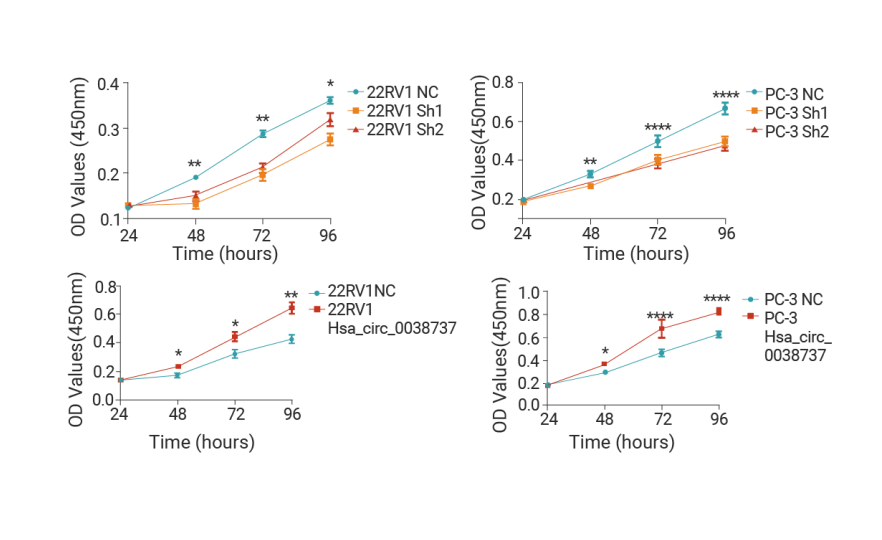
Essential for High-Impact Papers: Present Your CCK-8 Experimental Results in a More Outstanding Way!
2026-03-18
CCK-8 is a widely used WST‑8‑based reagent for cell proliferation and cytotoxicity assays. It features high sensitivity, reliable results and easy operation, and is applicable to cell viability analysis, drug screening and growth inhibition testing. -
 Scientific Reviews
In the hunt for the next ‘GLP-1,’ amylin therapeutics, which have shown strong weight-loss results in clinical trials, have become a major focus for both multinational pharma and the scientific community.
-
 Scientific Reviews
This paper elaborates on cytokines for culturing major immune cells, their regulatory roles, recombinant cytokines' merits and MCE’s related high-quality products.
-
 Scientific Reviews
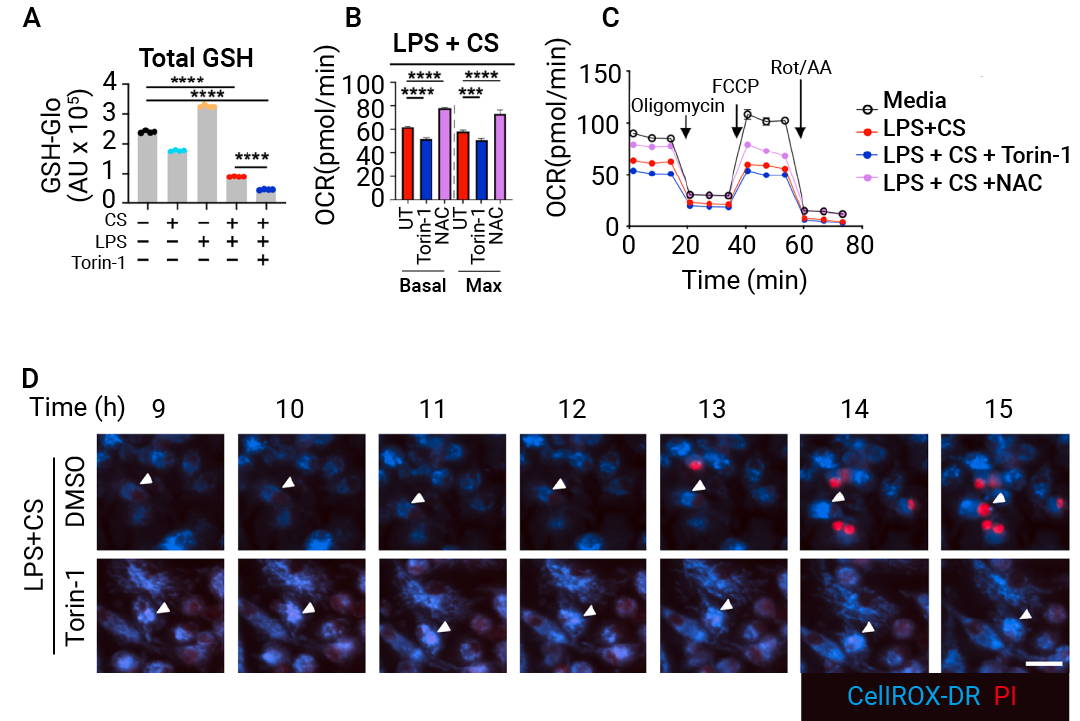
A November 2025 Cell study discovers Mitoxyperilysis, a new mTOR-regulated, caspase-independent cell death pathway driven by innate immune and metabolic dysregulation via mitochondrial-plasma membrane contact and oxidative damage, and verifies its potential to induce tumor necrosis for cancer therapy with key regulators including BAX, BAK1 and BID.
-
 EDM
This review outlines macrophage functions and classification, and provides practical experimental guidelines for macrophage differentiation, polarization, and identification.
-
 Scientific Reviews
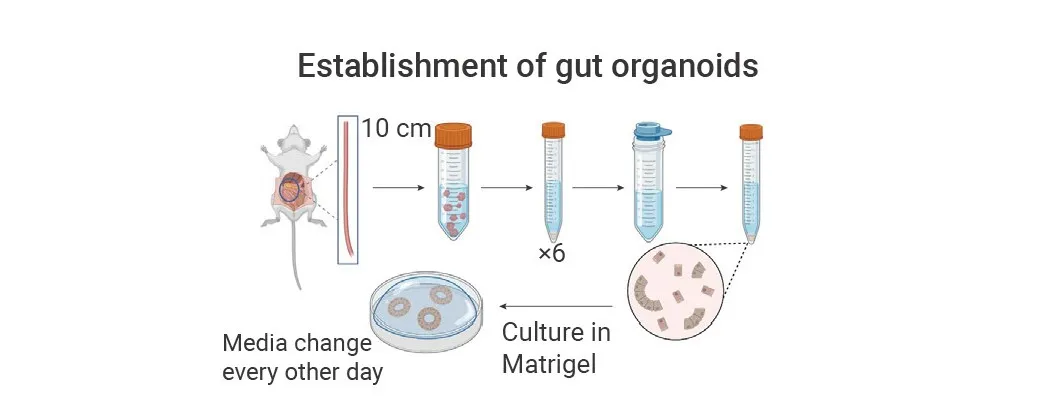
Efficient Generation of Mouse Small Intestinal Organoids: A Complete Experimental Protocol Guide
2025-12-10
How to successfully create mouse small intestine organoids? A detailed, hands-on guide to the entire process, all in one article! -
Scientific Reviews
Cracking the PROTAC Permeability Barrier: CD36-Mediated Endocytosis as a Potential Breakthrough2025-12-03
This article provides an in-depth analysis of cutting-edge literature revealing CD36 as a key mediator of cellular uptake for PROTACs and bRO5 compounds. By structurally optimizing PROTAC molecules to enhance their affinity for CD36, membrane permeability can be markedly improved, leading to significantly enhanced antitumor efficacy. -
 Scientific Reviews
Exosomes—natural nanoscale carriers—are revolutionizing targeted therapy. This article uncovers the science behind their precision in drug delivery.
-
Scientific Reviews
Microglia– the only immune cells within the brain parenchyma. With advancements in imaging technologies, people’s understanding of microglia has shifted from being viewed as 'resting' cells to 'highly active' cells, particularly due to their dynamic processes that seem to be probing surrounding tissues and monitoring neuronal activity. This has made microglia a focal point of research in the field of neuroscience. -
 Scientific Reviews
Finding adipogenic induction media too expensive and tricky to prepare? This comprehensive guide to 3T3-L1 adipogenic differentiation simplifies the process, helping you achieve great results!
-
 Scientific Reviews
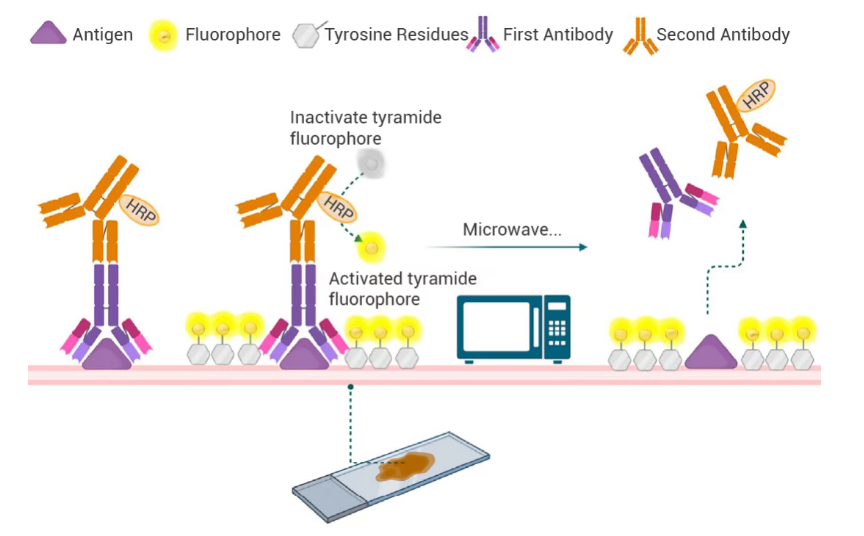
This detailed guide outlines the standardized experimental protocols for multiplex immunohistochemistry (mIHC), systematically summarizes common technical issues encountered during sample preparation, staining and imaging processes, and provides practical troubleshooting solutions to ensure reliable and reproducible results in biomedical research and clinical sample analysis.
-
 Scientific Reviews
A groundbreaking study in Nature Communications reveals the key mechanism behind Idiopathic Pulmonary Fibrosis and identifies an existing drug with the potential to counter it.
-
 Scientific Reviews
Generating Stable Cell Lines with Lentivirus
2025-09-16
A step-by-step protocol of establishing stable cell lines using lentivirus -
 EDM
This review summarizes the mechanisms of DSS-induced colitis, commonly used modeling approaches, and key considerations related to DSS molecular weight.
-
 Scientific Reviews
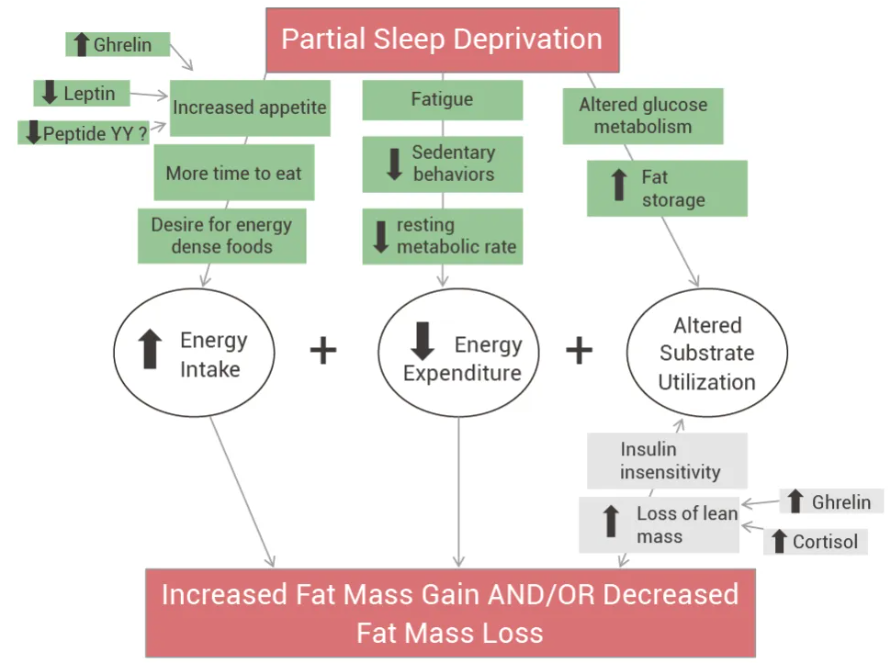
Have you ever noticed that after staying up late, your appetite—especially for high-calorie foods—gets out of control? If this sounds familiar, today’s article might offer some good news.
-
 Scientific Reviews
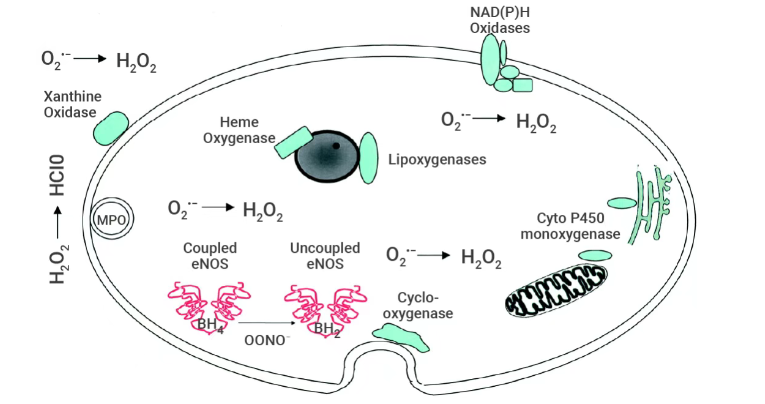
The article introduces the mechanisms of ROS generation and the methods for their detection.
-
 EDM
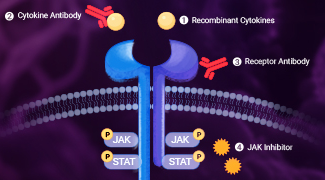
This review critically examines the role of the JAK-STAT pathway in immunity and autoimmune diseases, reviews current clinical applications of targeted therapies, and highlights emerging trends in autoimmune drug development.
-
 Scientific Reviews
In this issue, we will conduct an in-depth interpretation from the dimensions of nanoparticle design, mechanism of action, in vivo and in vitro efficacy, and immune regulation, revealing how this research brings new hope for the treatment of invasive tumors through interdisciplinary innovation!
-
 Scientific Reviews
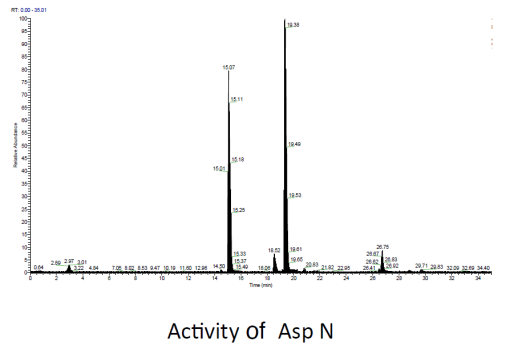
Do you feel confused when you start culturing cells? This article will show you the basic methods and steps of cell culture!
-
 Scientific Reviews
This article introduces some common cardiovascular disease models, inducers, modeling protocols and successful modeling cases in the research.
-
.jpg) Scientific Reviews
nside cells, the homeostasis and degradation of proteins is a precisely regulated process. If proteins cannot be degraded in time, it may lead to the occurrence of various diseases such as neurodegenerative diseases and cancer. This article will tell you the process of how proteins are recognized, labeled and then degraded!
-
 Scientific Reviews
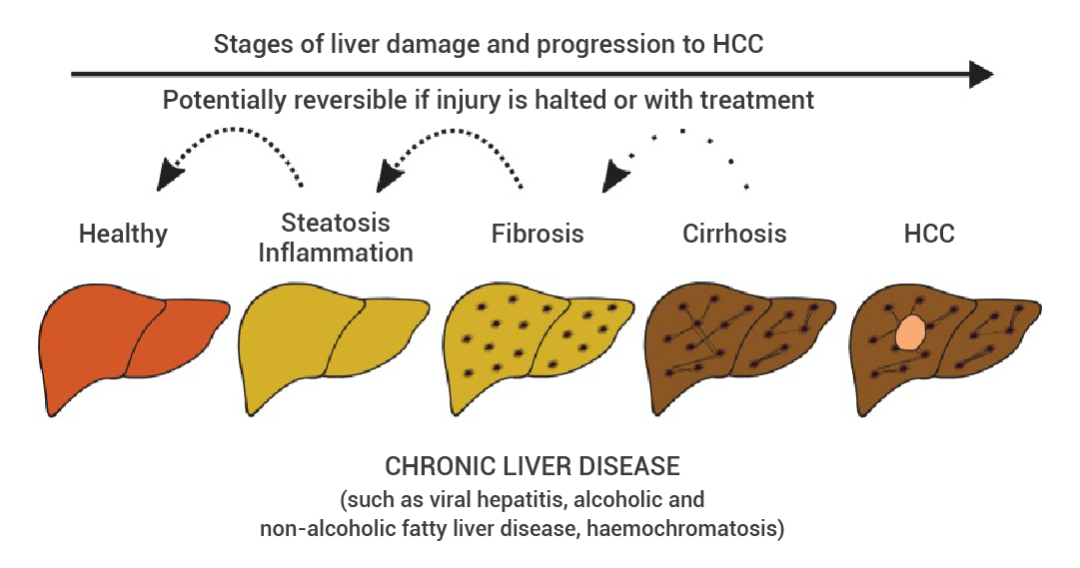
This article will tell you about the common methods of modeling liver disease in animal models.
-
 Scientific Reviews
Autophagy is a fundamental process that degrades various components within the cell.
-
 Scientific Reviews
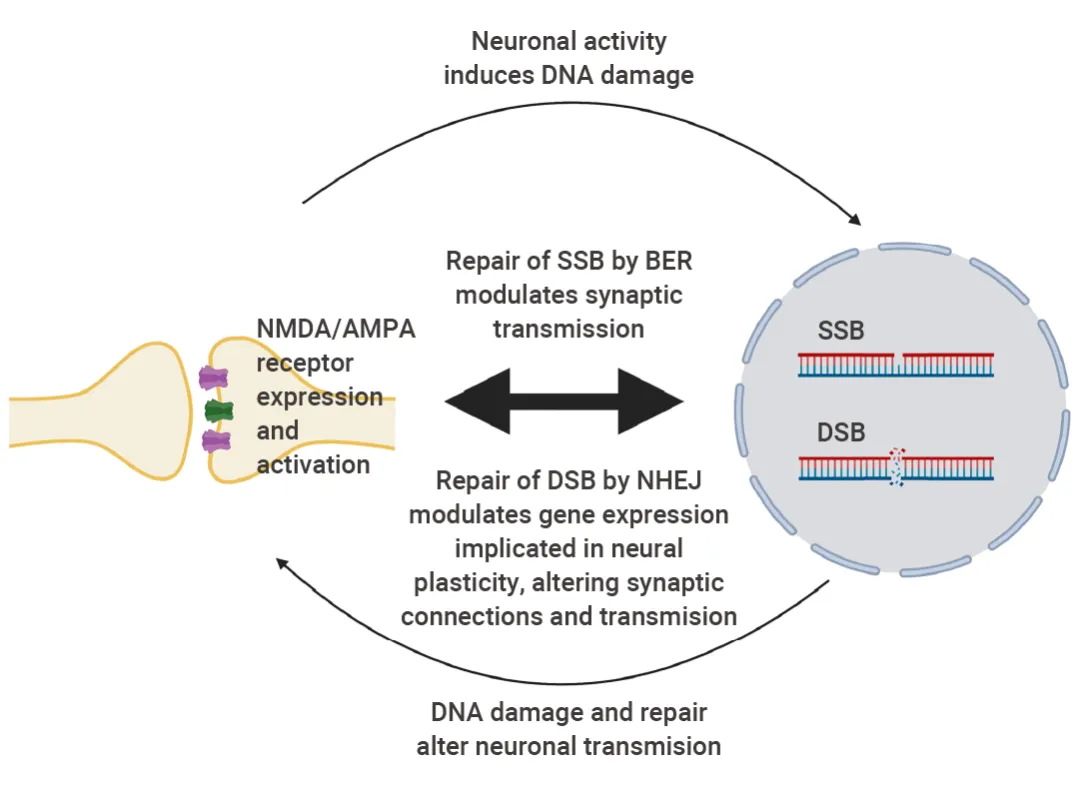
When you hear "inflammation" and "DNA damage," you might immediately think of disease or injury. However, in brains, these two processes are key steps in forming long-term memories, particularly related to specialized cells in our brain called hippocampal neurons.
-
 Scientific Reviews
Advancing Chronic Kidney Disease Research with GJ103 and Lamin B1 Antibody!
-
 Scientific Reviews
Unlocking the Power of Intermittent Fasting: The 16+8 Method
-
 Scientific Reviews
A New Form of Cell Death: PANoptosis!
-
Scientific Reviews
Delve into the intricate networks that govern mitochondrial quality control. By examining key mechanisms such as biogenesis, mitochondrial dynamics (fission and fusion), proteolysis, and mitophagy. -
 Scientific Reviews
How they used PKH 26 for cellular studies?
2024-10-21
We are thrilled to highlight our client study using PKH 26 (MedChemExpress) , a red fluorescent dye that has proven invaluable for in vitro cell labeling and tracing. This innovative research, published in the Journal of Nanobiotechnology. -
 Scientific Reviews
Cuproptosis's Knowledge Points!
2024-09-25
With the establishment of the cuproptosis mechanism related research has attracted more and more attention from major journals. Expect to use the sharp sword of cuproptosis to stab the tumor cells. -
 Scientific Reviews
Recently, Mol Cell reported the discovery of the first ferroptosis marker, Hyperoxidized PRDX3! Let’s take a look together~
-
 Scientific Reviews
Cuproptosis, How much do you know?
2024-08-22
Cells die in a variety of ways, including apoptosis, pyroptosis, necrosis, and ferroptosis......And, of course, cuproptosis. So, how much do you know about cuproptosis? -
 Scientific Reviews
Science’s 2023 Breakthrough: GLP-1R Agonists
2024-08-13
GLP-1RAs, which achieved great success in 2023 and draws people’s attention back to obesity treatments and GLP-1 therapies worldwide, was chosen as the breakthrough of year 2023 by Science [2]. -
 Scientific Reviews
Antibodies!
2024-07-26
Today, We introduce antibodies for everyone! -
 Scientific Reviews
Degrade target proteins through the autophagy-lysosome pathway including LYTAC, AUTAC, and ATTEC have gained increasing attention in recent years due to their significant research potential!
-
 Scientific Reviews
Exosomes, which won the Nobel Prize in 2013, are still a research hotspot in the national natural sciences, and their popularity has only increased over the past decade (in 2022, they still rank 5th in the national natural sciences hotspots!). Why have exosomes become the darling of scientific research? Let's take a look together~
-
 Scientific Reviews
STZ Induced Diabetes Models
2024-06-13
Spotlight: How can STZ Help Diabetes Research? -
 Scientific Reviews
Still struggling to find the preparation methods for various solutions? Save your time! Here comes a nanny-level tutorial!
-
 Scientific Reviews
Science | A "new" mechanism for non-ubiquitinated Midnolin-proteasomal degradation pathway
2024-04-26
“ubiquitin-mediated protein degradation” won the Nobel Prize in Chemistry in 2004! In fact, proteasomes degrade not only ubiquitinated proteins but also non-ubiquitinated ones. The mechanism remains shrouded in mystery. After reading this piece today, you might have a lightbulb moment! -
 Scientific Reviews
Katalin Karikó and Drew Weissman were awarded the Nobel Prize in Physiology or Medicine in 2023 for their groundbreaking work in nucleoside modification, which paved the way for the creation of successful mRNA vaccines to fight against COVID-19. Let's now delve into the complete process of mRNA vaccine development.
-
 Scientific Reviews
Are frozen cells always damaged? Is the survival rate of revived cells low? When is it appropriate to freeze cells? What should be considered when reviving them? Today, we're sharing a guide to avoid pitfalls in cell freezing and revival!
-
 Scientific Reviews
FDA Annual Review | Record-breaking number of new drug approvals in 2023!
-
 Scientific Reviews
IHC is an indispensable technique for studying tissue morphology and in situ antigen expression, but usually only one or two antigens in tissues can be stained for analysis. It cannot judge the results more intuitively. Today, Little M will introduce you to the upgraded version mlHC.
-
 Scientific Reviews
FDA Approved Drug List!
2023-09-14
In the first half of 2023 (as of June 27), the FDA approved 26 new drugs, let's take you learn about it through the article. -
 Scientific Reviews
WHO's Q2 drug list has been updated. Let's take you through the list of the most noteworthy small molecule drugs that we should pay attention to.
-
 Scientific Reviews
Organoid Culture: Questions & Answers
2023-07-26
In the last issue, we conducted a live lecture on the theme of organoid culture. Today, we have a special topic to solve your doubts in the last live class! -
 Scientific Reviews
HLA-E, A Novel Immune Checkpoint
2023-06-29
Immune checkpoints have immunosuppressive functions. It can be used in the research of tumor immunotherapy. In this article, we introduce a new paper entitled "Immune checkpoint HLA-E: CD94 - NKG2Amediates evasion of circulating tumor cells from NK cell surveillance "research paper. -
 Scientific Reviews
Structure of Lipid Droplets
2023-06-15
Huh? Lipid droplets? Organelles? In the past, biological data usually only show the traditional organelles, such as mitochondria, Golgi apparatus, endoplasmic reticulum, etc., lipid droplets are often not mentioned by people. Today, we will make a systematic explanation of lipid droplets, so that everyone has a clear understanding! -
 Scientific Reviews
Mitophagy:Mechanisms and Detection
2023-05-25
About 60 years ago, Christian de Duve first used the term "autophagy" to describe his observation of the degradation of mitochondria and other intracellular structures in lysosomes of rat liver. Over the years, autophagy has remained a beloved topic of research by the National Natural Science Foundation of China (NSFC).Today, let's talk about mitochondrial autophagy. -
 Scientific Reviews
Stem cell classification and its application
2023-05-18
Stem cells (SCs) have the unique ability to self-renew and differentiate into different cell types. SCs can differentiate into various types of tissue cells under specific conditions. Additionally, they can be further cultured to form different tissues and organs in the human body. Stem cells have numerous applications in various fields, including cell therapy, organ transplantation, neurodegenerative disease modeling, and drug screening. -
 Scientific Reviews
Necroptosis, also known as necroptosis, is a form of regulated necrotizing cell death mediated by RIP1 and RIP3 kinases. Necroptosis is a process that prevents the self-destruction of activated cells that are blocked by apoptosis. Necroptosis plays a tumor suppressor role in most cases. It may provide benefits in the researches of a variety of human diseases involving immune inflammation and cell death.
-
 Scientific Reviews
PROTAC - Design Strategy for Targeting
2023-04-23
Protein degradation targeting chimera (PROTAC) is a technology that uses the ubiquitin proteasome pathway to silent target protein. However, PROTAC still has problems such as solubility, membrane permeability, and selectivity. In this article, we have summarized three strategies for optimization: light-controlled linker, PAC molecule, and specific E3 ligase. -
 Scientific Reviews
The latest study of Cell magazine "Neural mechanism underlying depressive-like state associated with social status loss" considers social factors as a breakthrough point. It has been found that the downward transition of social status induces depression-like behavior in mice whereas improves the depressive state by restoring their social environment.
-
 Blog
Ruxolitinib is an orally-active JAK1/2 inhibitor. Ruxolitinib has the potential for the research of myeloproliferative neoplasm (MPN).
-
 Scientific Reviews
Mammalian cells can also photosynthesize like plants! Photosynthesis can improve cell anabolism and exhibit good clinical effect in degenerative diseases (osteoarthritis).
-
 Blog
Coibamide A is an N-methyl-stabilized cytotoxic depsipeptide with antiproliferative activity. Coibamide A induces autophagosome accumulation.
-
 Blog
YL-939 was a potent inhibitor of iron death and significantly improved liver injury in a model of iron death-related acute liver injury.
-
 Blog
FA16 is a specific and metabolically stable ferroptosis inducer. It inhibits system Xc-, results in tumor progression suppression.
-
 Blog
MMRi62, a Ferroptosis inducer targeting MDM2-MDM4. MMRi62 shows a P53-independent pro-apoptotic activity against PDAC cells.
-
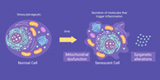 Scientific Reviews
Understanding the mechanism of aging not only has guiding significance for prolonging human life but also has important clinical significance for the prevention and treatment of diseases in the elderly population , thus, improving their life quality and well-being.
-
 Scientific Reviews
Efferocytosis is the process in which phagocytes remove programmed dead cells. It prevents secondary necrosis of dying cells from releasing harmful cell contents (such as oxides and proteases) that may cause inflammation. Here, we will introduce three stages of efferocytosis: Find, Eat, Digest.
-
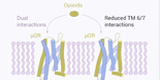 Scientific Reviews
As powerful pain relievers, the opioids morphine and fentanyl have been "checked" by their side effects (listed as controlled substances). How to reduce its side effects? What is its mechanism? This research will explore its mechanism.
-
 Scientific Reviews
TME (Tumor microenvironment) is considered as a complex integrated system, composed of cellular components such as tumor cells and immune cells, as well as non-cellular components such as ECM and cytokines. According to the spatial distribution of immune cells in TME, "hot" and "cold" TME will be explained in this article.
-
 Blog
Etrolizumab is a Gut-selective, Anti-β7 Integrin McAb for Inflammatory Bowel Disease (IBD) Research
2022-11-05
Etrolizumab is a gut-selective, anti-β7 integrin monoclonal antibody and has the potential for the research of inflammatory bowel disease. -
 Scientific Reviews
CMA (chaperone-mediated autophagy) plays an essential role in maintaining neuronal protein stability and preventing neurodegeneration. In this article, we will comprehensively clarify the role of CMA in the occurrence and development of neurodegenerative diseases.
-
 Scientific Reviews
Autophagy, derived from the Greek meaning "eating of self", plays an indispensable role in maintaining homeostasis. p27 is an inhibitor of cyclin CDKs, but how p27 regulates autophagy remains unknown. This article will cover the mechanism of autophagy and p27-related cell cycle regulation.
-
 Scientific Reviews
Organoids have great potential in research of organ development, disease modeling, drug screening and, precision and regenerative medicin. In this article, we will expalin the origin of the organoids. Adult stem cells (ASCs) or pluripotent stem cells (PSCs) , which is the better choice.
-
 Scientific Reviews
It's has been proved that p53, as a tumor suppressor gene and immune guardian, may become a destroyer through its own mutation. Moreover, the mechanism of p53 was found to be related to ferroptosis. This article mainly explores the mechanism between p53 and ferroptosis in detail.
-
 Scientific Reviews
A comprehensive explanation of ferroptosis
2022-09-15
Ferroptosis is a new type of RCD that depends on iron and characterized by the accumulation of lipid peroxides. In this article, we will pay our attention on ferroptosis and briefly discusses its mechanism. -
 Blog
LCS3 is a potent and reversible inhibitor of GSR and TXNRD1 with anti-tumour activity by non-competitive inhibition of the enzyme activity.
-
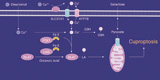 Scientific Reviews
Tsvetkov et al. published in Science and demonstrated a copper-induced programmed cell death — Cuproptosis. As a novel programmed cell death, excess copper triggers abnormal aggregation of lipoylated proteins in TCA cycle and clearance of Fe-S cluster proteins, ultimately leading to cell death.
-
 Blog
Pelecopan is a potent, selective, and orally active complement factor D inhibitor, possessing the potential to study paroxysmal nocturnal hemoglobinuria (PNH).
-
 Scientific Reviews
RNA therapeutics have changed the landscape of drug development, which possess broader spectrum of drug targets, simplicity and efficiency in development and manufacturing.In this article, we will discuss the underlying mechanisms of RNA-based drugs on the market or in clinical stages.
-
 Scientific Reviews
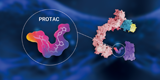
BacPROTACs is composed of a POI ligand, a chemical linker and a ClpCNTD anchor. BacPROTACs can induce in vitro and in vivo degradation of non-eukaryotic proteins in bacteria without the ubiquitin proteasome system.
-
 Scientific Reviews
Development of Intestinal Organoid
2022-07-28
3D organoid is one of the revolutionary developments in biomedical field during the past 10 years. The establishment of intestinal organoids is an important milestone in the development of organoid technology. -
Scientific Reviews
Organoids represent an important bridge between 2D cultures and in vivo mouse/human models. The organoid technology exerts enormous potential in evaluation of efficacy and toxicity of drugs, regenerative medicine, and precision medicine.In this article, we will briefly introduce organoid technology.
-
 Scientific Reviews
PROTAC — Target Selection and Design
2022-07-08
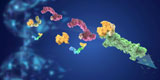
A PROTAC molecule consists of three components: a target protein binding ligand, an E3 ligase ligand, and a linker connecting these two moieties. Here, we will discuss the conventional approaches for the rational design of PROTAC molecules. -
 Scientific Reviews
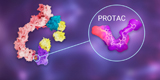
PROTAC, which exploit the ubiquitin-proteasome pathway to specifically degrade target proteins. PROTACs not only solve the problem of undruggability but they also have other advantages compared to traditional drug targeting strategies.
-
 Blog
BM213 is a selective C5aR1 agonist. It’s a useful research tool to study C5aR1 function
-
 Blog
AUTAC2 is a FKBP12-targeting autophagy-mediated degrader (AUTAC). AUTAC2 contains an FBnG and an SLF moiety.
-
 Blog
PX-12 is an irreversible inhibitor of Trx-1 and inhibits the growth, migration, and invasion of colorectal cancer cell lines.
-
 Blog
CL097 is a TLR7/8 agonist. CL097 induces pro-nflammatory cytokines. CL097 induces NADPH oxidase priming and efficient diabetogenic cytotoxic T lymphocyte (CTL) function in NOD mice.
-
 Blog
Zingerone is a natural orally active nontoxic methoxyphenol potent anti-inflammatory, antidiabetic, antioxidize, and anti-tumor properties.
-
 Blog
β-Lapachone, a topoisomerase I inhibitor, induces apoptosis by inhibiting cell cycle progression. β-Lapachone has anti-inflammatory effect.
-
 Blog
Alda-1 is a potent ALDH2 Agonist
2021-12-30
Alda-1 ameliorates H2O2-induced Achilles tendinopathy. Alda-1 could be used for preventing Achilles tendinopathy. -
 Blog
Trolox is an analogue of vitamin E with a powerful antioxidant effect. Trolox is also a powerful inhibitor of membrane damage.
-
 Blog
Spautin-1 is a specific and potent autophagy inhibitor which inhibits ubiquitin-specific peptidases, USP10 and USP13.
-
 Blog
Oltipraz is a Nrf2 Inhibitor
2021-11-18
Oltipraz is a potent Nrf2 activator. Oltipraz has an inhibitory effect on HIF-1α activation in a time-dependent manner, the IC50 is 10 μM. -
 Blog
IMD-0354 is a Selective IKKβ Inhibitor
2021-11-09
IMD-0354 is a selective IKKβ inhibitor and potently inhibits NF-κB activity. IMD0354 has antitumor activity. -
 Blog
Brusatol (NSC 172924) is a Nrf2 Inhibitor
2021-10-26
Brusatol inhibits the Nrf2 signaling pathway by reducing the protein level of Nrf2, with anticancer activities. -
 Blog
Elesclomol is an oxidative stress inducer that induces cancer cell apoptosis. Elesclomol is a reactive oxygen species (ROS) inducer.
-
 Blog
Ruxolitinib is a potent and selective JAK1/2 inhibitor and has 130-fold selectivity for JAK1/2 over JAK3. Ruxolitinib induces autophagy.
-
 Blog
Lumiracoxib is a COX-2 inhibitor. Lumiracoxib acts as nonselective NSAID with anti-inflammatory, analgesic and antipyretic activities.
-
 Blog
Butaprost is a selective prostaglandin E receptor (EP2) agonist. Butaprost can effectively mitigate kidney fibrogenesis in various fibrosis models.
-
 Blog
SB-332235 is a potent, orally active nonpeptide CXCR2 antagonist. SB-332235 inhibits acute and chronic models of arthritis in the rabbit.
-
 Blog
LYN-1604 is a Potent ULK1 Activator
2021-04-24
LYN-1604, a potent ULK1 activator, induces cell death involved in ATF3, RAD21, and caspase3, accompanied by autophagy and apoptosis. -
 Blog
YUM70 inhibits GRP78. Induces endoplasmic reticulum stress-mediated apoptosis. Pancreatic cancer. Acts as a novel anticancer agent.
-
 Blog
CC-90001 is a potent, selective, and orally active inhibitor of JNK. CC-90001 can be used for the research of idiopathic pulmonary fibrosis (IPF).
-
 Blog
DMU-212 Possesses Antimitotic, Anti-Proliferative, Antioxidant and Apoptosis Promoting Activities
2020-12-24
Activation of ERK1/2 is required for the antimitotic activity of the Resveratrol analogue DMU‐212 in human melanoma cells. -
 Blog
ML132, a potent and selective caspase 1 inhibitor with a unique selectivity pattern, is responsible for the proteolytic activation of IL-1β and IL-18.
-
 Blog
BMS-P5 is an Orally Active PAD4 Inhibitor
2020-12-12
BMS-P5 is an orally active PAD4 inhibitor. BMS-P5 blocks MM-induced NET formation and delays progression of MM in a syngeneic mouse model -
 Blog
CAY10404 is a potent and highly selective COX-2 inhibitor. CAY10404 is a potent inhibitor of PKB/Akt and MAPK signalling pathways.
-
 Blog
RA375, a RPN13 inhibitor, inhibits proteasome function in muscle. RA375 is highly active against cell lines of multiple myeloma and diverse solid cancers.
-
 Blog
GSK621 is a potent and specific AMPK activator and induces autophagy and apoptosis in acute myeloid leukemia (AML) cells.
-
 Blog
GSK143 is an orally active and highly selective spleen tyrosine kinase (SYK) inhibitor. GSK143 reduces inflammation in the intestinal muscularis in mice.
-
 Blog
HM03 is a potent and selective HSPA5 inhibitor with anticancer activity. HSPA5 plays a key role in monitoring protein transport through the cell.
-
 Blog
iFSP1 is a potent, selective FSP1inhibitor that induces ferroptosis in GPX4-knockout cells which overexpressed FSP1.
-
 Scientific Reviews
SARS-CoV-2 contains four main structural proteins: spike (S), membrane (M), envelope (E), and nucleocapsid (N) proteins. All the proteins and subcellular structures of CoVs are promising targets for SARS-CoV-2 research.
-
 Blog
ADH-503 is an orally active and allosteric CD11b agonist and leads to the repolarization of tumor-associated macrophages.
-
 Blog
BAY-985 is an orally active and selective ATP-competitive dual inhibitor of TBK1 and IKKε with IC50s of 2/30 and 2 nM for TBK1 and IKKε, respectively.
-
 Blog
GPP78 is a potent Nampt inhibitor. GPP78 is cytotoxic to neuroblastoma cell line SH-SY5Y cells. GPP78 has anti-cancer and anti-tumor activity.
-
 Blog
CA-4948 is a Selective and Orally Bioavailable IRAK4 Kinase Inhibitor for Lymphoma Treatment
2020-01-05
CA-4948 is a potent, selective and orally bioavailable IRAK4 kinase inhibitor. CA-4948 can be used for the treatment of lymphoma. -
 Blog
CH6953755 is a potent, orally active and selective YES1 kinase inhibitor leading to antitumor activity against YES1 Gene -amplified cancers.
-
 Blog
UK 356618 is a Selective MMP-3 Inhibitor
2019-12-25
UK 356618 is a selective and potent inhibitor of MMP-3. UK 356618 exhibits potent anti-inflammatory and anti-cancer activity. -
 Blog
BI-167107 is a high affinity, full agonist that binds to the β2 adrenergic receptor (β2AR) with a dissociation constant Kd of 84 pM.
-
 Blog
DVD-445 is a potent peptidomimetic covalent TrxR1 inhibitor with an IC50 of 0.60 μM for rat TrxR1. DVD-445 has good anticancer application.
-
 Blog
CA-5f is a potent late-stage macroautophagy (autophagy) inhibitor via inhibiting autophagosome-lysosome fusion. CA-5f increases LC3B-II and SQSTM1 protein.
-
 Blog
TPCA-1, a Direct Dual Inhibitor of STAT3 and NF-κB, Regresses Mutant EGFR-Associated NSCLC
2019-07-15
TPCA-1 is a potent and selective inhibitor of IKK-2 with IC50 of 17.9 nM. TPCA-1 is an effective inhibitor of STAT3 phosphorylation, DNA binding. -
 Blog
SBI-0206965 is a selective and cell permeable autophagy kinase ULK1 inhibitor with IC50s of 108 nM for ULK1 and 711 nM for the highly related kinase ULK2 .
-
 Blog
CCT020312, the G1/S checkpoint activator, is a selective EIF2AK3/PERK activator. CCT020312 elicits EIF2A phosphorylation in cells.
-
 Blog
MRT67307, a dual IKKε/TBK1 inhibitor, inhibits ULK1 and ULK2 with IC50s of 45 and 38 nM, respectively. MRT67307 blocks mTOR-dependent autophagy.
-
 Blog
S18-000003 is a potent, selective and orally active inhibitor of retinoic acid receptor-related orphan receptor-gamma-t (RORγt). S18-000003 ameliorates psoriasis-like lesions in vivo. S18-000003 can be used for the research of skin inflammatory diseases.
-
 Blog
S130, Targeting ATG4B, Inhibits Autophagy and Activates Apoptosis in Colorectal Colon Cancer
2019-06-19
S130 is a high affinity, selective inhibitor of ATG4B (a major cysteine protease) with an IC50 of 3.24 µM. S130 suppresses autophagy flux. -
 Blog
BAY-11-7082 inhibits the proliferation and induces the apoptosis of U266 cells through inhibiting NF-κB pathway. BAY 11-7082 ameliorates experimental diabetic neuropathy by modulating neuroinflammation and improving antioxidant defence.
-
 Blog
Ralimetinib (LY2228820) is a selective and ATP-competitive inhibitor of p38 MAPK α/β, with IC50s of 5.3 and 3.2 nM, respectively. Anti-tumor activity.
-
 Blog
JMS-17-2 is a CX3CR1 Antagonist
2019-06-12
JMS-17-2 is a potent and selective CX3CR1 antagonist with an IC50 of 0.32 nM. Has potential to treat cancers such as breast cancer. -
 Blog
GSK3145095 is a RIP1 kinase inhibitor with an IC50 of 6.3 nM. Potently blocks the TNF response and RIP1-dependent inflammatory cytokine MIP-1β production.
-
 Blog
SLLN-15 is an oral activ enhancer of autophagy that activates cytostatic macroautophagy/autophagy in triple-negative breast cancer (TNBC).
-
 Blog
TAK-828F is a potent, selective and orally active retinoic acid receptor-related orphan receptor γt (RORγt) inverse agonist. TAK-828F inhibits IL-17A cytokine expression and reduces symptoms of autoimmune encephalomyelitis mice.
-
 Blog
BTR-1 potently inhibits cell growth. It induces S phase arrest, affects DNA replication. Dose-dependently induces cytotoxicity in leukemic cell lines.
-
 Blog
Multiple Tyrosine Kinases Inhibitor TAS-115
2019-04-19
TAS-115 is a potent VEGFR and c-Met/HGFR-targeted kinase inhibitor with IC50s of 30 and 32 nM for rVEGFR2 and rMET, respectively. -
 Blog
PRN1008 is a Reversible Covalent and Oral Active Inhibitor of Bruton’s Tyrosine Kinase (BTK)
2019-04-18
PRN1008 is a selective, reversible covalent and oral active inhibitor of Bruton’s Tyrosine Kinase (BTK), with an IC50 of 1.3 nM. -
 Blog
IITZ-01 is a potent lysosomotropic autophagy inhibitor with single-agent antitumor activity, with an IC50 of 2.62 μM for PI3Kγ.
-
 Blog
HS-1371 is a Small Molecule RIP3 Inhibitor
2019-04-09
HS-1371 is a novel kinase inhibitor of RIP3-mediated necroptosis, showing an inhibitory effect on S227 auto-phosphorylation of RIP3 at the basal level.
Products
All
-
All
-
Inhibitors & Agonists
-
Isotope-Labeled Compounds
-
Fluorescent Dye
-
Peptides
-
Recombinant Proteins
-
Antibodies
-
Screening Libraries
-
Kits
-
Inhibitory Antibodies
-
Reference Standards
-
Induced Disease Models Products
-
GMP Small Molecules
-
Enzyme
-
Biochemical Assay Reagents
-
Natural Products
| Cat. No. | Product Name | Information | Application | Publication |
|---|---|---|---|---|
| HY-13417A | AICAR phosphate |
Colorectal Cancer
Liver Cancer
Pancreatic Cancer
Pain
Digestive System Inflammation
SARS-CoV-2 Infection
Obesity
Lung Fibrosis
|
234
|
|
| HY-K0208 | Streptavidin Magnetic Beads |
MCE Streptavidin Magnetic Beads provide a fast and convenient method for numerous applications, including purification of proteins and nucleic acids, protein interaction studies, immunoprecipitation, immunoassays, pull-down and cell isolation. The 1 mL is defined as the base specification. All larger sizes correspond to incremental volumes of this base. |
|
232
|
| HY-50895 | Gefitinib |
Gefitinib (ZD1839) is a potent, selective and orally active EGFR tyrosine kinase inhibitor with an IC50 of 33 nM. Gefitinib selectively inhibits EGF-stimulated tumor cell growth (IC50 of 54 nM) and that blocks EGF-stimulated EGFR autophosphorylation in tumor cells. Gefitinib also induces autophagy and cell apoptosis, which can be used for cancer related research, such as Lung cancer and breast cancer .
|
Colorectal Cancer
Prostate Cancer
Liver Cancer
Pancreatic Cancer
Ovarian Cancer
Lipid Metabolism
Non-Small Cell Lung Cancer
Lung Adenocarcinoma
Metastatic Breast Cancer
SARS-CoV-2 Infection
|
229
|
| HY-15772 | Osimertinib |
Osimertinib (AZD9291) is a covalent, orally active, irreversible, and mutant-selective EGFR inhibitor with an apparent IC50 of 12 nM against L858R and 1 nM against L858R/T790M, respectively. Osimertinib overcomes T790M-mediated resistance to EGFR inhibitors in lung cancer.
|
Lung Cancer
Colorectal Cancer
Prostate Cancer
Liver Cancer
Pancreatic Cancer
Ovarian Cancer
Glucose Metabolism
SARS-CoV-2 Infection
Hepatitis C Virus Infection
Obesity
|
214
|
| HY-50896 | Erlotinib |
Erlotinib (CP-358774) is a selective, orally active EGFR tyrosine kinase inhibitor. Erlotinib also acts as a substrate and inhibitor of OATP2B1, with an IC50 of approximately 0.079 μM for inhibiting OATP2B1-mediated uptake of estrone 3-sulfate. Erlotinib blocks EGFR phosphorylation, downstream signal transduction, as well as the growth and proliferation of cancer cells. Erlotinib inhibits MMP-10-mediated renal injury, fibrotic lesions, the ERK1/2, GSK-3β and β-catenin signaling pathways, fibronectin, α-SMA, collagen deposition, and renal injury markers. Erlotinib is metabolized via CYP3A to produce the active metabolite OSI-420. Erlotinib can be used in research related to non-small cell lung cancer, gastric cancer, papillary renal cell carcinoma, pancreatic cancer, renal fibrosis, and other conditions.
|
|
154
|
| HY-L009 | Kinase Inhibitor Library |
Kinase is an enzyme that adds phosphate groups to other molecules. This process is known as phosphorylation. Protein phosphorylation is a key aspect in the regulation of a large number of cellular processes including cellular division, metabolism, signal transduction, and so on. There are over 500 kinases encoded by the human genome and it has been estimated that kinases regulate approximately 50% of cellular functions. Kinases are a large group of drug targets in drug discovery. Kinase inhibitors are an important class of drugs that block certain enzymes involved in diseases such as cancer and inflammatory disorders.
Kinase inhibitor library designed by MCE contains 4,033 kinase inhibitors and regulators mainly targeting protein kinases (VEGFR, EGFR, BTK, CDK, Akt, etc.), lipid kinases (PI3K, PI4K, SK, etc.) and carbohydrate kinases (Hexokinase), and is a useful tool for kinase drug discovery and related research.
|
|
139
|
| HY-10261 | Afatinib |
Afatinib (BIBW 2992) is an orally active, potent and irreversible dual specificity inhibitor of ErbB family (EGFR and HER2), with IC50 values of 0.5 nM, 0.4 nM, 10 nM and 14 nM for EGFRwt, EGFRL858R, EGFRL858R/T790M and HER2, respectively. Afatinib can be used for the research of esophageal squamous cell carcinoma (ESCC), non-small cell lung cancer (NSCLC) and gastric cancer.
|
Lung Cancer
Breast Cancer
Colorectal Cancer
Prostate Cancer
Gastric Cancer
Liver Cancer
Leukemia/Lymphoma/Myeloma
Pancreatic Cancer
Ovarian Cancer
Neurodegenerative Disease
Depression
Pain
Digestive System Inflammation
Hepatitis C Virus Infection
Obesity
Lung Fibrosis
Rheumatoid Arthritis
|
117
|
| HY-19696B | Tauroursodeoxycholate dihydrate |
Tauroursodeoxycholate dehydrate is an orally active taurine conjugate of Ursodeoxycholic acid (HY-13771). Tauroursodeoxycholate dehydrate inhibits caspase-3/7, Apoptosis, IRE1α/TRAF2/NF-κB, prevents JNK phosphorylation, inhibits ROS generation, and activates Akt signaling. Tauroursodeoxycholate dehydrate prevents cataract formation, reduces renal tubular damage in type 2 diabetic mice, reduces I/R injury in liver, and inhibits intestinal inflammation and barrier disruption in nonalcoholic fatty liver disease.
|
Breast Cancer
Prostate Cancer
Liver Cancer
Leukemia/Lymphoma/Myeloma
Pancreatic Cancer
Ovarian Cancer
Viral Infection
Depression
Pain
Digestive System Inflammation
Glucose Metabolism
Parkinson's Disease
Obesity
Lung Fibrosis
|
114
|
| HY-L007 | Immunology/Inflammation Compound Library |
The immune system is a host defense system comprising many biological structures and processes within an organism that protects against disease. To function properly, an immune system must detect a wide variety of agents, known as pathogens, from viruses to parasitic worms, and distinguish them from the organism's own healthy tissue. Inflammation is also the body's attempt at self-protection to remove harmful stimuli and begin the healing process. It’s part of the body's immune response. The immune system recognizes damaged cells, irritants, and pathogens, and inflammation begins the healing process. Inflammatory abnormalities are a large group of disorders that underlie a vast variety of human diseases. The immune system is often involved with inflammatory disorders, demonstrated in both allergic reactions and some myopathies, with many immune system disorders resulting in abnormal inflammation.
MCE designs a unique collection of 8,743 compounds that are useful tool for Immunology/Inflammation research or autoimmune inflammatory diseases drug discovery.
|
|
104
|
| HY-50898 | Lapatinib |
Neurological, Eye or Ear Disease
Lung Cancer
Colorectal Cancer
Prostate Cancer
Gastric Cancer
Liver Cancer
Pancreatic Cancer
Ovarian Cancer
HER-2 Positive Breast Cancer
Metastatic Breast Cancer
SARS-CoV-2 Infection
Hepatitis C Virus Infection
Obesity
|
103
|
|
| HY-L089 | Mitochondria-Targeted Compound Library |
Mitochondria plays an important role in many vital processes in cells, including energy production, fatty-acid oxidation and the Tricarboxylic Acid (TCA) cycle, calcium signaling, permeability transition, apoptosis and heat production. At present, it is recognized that many diseases are associated with impaired mitochondrial function, such as increased accumulation of ROS and decreased OXPHOS and ATP production. Mitochondria are recognized as one of the most important targets for new drug design in cancer, cardiovascular, and neurological diseases, etc. Some small molecule drugs or biologics can act on mitochondria through various pathways, including ETC inhibition, OXPHOS uncoupling, mitochondrial Ca2+ modulation, and control of oxidative stress via decrease or increase of mitochondrial ROS accumulation.
MCE supplies a unique collection of 1,197 mitochondria-targeted compound that mainly targeting Mitochondrial Metabolism, ATP Synthase, Mitophagy, Reactive Oxygen Species, etc. MCE Mitochondria-Targeted Compound Library is a useful tool for mitochondria-targeted drug discovery and related research.
|
|
103
|
| HY-L010 | MAPK Compound Library |
MAPK families play an important role in complex cellular programs like proliferation, differentiation, development, transformation, and apoptosis. In mammalian cells, four MAPK families have been clearly characterized: ERK1/2, C-Jun N-terminal kinse/stress-activated protein kinase (JNK/SAPK) , p38 kinase and ERK5. They respond to different signals. Each MAPK-related cascade consists of three enzymes that are activated in series: a MAPK kinase kinase (MAPKKK), a MAPK kinase (MAPKK) and a MAP kinase (MAPK). MAPK signaling pathways has been implicated in the development of many human diseases including Alzheimer's disease (AD), Parkinson's disease (PD), amyotrophic lateral sclerosis (ALS) and various types of cancers.
MCE designs a unique collection of 1,182 MAPK signaling pathway inhibitors that act as a useful tool for MAPK-related drug screening and disease research.
|
|
102
|
| HY-L031 | Small Molecule Immuno-Oncology Compound Library |
Immuno-Oncology is a type of immunotherapy that has the specific purpose of treating cancer. It works by stimulating our immune system to fight back. Normally, our immune system is able to destroy cancer cells in our body, however sometimes cancer cells can adapt and mutate, effectively hiding from our immune system. This is when tumors can develop and become a threat to our health. Immuno-oncology involves mobilizing lymphocytes to recognize and eliminate cancer cells using the body’s immune system. There are several immuno-oncology treatments available, including Immune cell therapy (CAR-T), monoclonal antibodies (mABs) and checkpoint inhibitors, cytokines and cancer vaccines.
MCE Small Molecule Immuno-Oncology Compound Library offers 840 bioactive tumor immunology compounds that target some important checkpoints such as PD1/PD-L1, CXCR, Sting, IDO, TLR, etc. This library is a useful tool for Immuno-oncology research.
|
|
102
|
| HY-L008 | JAK/STAT Compound Library |
The Janus kinase (JAK)/signal transducer and activator of transcription (STAT) pathway is central to signaling by cytokine receptors, a superfamily of more than 30 transmembrane proteins that recognize specific cytokines, and is critical in blood formation and immune response. Canonical JAK/STAT signaling begins with the association of cytokines and their corresponding transmembrane receptors. Activated JAKs then phosphorylate latent STAT monomers, leading to dimerization, nuclear translocation, and DNA binding. In mammals, there are four JAKs (JAK1, JAK2, JAK3, TYK2) and seven STATs (STAT1, STAT2, STAT3, STAT4, STAT5a, STAT5b, STAT6). Since the JAK/STAT pathway plays a major role in many fundamental processes, such as apoptosis and inflammation, dysfunctional proteins in the pathway may lead to a number of diseases. For example, alterations in JAK/STAT signalling can result in cancer and diseases affecting the immune system, such as severe combined immunodeficiency disorder (SCID).
MCE provides 747 compounds that can be used in the study of the JAK/STAT signaling pathway and related diseases.
|
|
100
|
| HY-L017 | Stem Cell Signaling Compound Library |
Adult stem cells are important for tissue homeostasis and regeneration due to their ability to self-renew and generate multiple types of differentiated daughters. Self-renewal is reflected by their capacity to undergo multiple/limitless divisions. Several signaling pathways are involved in self-renewal of stem cells, that is, Notch, Wnt, and Hedgehog pathways or Polycomb family proteins. Recent studies mainly focus on cancer stem cell (CSCs), induced pluripotent stem cell (iPSCs), neural stem cell and maintenance of embryonic stem cell pluripotency. Among them, CSCs have been believed to be responsible for tumor initiation, growth, and recurrence that have implications for cancer therapy.
MCE owns a unique collection of 2,970 compounds that can be used for stem cell regulatory and signaling pathway research.
|
|
100
|
| HY-L109 | Protein-protein Interaction Inhibitor Library |
Protein protein interactions (PPI) have pivotal roles in life processes. The studies showed that aberrant PPI are associated with various diseases, including cancer, infectious diseases, and neurodegenerative diseases. The classic drug targets are usually enzymes, ion channels, or receptors, the PPI indicate new potential therapeutic targets. Therefore, targeting PPI is a new direction in treating diseases and an essential strategy for the development of new drugs.
However, the design of modulators targeting PPI still faces tremendous challenges, such the difficult PPI interfaces for the drug design, lack of ligands reference, lack of guidance rules for the PPI modulators development and high-resolution PPI proteins structures.
With the development of high-throughput technology, high-throughput screening is also gradually used for the identification of PPI inhibitors, but the compound library used for conventional target screening is not very effective in screening PPI inhibitors. To improve screening efficiency, MCE carefully selected 836 PPI inhibitors and mainly targeting MDM2-p53, Keap1-Nrf2, PD-1/PD-L1, Myc-Max, etc. MCE Protein-protein Interaction Inhibitor Library is a useful tool for PPI drug discovery and related research.
|
|
100
|
| HY-L014 | NF-κB Signaling Compound Library |
Nuclear factor-κB (NF-κB)/Rel proteins include NF-κB2 p52/p100, NF-κB1 p50/p105, c-Rel, RelA/p65, and RelB. These proteins function as dimeric transcription factors that regulate the expression of genes and influence a broad range of biological processes including innate and adaptive immunity, inflammation, stress responses, B-cell development, and lymphoid organogenesis. NF-κB plays a key role in regulating the immune response to infection. In addition, activation of the NF-κB pathway is involved in the pathogenesis of chronic inflammatory diseases, such as asthma, rheumatoid arthritis, and inflammatory bowel disease. Incorrect regulation of NF-κB has been linked to cancer, inflammatory and autoimmune diseases, septic shock, viral infection, and improper immune development.
MCE owns a unique collection of 1,840 small molecule compounds that can be used in the research of NF-κB signaling pathway or high throughput screening (HTS) related drug discovery.
|
|
99
|
| HY-L037 | Antioxidant Compound Library |
Oxidative stress is an imbalance of free radicals and antioxidants in the body, which can lead to cell and tissue damage. Oxidative stress can be responsible for the induction of several diseases, both chronic and degenerative, as well as speeding up body aging process and cause acute pathologies. Antioxidants are a class of compounds able to counteract oxidative stress and mitigate its effects on individuals’ health, gained enormous attention from the biomedical research community. Antioxidants have long been substantial and amenable therapeutic arsenals for multifarious diseases such as AD and cancer.
MCE Antioxidant Compound Library contains 2,528 compounds that act as antioxidants for high throughput screening (HTS) and high content screening (HCS). This library is a useful tool for discovery new antioxidants and oxidative stress research.
|
|
99
|
| HY-L077 | Anti-Pancreatic Cancer Compound Library |
Pancreatic cancer is a devastating disease with a low overall survival rate. Chemotherapy is the most common treatment for patients presenting with advanced pancreatic cancer. More recently, the era of targeted therapies has generated a lot of interest in discovering better approaches for patients with pancreatic cancer. Commonly mutated genes in pancreatic cancer include K-ras (in 74-100% of cases), p16INK4a (up to 98%), p53 (43 to 76%), DPC4 (about 50%), HER-2/neu (in about 65%) and FHIT (found in 70% of cases). Other genes involved are notch1, Akt-2, BRCA2 and COX-2. These proteins are important targets of target therapies for pancreatic cancer.
MCE offers a unique collection of 4,389 compounds with identified and potential anti- pancreatic cancer activity. These compounds target K-Ras, p53, HER2, Notch, AKT, etc. MCE anti-pancreatic cancer compound library is a useful tool for anti-pancreatic cancer drugs screening and other related research.
|
|
99
|
| HY-L016 | Protein Tyrosine Kinase Compound Library |
Protein tyrosine kinases (PTKs) are key signaling molecules and important drug targets. Two classes of PTKs are present in cells: the transmembrane receptor PTKs (RTKs) and the nonreceptor PTKs. The RTK family includes the receptors for insulin and for many growth factors, such as EGFR, FGFR, PDGFR, VEGFR, and NGFR. RTKs are transmembrane glycoproteins that are activated by the binding of their ligands, and they transduce the extracellular signal to the cytoplasm by phosphorylating tyrosine residues on the receptors themselves (autophosphorylation) and on downstream signaling proteins. Their principal functions of PTKs involve the regulation of multicellular aspects of the organism. Cell to cell signals concerning growth, differentiation, adhesion, motility, and death are frequently transmitted through tyrosine kinases. In humans, tyrosine kinases have been demonstrated to play significant roles in the development of many disease states, including diabetes and cancers.
MCE designs a unique collection of 1,705 compounds that act as a useful tool for PTKs-related drug screening and disease research.
|
|
98
|
| HY-L033 | Peptidomimetic Library |
Peptidomimetics are compounds whose essential elements (pharmacophore) mimic a natural peptide or protein in 3D space and which retain the ability to interact with the biological target and produce the same biological effect. Peptidomimetics are designed to circumvent some of the problems associated with a natural peptide: e.g. stability against proteolysis (duration of activity) and poor bioavailability. Certain other properties, such as receptor selectivity or potency, often can be substantially improved. The design and synthesis of peptidomimetics are most important because of the dominant position peptide and protein-protein interactions play in molecular recognition and signaling, especially in living systems. Hence mimics have great potential in drug discovery.
MCE Peptidomimetic Library contains 371 compounds including peptoid, α-helix mimetics, β-turn/sheets mimetics, etc. This library is an indispensable tool of structure-activity relationships in drug discovery.
|
|
98
|
| HY-L040 | Anti-diabetic Compound Library |
Diabetes mellitus, usually called diabetes, is a group of metabolic disorders characterized by a high blood sugar level over a prolonged period of time. The most common types are Type I and Type II. Type I diabetes (T1D), also called juvenile onset diabetes mellitus or insulin-dependent diabetes mellitus, is characterized by destruction of the β-cells of the pancreas and insulin is not produced, whereas type II diabetes (T2D), also called non-insulin-dependent diabetes mellitus, is characterized by a progressive impairment of insulin secretion and relative decreased sensitivity of target tissues to the action of this hormone. Type 2 diabetes accounts for the vast majority of all diabetes mellitus. Diabetes of all types can lead to complications in many parts of the body and can increase the overall risk of dying prematurely. Possible complications include kidney failure, leg amputation, vision loss and nerve damage.
The pathogenesis of diabetes is complicated, and development of the safe and effective drugs against diabetes is full of challenge. Increasing studies have confirmed that the pathogenesis of diabetes is related to various signaling pathways, such as insulin signaling pathway, AMPK pathway, PPAR regulation and chromatin modification pathways. These signaling pathways have thus become the major source of the promising novel drug targets to treat metabolic diseases and diabetes.
MCE Anti-diabetic Compound Library owns a unique collection of 1,194 compounds, which mainly target SGLT, PPAR, DPP-4, AMPK, Dipeptidyl Peptidase, Glucagon Receptor, etc. This library is a useful tool for discovery anti-diabetes drugs.
|
|
98
|
| HY-L075 | Anti-Lung Cancer Compound Library |
Lung cancer is a major global health problem, as it is the leading cause of cancer-related deaths worldwide. Lung cancer is divided into two categories: small cell lung cancer and non-small cell lung cancer (NSCLC). Non-small cell lung cancer accounts for about 85 percent of lung cancers.
As with all cancers, lung cancer may be treated with surgery, chemotherapy, radiation therapy, targeted therapy, immunotherapy or a combination thereof. Targeted therapy is one of the most exciting developments in lung cancer medicine, especially for NSCLC. Extensive genomic characterization of NSCLC has led to the identification of molecular subtypes of NSCLC that are oncogene addicted and exquisitely sensitive to targeted therapies. These include activating mutations in epidermal growth factor receptor (EGFR) and BRAF or echinoderm microtubule-associated protein-like 4 (EML4)-anaplastic lymphoma kinase (ALK) fusions and ROS1 receptor tyrosine kinase fusions. These are important targets for target therapy.
MCE offers a unique collection of 3,099 compounds with identified and potential anti-lung cancer activity. These compounds target lung cancer’s major targets and signaling pathways. MCE anti-lung cancer compound library is a useful tool for anti-lung cancer drugs screening and other related research.
|
|
98
|
| HY-L080 | Targeted Therapy Drug Library |
Targeted cancer therapies are drugs or other substances that block the growth and spread of cancer by interfering with specific molecular targets that are involved in the growth, progression, and spread of cancer.
There are several different types of targeted therapy. The most common types are small-molecule drugs and monoclonal antibodies. Small-molecule drugs are small enough to enter cells easily, so they are used for targets that are inside cells, while monoclonal antibodies are usually used for targets that are located outside the cells. Because of high specificity, low side effect and potent anticancer activity, targeted therapy has become the mainstream of new anti-tumor drugs. Various targeted therapies have been approved by FDA and used in the treatment of diseases.
MCE carefully collects a unique of 107 targeted therapy drugs used in cancer treatment. MCE Targeted therapy drug library is a useful tool for the research of targeted therapy.
|
|
98
|
| HY-L151 | PROTAC Library |
PROTACs (Proteolysis-targeting chimeras) is a class of molecules that utilize ubiquitin-proteasome system (UPS) to ubiquitinate and degrade target proteins. The PROTACs molecule consists of two ligands joined by a linker. The one-to-one interaction between PROTACs and target proteins determines the high efficiency of PROTACs, making it a potential molecule for targeted protein degradation (TPD) therapy.
MCE supplies a unique collection of 555 PROTACs that effectively degrade target proteins with more powerful screening capability. MCE PROTAC Library is a useful tool for signal pathway research, protein degradation therapy research, drug discovery and drug repurposing, etc.
|
|
98
|
| HY-L196 | Protein Kinase Compound Library |
Protein Kinases (PTKs) are a class of phosphotransferases that phosphorylate proteins. Protein kinases participate in many signal transduction pathways including those involved with growth, differentiation, and cell division. Protein kinase not only plays an important role in the process of cell activation, but also its abnormal expression is closely related to the pathogenesis of many diseases. So far, the protein kinase family has become one of the most important drug targets. The most common drug targets include ALK, B-Raf, BCR-Abl, EGFR, and VEGFR.
MCE designs a unique collection of 4,637 bioactive compounds targeting protein kinases, which is an important tool for the development of drug targeting protein kinases.
|
|
98
|
| HY-14596 | Genistein |
Neurological, Eye or Ear Disease
Lung Cancer
Colorectal Cancer
Prostate Cancer
Liver Cancer
Pancreatic Cancer
Ovarian Cancer
Digestive System Inflammation
SARS-CoV-2 Infection
Hepatitis C Virus Infection
Obesity
|
97
|
|
| HY-E0156 | 8-Channel Handheld Screw Cap Decapper |
MCE 8-Channel Handheld Screw Cap Decapper is a necessary tool for handling thousands of screw cap tubes. It can cap and open various types of screw cap tubes, making it convenient and fast to operate. This improves experimental efficiency and meets different needs. |
|
97
|
| HY-L009M | Kinase Inhibitor Library Mini |
Kinases is a class of enzymes that adds chemicals called phosphates to other molecules, such as sugars or proteins. Protein phosphorylation serves as a critical regulatory mechanism for numerous cellular processes including cell division, metabolism, and signal transduction, with approximately 50% of cellular functions in humans being regulated by kinase activity. In drug discovery, kinases represent a major category of therapeutic targets, and kinase inhibitors constitute an important class of pharmaceuticals that block the activity of specific disease-associated enzymes, particularly in cancer and inflammatory disorders. Small molecule kinase inhibitors represent one of the fastest-growing drug categories, having received U.S. Food and Drug Administration (FDA) approval for both oncological and non-oncological indications. As of September 2023, over 70 FDA-approved small molecule kinase inhibitors are commercially available.
The MCE Kinase Inhibitor Library Mini contains 271 kinase inhibitors primarily targeting protein kinases (VEGFR, EGFR, BTK, CDK, Akt, etc.), lipid kinases (PI3K, PI4K, SK, etc.), and carbohydrate kinases. This collection includes 1-3 highly specific representative compounds per target, optimized for screening of kinase-related drug targets in pharmaceutical research.
|
|
97
|
| HY-L0116V | Asinex Macrocycles for RNA Library |
Macrocycles are promising scaffolds for the design of novel RNA targeting molecules. This collection of macrocycles for RNA consists of very diverse, drug-like molecules which incorporate certain known RNA-recognition elements (e.g. nucleobase ring systems and analogs) distributed within macrocyclic rings or peripheral fragments. As macrocyclic molecules tend to be larger than traditional screening molecules, it is vital to carefully assess and control their physicochemical properties. All macrocycles have been tested for aqueous and DMSO solubility with cutoffs applied at 10 mM in DMSO and 50 µM in PBS (pH 7.4); PAMPA permeability has also been tested for representative set of macrocycles.
|
|
97
|
| HY-L0119V | Asinex PPI Pre-Plated Library |
Protein protein interactions (PPI) have pivotal roles in life processes. The studies showed that aberrant PPI are associated with various diseases. However, the design of modulators targeting PPI still faces tremendous challenges, such the difficult PPI interfaces for the drug design, lack of ligands reference, lack of guidance rules for the PPI modulators development and high-resolution PPI proteins structures.
The PPI Library comprises molecules of various sizes, frameworks, and shapes ranging from fragment-like entities to macrocyclic derivatives designed as secondary structure mimetics or as epitope mimetics. The designs cover β-turn / loop mimetics and α-helix mimetics. Since helices present at the interface in 62% of all protein-protein interactions. This library focused on designs including mimics with the substitution geometry of an a-helices, as well as designs that mimic the location of “hot-spot” side chains in helix-mediated PPIs.
|
|
97
|
| HY-L041 | Macrocyclic Compound Library |
Macrocycles, molecules containing 12-membered or larger rings, are receiving increased attention in small-molecule drug discovery. The reasons are several, including providing access to novel chemical space, challenging new protein targets, showing favorable ADME- and PK-properties. Macrocycles have demonstrated repeated success when addressing targets that have proved to be highly challenging for standard small-molecule drug discovery, especially in modulating macromolecular processes such as protein–protein interactions (PPI). Otherwise, the size and complexity of macrocyclic compounds make possible to ensure numerous and spatially distributed binding interactions, thereby increasing both binding affinity and selectivity.
MCE offers a unique collection of 473 macrocyclic compounds which can be used for drug discovery for high throughput screening (HTS) and high content screening (HCS). MCE Macrocyclic Compound Library is a useful tool for discovering new drugs, especially for “undruggable” targets and protein–protein interactions.
|
|
97
|
| HY-L045 | Oxygen Sensing Compound Library |
Oxygen homeostasis regulation is the most fundamental cellular process for adjusting physiological oxygen variations, and its irregularity leads to various human diseases, including cancer. Hypoxia is closely associated with cancer development, and hypoxia/oxygen-sensing signaling plays critical roles in the modulation of cancer progression.
Hypoxia-inducible factor 1 (HIF-1) is a transcription factor that functions as a master regulator of oxygen homeostasis. A variety of HF-1 target genes have been identified thus far which encode proteins that play key roles in critical developmental and physiological processes including angiogenesis/vascular remodeling, erythropoiesis, glucose transport, glycolysis, iron transport, and cell proliferation/survival.
HIF-1 is a heterodimeric transcription factor consisting of a constitutively expressed β-subunit and an oxygen-regulated α-subunit. The unique feature of HIF-1 is the regulation of HIF-1α expression and activity based upon the cellular O2 concentration. Under normoxic conditions, hydroxylation of HIF-1α on these different proline residues is essential for HIF proteolytic degradation by promoting interaction with the von Hippel-Lindau tumor-suppressor protein (pVHL) through hydrogen bonding to the hydroxyproline-binding pocket in the pVHL β-domain. As oxygen levels decrease, hydroxylation of HIF decreases; HIF-1α then no longer binds pVHL, and becomes stabilized, allowing more of the protein to translocate to the cell’s nucleus, where it acts as a transcription factor, upregulating (often within minutes) the production of proteins that stimulate blood perfusion in tissues and thus tissue oxygenation.
MCE offers a unique collection of 4,368 oxygen sensing related compounds targeting HIF/HIF Prolyl-Hydroxylase, MAPK/ERK, PI3K/AKT signaling pathways, etc. MCE Oxygen Sensing Compound Library is a useful tool to study hypoxia, oxidative stress and discover new anti-cancer drugs.
|
|
97
|
| HY-L072 | Exosomes Compound Library |
Exosomes are small membrane vesicles of endocytic origin that are secreted by most cells in culture. Exosomes contain nucleic acids, proteins, lipids, amino acids, and metabolites, etc. Their diverse constituents can reflect their cell of origin. Exosomes are associated with immune responses, viral pathogenicity, pregnancy, cardiovascular diseases, central nervous system-related diseases, and cancer progression. Proteins, metabolites, and nucleic acids delivered by exosomes into recipient cells effectively alter their biological response. Such exosome-mediated responses can be disease promoting or restraining.
The biology of exosomes in disease is still emerging, and the number of studies addressing their utility in the diagnosis and treatment of various pathologies has increased substantially. MCE supplies a unique collection of 57 compounds with the activity of inhibiting or stimulating exsomes secretion/biosynthesis. MCE Exosomes Compound Library is a useful tool for exsomes research.
|
|
97
|
| HY-L073 | Anti-Hepatitis C Virus Compound Library |
Hepatitis C virus (HCV) is a hepatotropic enveloped positive- strand RNA virus (family Flaviviridae) that infects the parenchymal cells of the liver. HCV infection is a significant public health burden. Globally, an estimated 71 million people have chronic hepatitis C virus infection. A significant number of those who are chronically infected will develop cirrhosis or liver cancer. To date, there is no vaccine against HCV, and combination pegylated alpha interferon (pIFN-) and ribavirin, the main standard-of-care treatment for HCV, is effective in only a subset of patients and is associated with a wide spectrum of toxic side effects and complications. More recently, new therapeutic approaches that target essential components of the HCV life cycle have been developed, including direct-acting antiviral (DAA) that specifically block a viral enzyme or functional protein and host-targeted agents (HTA) that block interactions between host proteins and viral components that are essential to the viral life cycle. However, the genetic diversity of HCV viruses and the stage of liver disease (i.e., cirrhosis) are revealing themselves as obstacles for effective, pan-genotypic treatments. There still exists a need for the discovery and development of new HCV inhibitors. In particular, since the future of HCV therapy will likely consist of a cocktail approach using multiple inhibitors that target different steps of infection, new antivirals targeting all steps of the viral infection cycle.
MCE offers a unique collection of 401 compounds with identified and potential anti-HCV activity. MCE Anti- Hepatitis C Virus Compound Library is a useful tool for discovery new anti-HCV drugs and other anti-infection research.
|
|
97
|
| HY-L074 | Anti-Breast Cancer Compound Library |
Breast cancer is the most frequent cancer among women, impacting 2.1 million women each year, and also causes the greatest number of cancer-related deaths among women. Surgery is usually the first type of treatment for breast cancer, which is usually followed by chemotherapy or radiotherapy or, in some cases, hormone or targeted therapies, especially for metastatic breast cancer (MBC).
Breast cancer is a heterogeneous disease, which is categorized into 3 major subtypes based on the presence or absence of molecular markers for estrogen or progesterone receptors and human epidermal growth factor 2 (ERBB2; formerly HER2): hormone receptor positive/ERBB2 negative (70% of patients), ERBB2 positive (15%-20%), and triple-negative (tumors lacking all 3 standard molecular markers; 15%). Different intrinsic subtypes exhibit different tumor behavior with different prognoses, and may require specific targeted therapies to maximize treatment effectiveness. Otherwise, some signaling pathways also play important roles in the development of breast cancer, such as NF-κB Signaling Pathway, TGF-beta Signaling Pathway, PI3K/AKT/mTOR signaling pathway and Notch Signaling Pathway. These signaling pathways offer ideal targets for development of new targeted therapies for breast cancer.
MCE supplies a unique collection of 3,445 compounds with identified and potential anti-breast cancer activity. MCE Anti-Breast Cancer Compound Library is a useful tool for anti-breast cancer drugs screening.
|
|
97
|
| HY-L079 | Anti-Blood Cancer Compound Library |
Blood cancers, also called hematologic cancers, occur when abnormal blood cells start growing out of control, interrupting the function of normal blood cells, which fight off infection and produce new blood cells. Most blood cancers start in the bone marrow, which is where blood is produced. There are three main types of blood cancers: leukemia, lymphoma and myeloma, which afflict millions of children and adults every year, and are often deadly.
Some common blood cancer treatments include stem cell transplantation, chemotherapy, radiation therapy, targeted therapy, immunotherapy or a combination thereof. As we begin to understand the key signaling pathways and molecular drivers of malignant transformation in haematological disorders, new treatment strategies will continue to be developed.
MCE offers a unique collection of 4,372 compounds with identified and potential anti-blood cancer activity. These compounds target blood cancer’s major targets and signaling pathways. MCE anti-blood cancer compound library is a useful tool for anti-blood cancer drugs screening and other related research.
|
|
97
|
| HY-L085 | Anti-Parkinson's Disease Compound Library |
Parkinson’s disease (PD), the second most common age-associated neurodegenerative disorder, is characterized by the loss of dopaminergic (DA) neurons and the presence of α-synuclein-containing aggregates in the substantia nigra pars compacta (SNpc). Motor features such as tremor, rigidity, bradykinesia and postural instability are common traits of PD. To date, there is no treatment to stop or at least slow down the progression of the disease. The etiology and pathogenesis of PD is still elusive, however, a large body of evidence suggests a prominent role of oxidative stress, inflammation, apoptosis, mitochondrial dysfunction and proteasome dysfunction in the pathogenesis of PD.
MCE offers a unique collection of 2,232 compounds with anti- Parkinson’s Disease activities or targeting the unique targets of PD. MCE Anti- Parkinson's Disease Compound Library is a useful tool for exploring the mechanism of PD and discovering new drugs for PD.
|
|
97
|
| HY-L103 | Anti-Colorectal Cancer Compound Library |
Colorectal cancer (CRC), also known as bowel cancer, colon cancer, or rectal cancer, arises as adenocarcinoma from glandular epithelial cells of the large intestine comprised of the colon and rectum. The majority of cases of CRC are sporadic and result from risk factors, such as a sedentary lifestyle, obesity, processed diets, alcohol consumption and smoking. CRC is also a common preventable cancer.
Studies showed several cellular signaling pathways dysregulated in CRC, leading to the onset of malignant phenotypes. Therefore, it is necessary to analyze the signaling pathways involved in the occurrence and development of colorectal cancer to study the progression and drug treatment of colorectal cancer. Among them, Wnt/β-catenin, p53, TGF-β/SMAD, NF-κB, Notch, VEGF and other target genes and signaling pathways are the focus of research.
MCE offers a unique collection of 2,699 compounds with identified and potential anti-colorectal cancer activity. MCE anti-colorectal cancer compound library is a useful tool for anti-colorectal cancer drugs screening and other related research.
|
|
97
|
| HY-L124 | Anti-Prostate Cancer Compound Library |
Cancer is one of the leading causes of mortality amongst world’s population, in which prostate cancer (PCa) is one of the most encountered malignancies among men. Several molecular mechanisms are involved in prostate cancer development and progression. These include common survival factors in prostate cancer (IGF-1), growth factors (TGF-α, EGF), Wnt, Hedgehog, NF-κB, and mTOR and other signaling pathways. These provide potential therapeutic target in prostate cancer treatment.
MCE offers a unique collection of 3,708 compounds with identified and potential anti-prostate cancer activity. MCE Anti-Prostate Cancer Compound Library is a useful tool for anti-prostate cancer drugs screening and other related research.
|
|
97
|
| HY-L131 | Osteogenesis Compound Library |
Ossification is a tightly regulated process, performed by specialized cells called osteoblasts. Dysregulation of this process may cause inadequate or excessive mineralization of bones or ectopic calcification, all of which have grave consequences for human health.
Osteoblasts play important roles in the process of osteogenesis and prevention of osteonecrosis. Osteoblast formation and bone formation are regulated by hormones, growth factors, cytokines, etc.
MCE offers a unique collection of 999 bone formation compounds with identified and potential inducing osteogenesis activity. MCE bone formation compound library is a useful tool for the study of bone disease drugs and pharmacology.
|
|
97
|
| HY-L132 | Chemokine Compound Library |
Chemokines, or chemotactic cytokines, are small cytokines or signaling proteins secreted by cells. They are a component of intercellular communication, controlling the directional movement of immune cells especially leukocytes, as well as other cell types, for instance, endothelial and epithelial cells, which are essential to maintain human health and the function of the immune system.
The biological effects of chemokines are achieved by binding to chemokine receptors, which are G protein-coupled receptors found on the surface of leukocytes. Some chemokine receptors are involved in directing tumor metastasis and over-expression by certain tumors. So inhibiting the interaction between chemokine and chemokine receptors on the surface of tumor cells may be a new possible therapeutic approach. Some chemokine receptors are coreceptors for HIV entry, and related inhibitors have been approved by the FDA to treat patients with HIV. Obviously, chemokines and chemokine receptors have become new targets for studying cancer, HIV, inflammation, and other diseases.
MCE supplies a unique collection of 262 chemokine or chemokine receptor inhibitors and activators, all of which have the identified inhibitory or activated effect on chemokine or chemokine receptors. MCE Chemokine Library is a useful tool for drug research related to cancer, AIDS, and wound therapy.
|
|
97
|
| HY-L150 | Membrane Receptor-targeted Compound Library |
Membrane receptors, also known cell surface receptors or transmembrane receptors, are transmembrane proteins embedded into the plasma membrane which play an essential role in maintaining communication between the internal processes within the cell and various types of extracellular signals. They act in cell signaling by receiving (binding to) extracellular molecules, which are also called ligands. These extracellular molecules include hormones, cytokines, growth factors, neurotransmitters, lipophilic signaling molecules such as prostaglandins, and cell recognition molecules.
There are three kinds of membrane receptors: ion channel-linked receptors, enzyme-linked receptors and G-protein-linked receptors. They play important roles in keeping human normal physiologic processes. GPCRs and ion channels are important drug targets in drug discovery.
MCE provides a unique collection of 7,190 compounds targeting a variety of membrane receptors. MCE Membrane reeptor-targeted Compound Library can be used for membrane receptor-focused screening and drug discovery.
|
|
97
|
| HY-L156 | Autoimmune Disease Compound Library |
Autoimmune disease is a pathological disease characterized by inflammatory disorders targeting autoantigens. The routine treatment of autoimmune diseases suppresses general immune function to regulate uncontrolled inflammation. The current targeted immunotherapy suppresses the main pro-inflammatory signaling pathways by blocking inflammatory cytokines, cell surface molecules, and intracellular kinases. As key participants in innate immunity, macrophages and dendritic cells (DCs) are crucial for Ag presentation and pro-inflammatory cytokine production, such as TNF and IL-1 β、 IL-6, IL-23, B cell activating factor (BAFF), and the proliferation-inducing ligand (APRIL, also known as TNFSF13A).
MCE designs a unique collection of 1,062 autoimmune disease-related compounds, covering multiple targets and subtypes, such as TNF Receptor, IFNAR, JAK, Btk, TLR, IL-6, IL-17, IL-23, etc. It is a useful tool for screening autoimmune disease drugs.
|
|
97
|
| HY-L161 | Cytokine Inhibitors Library |
Cytokines are a kind of low molecular soluble proteins synthesized and secreted by immunogen, mitogen or other factors. They have functions of regulating innate and adaptive immune responses, promoting hematopoiesis, stimulating cell activation, proliferation and differentiation. The process of releasing a large number of cytokines is also called “Cytokine storm”, which can cause damage to many tissues and organs in the body. Cytokine is involved in the pathogenesis of many human diseases, including cancer, diabetes, chronic inflammatory diseases and so on. Cytokine inhibitors are a class of essential compounds that act by directly inhibiting the synthesis and release of cytokine or blocking the binding of cytokine to their receptors. Cytokine inhibitors are important compounds for the study of tumor and autoimmune diseases.
MCE designs a unique collection of 1,438 cytokine inhibitors, mainly targeting the receptor interleukin (IL), colony-stimulating factor (CSF), interferon (IFN), tumor necrosis factor (TNF), growth factor (GF) and chemokine, which is an effective tool for development and research of anti-cancer, anti-chronic inflammatory diseases and anti-autoimmune diseases compounds.
|
|
97
|
| HY-L164 | Serine/Threonine Kinase Inhibitor Library |
Protein serine/threonine kinases (PSKs) are protein kinases that use ATP as a high-energy donor molecule to transfer phosphate groups to serine/threonine residues of target protein. As an important signal transduction regulator, serine/threonine kinases can affect the function of target proteins by disrupting enzyme activity or binding of target proteins to other proteins. Serine/threonine kinases are involved in the regulation of immune response, cell proliferation, differentiation, apoptosis and other physiological processes. Serine/threonine kinase inhibitors are an important class of compounds that have been widely studied in cancer, chronic inflammation, autoimmune diseases, aging and other diseases.
MCE designs a unique collection of 2,311 serine/threonine kinase inhibitors, mainly targeting the receptor PKA, Akt, PKC, MAPK/ERK, etc, which is an effective tool for development and research of anti-cancer, anti-chronic inflammatory diseases, anti-autoimmune diseases and anti-aging compounds.
|
|
97
|
| HY-L165 | Dopamine Receptor Compound Library |
Dopamine receptor (DAR), widely distributed in the brain, plays a key role in regulating motor function, motivation, driving force and cognition. The role of DA is mediated by D1-type (D1, D5) and D2-type receptors (D2S, D2L, D3, D4), which are distributed in presynaptic, postsynaptic and extrasynaptic, projection neurons and interneurons. Each receptor has a different function. D1 and D5 receptors couple with G stimulation sites and activate Adenylyl cyclase. The activation of Adenylyl cyclase leads to the production of the second messenger cAMP, which leads to the production of protein kinase A (PKA), which leads to further transcription in the nucleus. D2 to D4 receptors are coupled to G inhibitory sites to inhibit adenylyl cyclase and activate potassium Ion channel. These receptors utilize phosphorylation cascades or direct membrane interactions to affect the functions of voltage-gated and neurotransmitter-gated channels, cytoplasmic enzymes, and transcription factors. Dopamine receptor plays an important role in daily life.
MCE designs a unique collection of 281 small molecules related to dopamine receptor. It is a good tool for screening drugs from nervous system disease.
|
|
97
|
| HY-L171 | Anti-Hematopathy Compound Library |
Hematopathy, also known as hematopoietic system diseases, are a class of diseases that hematopoietic system has abnormal changes. Common hematopathy include: aplastic anemia, myeloproliferative diseases, thalassemia, leukemia, lymphoma, myeloma and hemophilia, etc. In recent years, treatments for hematopathy have been developed. In particular, the treatment of malignant hematopathy developed from chemotherapy, radiotherapy, bone marrow development to immunotherapy, induced differentiation therapy, cell therapy, gene therapy and hematopoietic stem cell transplantation. Although these therapies have greatly improved the survival rate of patients, there are still problems such as low cure rate and easy recurrence in the treatment of hematopathy. Therefore, it is of great significance to actively search for new hematopathy therapeutic drugs.
MCE designs a unique collection of 4,428 anti-hematopathy small molecules, which is an effective tool for development and research of anti-hematopathy compounds.
|
|
97
|
| HY-L175 | Inflammasomes related Compound Library |
Inflammasomes are classic pattern recognition receptors for natural immune responses. Inflammasomes are polymeric protein complexes that regulate inflammatory responses and pyrolytic cell death, thereby exerting the host's defense against microorganisms. Inflammasomes sensors are associated with adapter proteins, activating inflammatory caspase-1, releasing inflammatory cytokines and inducing cell death, endowing the host with defense against pathogens. NLRP1, NLRP3, NLRC4, AIM2, and pyrin are considered typical inflammasomes because they convert cysteine asparaginase-1 into catalytically active capsaicin-1. In addition to infectious diseases, the importance of inflammasomes is also related to various clinical diseases, such as autoimmune diseases, neurodegeneration and metabolic disorders, and the development of cancer. Therefore, it is necessary to strictly regulate the activation and function of inflammasomes to avoid accidental host tissue damage while inducing pathogens to kill the inflammatory response.
MCE designs a unique collection of 179 inflammasomes related compounds. It is a good tool to be used for research on Inflammation, cancer and other diseases.
|
|
97
|
| HY-L177 | Antibody Inhibitor Library |
Antibody inhibitors are compounds with the same activity as the original therapeutic antibodies, which can be used as positive controls for drug efficacy evaluation and other studies. Antibody inhibitors can also assist in verifying the functional activity of the target protein. These antibody inhibitors are active in vivo and can achieve certain physiological functions by blocking or neutralizing target proteins, such as CD20, HER2, EGFR, VEGFR, TNF-α, etc. In drug screening, antibody inhibitor-based screening can be carried out to identify active compounds targeting target proteins and target diseases.
MCE can provide 1,973 antibody inhibitors that can be used for drug development in cancer, immunity, infection and other hot research areas.
|
|
97
|
| HY-L178 | Radioprotector Library |
Radiation sickness is a general term for various types and degrees of damage (or disease) occurring in the human body after exposure to ionizing radiation. Although small amounts of ionizing radiation can also cause the body to produce free radicals and ROS, causing oxidative stress, resulting in DNA damage and chromosomal aberration. Radioprotector are compounds with radiation protection that can be used to prevent/protect non-tumor cells from the harmful effects of radiation. Radioprotective compounds can prevent the damage of radioactive substances to the human body and reduce the clinical symptoms of various radioactive diseases. In addition, radioprotectors can protect normal cells from damage during radiation therapy. The ideal anti-radiation drug should not affect the sensitivity of tumor cells to radiation therapy while protecting normal cells.
MCE designs a unique collection of 3,112 radioprotectors. Radioprotector Library is an effective tool for acute Radiation Syndrome, drug combination research with radiation drugs.
|
|
97
|
| HY-L185 | Anti-Fibrosis Compound Library |
Fibrosis is a kind of repair response to long-term tissue damage, which is mainly manifested by excessive deposition of extracellular matrix (ECM) and scar formation. Myofibroblasts are the main generating cells of extracellular matrix, and their activation process is related to various pathological mechanisms including Oxidative stress, chronic inflammation and cytokine secretion. Fibrosis can occur in many organs, such as kidneys, liver, heart, lungs, etc. Continuous fibrosis can lead to the destruction of the normal structure of tissues and organs, and if not controlled in time, may cause organ failure or even life-threatening.
MCE contains 2,614 compounds targeting ant-fibrosis targets such as TGF-β, PI3K, Wnt, MMP, etc. These compounds have clear or potential anti-fibrosis activity and can be used for mechanism research and drug screening of fibrosis diseases.
|
|
97
|
| HY-L194 | Heat-Clearing and Detoxification Traditional Chinese Medicine Compound Library |
Heat-clearing and detoxification is a specific treatment method in the research of traditional Chinese medicine (TCM), which is clinically used to treat infectious diseases with remarkable effect. Over the past decades, the research of heat-clearing and detoxification treatment has been one of the most active fields of combining traditional Chinese and western medicines, and has made remarkable achievements. Nowadays, the application field of heat-clearing and detoxification traditional Chinese medicine is not only limited to antibacterial and antiviral, but also has made progress in the research fields of anti-inflammatory reaction, anti-endotoxin, anti-peroxidative damage, anti-inflammatory cytokines, enhancement of immune function, protection of cellular organelles, and maintenance of calcium homeostasis. In addition to this, clearing heat and removing toxins has also made significant research progress in non-infectious diseases, for example, in tumors, cardiovascular diseases, renal diseases, blood diseases, geriatrics, and diabetes, all of which have shown good curative effect.
MCE can supply 1,281 monomer component from more than a hundred sources of heat-clearing and detoxification TCM, which can be used in TCM studies, drug development and mechanism-based studies.
|
|
97
|
| HY-L212 | Neuropeptide Library |
Neuropeptides are small proteins produced and released by neurons through the regulation of secretory pathways, expressed in neurons and have transmitter or co-transmitter functions, and are used as nerve substrates. Neuropeptides are by far the largest and most diverse signaling molecules in the brain and have been implicated in the development of diseases and drugs. Neuropeptides are involved in inflammatory and immune diseases and have an impact on epithelial, vascular, and connective tissue cells proliferation and tissue repair. Studies have shown that neuropeptides are particularly important when the nervous system is challenged, such as stress, injury, or substance abuse. Substance P is a neuropeptide that acts as a neurotransmitter and neuromodulator in the central nervous system and is currently in clinical research and has been shown to be involved in inflammatory processes and pain.
MCE can provide 128 neuropeptides that can be used for scientific research.
|
|
97
|
| HY-L213 | Anti-Cancer Approved Drug Library |
The anti-cancer drug library meticulously collects all drugs approved by FDA and other major national drug regulatory authorities for cancer treatment. These drugs cover a variety of cancer types, including but not limited to lung cancer, breast cancer, colorectal cancer, leukemia, and other common cancers. The library includes a wide range of drugs, from classic chemotherapeutic agents to cutting-edge targeted therapies and immunotherapies. It contains various types of drug compounds with different mechanisms of action. There are cytotoxic drugs that directly kill cancer cells, as well as drugs that work by modulating the tumor microenvironment, inhibiting tumor angiogenesis, and activating the immune system. This diversity provides researchers with a broad range of perspectives and options for intervention strategies.
This library can be used for basic research on cancer treatment, exploring new targets and new mechanisms of drug action; Conducting drug reuse research to look for potential therapeutic effects of existing drugs on other cancer types or diseases; Or conducting research into combination drugs to optimize cancer treatment.
MCE has collected 265 small-molecule compounds with cancer indications, which are good tools for drug repurposing.
|
|
97
|
| HY-L217 | Mouse Metabolite Compound Library |
Metabolic abnormalities lead to dysfunction of metabolic pathways and the accumulation or lack of metabolites, which are recognized hallmarks of the disease. The metabolite signature is closely related to the disease phenotype and is very useful for predicting the diagnosis and prognosis of the disease as well as monitoring treatment. Metabolites can be used as disease markers for diagnostic therapy. As the classic model of disease experiment in vivo, mice metabolites also play a role in disease diagnosis and mechanism research.
MCE provides 328 mouse metabolites that can be used in disease research.
|
|
97
|
| HY-L222 | PROTAC Linkers Library |
Linkers play a necessary role in the physicochemical properties and biological activity of the bifunctional molecule. These linkers are not a simply connection of two functional modules together, but its design and nature directly affect the stability, activity, selectivity, pharmacokinetics, and ultimately the therapeutic efficacy of the entire molecule. The length of the linker determines the extent of interaction between the two ligands and thus the maximum activity of the PROTAC molecule.
MCE has collected 1,228 PROTAC Linkers can be used for the design and synthesis of bifunctional molecules.
|
|
97
|
| HY-L224 | Diarrhea-Related Traditional Chinese Medicine Active Compound Library |
Diarrhea is a disease symptom, and the pathophysiologic basis of diarrhea is a disturbance in intestinal water and electrolyte balance, which may be due to increased secretion of osmotically active electrolytes (secretory diarrhea) or increased intake of osmotically active substances (osmotic diarrhea). Food poisoning, pathogenic bacterial infections, and intestinal-related diseases can all contribute to the development of diarrhea. Traditional Chinese Medicine (TCM) considers diarrhea to be a symptom of an imbalance in the body's systems, particularly related to the functions of the spleen and stomach. Spleen qi deficiency, dampness-heat, liver and spleen disharmony are closely related to diarrhea. Many types of Chinese herbs regulate the function of diarrhea, such as: Dysosmae Verspiellis Rhixoma Et Radix, Ginkgo Semen, Forsythiae Fructus, and Campsis Flos.
MCE can provide 2,485 active monomers that can be obtained from TCM herbs with diarrhea-regulating functions, which can be applied to drug development and disease mechanism research.
|
|
97
|
| HY-L226 | Posttranslational Modification Library |
Post-translational modifications (PTMs) refer to chemical modifications that occur on amino acid residues of proteins after translation, involving the addition or removal of specific functional groups. These modifications regulate protein activity, localization, folding, and interactions with other biomolecules. By influencing protein function, PTMs play a crucial role in various pathophysiological processes. Common types of PTMs include protein phosphorylation, methylation, acetylation, ubiquitination, glycosylation, and more.
MCE offers 3,692 PTM-targeting compounds, which can be used for drug screening in cancer, neurodegenerative diseases, metabolic disorders, etc.
|
|
97
|
| HY-L227 | Amino Acid Metabolite Compound Library |
Amino acids are the fundamental components that sustain life activities, playing roles in ATP generation, promoting nucleotide synthesis, and maintaining cellular redox balance. Moreover, dysregulation of amino acid consumption is a significant potential regulatory mechanism leading to impaired anti-tumor immunity in immune cells. The normal functioning of immune cells relies on amino acid metabolic pathways to obtain energy and materials, and upon activation, they reprogram their metabolism to support growth, proliferation, and effector functions. Additionally, metabolic disorders of specific amino acids (such as branched-chain amino acids, glutamine, and arginine) can exacerbate mitochondrial dysfunction and oxidative stress, thereby promoting myocardial fibrosis and cardiac cell damage. Therefore, conducting research related to amino acid metabolism holds promise for discovering potential drugs for diseases related to cancer, immunity, and metabolism.
MCE can provide 193 kinds of metabolites of amino acid metabolic pathways, which can be used for drug screening in various diseases such as cancer, immune disorders, metabolic diseases, mitochondrial-targeted diseases
|
|
97
|
| HY-L228 | Lipid Metabolite Compound Library |
Lipids are important energy storage substances in the human body. They are involved in the regulation of cell structure and function, as well as signaling pathways and gene expression. Abnormal lipid levels in tissues or their dysregulation can lead to various diseases. These include obesity, type 2 diabetes, non-alcoholic fatty liver disease, neurodegenerative diseases, infections, and cancer. Therefore, maintaining normal levels of lipid metabolism is critical to overall health.
One of the key features of cancer is aberrant lipid metabolism. This includes alterations in lipid uptake, lipid desaturation, neolipogenesis, lipid droplets, and fatty acid oxidation in cancer cells. These changes all contribute to cellular survival in an ever-changing microenvironment. They do this by modulating feed-forward oncogenic signals and key oncogenic functions. Additionally, they affect oxidative stress, other types of stress, immune responses, and intercellular communication. Alterations in lipid metabolism have a strong impact on the properties of cancer stem cells. This includes aspects such as self-renewal, differentiation, invasion, metastasis, drug sensitivity, and resistance. Furthermore, these alterations also modulate T cell responses.
MCE can offer 144 metabolites of lipid metabolism pathways, which can be used for drug screening in cancer, immune-based diseases, metabolic diseases, and other diseases.
|
|
97
|
| HY-L237 | Pattern Recognition Receptors Library |
Pattern Recognition Receptors (PRRs) are a crucial class of protein molecules expressed in cells of the innate immune system. The core function of Pattern Recognition Receptors is to recognize Pathogen-Associated Molecular Patterns (PAMPs) and Damage-Associated Molecular Patterns (DAMPs). Upon recognizing and binding to PAMPs or DAMPs, PRRs rapidly initiate intracellular signaling pathways (such as the NF-κB, IRF, and inflammasome pathways). This triggers the production of inflammatory factors, chemokines, and type I interferons, thereby initiating inflammatory responses to eliminate pathogens or repair damage. PRRs represent the body's first line of defense against infection, and the rapidity and broad specificity of their response are crucial for host survival. However, aberrant activation of PRR signaling is also a cause of many chronic inflammatory diseases, autoimmune disorders, and neurodegenerative diseases. Therefore, precisely regulating PRR activity has become a key therapeutic strategy for these conditions.
MCE has cataloged 342 inhibitors targeting key PRRs, such as NLRs, TLRs, C-type Lectin Receptors (CLRs), and cGAS, to support drug discovery efforts for chronic inflammatory diseases.
|
|
97
|
| HY-L249 | Lactylation Compound Library |
Protein lactylation, an emerging post-translational modification identified in recent years, plays a critical role in linking cellular metabolic reprogramming, epigenetic regulation, and signaling networks. Based on a systematic framework encompassing lactate metabolism, lactylation, and downstream signaling pathways, this compound library comprehensively targets multiple regulatory layers, including histone modification enzymes (such as p300 and HDACs), key glycolytic enzymes (such as PKM2, LDHA, and GAPDH), transcriptional regulators (such as STAT3, HMGB1, and p53), as well as central signaling pathway nodes including HIF-1α, NF-κB, and PI3K-AKT-mTOR. This integrated design enables a comprehensive representation of the regulatory roles of lactylation across the “metabolism–epigenetics–signaling” axis.
MCE has assembled a collection of 6,247 known bioactive compounds and potential functional molecules, making this library suitable for a wide range of applications, including high-throughput drug screening, inhibitor identification, and mechanistic studies. It can be used to systematically evaluate the functional roles of lactylation in biological processes such as tumor metabolism, immune regulation, and inflammatory responses, and to efficiently identify small-molecule candidates with regulatory potential, thereby facilitating the development of innovative therapeutics targeting the interplay between metabolism and epigenetic regulation.
|
|
97
|
| HY-L263 | Energy Metabolites Library |
Energy metabolism is the most fundamental biochemical process in living organisms, encompassing glycolysis, the TCA cycle, oxidative phosphorylation, the pentose phosphate pathway, and fatty acid oxidation. These core pathways directly regulate cell survival, proliferation, differentiation, and apoptosis. Dysregulation of energy metabolism is closely linked to major diseases including cancer, diabetes, obesity, cardiovascular diseases, neurodegenerative disorders, and ischemia‑reperfusion injury. Targeting these metabolic pathways has become a frontier in drug discovery and mechanistic research.
The MCE Energy Metabolite Compound Library features 89 structurally defined small‑molecule compounds. It covers energy substrates, pathway intermediates, coenzymes and redox carriers, nucleotide derivatives, and microenvironmental modulators. This library is applicable to research areas including tumor metabolism, insulin resistance, mitochondrial dysfunction, oxidative stress, neuroprotection, and cardiometabolic diseases, providing a high‑quality tool for mechanistic studies, biomarker discovery, and high‑throughput drug screening.
|
|
97
|
| HY-L267 | Protein Synthesis Regulatory Compound Library |
Protein synthesis is a fundamental process that converts genetic information into functional proteins and is essential for maintaining cellular growth, proliferation, differentiation, and metabolic homeostasis. Protein synthesis is precisely regulated by a complex network of signaling pathways, including mTOR, PI3K/Akt, MAPK/ERK, and eIF (eukaryotic translation initiation factor)-mediated signaling. These pathways finely control cellular protein synthesis by regulating translation initiation, ribosomal activity, and the expression and phosphorylation status of key translation factors. Dysregulation of protein synthesis is closely associated with the development and progression of various diseases, including cancer, metabolic disorders, neurodegenerative diseases, and immune-related disorders. Therefore, key proteins, kinases, and translation regulators within these pathways are of significant value for research and drug development.
MCE offers 1,226 small-molecule compounds targeting key components of protein synthesis signaling pathways, covering multiple targets involved in protein synthesis and translational regulation, as well as diverse modes of target modulation and functions. By selectively modulating the activity or function of different pathway components, these compounds can be used to investigate protein synthesis and translational regulatory networks, elucidate the roles of specific targets in cellular physiology and disease processes, and support disease mechanism studies, potential drug target validation, candidate drug evaluation, and the exploration of therapeutic strategies.
|
|
97
|
| HY-L907 | MCE Kinase Hinge Binder Fragment Library |
The most prominent mechanism of action of kinase inhibitors is their competition with ATP by binding to the hinge region of the kinase protein. Once the kinase is blocked by an inhibitor, it loses the ability to transfer phosphate groups from ATP to other molecules, resulting in the loss of kinase activity.
The hinge-binding region of kinase inhibitors mimics the interaction pattern between the ATP nucleobase and the kinase. MCE extracted thousands of kinase inhibitors from the ChEMBL database and isolated their molecular fragments. In certain cases, the amino and amide groups on the molecular fragments are crucial for binding in the hinge region. Therefore, we enhanced the diversity of the collected results by adding these two groups to unoccupied positions on the ring system. Subsequently, the fragments were assessed for their hinge region binding ability via docking at distinct kinases, we also applied pharmacophore constraints to ensure interactions with key amino acids in the kinase hinge region, ultimately obtaining kinase-related molecular fragments.
MCE provides over 12,372 kinase fragment molecules that meet the above requirements and are available off the shelf, serving as an effective tool for screening and developing drugs targeting kinases.
|
|
97
|
| HY-L917 | RNA Binding Library |
RNA is crucial for the regulation of numerous cellular processes and functions. With the in-depth study of disease mechanisms, processes such as RNA expression, splicing, translation, and stability regulation have become new targets for disease intervention. RNA has provided new therapeutic modalities for metabolic diseases, genetic disorders, and cancer patients, resulting in several innovative drugs.
MCE R&D team collected small molecules targeting RNA from the PDB, R-BIND, ROBIN, and internal database as the positive dataset, and non-targeting RNA small molecules from ROBIN as the negative dataset. Based on the GeminiMol pre-trained model, we encoded the molecules and calculated over 1700 molecular descriptors using Mordred as inputs for the model. Subsequently, we employed 13 deep learning models to learn from the data. All of which yielded good training results, with AUROCs greater than 0.75. Ultimately, we selected the Finetune model to screen HY-L901P, which exhibited the best classification performance, achieving an AUROC of 0.82 and a prediction accuracy of 0.76. We then applied filtering based on StaR rules (with at least two of the following properties: cLogP ≥ 1.5, Molar Refractivity ≥ 4, Relative Polar Surface Area ≤ 0.3) to obtain a library containing approximately 5,000 small molecule compounds targeting RNA. This library serves as a valuable tool for screening small molecules that interact with RNA.
|
|
97
|
| HY-L926 | Cysteine Protease Focused Covalent Library |
Cysteine proteases (CPs), a key enzyme family regulating physiological metabolism and mediating pathological processes (e.g., abnormal bone resorption, tumour invasion, and pathogen infection), represent a core therapeutic target for disease intervention via the development of specific inhibitors. Currently reported CP covalent inhibitors encompass diverse structural types, including epoxides, aziridine, and activated double bonds (vinyl sulphones, α,β-unsaturated ketones), providing clear structural references for the development of novel CP covalent inhibitors.
This compound library contains multiple warheads that specifically target cysteine proteases, serving as a powerful tool for the efficient discovery of novel covalent inhibitors against this enzyme family.
|
|
97
|
| HY-L935 | Molecular Glue POI binding Fragment library |
POI (Protein of Interest) refers to the target protein, namely the disease-causing protein or key functional protein that undergoes degradation or functional modulation in molecular glue-mediated processes. The Molecular Glue POI Library consists of a series of fragments that can specifically bind to different types of POIs. As key components of molecular glues, these ligands form stable interactions with target proteins, laying the foundation for molecular glues to induce the interaction between POIs and E3 ubiquitin ligases. The covered POIs include various types such as cancer-associated GSPT1, androgen receptors, and abnormally aggregated proteins linked to neurodegenerative diseases.
This fragment library can be applied to the screening and optimization of targeted protein degraders. By screening ligands with high affinity and strong selectivity for specific POIs from the library, core structures can be identified to develop novel molecular glues. For instance, optimization of ligands targeting GSPT1 has yielded molecular glue degraders with enhanced degradation activity. Since many POIs are difficult to drug due to the lack of traditional small-molecule binding pockets, some ligands in the POI Ligand Library can modulate such POIs by inducing protein-protein interactions, thereby further expanding the scope of drug discovery for undruggable targets.
MCE has compiled a POI Fragment Library comprising thousands of POI fragments with molecular weights ranging from 150 to 400. This compound library can be widely applied in Molecular Glue research and development.
|
|
97
|
| HY-L951 | Advanced Macrocyclization Linker Library |
Macrocyclic scaffolds are increasingly valued in modern drug discovery for their exceptional activity against undruggable targets (proteases, kinases, PPIs). 2026 marks a key commercial breakthrough for oral macrocyclic peptides: enlicitide, the world’s first oral PCSK9 macrocyclic peptide, has received FDA approval. Macrocyclic candidates targeting KRAS and other classic undruggable targets have also entered clinical development, validating macrocyclization as an effective strategy to overcome druggability barriers.
Two core R&D directions lead current macrocyclic drug design: AI-driven de novo generation and structural optimization of small-molecule macrocycles, and macrocyclic peptides based on sequence design and conformational engineering. Macrocycle druggability hinges on embedded linkers, which determine cyclization efficiency, final conformation and drug-like properties. Bifunctional reaction orthogonality is the core linker selection criterion. Our linker library enables stepwise intramolecular cyclization with suppressed side reactions, accommodates varied ring sizes, and covers three key reaction systems: amide condensation, nucleophilic substitution and CuAAC click chemistry.
Built on classical macrocyclization systems, the library is processed through reaction classification, bifunctional orthogonality evaluation, novelty clustering and redundancy removal, with PROTAC long-chain and ADC cleavable linkers explicitly excluded. Featuring rigid, semi-rigid and flexible scaffolds, it is widely applicable to small-molecule macrocycle synthesis and linear peptide cyclization.
|
|
97
|
| HY-N0488A | Vincristine |
Vincristine (Leurocristine; NSC-67574; 22-Oxovincaleukoblastine) is a microtubule inhibitor that disrupts microtubule polymerization by binding to β-tubulin (with a Ki of 85 nM in bovine), arrests the cell cycle and induces apoptosis. Vincristine inhibits cell replication, tumor blood flow and the proliferation of various cancer cells, while triggering effects such as oxidative stress, inflammation, calcium overload, epithelial-mesenchymal transition and peripheral neuropathic pain. Vincristine upregulates the expression of various transporters and nuclear receptors, and enriches gastric cancer stem-like cells. Vincristine is used in research related to various tumors including acute lymphoblastic leukemia, lymphoma, melanoma, gastric cancer, solid tumors and sarcomas.
|
|
85
|
| HY-N0488 | Vincristine sulfate |
Vincristine (Leurocristine; NSC-67574; 22-Oxovincaleukoblastine) sulfate is a microtubule inhibitor that disrupts microtubule polymerization by binding to β-tubulin (with a Ki of 85 nM in bovine), arrests the cell cycle and induces apoptosis. Vincristine sulfate inhibits cell replication, tumor blood flow and the proliferation of various cancer cells, while triggering effects such as oxidative stress, inflammation, calcium overload, epithelial-mesenchymal transition and peripheral neuropathic pain. Vincristine sulfate upregulates the expression of various transporters and nuclear receptors, and enriches gastric cancer stem-like cells. Vincristine sulfate is used in research related to various tumors including acute lymphoblastic leukemia, lymphoma, melanoma, gastric cancer, solid tumors and sarcomas.
|
Neurological, Eye or Ear Disease
Digestive System Disease
Lung Cancer
Viral Infection
Digestive System Inflammation
|
85
|
| HY-P9907 | Trastuzumab |
Trastuzumab is a humanized IgG1 monoclonal antibody that selectively binds to HER2 with high affinity. Trastuzumab can be used for the research of HER2-positive metastatic breast cancer and gastric cancer. (Note: The product specifications below only indicate the effective content of Trastuzumab. The component ratio of this product is Trastuzumab : excipients = 1:0.6-1:0.9.)
Species: Human |
Non-Small Cell Lung Cancer
Luminal Breast Cancer
HER-2 Positive Breast Cancer
Triple-Negative Breast Cancer
Metastatic Breast Cancer
|
75
|
| HY-Y1269D | Ammonium chloride, for molecular biology |
Ammonium chloride (Salmiac), for molecular biology is an inhibitor of Slc26a4 and SMAD2. Ammonium chloride, for molecular biology reduces the protein expression level of Slc26a4 in lung tissue, and attenuates ozone-induced increases in proinflammatory cytokines, inflammatory cells, pulmonary resistance, goblet cell hyperplasia, peribronchial inflammation and thiocyanate levels in mouse tissues and bronchoalveolar lavage fluid. Ammonium chloride, for molecular biology decreases the level of phosphorylated SMAD2, inhibits autophagy by reducing autophagy-related proteins, and enhances Cisplatin (HY-17394)-induced cancer cell apoptosis and DNA double-strand breaks. Ammonium chloride, for molecular biology also inhibits the TCA cycle, reduces ATP production, increases glucose utilization, regulates the levels of lactic acid, glutamic acid and ATP, and induces morphological degeneration of neuroblastoma cells. Ammonium chloride, for molecular biology can be used in studies related to ozone-induced airway injury, hepatocellular carcinoma, human cervical cancer, hepatic encephalopathy, Reye syndrome, epilepsy and neurodegenerative diseases.
|
|
64
|
| HY-P9905 | Cetuximab |
Non-Small Cell Lung Cancer
Lung Adenocarcinoma
Triple-Negative Breast Cancer
Metastatic Breast Cancer
|
58
|
|
| HY-13771A | Ursodeoxycholic acid sodium |
Ursodeoxycholic acid (Ursodeoxycholate) sodium is a secondary bile acid issued from the transformation of (cheno)deoxycholic acid by intestinal bacteria, acting as a key regulator of the intestinal barrier integrity and essential for lipid metabolism. Ursodeoxycholic acid sodium acts as signaling molecule, exerting its effects by interacting with bile acid activated receptors, including G-protein coupled bile acid receptor 5 (TGR5, GPCR19) and the farnesoid X receptor (FXR). Ursodeoxycholic acid sodium can be used for the research of a variety of hepatic and gastrointestinal diseases. Orally active.
Source: intestinal bacteria |
|
33
|
| HY-13771 | Ursodeoxycholic acid |
Ursodeoxycholic acid (Ursodeoxycholate) is a secondary bile acid issued from the transformation of (cheno)deoxycholic acid by intestinal bacteria, acting as a key regulator of the intestinal barrier integrity and essential for lipid metabolism. Ursodeoxycholic acid acts as signaling molecule, exerting its effects by interacting with bile acid activated receptors, including G-protein coupled bile acid receptor 5 (TGR5, GPCR19) and the farnesoid X receptor (FXR). Ursodeoxycholic acid can be used for the research of a variety of hepatic and gastrointestinal diseases. Ursodeoxycholic acid also reduces ACE2 expression and is beneficial for reducing SARS-CoV-2 infection. Orally active.
|
G protein-coupled Bile Acid Receptor 1
FXR
Angiotensin-converting Enzyme (ACE)
Endogenous Metabolite
|
33
|
| HY-N0171 | Beta-Sitosterol (purity>80%) |
Beta-Sitosterol (purity≥80%) is orally active. Beta-Sitosterol exhibits multiple activities, including anti-inflammatory, anticancer, antioxidant, antimicrobial, antidiabetic, antioxidant enzyme, and analgesic. Beta-Sitosterol inhibits inflammation and impaired adipogenesis in bovine mammary epithelial cells by reducing levels of ROS, TNF-α, IL-1β, and NF-κB p65 and restoring the activity of the HIF-1α/mTOR signaling pathway. Beta-Sitosterol induces apoptosis in cancer cells through ROS-mediated mitochondrial dysregulation and p53 activation. Beta-Sitosterol exerts its anticancer effects in cancer cells by activating caspase-3, caspase-8, and caspase-9, mediating PARP inactivation, MMP loss, altered Bcl-2-Bax ratio, and cytochrome c release. Beta-Sitosterol modulates macrophage polarization and reduces rheumatoid inflammation in mice. Beta-Sitosterol inhibits tumor growth in multiple mouse cancer models. Beta-Sitosterol can be used in the research of arthritis, lung cancer, breast cancer and other cancers, diabetes, etc.
|
|
27
|
| HY-N0171A | Beta-Sitosterol (purity>98%) |
Beta-Sitosterol (purity>98%) is orally active. Beta-Sitosterol exhibits multiple activities, including anti-inflammatory, anticancer, antioxidant, antimicrobial, antidiabetic, antioxidant enzyme, and analgesic. Beta-Sitosterol inhibits inflammation and impaired adipogenesis in bovine mammary epithelial cells by reducing levels of ROS, TNF-α, IL-1β, and NF-κB p65 and restoring the activity of the HIF-1α/mTOR signaling pathway. Beta-Sitosterol induces apoptosis in cancer cells through ROS-mediated mitochondrial dysregulation and p53 activation. Beta-Sitosterol exerts its anticancer effects in cancer cells by activating caspase-3, caspase-8, and caspase-9, mediating PARP inactivation, MMP loss, altered Bcl-2-Bax ratio, and cytochrome c release. Beta-Sitosterol modulates macrophage polarization and reduces rheumatoid inflammation in mice. Beta-Sitosterol inhibits tumor growth in multiple mouse cancer models. Beta-Sitosterol can be used in the research of arthritis, lung cancer, breast cancer and other cancers, diabetes, etc.
|
Bacterial
Apoptosis
Reactive Oxygen Species (ROS)
MDM-2/p53
Caspase
PARP
MMP
Bcl-2 Family
HIF/HIF Prolyl-Hydroxylase
TNF Receptor
Interleukin Related
NF-κB
mTOR
Lactate Dehydrogenase
CDK
Glutathione Peroxidase
SOD
Lung Cancer
Breast Cancer
Prostate Cancer
Liver Cancer
Leukemia/Lymphoma/Myeloma
Pancreatic Cancer
Ovarian Cancer
Bacterial Infection
Depression
Pain
Digestive System Inflammation
Cardiovascular Disease
Glucose Metabolism
Obesity
Lung Fibrosis
Rheumatoid Arthritis
|
27
|
| HY-126793 | 2′,7′-Dichlorofluorescein diacetate |
2′,7′-Dichlorofluorescein diacetate (DCFH2-DA) is a cell-permeable fluorescent probe. 2′,7′-Dichlorofluorescein diacetate can be used to detect the generation of reactive oxygen intermediates and for assessing the overall oxidative stress in toxicological phenomenon.
|
|
26
|
| HY-N7131 | Coumarin 6 |
Coumarin 6, a fluorescent dye, is used as a fluorescent probe in a microparticle drug delivery system to conduct in vivo tracking, cell uptake, and transport mechanism studies of drug delivery systems (λexc=450 nm, λem=505 nm).
|
|
25
|
| HY-N0751 | Scutellarin |
Scutellarin, an active flavone isolated from Scutellaria baicalensis, can down-regulates the STAT3/Girdin/Akt signaling in HCC cells, and inhibits RANKL-mediated MAPK and NF-κB signaling pathway in osteoclasts. Scutellarin is active against HIV-1IIIB, HIV-1(74V) and HIV-1KM018 with EC50s of 26 μM, 253 μM and 136 μM, respectively.
|
Lung Cancer
Breast Cancer
Colorectal Cancer
Prostate Cancer
Gastric Cancer
Liver Cancer
Leukemia/Lymphoma/Myeloma
Pancreatic Cancer
Ovarian Cancer
Viral Infection
Pain
Digestive System Inflammation
Obesity
Lung Fibrosis
|
24
|
| HY-N0484 | Liensinine |
Liensinine is a bisbenzylisoquinoline alkaloid. By inhibiting the PI3K/AKT and JNK/p38-MAPK signaling pathways, Liensinine suppresses autophagy and apoptosis, clears Aβ, and exerts anti-inflammatory, antioxidant and neuroprotective effects. Liensinine activates AMPK and inhibits the expression of HIF-1α and VEGF, thereby suppressing angiogenesis. Liensinine exerts anti-tumor effects through ROS-mediated inhibition of the JAK2/STAT3 signaling pathway. Liensinine can be used for the research of diseases such as Alzheimer's disease, hepatocellular carcinoma, osteosarcoma, sepsis-induced organ injury and stroke.
|
JNK
Reactive Oxygen Species (ROS)
VEGFR
p38 MAPK
PI3K
Apoptosis
Amyloid-β
STAT
Akt
Autophagy
JAK
HIF/HIF Prolyl-Hydroxylase
Cancer
Neurological, Eye or Ear Disease
Digestive System Disease
Digestive System Inflammation
Cardiovascular Disease
Lung Fibrosis
|
23
|
| HY-N0140 | Ursolic acid |
Ursolic acid (Prunol) is a natural pentacyclic triterpenoid carboxylic acid, exerts anti-tumor effects and is an effective compound for cancer prevention and therapy.
|
|
22
|
| HY-K0320 | ROS Assay Kit |
MCE ROS Assay Kit utilizes the fluorescent probe DCFH-DA to detect ROS. |
|
17
|
| HY-P1860 | TNF-α (31-45), human |
|
15
|
|
| HY-138298 | Trastuzumab deruxtecan (solution) |
Trastuzumab deruxtecan (T-DXd; DS-8201a) (solution) is an anti-human epidermal growth factor receptor 2 (HER2) antibody-drug conjugate (ADC). Trastuzumab deruxtecan is composed of a humanized anti-HER2 antibody, an enzymatically cleavable peptide-linker, a topoisomerase I inhibitor (a toxin component of Dxd), and the drug-linker conjugate for ADC is Deruxtecan (HY-13631E). Trastuzumab deruxtecan can be used for the research of HER2-positive breast cancer and gastric cancer.
|
|
13
|
| HY-138298A | Trastuzumab deruxtecan |
Trastuzumab deruxtecan (DS-8201a) is an anti-human epidermal growth factor receptor 2 (HER2) antibody-drug conjugate (ADC). Trastuzumab deruxtecan is composed of a humanized anti-HER2 antibody, an enzymatically cleavable peptide-linker, a topoisomerase I inhibitor (a toxin component of Dxd), and the drug-linker conjugate for ADC is Deruxtecan (HY-13631E). Trastuzumab deruxtecan can be used for the research of HER2-positive breast cancer and gastric cancer.
|
|
13
|
| HY-153169 | 6PPD-Q |
6PPD-Q (6PPD-Quinone) is an environmental pollutant that can be detected in human urine and is widely present in the environment. 6PPD-Q targets and binds to CNR2, CNR1, AA2AR, LCAT, and TRPA1, with CNR2 exhibiting the highest binding affinity, potentially acting as a CNR2 receptor agonist to activate cannabinoid receptors. 6PPD-Q induces intestinal inflammation and barrier damage by disrupting mitochondrial function, reducing neuronal glycolysis metabolites and TCA cycle intermediates, and exacerbating α-synuclein (α-syn) aggregation.
6PPD-Q is applicable in research on environmental toxicology, neurodegenerative diseases, and inflammation-related disorders.
|
|
12
|
| HY-17567 | Heparin |
Heparin is a highly sulfated glycosaminoglycan,that is widely used as an injectable anticoagulant, and has the highest negative charge density of any known biological molecule. Heparin significantly inhibits exosome-cell interactions.
|
|
11
|
| HY-N2149 | Tomatidine |
Breast Cancer
Prostate Cancer
Liver Cancer
Leukemia/Lymphoma/Myeloma
Pancreatic Cancer
Ovarian Cancer
Depression
Pain
Digestive System Inflammation
Cardiovascular Disease
Parkinson's Disease
Obesity
Lung Fibrosis
|
10
|
|
| HY-N0644 | Carnosic acid |
Carnosic acid is an orally active lipid absorption inhibitor. Carnosic acid has demonstrated inhibition of oxidative stress and inflammation, suppression of cell proliferation, and antibacterial activity.
|
Cancer
Bacterial Infection
Neurodegenerative Disease
Experimental Autoimmune Encephalomyelitis
Experimental Autoimmune Encephalomyelitis
|
10
|
| HY-K0319 | Lipid Peroxidation (MDA) Assay Kit |
MCE Lipid Peroxidation (MDA) Assay Kit is suitable for measuring MDA levels in a variety of samples including plasma, serum, urine, tissues or cell lysates. |
|
10
|
| HY-N0436 | Engeletin |
Engeletin is a flavanonol glycoside isolated from Smilax glabra Roxb. , inhibits NF-κB signaling-pathway activation, and possesses anti-inflammatory, analgesic, diuresis, detumescence, and antibiosis effects.
|
Infection
Breast Cancer
Prostate Cancer
Liver Cancer
Leukemia/Lymphoma/Myeloma
Pancreatic Cancer
Ovarian Cancer
Depression
Pain
Digestive System Inflammation
Glucose Metabolism
Obesity
|
9
|
| HY-N3006 | Sakuranetin |
Sakuranetin is a cherry flavonoid phytoalexin, shows strong antifungal activity. Sakuranetin has anti-inflammatory and antioxidative activities. Sakuranetin ameliorates LPS-induced acute lung injury.
|
|
9
|
| HY-N0738 | Stachydrine hydrochloride |
Stachydrine hydrochloride is the major active constituent of Leonurus artemisia, which is a potential therapy for cardiovascular diseases. Stachydrine can inhibit the NF-κB signal pathway. Anti-hypertrophic activities.
|
Breast Cancer
Prostate Cancer
Liver Cancer
Leukemia/Lymphoma/Myeloma
Pancreatic Cancer
Ovarian Cancer
Depression
Pain
Digestive System Inflammation
Cardiovascular Disease
Obesity
|
9
|
| HY-N0298 | Stachydrine |
Stachydrine is a major constituent of Chinese herb leonurus heterophyllus sweet used to promote blood circulation and dispel blood stasis. Stachydrine can inhibit the NF-κB signal pathway.
|
|
9
|
| HY-B2156 | Menaquinone-4 |
Menaquinone-4 is a vitamin K, used as a hemostatic agent, and also a adjunctive therapy for the pain of osteoporosis.
|
|
9
|
| HY-B0130 | Perindopril |
Perindopril erbumine is an angiotensin-converting enzyme inhibitor. Perindopril erbumine modulates NFκB and STAT3 signaling and inhibits glial activation and neuroinflammation. Perindopril erbumine can be used for the research of Chronic Kidney Disease and high blood pressure.
|
Lung Cancer
Breast Cancer
Prostate Cancer
Pancreatic Cancer
Pain
Digestive System Inflammation
Hypertension
|
8
|
| HY-P3211 | Nangibotide |
Nangibotide (LR12) is a synthetic peptide and TREM-1 receptor inhibitor. Nangibotide inhibits NF-κB and NLRP3 inflammasome activation and reduces the release of pro-inflammatory factors (such as IL-1β, IL-8). Nangibotide inhibits Apoptosis. Nangibotide reduces excessive inflammatory responses and protects tissues (liver, lung) from damage. Nangibotide can be used in the researches for myocardial ischemia-reperfusion injury, septic shock, acute lung injury, osteoarthritis, and acute liver failure.
|
Breast Cancer
Prostate Cancer
Liver Cancer
Leukemia/Lymphoma/Myeloma
Pancreatic Cancer
Ovarian Cancer
Depression
Pain
Autoimmune Disease
Digestive System Inflammation
Cardiovascular Disease
Obesity
|
8
|
| HY-P3211A | Nangibotide TFA |
Nangibotide TFA (LR12 TFA) is a synthetic peptide and TREM-1 receptor inhibitor. Nangibotide TFA inhibits NF-κB and NLRP3 inflammasome activation and reduces the release of pro-inflammatory factors (such as IL-1β, IL-8). Nangibotide TFA inhibits Apoptosis. Nangibotide TFA reduces excessive inflammatory responses and protects tissues (liver, lung) from damage. Nangibotide TFA can be used in the researches for myocardial ischemia-reperfusion injury, septic shock, acute lung injury, osteoarthritis, and acute liver failure.
|
|
8
|
| HY-B2162 | Chondroitin sulfate |
Chondroitin sulfate, one of five classes of glycosaminoglycans, has been widely used in the treatment of osteoarthritis. Chondroitin sulfate reduces inflammation mediators and the apoptotic process and is able to reduce protein production of inflammatory cytokines, iNOS and MMPs.
|
|
8
|
| HY-N0512 | Loganin |
Loganin is a type of iridoid glycoside compound that possesses anti-inflammatory, antioxidant, and antitumor properties, and offers protective effects against acute lung injury and pulmonary fibrosis. Loganin exerts its protective effects against LPS (HY-D1056)-mediated inflammation and oxidative stress by upregulating the Nrf2/HO-1 signaling pathway, and it reduces neuroinflammation caused by spinal cord injury (SCI).
|
Digestive System Disease
Prostate Cancer
Depression
Digestive System Inflammation
Glucose Metabolism
Parkinson's Disease
Lung Fibrosis
Rheumatoid Arthritis
|
7
|
| HY-W011540 | 8-Hydroxy-2'-deoxyguanosine |
8-Hydroxy-2'-deoxyguanosine is a critical biomarker of oxidative stress and carcinogenesis.
|
|
7
|
| HY-N2526 | Nervonic acid |
Nervonic acid is a monounsaturated fatty acid with oral activity. Nervonic acid exerts anti-inflammatory activity by inhibiting NF-κB signaling. Nervonic acid can be used in the study of neurodegenerative diseases.
|
Liver Cancer
Leukemia/Lymphoma/Myeloma
Pancreatic Cancer
Ovarian Cancer
Depression
Digestive System Inflammation
Triple-Negative Breast Cancer
Alzheimer's Disease
Obesity
|
7
|
| HY-P0290A | GRGDSP TFA |
GRGDSP (TFA) is an integrin inhibitor.
|
|
6
|
| HY-P0290 | GRGDSP |
GRGDSP, a synthetic linear RGD peptide, is an integrin inhibitor.
|
|
6
|
| HY-111431A | p-Cresyl sulfate potassium |
|
6
|
|
| HY-13595 | Chrysophanol |
Inflammation or Immune System Disease
Lung Cancer
Colorectal Cancer
Prostate Cancer
Liver Cancer
Pancreatic Cancer
Ovarian Cancer
Hepatitis C Virus Infection
Obesity
|
6
|
|
| HY-K0217 | Anti-Flag Affinity Gel |
MCE Anti-Flag Affinity Gel is used for immunoprecipitation (IP) or protein purification of specific Flag-tagged (DYKDDDDK) proteins expressed in bacterial and mammalian cells and in vitro expression systems. |
|
6
|
| HY-112540 | Acetoacetic acid |
Acetoacetic acid is an oxidative stress inducer that affects the antioxidant enzyme system and lipoprotein metabolism. Acetoacetic acid induces oxidative stress by decreasing the mRNA expression and activity of superoxide dismutase (SOD), catalase (CAT), and glutathione peroxidase (GSH-Px), increasing MDA content, and inhibiting very low density lipoprotein (VLDL) assembly by downregulating apolipoprotein ApoB100, ApoE, and low density lipoprotein receptor (LDLR), leading to triglyceride (TG) accumulation in hepatocytes. Acetoacetic acid can be used to study metabolic diseases.
|
|
5
|
| HY-112108 | Chitosan oligosaccharide |
Lung Cancer
Leukemia/Lymphoma/Myeloma
Pancreatic Cancer
Pain
Digestive System Inflammation
Glucose Metabolism
Obesity
|
5
|
|
| HY-W015883A | Fumaric acid disodium |
Fumaric acid disodium is an unsaturated dicarbonic acid, an intermediate product of the citric acid cycle that provides intracellular energy in the form of ATP. Fumaric acid disodium exerts anti-inflammatory effects by inhibiting the NF-κB signaling pathway dependent on p38 MAPK. Fumaric acid disodium can be used in the study of pregnancy-induced hypertension.
|
|
5
|
| HY-P2036A | FSL-1 TFA |
|
5
|
|
| HY-N0498 | Nitidine chloride |
Nitidine chloride, a potential anti-malarial lead compound derived from Zanthoxylum nitidum (Roxb) DC, exerts potent anticancer activity through diverse pathways, including inducing apoptosis, inhibiting STAT3 signaling cascade, DNA topoisomerase 1 and 2A, ERK and c-Src/FAK associated signaling pathway, also has anti-inflammatory activity. Nitidine chloride inhibits LPS-induced inflammatory cytokines production via MAPK and NF-kB pathway.
|
Lung Cancer
Breast Cancer
Colorectal Cancer
Prostate Cancer
Gastric Cancer
Liver Cancer
Leukemia/Lymphoma/Myeloma
Pancreatic Cancer
Ovarian Cancer
Parasitic Infection
Neurodegenerative Disease
Depression
Pain
Digestive System Inflammation
Obesity
Lung Fibrosis
Rheumatoid Arthritis
|
5
|
| HY-115340 | Decanoic acid sodium |
Decanoic acid sodium, also known as Decanoic acid sodium, is a salt of the fatty acid capric acid. It is easily soluble in water and has a slightly soapy smell. Decanoic acid sodium acts as a penetration enhancer, which means it increases the absorption and bioavailability of drugs across biological membranes, including the intestinal epithelium and the blood-brain barrier. This property makes it useful in pharmaceutical formulations to improve drug delivery and effectiveness. Furthermore, Decanoic acid sodium has potential applications in food preservatives and cosmetics due to its antibacterial properties.
|
|
5
|
| HY-N7075 | Inulin |
Inulin is an orally active prebiotic targeting the intestinal microbiota, selectively promoting the proliferation and activity of beneficial bacteria such as bifidobacteria and lactic acid bacteria, and playing a role in regulating the intestinal microecology. The functions of Inulin include: Fermentation by probiotics in the colon to produce short-chain fatty acids (such as butyrate and propionate), lowering the intestinal pH and inhibiting the overgrowth of harmful bacteria; Enhancing the intestinal barrier function and reducing endotoxin translocation; Directly scavenging free radicals (such as superoxide free radicals, hydroxyl free radicals) and activating antioxidant enzymes (SOD, CAT) to reduce oxidative stress. Inulin can also be used in the study of intestinal diseases (constipation, IBD), metabolic syndrome (diabetes, obesity) and liver damage by regulating glucose and lipid metabolism (such as reducing triglycerides, improving insulin sensitivity) and immune response (enhancing NK cell activity, inhibiting inflammatory factors)
|
|
5
|
| HY-112540B | Acetoacetic acid sodium |
Acetoacetic acid sodium is an oxidative stress inducer that affects the antioxidant enzyme system and lipoprotein metabolism. Acetoacetic acid sodium induces oxidative stress by decreasing the mRNA expression and activity of superoxide dismutase (SOD), catalase (CAT), and glutathione peroxidase (GSH-Px), increasing MDA content, and inhibiting very low density lipoprotein (VLDL) assembly by downregulating apolipoprotein ApoB100, ApoE, and low density lipoprotein receptor (LDLR), leading to triglyceride (TG) accumulation in hepatocytes. Acetoacetic acid sodium can be used to study metabolic diseases.
|
|
5
|
| HY-NP003 | Collagen, Type II, from bovine snout membrane |
Collagen, Type II, from bovine snout membrane is a type II collagen that can be used for cell culture. This product is enzymatically hydrolyzed collagen peptides.
|
|
5
|
| HY-W015883 | Fumaric acid |
Fumaric acid is an unsaturated dicarbonic acid, an intermediate product of the citric acid cycle that provides intracellular energy in the form of ATP. Fumaric acid exerts anti-inflammatory effects by inhibiting the NF-κB signaling pathway dependent on p38 MAPK. Fumaric acid can be used in the study of pregnancy-induced hypertension.
|
Lung Cancer
Breast Cancer
Prostate Cancer
Gastric Cancer
Liver Cancer
Leukemia/Lymphoma/Myeloma
Pancreatic Cancer
Ovarian Cancer
Neurodegenerative Disease
Depression
Pain
Digestive System Inflammation
Cardiovascular Disease
Obesity
Lung Fibrosis
Rheumatoid Arthritis
|
5
|
| HY-N0061 | Ethyl ferulate |
Ethyl ferulate, a naturally lipophilic derivative of ferulic acid originally derived from Rhizoma Chuanxiong, induces heme oxygenase-1 (HO-1) and protects rat neurons against oxidative stress. Ethyl ferulate also protects neurons against amyloid β peptide (1-42)-induced oxidative stress and neurotoxicity.
|
|
4
|
| HY-113402A | Gamma-glutamylcysteine TFA |
Gamma-glutamylcysteine TFA (γ-Glu-Cys TFA) is an orally active, blood-brain barrier permeable dipeptide. Gamma-glutamylcysteine TFA activates AMPK, SIRT1, IL-4/STAT6, AC/cAMP/PI3K, IGF-1R/IRS1/PI3K, and Nrf2 signaling pathways; it inhibits NF-κB, JAK1/STAT1/3, MAPKs, cadmium-induced p38 MAPK, JNK, and PI3K/Akt signaling pathways. Gamma-glutamylcysteine TFA regulates macrophage polarization, modulates the trafficking of CD36 and GLUT4, induces glutathione synthesis, improves metabolic dysfunction, reduces lipid deposition, ameliorates glucose homeostasis, inhibits apoptosis (Apoptosis), stabilizes mitochondria, suppresses lipid peroxidation, iron accumulation and ferroptosis (Ferroptosis), reduces ds-HMGB1 levels, reverses mechanical hyperalgesia, and alleviates hepatic lipid droplet formation. Gamma-glutamylcysteine TFA is applicable to research related to inflammatory bowel disease, type 2 diabetes, cadmium-induced neurotoxicity, Alzheimer's disease, cerebral ischemia/reperfusion injury, neuropathy, and alcoholic liver disease.
|
Interleukin Related
TNF Receptor
Endogenous Metabolite
AMPK
Sirtuin
STAT
PI3K
NF-κB
JAK
p38 MAPK
JNK
Akt
Apoptosis
Ferroptosis
Blood or Cardio-cerebrovascular Disease
Digestive System Disease
Digestive System Inflammation
Alzheimer's Disease
Inflammatory Bowel Disease
|
4
|
| HY-P9911A | Vedolizumab (anti-α4β7-integrin) |
Vedolizumab (anti-α4β7-integrin) is a humanized IgG1 monoclonal antibody that targets the α4β7 integrin for the treatment of ulcerative colitis and Crohn's disease.
Species: Human |
|
4
|
| HY-101984 | N6,N6-Dimethyladenosine |
N6,N6-Dimethyladenosine, a modified ribonucleoside, is an endogenous A3 adenosine receptor ligand. N6,N6-Dimethyladenosine is an AKT inhibitor with antitumor effects. N6, N6-Dimethyladenosine targets SARS-CoV-2 entry protein ADAM17. N6, N6-Dimethyladenosine robustly inhibits AKT signaling in a variety of non-small cell lung cancer cell lines.
|
Breast Cancer
Prostate Cancer
Liver Cancer
Viral Infection
Non-Small Cell Lung Cancer
SARS-CoV-2 Infection
|
4
|
| HY-N0474 | Tyrosol |
Tyrosol is a derivative of phenethyl alcohol. Tyrosol attenuates pro-inflammatory cytokines from cultured astrocytes and NF-κB activation. Anti-oxidative and anti-inflammatory effects.
|
Breast Cancer
Prostate Cancer
Liver Cancer
Leukemia/Lymphoma/Myeloma
Pancreatic Cancer
Ovarian Cancer
Depression
Pain
Digestive System Inflammation
Obesity
|
4
|
| HY-P9911 | Vedolizumab |
Vedolizumab is a humanized IgG1 monoclonal antibody that targets the α4β7 integrin for the treatment of ulcerative colitis and Crohn's disease.
Species: Human |
|
4
|
| HY-P99156 | Relatlimab |
Relatlimab (BMS-986016) is a human monoclonal antibody anti-LAG-3 antibody generated by immunization of transgenic mice bearing human immunoglobulin miniloci with recombinant LAG-3 protein. Relatlimab blocks LAG-3/MHC II interaction with an IC50 value of 0.67 nM and LAG-3/FGL1 interaction with an IC50 value of 0.019 nM. Relatlimab can be used in research of cancer.
Species: Human |
|
4
|
| HY-W007376 | Indole-3-carboxaldehyde |
Indole-3-carboxaldehyde (3-Formylindole), a banlangen extract, is the product of the oxidative degradation of indole-3-acetic acid (IAA) by crude enzyme preparations from etiolated pea seedlings. Indole-3-carboxaldehyde is a biochemical used to prepare analogs of the indole phytoalexin cyclobrassinin. Indole-3-carboxaldehyde also enhances the epithelial barrier and anti-inflammatory activity in the intestinal tract.
|
|
4
|
| HY-N1166 | Tephrosin |
Tephrosin is a natural rotenoid which has potent antitumor activities. Tephrosin induces degradation of of EGFR and ErbB2 by inducing internalization of the receptors.
|
|
3
|
| HY-P1868A | α2β1 Integrin Ligand Peptide TFA |
|
3
|
|
| HY-Y0344J | Sodium chloride, for molecular biology |
Sodium chloride is an orally active salt. Sodium chloride induces the expression of ATP1A1. Sodium chloride induces the pro-inflammatory cytokines IL-2, TNFα, IL-9 and several chemokines. Sodium chloride enhances the anti-tumor activities of Digoxin (HY-B1049) against small cell lung cancer. Sodium chloride drives autoimmune disease by the induction of pathogenic Th17 cells.
|
|
3
|
| HY-P1868 | α2β1 Integrin Ligand Peptide |
|
3
|
|
| HY-N0314 | Pectolinarin |
Digestive System Disease
Prostate Cancer
Depression
Pain
Digestive System Inflammation
Rheumatoid Arthritis
|
3
|
|
| HY-N0648 | Monotropein |
Monotropein is an iridoid glycoside that can be isolated from the roots of Morinda officinalis. Monotropein inhibits the expression of inflammatory mediators in dextran sulfate sodium (DSS)-induced colitis mouse model. Monotropein exerts protective effects against IL-1β-induced apoptosis and catabolic responses on osteoarthritis chondrocytes. Monotropein has cartilage protective activity. Monotropein can alleviate Cisplatin (HY-17394)-induced acute kidney injury by inhibiting oxidative damage, inflammation and apoptosis through activation of Nrf2/HO-1 pathway and inhibition of NF-κB signaling. Monotropein can be studied in research for osteoarthritis, acute kidney injury and acute lung injury.
|
Breast Cancer
Prostate Cancer
Liver Cancer
Leukemia/Lymphoma/Myeloma
Pancreatic Cancer
Ovarian Cancer
Depression
Pain
Autoimmune Disease
Digestive System Inflammation
Obesity
Lung Fibrosis
|
3
|
| HY-119358 | Traumatic Acid |
Traumatic Acid is a wound healing agent and a cytokinin (phytohormone). Traumatic Acid enhances the biosynthesis of collagen in cultured human skin fibroblasts. Traumatic Acid inhibits MCF-7 breast cancer cells viability and enhances apoptosis and oxidative stress. Traumatic Acid can be used in studies of cancer, circulatory disorders (including arterial hypertension), and skin diseases associated with oxidative stress and impaired collagen biosynthesis.
|
|
3
|
| HY-B0892 | Benzyl alcohol |
Benzyl alcohol is an aromatic alcohol, a colorless liquid with a mild aromatic odor. Benzyl alcohol is an inhibitor of P450 enzyme. Benzyl alcohol mediated Toll-Like Receptor 4 to reduce the inflammatory response of liver injury in mice.
Source: the white-rot fungi |
|
3
|
| HY-N6673 | Okanin |
Breast Cancer
Prostate Cancer
Liver Cancer
Leukemia/Lymphoma/Myeloma
Pancreatic Cancer
Ovarian Cancer
Depression
Pain
Digestive System Inflammation
Cardiovascular Disease
Obesity
Rheumatoid Arthritis
|
3
|
|
| HY-P99333 | Volociximab |
Volociximab (M200) is a chimeric human/murine IgG4 antibody IIA1 targeting integrin α5β1 (EC50=0.2 nM). Integrin α5β1 is a major fibronectin receptor involved in angiogenesis. Volociximab has antiangiogenic and antitumor activities and inhibits the proliferation of human umbilical vein vascular endothelial cells (HUVECs).
Species: Human |
|
3
|
| HY-N2409 | Delphinidin chloride |
Delphinidin chloride is an anthocyanin isolated from berries and red wine. Delphinidin chloride exhibits endothelium-dependent vasodilation and anticancer activity. Delphinidin chloride also modulates JAK/STAT3 and MAPK signaling, thereby inducing apoptosis in HCT116 cells. Delphinidin chloride is also a potent inhibitor of EGFR (IC50: 1.3 μM), shutting down downstream signaling cascades.
|
|
3
|
| HY-Y0344D | Sodium chloride, for cell culture |
Sodium chloride, for cell culture is an orally active salt. Sodium chloride, for cell culture induces the expression of ATP1A1. Sodium chloride, for cell culture induces the pro-inflammatory cytokines IL-2, TNFα, IL-9 and several chemokines. Sodium chloride, for cell culture enhances the anti-tumor activities of Digoxin (HY-B1049) against small cell lung cancer. Sodium chloride, for cell culture drives autoimmune disease by the induction of pathogenic Th17 cells.
|
Small Cell Lung Cancer
Experimental Autoimmune Encephalomyelitis
Experimental Autoimmune Encephalomyelitis
|
3
|
| HY-164992 | Trastuzumab vedotin |
Trastuzumab vedotin (MRG002; Trastuzumab MMAE) is an antibody-drug conjugate and cytotoxin targeting HER2, with a Kd of 7.50E-11 M for human HER2. After binding to HER2, Trastuzumab vedotin undergoes internalization and lysosomal trafficking, delivering a cytotoxic payload to HER2-expressing cells and inducing tumor regression in in vivo xenograft models with HER2-expressing tumors. The anti-tumor activity of Trastuzumab vedotin is enhanced when used in combination with anti-PD-1 antibodies, and it exhibits preclinical anti-tumor activity in drug-resistant breast cancer, gastric cancer, and urothelial carcinoma PDX models. Trastuzumab vedotin has low antibody-dependent cellular cytotoxicity activity and can be used in studies related to HER2-positive breast cancer, HER2-positive gastric cancer, and unresectable locally advanced or metastatic HER2-positive urothelial carcinoma.
|
|
3
|
| HY-108910 | Chymotrypsin |
Chymotrypsin (EC 3.4.21.1; Chymotrypsin A) is an orally effective inhibitor targeting molecules such as TLR4, NF-κB, MMP-1, TNF-α, IL-1β, and IL-6. Chymotrypsin downregulates the TLR4/NF-κB signaling pathway, inhibiting the release of inflammatory factors, reducing cell infiltration and tissue damage. It also reduces the expression of tumor cell adhesion molecules (such as CD44 and CD54) and can be specifically detected by fluorescent probes (such as NBD-3). Chymotrypsin has anti-inflammatory, hepatoprotective, joint damage-reducing, liver protection against lipotoxicity, and anti-tumor metastasis functions. It can be used in research on diseases such as rheumatoid arthritis, non-alcoholic fatty liver disease, and melanoma metastasis. Chymotrypsin can be used in studies of inflammation, edema, and expectoration.
|
Breast Cancer
Digestive System Inflammation
Gastric Disease
Metastatic Melanoma
Pharyngitis
Rheumatoid Arthritis
|
3
|
| HY-P5641 | Pleurocidin |
Pleurocidin is an Antimicrobial peptide. Pleurocidin is derived from the skin mucosa or intestinal secretions of Pseudopleuronectes americanus. Pleurocidin inhibits the expression of key proteins in the MAPK and NF-κB inflammatory signaling pathways. Pleurocidin alters serum inflammatory and immune cytokine levels, regulates the down-regulation of tight junction proteins, and modulates the intestinal flora. Pleurocidin exerts antibacterial activity by inducing bacterial membrane damage, hydroxyl radical formation, and NADH depletion, and also produces a synergistic effect with Antibiotics. Pleurocidin alleviates DSS-induced ulcerative colitis. Pleurocidin can be used for research on ulcerative colitis, bacterial infections, and bacterial biofilm-related infections.
|
|
2
|
| HY-N6583 | Licoflavonol |
Licoflavonol, a minor flavone from the roots of Glycyrrhiza uralensis, is an inhibitor of the Salmonella type III secretion system (T3SS).
|
|
2
|
| HY-B1394 | Khellin |
Khellin is a furochromone that can be isolated from Ammi visnuga L.. Khellin is an EGFR inhibitor with an IC50 of 0.15 µM. Khelline has anti-proliferative activity in vitro. Khellin has antispasmodic and coronary vasodilator effects.
|
Inflammation or Immune System Disease
Lung Cancer
Colorectal Cancer
Prostate Cancer
Liver Cancer
Pancreatic Cancer
Ovarian Cancer
Hepatitis C Virus Infection
Hypertension
Obesity
|
2
|
| HY-14925 | Lapaquistat |
Lapaquistat (T-91485), a cholesterol biosynthesis inhibitor, is the active metabolite of Lapaquistat acetate (HY-16274). Lapaquistat can decrease statin-induced myotoxicity in lipid-lowering therapy.
|
|
2
|
| HY-P990034 | Pateclizumab |
Pateclizumab (MLTA3698A) is a humanized antibody against lymphotoxin α (LTα), a transiently expressed cytokine on activated B and T cells (Th1, Th17), which are implicated in rheumatoid arthritis (RA) pathogenesis.
Species: Human |
|
2
|
| HY-N0671 | Rhapontin |
Rhapontin (Rhaponiticin) is an orally aactive SIRT1 agonist and AMPK activator with anti-inflammatory and anti-fibrotic activities. Rhapontin inhibits NLRP3 inflammasome activation by activating SIRT1 and inhibits TGF-β/Smad signaling via the AMPK pathway. Rhapontin reduces intestinal and lung inflammation, inhibits fibroblast differentiation and extracellular matrix deposition, and enhances tight junction protein expression to repair epithelial barriers. Rhapontin can be used in the study of inflammatory bowel diseases (such as ulcerative colitis) and pulmonary fibrosis.
|
Cancer
Metabolic or Endocrine Disease
Digestive System Disease
Depression
Digestive System Inflammation
Cardiovascular Disease
Lung Fibrosis
|
2
|
| HY-N1990 | Gypenoside XLIX |
Gypenoside XLIX is a multifunctional bioactive compound that can be isolated from Gynostemma pentaphyllum, with a Ka value of 1.58 μM for its binding to SIRT1. Gypenoside XLIX acts as a PPAR-α agonist. It inhibits the activation of TLR4-mediated NF-κB signaling pathway by activating the Sirt1/Nrf2 signaling pathway, reduces ROS accumulation, and alleviates hepatic inflammatory injury in mice with sepsis-induced liver disease. Gypenoside XLIX targets SIRT1 to block YAP-NLRP3 activation and improve sepsis-induced cardiomyopathy. Gypenoside XLIX inhibits apoptosis (Apoptosis), pyroptosis (Pyroptosis), autophagy (Autophagy), lipid peroxidation, pro-inflammatory cytokines and anti-inflammatory cytokines. Gypenoside XLIX alleviates sepsis-induced splenic injury by inhibiting inflammation and oxidative stress, and mitigates sepsis-associated encephalopathy by targeting PPAR-α. Gypenoside XLIX prevents acute kidney injury by inhibiting IGFBP7/IGF1R-mediated programmed cell death and inflammation. Gypenoside XLIX inhibits the expression and activity of vascular cell adhesion molecule-1 in cytokine-induced human endothelial cells. Gypenoside XLIX is applicable to research related to acute liver injury, lung injury, cardiomyopathy, acute splenic injury, sepsis-associated encephalopathy, acute kidney injury, atherosclerosis and chronic inflammation.
|
PPAR
Sirtuin
Keap1-Nrf2
Toll-like Receptor (TLR)
NF-κB
Reactive Oxygen Species (ROS)
NOD-like Receptor (NLR)
Apoptosis
Pyroptosis
Autophagy
Neurological, Eye or Ear Disease
Atherosclerosis and Inflammation
Acute Lung Injury
Cardiomyopathy
Liver Injury
|
2
|
| HY-N6647 | Luteolin-7-rutinoside |
Luteolin-7-rutinoside has both anti-arthritic and antifungal activities, can result in a combination therapy for the treatment of fungal arthritis due to C. albicans infection.
|
|
2
|
| HY-P99463 | Batiraxcept |
Batiraxcept (AVB-500; AVB-S6-500) is a selective, soluble AXL receptor and GAS6 inhibitor that targets the GAS6-AXL signaling axis. Batiraxcept is orally inactive and does not cross the blood-brain barrier. Batiraxcept competitively binds to GAS6 ((KD <1 nM), preventing its interaction with the AXL receptor tyrosine kinase, thereby inhibiting downstream PI3K/AKT and MAPK signaling pathways, reducing tumor cell glycolysis, angiogenesis, and metastatic potential. Batiraxcept has demonstrated antitumor activity in preclinical models of endometrial, cholangiocarcinoma, and ovarian cancer by inhibiting tumor growth, invasion, and metastasis.
|
|
2
|
| HY-P4322 | H-Ile-Lys-Val-Ala-Val-OH |
H-Ile-Lys-Val-Ala-Val-OH is one of the most potent active sites of laminin-1. H-Ile-Lys-Val-Ala-Val-OH promotes cell adhesion, neurite outgrowth, and tumor growth. H-Ile-Lys-Val-Ala-Val-OH stimulates BMMSC population growth and proliferation by activating MAPK/ERK1/2 and PI3K/Akt signalling pathways.
|
|
2
|
| HY-W016412 | Coenzyme Q0 |
Coenzyme Q0 (CoQ0) is a potent, oral active ubiquinone compound can be derived from Antrodia cinnamomea. Coenzyme Q0 induces apoptosis and autophagy, suppresses of HER-2/AKT/mTOR signaling to potentiate the apoptosis and autophagy mechanisms. Coenzyme Q0 regulates NFκB/AP-1 activation and enhances Nrf2 stabilization in attenuation of inflammation and redox imbalance. Coenzyme Q0 has anti-angiogenic activity through downregulation of MMP-9/NF-κB and upregulation of HO-1 signaling.
|
Apoptosis
Autophagy
EGFR
Akt
mTOR
Caspase
Bcl-2 Family
Reactive Oxygen Species (ROS)
PARP
COX
NO Synthase
TNF Receptor
Interleukin Related
MMP
NF-κB
|
2
|
| HY-P99008 | Atibuclimab |
Atibuclimab (IC14), is a chimeric monoclonal antibody directed against CD14 and is composed of murine variable and human IgG4 Fc regions. Atibuclimab attenuates Lipopolysaccharides (HY-D1056) (LPS)-induced symptoms and strongly inhibits LPS-induced proinflammatory cytokine release, while only delaying the release of the anti-inflammatory cytokines soluble TNF receptor type I and IL-1 receptor antagonist. Atibuclimab can be used for the research of amyotrophic lateral sclerosis, sepsis, community-acquired pneumonia, or acute lung injury.
Species: Human |
Inflammation or Immune System Disease
Pulmonary Disease
SARS-CoV-2 Infection
Amyotrophic Lateral Sclerosis
|
2
|
| HY-N1419 | Vaccarin |
Vaccarin is an orally active flavonoid glycoside with multiple biological functions. Vaccarin promotes neovascularization by activating AKT and ERK. Vaccarin activates the AMPK signaling pathway to improve insulin resistance and steatosis. Vaccarin is a MAPK, NF-κB, and NFAT inhibitor, effectively blocking RANKL-induced osteoclastogenesis.
|
Lung Cancer
Breast Cancer
Prostate Cancer
Gastric Cancer
Liver Cancer
Leukemia/Lymphoma/Myeloma
Pancreatic Cancer
Ovarian Cancer
Depression
Pain
Digestive System Inflammation
Cardiovascular Disease
Glucose Metabolism
Parkinson's Disease
Obesity
Lung Fibrosis
Rheumatoid Arthritis
|
2
|
| HY-113011 | Maltotriose |
Maltotriose is a maltooligosaccharide and a specific inducer of the Escherichia coli maltose operon. The oligosaccharide structure of Maltotriose acts as a highly efficient drug delivery carrier, which significantly enhances the targeting ability and water solubility of photosensitizers in photodynamic therapy for pancreatic cancer.
|
|
2
|
| HY-N0171R | Beta-Sitosterol (Standard) |
Beta-Sitosterol (Standard) is the analytical standard of Beta-Sitosterol. This product is intended for research and analytical applications. Beta-Sitosterol (purity≥80%) is orally active. Beta-Sitosterol exhibits multiple activities, including anti-inflammatory, anticancer, antioxidant, antimicrobial, antidiabetic, antioxidant enzyme, and analgesic. Beta-Sitosterol inhibits inflammation and impaired adipogenesis in bovine mammary epithelial cells by reducing levels of ROS, TNF-α, IL-1β, and NF-κB p65 and restoring the activity of the HIF-1α/mTOR signaling pathway. Beta-Sitosterol induces apoptosis in cancer cells through ROS-mediated mitochondrial dysregulation and p53 activation. Beta-Sitosterol exerts its anticancer effects in cancer cells by activating caspase-3, caspase-8, and caspase-9, mediating PARP inactivation, MMP loss, altered Bcl-2-Bax ratio, and cytochrome c release. Beta-Sitosterol modulates macrophage polarization and reduces rheumatoid inflammation in mice. Beta-Sitosterol inhibits tumor growth in multiple mouse cancer models. Beta-Sitosterol can be used in the research of arthritis, lung cancer, breast cancer and other cancers, diabetes, etc.
|
|
2
|
| HY-P9984 | Etrolizumab |
Etrolizumab (rhuMAb Beta7) is a gut-selective, anti-β7 integrin monoclonal antibody. Etrolizumab is specific targeting of the β7 subunit of α4β7 and αEβ7 integrins with Ki values of 18 nM and 1800 pM for Human α4β7 and Human αEβ7-293, respectively. Etrolizumab can be used in research of inflammatory bowel disease (IBD).
Species: Human |
|
2
|
| HY-N0634 | Cimifugin |
Cimifugin (Cimitin) is a bioactive component of Cimicifuga racemosa, a Chinese herb. Cimifugin suppresses allergic inflammation by reducing epithelial derived initiative key factors via regulating tight junctions. Cimifugin reduces the migration and chemotaxis of RAW264.7 cells and inhibits the release of inflammatory factors and activation of MAPKs and NF-κB signaling pathways induced by LPS.
|
Breast Cancer
Prostate Cancer
Liver Cancer
Leukemia/Lymphoma/Myeloma
Pancreatic Cancer
Ovarian Cancer
Depression
Pain
Digestive System Inflammation
Obesity
|
2
|
| HY-113509 | Lipoxin A4 |
Lipoxin A4 (LXA4), an endogenous lipoxygenase-derived eicosanoid mediator, has potent dual pro-resolving and anti-inflammatory properties. Lipoxin A4 inhibits proliferation and inflammatory cytokine/chemokine production of human epidermal keratinocytes (NHEKs) associated with the ERK1/2 and NF-kB pathways. Lipoxin A4 inhibits serum amyloid A (SAA)-mediated IL-8 release with an IC50 value of 25.74 nM.
|
|
2
|
| HY-P99550 | Tozorakimab |
Tozorakimab (MEDI-3506) is a human immunoglobulin G1 monoclonal antibody targeting interleukin-33. Tozorakimab reduces inflammation and epithelial dysfunction. Tozorakimab can be used to research chronic obstructive pulmonary disease.
Species: Human |
|
2
|
| HY-P99434 | Amlitelimab |
Amlitelimab () is an anti-OX40 Ligand (OX40L) monoclonal antibody (mAb). Amlitelimab inhibits OX40-OX40L interaction, and can be used in the research of atopic dermatitis.
Species: Human |
|
2
|
| HY-B1773A | Sodium propionate |
Sodium propionate is an orally active short-chain fatty acid. Sodium propionate can be produced by intestinal bacteria from the metabolism of dietary fiber. Sodium propionate increases PPAR-γ, inhibits NF-κB activation, and reduces COX-2 expression and NO production. Sodium propionate also induces Apoptosis and Autophagy. Sodium propionate reduces HSV-1-induced keratitis. Sodium propionate has anticancer effects against glioblastoma. Sodium propionate exhibits neuroprotective, antioxidant, and anti-inflammatory activities. Sodium propionate can be used in the research of spinal cord injury and Alzheimer's disease.
|
Environmental Pollutants
Bacterial
PPAR
NO Synthase
Endogenous Metabolite
HSV
COX
Apoptosis
Autophagy
NF-κB
Breast Cancer
Colorectal Cancer
Prostate Cancer
Liver Cancer
Leukemia/Lymphoma/Myeloma
Pancreatic Cancer
Ovarian Cancer
Viral Infection
Bacterial Infection
Depression
Pain
Digestive System Inflammation
Alzheimer's Disease
Obesity
Rheumatoid Arthritis
|
2
|
| HY-P78717 | ADAM17/TACE Protein, Mouse (HEK293, His) |
The ADAM17/TACE protein cleaves TNF-α, releasing it from the membrane and activating various cell surface proteins such as JAM3, ACE2, and the p75 TNF receptor. It also triggers the Notch pathway by cleaving Notch into membrane-associated fragments. ADAM17/TACE Protein, Mouse (HEK293, His) is the recombinant mouse-derived ADAM17/TACE protein, expressed by HEK293 , with C-His labeled tag.
Species: Mouse; Source: HEK293 |
|
2
|
| HY-P1828 | EGFRvIII peptide (PEPvIII) |
EGFRvIII peptide (PEPvIII) is a tumor-specific mutation that is widely expressed in glioblastoma multiforme (GBM) and other neoplasms and its expression enhances tumorigenicity. EGFRvIII peptide represents a truly tumor-specific target for antitumor immunotherapy.
|
|
1
|
| HY-P5522 | TriDAP |
TriDAP (L-Ala-γ-D-Glu-meso-diaminopimelic acid) is a NOD1 agonist with a Kd value of 34.5 μM. TriDAP enhances the binding of NOD1-RICK, promotes RICK phosphorylation, and activates the NF-κB, TAK1, MEK/ERK, p38 and interferon response pathways. TriDAP downregulates Runx2 via increasing ubiquitination and reduces trabecular bone parameters. TriDAP decreases IκBα levels and increases p65 levels. TriDAP induces the secretion of proinflammatory mediators IL-8 and prostaglandins, triggers tissue inflammation and innate immune activation, and inhibits SARS-CoV-2 replication in lung epithelial cells. TriDAP increases the RANKL/OPG ratio in mice, reduces bone mass and enhances osteoclast activity, and inhibits new bone formation by decreasing the mineralization deposition rate in mice. TriDAP can be used in research related to pulpitis, chronic ulcerative colitis, Crohn's disease and SARS-CoV-2 infection.
|
|
1
|
| HY-17623S | Tegoprazan-d6 |
Tegoprazan (CJ-12420; RQ-00000004), a potassium-competitive acid blocker, is a reversible, oral active and highly selective inhibitor of gastric H+/K+-ATPase that could control gastric acid secretion and motility, with IC50 values ranging from 0.29-0.52 μM for porcine, canine, and human H+/K+-ATPases in vitro. Tegoprazan significantly improves colitis in mice and enhances the intestinal epithelial barrier function. Tegoprazan is promising for research of Inflammatory bowel, gastric acid-related, motilityimpaired diseases.
|
|
1
|
| HY-W014049 | N'-Nitro-D-arginine |
N'-Nitro-D-arginine, a nitric oxide synthesis inhibitor, also is a vasodilator that relaxes the smooth muscles and increases blood flow to the penis, improving erections. N'-Nitro-D-arginine also inhibits neutrophil migration by blocking receptors for tumour necrosis factor alpha (TNFα) and interleukin 8 (IL8).
|
|
1
|
| HY-P5524 | C12-iE-DAP |
C12-iE-DAP (Lauroyl-γ-D-glutamyl-meso-diaminopimelic acid) is a highly potent and selective NOD1 agonist, with an EC50 of 0.027 nM in HEK-Blue cells expressing human NOD1. C12-iE-DAP activates the NOD1/RIPK2 signaling pathway and its downstream p38 MAPK and NF-κB, induces the expression of inflammatory mediators such as IL6 and IL8, and exerts synergistic effects with TLR4, Dectin-1 or Mincle signaling. C12-iE-DAP can be used in studies related to vascular inflammation, tumor metastasis and neuroinflammation.
|
|
1
|
| HY-B1204S1 | Histamine-d4 |
Histamine-d4 (Ergamine-d4) is deuterium labeled Histamine (HY-B1204). Histamine is the agonist for histamine receptor and a vasodilator. Histamine is an organic nitrogen compound that participates in local immune responses, regulates intestinal physiological functions, and acts as a neurotransmitter. Histamine affects p38 MAPK/Akt signaling pathway, exhibits antitumor, antioxidant and anti-inflammatory activities. Histamine can be used in the research of acute myeloid leukemia, malignant melanoma, and renal cell carcinoma.
|
Isotope-Labeled Compounds
Akt
Endogenous Metabolite
p38 MAPK
Apoptosis
Histamine Receptor
Reactive Oxygen Species (ROS)
Cancer
Neurological, Eye or Ear Disease
Inflammation or Immune System Disease
Metabolic or Endocrine Disease
|
1
|
| HY-P9801 | Anti-Spike-RBD mAb |
Anti-Spike-RBD mAb is a CHO cell derived human monoclonal IgG1 antibody. Blocking the interaction of Spike protein and ACE2. Anti-Spike-RBD mAb is a potential therapeutic approach for SARS-CoV-2 treatment.
|
|
1
|
| HY-B0469S | Medroxyprogesterone acetate-d3 |
Medroxyprogesterone acetate-d3 is deuterium labeled Medroxyprogesterone acetate. Medroxyprogesterone acetate is a widely used synthetic steroid by its interaction with progesterone, androgen and glucocorticoid receptors.
|
|
1
|
| HY-P3722 | Mca-PLAQAV-Dpa-RSSSR-NH2 |
Mca-PLAQAV-Dpa-RSSSR-NH2 is a fluorescent substrate peptide that can be used to detect ADAM9, ADAM10, and tumor necrosis factor-α converting enzyme (TACE/ADAM17). Mca-PLAQAV-Dpa-RSSSR-NH2 is a fluorescence resonance energy transfer-based substrate, and its activity can be determined by changes in fluorescence intensity upon cleavage (Ex = 320 nm
; Em = 405 nm).
|
|
1
|
| HY-P1828A | EGFRvIII peptide (PEPvIII) TFA |
EGFRvIII peptide (PEPvIII) TFA is a tumor-specific mutation that is widely expressed in glioblastoma multiforme (GBM) and other neoplasms and its expression enhances tumorigenicity. EGFRvIII peptide TFA represents a truly tumor-specific target for antitumor immunotherapy.
|
|
1
|
| HY-NP101 | Highly purified Type I collagen, from bovine skin |
Highly purified Type I collagen, from bovine skin (Bovine Type I collagen, immunization grade) plays an important role in the structure and function of skin, bone, tendons, and many others. Type I collagen potently stimulates angiogenesis in vitro and in vivo. Highly purified Type I collagen, from bovine skin is an immunization grade that can be used for immunization to generate antibodies.
|
|
1
|
| HY-122815 | Fusicoccin |
Fusicoccin (Fusicoccin A), a fungal pytotoxin, is a stabilizer of specific 14-3-3 protein-protein interactions. Fusicoccin sabilizes H+-ATPase/14-3-3 cmplex in pants, maintaining the enzyme in activated state. Fusicoccin also stabilizes 14-3-3 protein interactions with binding partners containing a C-terminal 14-3-3 recognition motif (a mode 3 motif), such as ERα, GPIbα, TASK3, CTFR, and p53. Fusicoccin induces apoptosis in cancer cells and has anticancer activity.
Source: Fusicoccum amygdali |
|
1
|
| HY-13740S | Resiquimod-d5 |
Resiquimod-d5 is deuterium labeled Resiquimod. Resiquimod is a Toll-like receptor 7 and 8 (TLR7/TLR8) agonist that induces the upregulation of cytokines such as TNF-α, IL-6 and IFN-α.
|
|
1
|
| HY-P2267 | LDV |
|
1
|
|
| HY-P5524A | C12-iE-DAP hydrochloride |
C12-iE-DAP hydrochloride (Lauroyl-γ-D-glutamyl-meso-diaminopimelic acid hydrochloride) is a highly potent and selective NOD1 agonist, with an EC50 of 0.027 nM in HEK-Blue cells expressing human NOD1. C12-iE-DAP hydrochloride activates the NOD1/RIPK2 signaling pathway and its downstream p38 MAPK and NF-κB, induces the expression of inflammatory mediators such as IL6 and IL8, and exerts synergistic effects with TLR4, Dectin-1 or Mincle signaling. C12-iE-DAP hydrochloride can be used in studies related to vascular inflammation, tumor metastasis and neuroinflammation.
|
|
1
|
| HY-N2368 | Arecaidine |
Arecaidine is a GABA transport system inhibitor. Arecaidine inhibits the proliferation of oral mucosal fibroblasts, increases the secretion of IL-6, TGF-β and TNF-α in cells, downregulates the expression of PPAR-γ and PCK1 in cells, and upregulates the expression of TGF-β1. Arecaidine inhibits the uptake of γ-aminobutyric acid and β-alanine by the central nervous system of cats. Arecaidine inhibits hPAT1-mediated L-[3H]proline uptake in cells. Arecaidine can be used in research related to neurological diseases.
|
|
1
|
| HY-W338584 | Hydroxycitric acid tripotassium |
Tripotassium hydroxycitrate is an orally active, multi-target, multi-bioactive organic acid. Tripotassium hydroxycitrate activates Nrf2 and its downstream molecule GPX4, increases glutathione levels, and thereby inhibits ferroptosis. Tripotassium hydroxycitrate activates the Nrf2/Keap1 and ACLY/NF-κB signaling pathways, upregulates the activities of antioxidant enzymes such as superoxide dismutase, reduces MDA content, thereby alleviating oxidative stress and renal tubular epithelial cell apoptosis, and improves pulmonary vascular and right ventricular remodeling. Tripotassium hydroxycitrate activates both the AMPK and mTORC1/S6K pathways, triggers the unfolded protein response, arrests the cancer cell cycle, and induces DNA fragmentation.
|
Keap1-Nrf2
Ferroptosis
Apoptosis
mTOR
NF-κB
ATP Citrate Lyase
AMPK
Ribosomal S6 Kinase (RSK)
DNA/RNA Synthesis
|
1
|
| HY-P99121 | Anti-Mouse/Human CD11b Antibody (M1/70) |
Anti-Mouse/Human CD11b Antibody (M1/70) is an anti-mouse CD11b IgG2b monoclonal antibody. Anti-Mouse/Human CD11b Antibody (M1/70) can significantly inhibit the adhesion between dendritic cells (DCs) and platelets. Anti-Mouse/Human CD11b Antibody (M1/70) can kill ovarian cancer cells and inhibit their migration. Anti-Mouse/Human CD11b Antibody (M1/70) can alleviate renal fibrosis and inflammation. Anti-Mouse/Human CD11b Antibody (M1/70) can be used for researches on inflammation conditions and cancer such as ischemia-reperfusion injury (IRI), thrombotic inflammatory conditions and ovarian cancer.
Species: Mouse |
|
1
|
| HY-N1453 | Hypocrellin B |
Hypocrellin B, a pigment isolated from the fungi Hypocrella bambusae and Shiraia bambusicola, is an apoptosis inducer. Hypocrellin B can be used as a photosensitizer for photodynamic therapy of cancer. Hypocrellin B also has antimicrobial and antileishmanial activities.
Source: Hypocrella bambusae, Shiraia bambusicola |
|
1
|
| HY-N2376 | Chrysin-7-O-glucuronide |
Chrysin-7-O-glucuronide is a flavonoid found in Scutellaria baicalensis. Chrysin-7-O-glucuronide inhibits α-glucosidase and α-amylase with IC50 values of 612.13 and 980.73 μg/mL. Chrysin-7-O-glucuronide suppresses NF-κB signaling activity. Chrysin-7-O-glucuronide scavenges free radicals, acts as a tight junction protector, and mitigates intestinal mucosal barrier injury. Chrysin-7-O-glucuronide can be used for the research of type 2 diabetes and severe acute pancreatitis-induced intestinal mucosal barrier injury.
|
|
1
|
| HY-B0469R | Medroxyprogesterone acetate (Standard) |
Medroxyprogesterone acetate (Standard) is the analytical standard of Medroxyprogesterone acetate. This product is intended for research and analytical applications. Medroxyprogesterone acetate is a widely used synthetic steroid by its interaction with progesterone, androgen and glucocorticoid receptors.
|
Reference Standards
Progesterone Receptor
Androgen Receptor
Glucocorticoid Receptor
Endogenous Metabolite
|
1
|
| HY-15108G | Purmorphamine (GMP) |
Purmorphamine (GMP) is Purmorphamine (HY-15108) produced by using GMP guidelines. GMP small molecules work appropriately as an auxiliary reagent for cell therapy manufacture. Purmorphamine is a smoothened/Smo receptor agonist with an EC50 of 1 μM.
|
|
1
|
| HY-105935 | Keracyanin chloride |
Keracyanin chloride inhibits NF-κB/FAK/MAPK signaling pathway. Keracyanin chloride exhibits antioxidant, anti-inflammatory and hypoglycemic effects, and is orally active.
|
|
1
|
| HY-113478S | Ursodeoxycholic acid-d4 |
Ursodeoxycholic acid-2,2,4,4-d4 is the deuterium labeled Ursodeoxycholic acid (HY-13771). Ursodeoxycholic acid is a secondary bile acid issued from the transformation of (cheno)deoxycholic acid by intestinal bacteria, acting as a key regulator of the intestinal barrier integrity and essential for lipid metabolism. Ursodeoxycholic acid acts as signaling molecule, exerting its effects by interacting with bile acid activated receptors, including G-protein coupled bile acid receptor 5 (TGR5, GPCR19) and the farnesoid X receptor (FXR). Ursodeoxycholic acid can be used for the research of a variety of hepatic and gastrointestinal diseases. Ursodeoxycholic acid also reduces ACE2 expression and is beneficial for reducing SARS-CoV-2 infection.
|
|
1
|
| HY-NP132A | Recombinant humanized type III collagen (MW 55900) |
Recombinant humanized type III collagen (MW 55900) is a type III collagen with a molecular weight of 55900 Da. Recombinant humanized type III collagen has various biological functions, such as promoting skin extracellular matrix regeneration and improving the cell microenvironment. Recombinant humanized type III collagen inhibits the proliferation, migration, and invasion of breast cancer cells. Type III collagen functions in cell adhesion, migration, proliferation and differentiation through its interaction with integrins.
|
|
1
|
| HY-P3722A | Mca-PLAQAV-Dpa-RSSSR-NH2 TFA |
Mca-PLAQAV-Dpa-RSSSR-NH2 TFA is a fluorescent substrate peptide that can be used to detect ADAM9, ADAM10, and tumor necrosis factor-α converting enzyme (TACE/ADAM17). Mca-PLAQAV-Dpa-RSSSR-NH2 TFA is a fluorescence resonance energy transfer-based substrate, and its activity can be determined by changes in fluorescence intensity upon cleavage (Ex = 320 nm
; Em = 405 nm).
|
|
1
|
| HY-P5522A | TriDAP dihydrochloride |
TriDAP dihydrochloride (L-Ala-γ-D-Glu-meso-diaminopimelic acid dihydrochloride) is a NOD1 agonist with a Kd value of 34.5 μM. TriDAP dihydrochloride enhances the binding of NOD1-RICK, promotes RICK phosphorylation, and activates the NF-κB, TAK1, MEK/ERK, p38 and interferon response pathways. TriDAP dihydrochloride downregulates Runx2 via increasing ubiquitination and reduces trabecular bone parameters. TriDAP dihydrochloride decreases IκBα levels and increases p65 levels. TriDAP dihydrochloride induces the secretion of proinflammatory mediators IL-8 and prostaglandins, triggers tissue inflammation and innate immune activation, and inhibits SARS-CoV-2 replication in lung epithelial cells. TriDAP dihydrochloride increases the RANKL/OPG ratio in mice, reduces bone mass and enhances osteoclast activity, and inhibits new bone formation by decreasing the mineralization deposition rate in mice. TriDAP dihydrochloride can be used in research related to pulpitis, chronic ulcerative colitis, Crohn's disease and SARS-CoV-2 infection.
|
|
1
|
| HY-P1108A | Astressin 2B TFA |
Astressin 2B TFA is a blood-brain barrier-impermeable, highly selective CRFR2 antagonist (rCRFR2, IC50=0.57 nM). Astressin 2B TFA blocks the protective effects mediated by CRFR2, thereby exacerbating indomethacin (HY-14397)-induced hemorrhagic intestinal injury in rats. Astressin 2B TFA reverses the protective effects of Urocortin 1 against intestinal hypermotility, bacterial invasion and upregulation of inflammatory mediators. Astressin 2B TFA also blocks the anxiogenic effect of Urocortin 2 and attenuates stress-induced anxiety-related behaviors. In the Clostridioides difficile toxin A (C. difficile toxin A)-mediated enteritis model, Astressin 2B TFA mimics the phenotype of CRFR2-deficient mice, significantly exacerbating intestinal epithelial damage, edema, neutrophil migration and the expression of multiple proinflammatory cytokines. Astressin 2B TFA is an important tool molecule for investigating the intestinal protective mechanisms of CRFR2.
|
|
1
|
| HY-N2083 | Handelin |
Handelin is a guaianolide dimer from Chrysanthemum boreale that has potent anti-inflammatory activity by down-regulating NF-κB signaling and pro-inflammatory cytokine production.
|
Breast Cancer
Prostate Cancer
Liver Cancer
Leukemia/Lymphoma/Myeloma
Pancreatic Cancer
Ovarian Cancer
Depression
Pain
Digestive System Inflammation
Obesity
|
1
|
| HY-122308 | Militarine |
Militarine is a plant growth inhibitor and anti-inflammatory agent. Militarine inhibits the elongation of radicles and hypocotyls in seedlings of lettuce, Italian ryegrass and timothy grass. Militarine alleviates PM2.5-induced inflammatory injury and inhibits cell migration in human alveolar epithelial A549 cells by inhibiting the NF-κB signaling pathway, reducing oxidative stress and the release of inflammatory factors. Militarine can be used in studies related to PM2.5-induced pulmonary diseases.
|
|
1
|
| HY-N2587 | Irigenin |
Irigenin is a is a lead compound, and mediates its anti-metastatic effect by specifically and selectively blocking α9β1 and α4β1 integrins binding sites on C-C loop of Extra Domain A (EDA). Irigenin shows anti-cancer properties. It sensitizes TRAIL-induced apoptosis via enhancing pro-apoptotic molecules in gastric cancer cells.
|
|
1
|
| HY-W008859 | Tetrac |
Tetrac (Tetraiodothyroacetic acid), a derivative of L-thyroxine (T4), is a thyrointegrin receptor antagonist. Tetrac blocks the actions of T4 and 3,5,3'-triiodo-L-thyronine (T3) at the cell surface receptor for thyroid hormone on integrin αvβ3. Tetra has anti-angiogenic and anti-tumor activities.
|
|
1
|
| HY-112624I | Dextran T3 (MW 3,000) |
Dextran T3 (Dextran 3; Dextran T3(MW 2400-3600)) is a neural tracer and intestinal permeability probe that can move anterogradely and retrogradely in neuronal axons by passive diffusion. Dextran T3 (MW 3,000) is able to permeate across the intestinal epithelial cell membrane in the presence of cholera toxin-induced cytoskeletal disturbance. Dextran T3 (MW 3,000) is used as a fluorescent marker to rapidly label developing neurons (such as Xenopus retinal ganglion cells) and to assess intestinal barrier function. It can be used to study axonal transport in neuroanatomy and permeability changes in intestinal pathophysiology. The Dextran series of compounds are also natural polysaccharide drug carriers that can be connected to drugs through covalent bonding methods such as ester bonds, amide bonds or click chemistry, or self-assembled to form carriers such as nanoparticles and hydrogels. Dextran is biodegradable and biocompatible, and can achieve targeted delivery and controlled release of drugs. Dextran derivatives can prolong the half-life of drugs, increase local concentrations, and reduce the activity of immune clearance.
|
|
1
|
| HY-N3415 | Kumatakenin |
Kumatakenin is an orally active apoptosis inducer and autophagy inhibitor, with a Kd value of 2.94 μM for mouse ATG5. Kumatakenin increases the activities of caspase-3, caspase-8 and caspase-9, thereby inducing caspase-dependent apoptosis in ovarian cancer cells. Kumatakenin reduces the expression of chemokines and pro-oncogenic factors in ovarian cancer cells, and inhibits M2 macrophage polarization. Kumatakenin inactivates TRIM65 function, reduces the expression and stability of FASN, and thus inhibits the proliferation, migration, invasion and tumor progression of esophageal cancer cells. Kumatakenin interacts with ATG5 to reduce its protein level, decrease LC3 level, and reduce the number of autophagosomes in the hippocampus. Kumatakenin binds to Eno3 to upregulate its expression, reduce the stability and expression level of IRP1 mRNA, inhibit ferroptosis, alleviate intestinal inflammation, and restore epithelial barrier function. Kumatakenin enhances the efficacy of antibiotics against pathogenic bacteria, inhibits SARS-CoV-2 replication, and reduces cytokine production. Kumatakenin is applicable to research related to ovarian cancer, esophageal cancer, depression and colitis.
|
|
1
|
| HY-158231 | Polyether F127 Diacrylate |
Polyether F127 Diacrylate (F127DA) is an acrylated polyethylene glycol-polypropylene glycol-polyethylene glycol triblock copolymer. Polyether F127 Diacrylate rapidly crosslinks and cures into a gel under ultraviolet or visible light with the action of a photoinitiator. Polyether F127 Diacrylate exhibits excellent thermogelation properties and favorable biosafety. Polyether F127 Diacrylate can upregulate the Integrin-FAK pathway, enhance collagen production, increase the protein and gene expression levels of COL-1/SCX, and promote fibroblastic differentiation of periodontal ligament stem cells. Polyether F127 Diacrylate promotes periodontal ligament regeneration and reduces abnormal healing in a rat model of delayed replanted teeth. Polyether F127 Diacrylate promotes functional osteochondral regeneration in a rat model of osteoarthritis. Polyether F127 Diacrylate supports adipose tissue survival, rendering it suitable for breast reconstruction applications. Polyether F127 Diacrylate can be used in studies related to periodontal ligament injury, breast defect and osteoarthritis.
|
|
1
|
| HY-159059 | Ganoderma lucidum polysaccharide |
Ganoderma Lucidum/Reishi Extract is a Ganoderma lucidum extract. Ganoderma Lucidum/Reishi Extract reduces the expression of c-Myc, BCL-2, BCL-XL, TERT, PDGFB, eIF4G, Survivin, β-catenin, and eIF4E. Ganoderma Lucidum/Reishi Extract downregulates the gene expression of MMP-9. Ganoderma Lucidum/Reishi Extract upregulates the expression of IL8. Ganoderma Lucidum/Reishi Extract is applicable to the research of inflammatory breast cancer. Ganoderma Lucidum is used in the research of various diseases, such as allergy, arthritis, hypertension, neurasthenia, inflammation, and cancer.
|
|
1
|
| HY-N7088 | Raffinose |
Raffinose (Melitose) regulates intestinal flora, inhibits TLR4-MyD88-NF-κB signaling pathway, and activates Nrf2 signaling pathway. Raffinose exhibits anti-inflammatory, antioxidant, and immunomodulatory activities. Raffinose is orally active.
|
Breast Cancer
Prostate Cancer
Liver Cancer
Leukemia/Lymphoma/Myeloma
Pancreatic Cancer
Ovarian Cancer
Depression
Pain
Digestive System Inflammation
Obesity
Lung Fibrosis
Rheumatoid Arthritis
|
1
|
| HY-P99533 | Urabrelimab |
Urabrelimab (SRF231) is a fully human anti-CD47 monoclonal antibody that blocks the CD47-SIRP interaction.
Species: Human |
|
1
|
| HY-N0819 | Raddeanin A |
Raddeanin A is an oleanane-type triterpenoid saponin with oral activity. Raddeanin A inhibits SRC, mTOR, JNK, VEGFR2, NLRP3 inflammasome, Wnt/β-catenin, Wee1, PI3K/AKT signaling pathway, MAPK/ERK signaling pathway, AR-FL, AR-Vs, and downregulates the expression of p-PI3K and p-AKT. Raddeanin A inhibits osteoclast formation, bone resorption, osteolysis, cancer cell invasion, migration, proliferation, angiogenesis and epithelial-mesenchymal transition, while induces apoptosis, cell cycle arrest, ROS production, immunogenic cell death and dendritic cell maturation. Raddeanin A improves blood-retinal barrier function, alleviates inflammation, regulates the tumor microenvironment, and enhances the activity of anti-PD-1 antibody. Raddeanin A is applicable to the research of breast cancer-associated osteolysis, human osteosarcoma, colorectal cancer, glioblastoma, Alzheimer's disease, cholangiocarcinoma, melanoma, non-small cell lung cancer, castration-resistant prostate cancer and multiple myeloma.
|
Colorectal Cancer
Leukemia/Lymphoma/Myeloma
Cancer Immunology
Digestive System Inflammation
Non-Small Cell Lung Cancer
Immunotherapy for Melanoma
Alzheimer's Disease
|
1
|
| HY-N6996 | Methyl Eugenol |
Methyl Eugenol is a bait that has oral activity against oriental fruit fly (Hendel).Methyl Eugenol has anti-cancer and anti-inflammatory activities. Methyl Eugenol can induce Autophagy in cells. Methyl Eugenol can be used in the study of intestinal ischemia/reperfusion injury.
|
|
1
|
| HY-P990203 | Anti-Mouse LPAM-1/Integrin α4β7 Antibody (DATK32) |
Anti-Mouse LPAM-1/Integrin α4β7 Antibody (DATK32) is a rat-derived anti-LPAM-1/Integrin α4β7 IgG2a, κ type antibody inhibitor. Anti-Mouse LPAM-1/Integrin α4β7 Antibody (DATK32) specifically reacts with both chains of the α4β7 heterodimer and blocks the adhesion to immobilized mucosal addressin cell adhesion molecule-1 (MAdCAM-1). Anti-Mouse LPAM-1/Integrin α4β7 Antibody (DATK32) suppresses the proliferation and cytokine secretion of CD8+ T cells. Anti-Mouse LPAM-1/Integrin α4β7 Antibody (DATK32) decreases Peyer’s patches and follicular B cells in mice. Anti-Mouse LPAM-1/Integrin α4β7 Antibody (DATK32) can be used for the researches of inflammation, such as ulcerative colitis.
Species: Mouse |
|
1
|
| HY-113149A | Argininosuccinic acid disodium |
Argininosuccinic acid disodium is an intermediate metabolite in the urea cycle, and its level is associated with argininosuccinic aciduria. Argininosuccinic acid disodium can induce oxidative stress, leading to lipid and protein oxidation, reduction of glutathione, and decrease in antioxidant enzyme activity. Argininosuccinic acid disodium can be converted into guanidinosuccinic acid, a nitric oxide mimic, under the action of nitric oxide-derived free radicals. Argininosuccinic acid disodium can be used in the research of metabolic diseases, renal failure, nervous system diseases, etc.
|
Inflammation or Immune System Disease
Metabolic or Endocrine Disease
Parkinson's Disease
Lung Fibrosis
|
1
|
| HY-108750 | Soybean oil |
Soybean oil (VT 18 (oil); Vegetoil; Wesson) is an edible vegetable oil. Soybean oil reduces circulating blood cholesterol levels when it replaces dietary saturated fats. Soybean oil does not affect inflammatory biomarkers or increase oxidative stress. Soybean oil contains γ-tocopherol and δ-tocopherol, which possess antioxidant properties. Soybean oil can be used in research related to coronary heart disease.
|
|
1
|
| HY-Y1147 | Diethyl maleate |
Diethyl maleate (DEM) is an orally available, effective glutathione (GSH) depletor that crosses the blood-brain barrier. Diethyl maleate covalently binds irreversibly to GSH via glutathione S-transferase with an in vitro IC50 of 0.1-0.5 mM. Diethyl maleate selectively depletes GSH in liver, lung, and brain tissues, exacerbating oxidative stress and enhancing hyperbaric oxygen toxicity. Diethyl maleate promotes precursor amino acid uptake and in turn promotes GSH synthesis by upregulating the activity of the cystine-glutamate transporter XO-. Diethyl maleate can be used to study redox homeostasis and GSH protection mechanisms in oxidative stress-related diseases such as hyperbaric oxygen injury and metabolic diseases[1][2][3].
|
|
1
|
| HY-B2235B | L-α-Lecithin (egg yolk, Type XVI-E), 99% |
L-α-Lecithin (egg yolk, Type XVI-E), 99% (L-α-Phosphatidylcholine (egg yolk, Type XVI-E), 99%) is an active biomaterial. L-α-Lecithin (egg yolk, Type XVI-E), 99% forms liposomes with compounds (PF or BA). L-α-Lecithin (egg yolk, Type XVI-E), 99% increases membrane fluidity and affects microemulsion stability and fluorescence intensity stained with Nile red (HY-D0718). L-α-Lecithin (egg yolk, Type XVI-E), 99% It can be used for cell membrane structure research, biological membrane potential research, and liposome research.
|
|
1
|
| HY-N5042 | Forsythoside I |
Forsythoside I is an orally active caffeoyl phenylethanoid glycoside (CPG) that can be isolated from Forsythia suspense (Thunb.) Vahl. Forsythoside I has anti-inflammatory activity and can exert a protective effect in a mouse model of acute lung injury.
|
|
1
|
| HY-P99144A | Anti-Mouse PD-1 Antibody (S-5001) |
Anti-Mouse PD-1 Antibody (S-5001) is a selective inhibitor targeting PD-1, blocking the PD-1/PD-L1 immune checkpoint axis through competitive binding to PD-1. Anti-Mouse PD-1 Antibody (S-5001) works by reversing the tumor immunosuppressive microenvironment and reactivating the anti-tumor activity of cytotoxic T lymphocytes. It can be used in research on tumors such as melanoma and HPV-positive oropharyngeal squamous cell carcinoma. Anti-Mouse PD-1 Antibody (S-5001) is often combined with photothermal therapy, chemotherapy, etc., to enhance efficacy.
Species: Mouse |
|
1
|
| HY-P990008 | Atrosab |
Atrosab is a humanized IgG1 antagonistic anti-TNFR1 antibody. Atrosab inhibits TNF-mediated Apoptosis induction and IL-6 and IL-8 production. Atrosab reduces neurological deficits. Atrosab can be used for research of inflammatory disease. The recommend isotype control is Human IgG1 kappa, Isotype Control (HY-P99001).
Species: Human |
Experimental Autoimmune Encephalomyelitis
Multiple Sclerosis
Experimental Autoimmune Encephalomyelitis
Rheumatoid Arthritis
|
1
|
| HY-P99165 | Teprotumumab |
Teprotumumab is an IGF-1 receptor (IGF-1R) blocking human monoclonal antibody. Teprotumumab binds to the ligand binding extracellular α-subunit domain of IGF-1R. Teprotumumab inhibits TSH and IGF-1 action in fibrocytes. Teprotumumab attenuates TSH-dependent IL-6 and IL-8 expression and Akt phosphorylation. Teprotumumab can be used for thyroid-associated ophthalmopathy research.
Species: Human |
|
1
|
| HY-W251428 | Phosphatidylglycerols (egg) sodium salt |
Phosphatidylglycerols (PG) is a selective inhibitor targeting the TLR4 accessory protein CD14/MD-2 complex, inhibiting LPS or virus (such as RSV)-mediated inflammatory signaling pathways through competitive binding. Phosphatidylglycerols directly bind to viral particles to block infection, inhibit COX-2 expression to reduce the release of inflammatory factors (IL-6, IL-8), and improve oxidative stress by regulating mitochondrial membrane phospholipid remodeling. Phosphatidylglycerols can be taken orally or by inhalation and can be used in the study of chronic inflammatory diseases (such as atherosclerosis) and respiratory viral infections (such as RSV).
|
|
1
|
| HY-W042416 | N,N-Dimethylacetamide |
N,N-Dimethylacetamide (DMAc) is an organic solvent with blood-brain transmissibility and an FDA-approved drug excipient. N, N-dimethylacetamide exerts anti-inflammatory activity by inhibiting the NF-κB signaling pathway. N, N-dimethylacetamide can be used in studies of weight gain caused by a high-fat diet and neuroinflammation in Alzheimer's disease.
|
Neurological, Eye or Ear Disease
Inflammation or Immune System Disease
Metabolic or Endocrine Disease
|
1
|
| HY-W011474 | Geranylgeraniol |
Geranylgeraniol is an orally acitve vitamin K2 sub-type, an intermediate of the mevalonate pathway. Geranylgeraniol targets NF-kB signaling pathway and could alleviate LPS-induced microglial inflammation in animal model.
Source: Halobacterium cutirubrum |
Breast Cancer
Prostate Cancer
Liver Cancer
Leukemia/Lymphoma/Myeloma
Pancreatic Cancer
Ovarian Cancer
Depression
Pain
Digestive System Inflammation
Obesity
|
1
|
| HY-P77721A | Integrin alpha V beta 6 Protein, Human (HEK293, His) |
Integrin alpha V beta 6 Protein, Human (HEK293, His) is a recombinant protein dimer complex containing human-derived Integrin alpha V beta 6 protein, expressed by HEK293 , with C-His labeled tag. Integrin alpha V beta 6 Protein, Human (HEK293, His), has molecular weight of ~130 & 95 KDa, respectively.
Species: Human; Source: HEK293 |
|
1
|
| HY-P700752 | Integrin alpha 2 beta 1 Protein, Human (HEK293, His) |
ITGA2 Protein, a transmembrane receptor, is involved in cell adhesion, platelet aggregation, and tumor metastasis. Dysregulation of ITGA2 Protein has been associated with various disorders, including thrombosis and cancer. Targeting ITGA2 Protein may offer potential therapeutic interventions in these conditions by modulating cell adhesion, inhibiting blood clot formation, and preventing tumor metastasis. Integrin alpha 2 beta 1 Protein, Human (HEK293, His) is a recombinant protein dimer complex containing human-derived Integrin alpha 2 beta 1 protein, expressed by HEK293 , with C-His labeled tag. Integrin alpha 2 beta 1 Protein, Human (HEK293, His), has molecular weight of 110-140 kDa.
Species: Human; Source: HEK293 |
|
1
|
| HY-P72815 | ADAM17/TACE Protein, Rat (HEK293, His) |
ADAM17/TACE Protein, a pivotal enzyme, cleaves TNF-alpha and activates various cell-surface proteins like p75 TNF-receptor. It also mediates the cleavage of Notch, activates the Notch pathway, and contributes to hemostasis by shedding GP1BA. ADAM17/TACE further facilitates the cleavage of LAG3, IL6R, and FCGR3A, showcasing its significance in diverse cellular functions. ADAM17/TACE Protein, Rat (HEK293, His) is the recombinant rat-derived ADAM17/TACE protein, expressed by HEK293 , with C-10*His labeled tag.
Species: Rat; Source: HEK293 |
|
1
|
| HY-P704204 | CDKN1A Protein, Mouse (His) |
CDKN1A Protein, Mouse (His) is the recombinant mouse-derived CDKN1A protein, expressed by E. coli, with C-6*His tag.
Species: Mouse; Source: E. coli |
|
1
|
| HY-P700762 | Integrin alpha V beta 6 Protein, Human (Biotinylated, HEK293, His-Avi) |
Integrin alpha-V:beta-6 (ITGAV:ITGB6) is a receptor for fibronectin and cytotactin. ITGAV:ITGB6 recognizes the sequence R-G-D in its ligands. The alpha-V (ITGAV) integrins are receptors for vitronectin, cytotactin, fibronectin, fibrinogen, laminin, matrix metalloproteinase-2, osteopontin, osteomodulin, prothrombin, thrombospondin and vWF. Integrin alpha V beta 6 Protein, Human (Biotinylated, HEK293, His-Avi) is a recombinant protein dimer complex containing human-derived Integrin alpha V beta 6 protein, expressed by HEK293 , with C-Avi, C-His labeled tag. Integrin alpha V beta 6 Protein, Human (Biotinylated, HEK293, His-Avi), has molecular weight of 90-150 kDa.
Species: Human; Source: HEK293 |
|
1
|
| HY-P80116 | EGFR Antibody (YA468) |
|
1
|
|
| HY-P80523 | xCT Antibody (YA652) |
xCT Antibody (YA652) is a Mouse-derived and non-conjugated IgG2b monoclonal antibody, targeting to xCT.
Host: Mouse; Reactivity: Human, Mouse |
|
1
|
| HY-P81150 | GPR30 Antibody |
GPR30 Antibody is a Rabbit-derived and non-conjugated IgG polyclonal antibody, targeting to GPR30.
Host: Rabbit; Reactivity: Human, Mouse, Rat |
|
1
|
| HY-P81106 | IL-8/CXCL8 Antibody |
IL-8/CXCL8 Antibody is a Rabbit-derived and non-conjugated IgG polyclonal antibody, targeting to IL-8/CXCL8.
Host: Rabbit; Reactivity: Human, Rabbit |
|
1
|
| HY-P83377 | Integrin beta 6 Antibody (YA3122) |
Integrin beta 6 Antibody (YA3122) is a Rabbit-derived and non-conjugated IgG monoclonal antibody, targeting to Integrin beta 6.
Host: Rabbit; Reactivity: Human, Mouse, Rat |
|
1
|
| HY-P83363 | Integrin beta 5 Antibody (YA3108) |
Integrin beta 5 Antibody (YA3108) is a Rabbit-derived and non-conjugated IgG monoclonal antibody, targeting to Integrin beta 5.
Host: Rabbit; Reactivity: Human, Hamster, Rat |
|
1
|
| HY-K0220 | Ni-NTA 6FF Prepacked Column |
MCE Ni-NTA 6FF Prepacked Column is ideal for high performance purification of polyhistidine-tagged proteins expressed in E.coli, yeast, insect and mammalian expression systems. |
|
1
|
| HY-K3012 | N-2 Supplement (100×), Sterile |
This product is serum-free and supports cell growth and survival. It has been associated with the growth and expression of neuroblastoma, and with post-mitotic neuronal survival and expression in primary cultures of both the peripheral nervous system (PNS) and central nervous system (CNS). This product is formulated with water-for-injection. The 5 mL is defined as the base specification. All larger sizes correspond to incremental volumes of this base. |
|
1
|
| HY-K3018 | ITS Supplement (100×) |
MCE ITS Supplement (100×) can be used as a cell culture supplement and added to the medium for serum-free or low-serum cell culture systems. |
|
1
|
| HY-B1203S | Fludrocortisone-d5 |
Fludrocortisone-d5 (9α-Fludrocortisone-d5) is the deuterium labeled Fludrocortisone (HY-B1203). Fludrocortisone is an orally active mineralocorticoid and glucocorticoid receptor agonist. Fludrocortisone suppresses pro-inflammatory cytokine expression, reduces CCL2, IL-6, IL-8 levels, upregulates mineralocorticoid receptor (MR) expression, induces PI3K/Akt, GSK-3β, CREB, ERK1/2, mTOR phosphorylation, blocks Tau hyperphosphorylation, prevents apoptosis, promotes survival and proliferation, enhances renal sodium and water transport, increases plasma volume and blood pressure, reduces plasma potassium and renin activity, stimulates erythropoietin expression, modulates uterine receptivity genes, and reverses PP242-induced MUC1 upregulation. Fludrocortisone can be used for the research of congenital adrenal hyperplasia, postural hypotension, and adrenal insufficiency.
|
|
/
|
| HY-N0168AS | (Rac)-Hesperetin-d3 |
(Rac)-Hesperetin-d3 is the deuterium labeled (Rac)-Hesperetin. (Rac)-Hesperetin is the racemate of Hesperetin (HY-N0168), an orally active multi-target inhibitor. (Rac)-Hesperetin exhibits significant anti-tumor and anti-inflammatory activities by blocking the TGF-β1-mediated Fyn/RhoA signaling axis and the TLR4-MyD88-NF-κB inflammatory pathway. (Rac)-Hesperetin inhibits the formation of actin stress fibers and the migration and invasion of cancer cells, and is suitable for triple-negative breast cancer research. In inflammation models, (Rac)-Hesperetin effectively alleviates lung injury by reducing the release of pro-inflammatory mediators and regulating the activity of oxidative stress enzymes, and is suitable for acute lung injury research. (Rac)-Hesperetin also interferes with the entry and early replication processes of channel catfish virus, inhibits viral gene expression and progeny virus production, thereby protecting cells from virus-induced cytopathic effects.
|
|
/
|
| HY-B0793S1 | AZ-5104-d2 |
|
/
|
|
| HY-W756829 | Omaveloxolone-d3 |
Omaveloxolone-d3 (RTA 408-d3) is the deuterated-labeled Omaveloxolone (HY-12212). Omaveloxolone (RTA 408) is an antioxidant inflammation modulator (AIM), which activates Nrf2 and suppresses nitric oxide (NO). Omaveloxolone attenuates osteoclastogenesis by inhibiting STING dependent NF-κb signaling.
|
|
/
|
| HY-P1120A | WKYMVm TFA |
WKYMVm (TFA) is a selective formylpeptide receptor 2 (FPR2) agonist. WKYMVm has a powerful anti-inflammatory effect that can reduce lung injury and spinal cord injury. WKYMVm ameliorates obesity by regulating lipid metabolism and leptin signaling. WKYMVm is involved in the regulation of immune cells by activating FPRs, and WKYMVm can promote the chemotactic migration of immune cells and inhibit the apoptosis of phagocytes. In addition, WKYMVm may play a favorable or unfavorable role in tumors, depending on the type of tumor.
|
Cancer
Neurological, Eye or Ear Disease
Inflammation or Immune System Disease
Metabolic or Endocrine Disease
|
/
|
| HY-P99698 | Lesabelimab |
Lesabelimab (LDP) is an immunoglobulin G1-kappa anti-CD274 monoclonal antibody. CD274 is an immune checkpoint ligand, represses antitumour immunity through the interaction with PDCD1 receptor.
Species: Human |
|
/
|
| HY-P99949 | Etigilimab |
Etigilimab (OMP-313M32), a humanized IgG1 monoclonal antibody, blocks TIGIT interaction with PVR (CD155; poliovirus receptor) and inhibits downstream signalling with target cell killing.
Species: Human |
|
/
|
| HY-10407G | SU 5402 (GMP) |
SU 5402 (GMP) is SU 5402 (HY-10407) produced by using GMP guidelines. GMP small molecules work appropriately as an auxiliary reagent for cell therapy manufacture. SU 5402 is a potent multi-targeted receptor tyrosine kinase inhibitor with IC50 of 20 nM, 30 nM, and 510 nM for VEGFR2, FGFR1, and PDGFRβ, respectively.
|
|
/
|
| HY-P991310 | Lpathomab |
Lpathomab (LT3015; LT-3000) is a human IgG1 monoclonal antibody (mAb) targeting LPA. Lpathomab reduces the release of IL-8 and IL-6 cytokines in SKOV3 cells and blocks LPA-triggered tumor cell migration. Lpathomab reduces neovascularization in Matrigel plug and CNV models. Lpathomab inhibits brain injury in the CCI mouse model. Lpathomab can be used in the study of brain injury, ovarian cancer, diabetic neuropathy, and spinal cord injury. Recommended isotype control: Human IgG1 kappa, Isotype Control (HY-P99001).
Species: Human |
|
/
|
| HY-132001S1 | Ziftomenib-d4 |
Ziftomenib-d4 (KO-539-d4) is the deuterium labeled Ziftomenib (HY-132001). Ziftomenib (KO-539) is an orally active menin-MLL interaction inhibitor with antitumor activities.
|
|
/
|
| HY-P11423 | CSK peptide |
|
/
|
|
| HY-D0838S1 | Dodecyltrimethylammonium-d34bromide |
Dodecyltrimethylammonium-d34 (bromide) is the deuterium labeled Dodecyltrimethylammonium (bromide). Dodecyltrimethylammonium bromide (DTAB) is a surfactant. Dodecyltrimethylammonium bromide interacts with DNA and changes the mechanical properties of DNA on binding and the specific binding parameters of the interaction.
|
|
/
|
| HY-B1014S1 | Acenocoumarol-d4 |
Acenocoumarol-d4 is deuterium labeled Acenocoumarol (HY-B1014). Acenocoumarol is an anticoagulant that functions as a Vitamin K antagonist. Acenocoumarol inhibits MAPK/ERK/JNK signaling pathway, reduces the nuclear translocation of NF-κB p65, activates Akt/GSK3β signaling pathway. Acenocoumarol induces apoptosis in cell A549, arrests cell cycle at S phase.
|
|
/
|
| HY-W018772S | D-Ribose-18O |
D-Ribose-18O is the 18O labeled D-Ribose. D-Ribose is an energy enhancer, and acts as a sugar moiety of ATP, and widely used as a metabolic therapy supplement for chronic fatigue syndrome or cardiac energy metabolism. D-Ribose is active in protein glycati
|
|
/
|
| HY-158104 | LPPM-8 |
LPPM-8 is a ligand of Med25 and an inhibitor of Med25 protein-protein interactions (PPIs). LPPM-8 engages Med25 through interaction with the H2 face of its Activator Interaction Domain and stabilizes full-length protein in the cellular proteome. LPPM-8 is an orthosteric inhibitor of H2-binding transcriptional activators (such as ATF6a). LPPM-8 can be used for studying Med25 and Mediator complex biology.
|
|
/
|
| HY-P991475 | MG-1131 |
MG-1131 is a human monoclonal antibody (mAb) targeting TIGIT. MG-1131 activates NF-κB signaling in T cells and enhances NK-mediated tumor killing activity in a PVR-dependent manner. MG-1131 blocks TIGIT to increase IFN-γ secretion. MG-1131 can be used in anti-tumor immunity research. Recommended isotype control: Human IgG1 kappa, Isotype Control (HY-P99001).
Species: Human |
|
/
|
| HY-12292G | IM-12 (GMP) |
IM-12 GMP is IM-12 (HY-12292) produced by using GMP guidelines. GMP small molecules works appropriately as an auxiliary reagent for cell therapy manufacture. IM-12 is an orally active anti-inflammatory agent that targets and inhibits the NF-κB and STAT3 signaling pathways. IM-12 activates the Wnt signaling pathway and promotes the nuclear translocation of β-catenin by inhibiting GSK3β, while also blocking the tyrosine kinase activity of p210BCR/ABL. IM-12 reduces the levels of IL-6, IL-17, NO, prostaglandin E2, iNOS and COX-2, and induces ER stress, Ca2+ release, autophagy and apoptosis. IM-12 is heat-sensitive and does not induce autophagy in IM-resistant p210BCR/ABLT315I mutant cells. IM-12 is also a component of the 5iLA medium used for naive pluripotent stem cell research. IM-12 has been applied in studies related to carrageenan (HY-125474)-induced hind paw edema, TNBS-induced colitis, and acute and chronic myeloid leukemia.
|
|
/
|
| HY-W018772S9 | D-Ribose-d-3 |
D-Ribose-d-3 is the deuterium labeled D-Ribose. D-Ribose is an energy enhancer, and acts as a sugar moiety of ATP, and widely used as a metabolic therapy supplement for chronic fatigue syndrome or cardiac energy metabolism. D-Ribose is active in protein g
|
|
/
|
| HY-D1619 | Cyanine3 hydrazide dichloride |
Cyanine3 hydrazide dichloride is a carbonyl reactive dye. Cyanine3 hydrazide dichloride allows the labelling of various carbonyl-containing molecules such as antibodies and other glycoproteins after oxidation by periodate, proteins or reducing sugars after oxidative stress or deamination.
|
|
/
|
| HY-P991234 | COVA208 |
COVA208 is a bispecific FynomAb (a fusion protein of an antibody and a Fyn SH3-derived binding protein) that targets HER2. COVA208 induces the degradation of HER2, reduces the levels of HER2, HER3, and EGFR, thereby effectively blocking the downstream signaling pathways of HER2, including the HER3-PI3K-AKT and MAPK pathways, and simultaneously inducing apoptosis of tumor cells. COVA208 is promising for research of cancers, such as HER2-positive breast cancer, gastric cancer, and colorectal cancer.
Species: Human |
|
/
|
| HY-P991552 | AFM15 |
AFM15 is a humanized monoclonal antibody inhibitor targeting CD3E. AFM15 can be used to study metabolic and immune system diseases, such as type 1 diabetes and inflammatory bowel disease (IBD).
Species: Human |
|
/
|
| HY-13417S | AICAR-13C2,15N |
AICAR-13C2,15N (Acadesine-13C2,15N; AICA Riboside-13C2,15N) is the 13C and 15N labeled AICAR (HY-13417). AICAR (Acadesine) is an adenosine analog and a AMPK activator. AICAR regulates the glucose and lipid metabolism, and inhibits proinflammatory cytokines and iNOS production. AICAR is also an autophagy, YAP and mitophagy inhibitor.
|
|
/
|
| HY-P10692 | HB-107 |
HB-107 is a peptide with wound healing properties. HB-107 promotes the proliferation of keratinocytes and increased leukocyte infiltration at the wound site, and it also stimulates cultured endothelial cells to secrete interleukin 8 (IL-8). HB-107 holds potential for research in the fields of wound healing and inflammation.
|
|
/
|
| HY-P991656 | LY-2624587 |
LY-2624587 is a humanized IgG4 monoclonal antibody antagonist targeting CXCR4. LY-2624587 blocks SDF-1/CXCR4 interaction and SDF-1-induced GTP binding. LY-2624587 significantly inhibits cell migration and induces apoptosis in human lymphoma and leukemia cells. LY-2624587 also inhibits CXCR4 and SDF-1 mediated cell signaling including activation of MAPK and AKT. LY-2624587 can be used for human hematological malignancies like acute myeloid leukemia (AML) research.
Species: Human |
|
/
|
| HY-W750451 | Reptoside |
Reptoside, an iridoid glucoside, is a DNA damaging active agent. Reptoside has strong interactions with Trp352 and Tyr335 in AKT1.
|
|
/
|
| HY-112005G | DOPE (GMP) |
DOPE GMP is DOPE (HY-112005) produced by using GMP guidelines. GMP small molecules works appropriately as an auxiliary reagent for cell therapy manufacture. DOPE (Dioleoylphosphatidylethanolamine; 1,2-Dioleoyl-sn-glycero-3-phosphoethanolamine) is an orally active inhibitor of ferroptosis with anti-inflammatory and intestinal barrier maintenance activities. DOPE regulates the expression of ACSL4, SLC7A11 and GPX4 to restore the redox system balance, thereby reducing the levels of lipid peroxides, iron ions and intestinal inflammatory factors (IL-1β and IL-6). DOPE promotes the migration and proliferation of intestinal epithelial cells and increases the level of tight junction proteins; it also destabilizes endosomal membranes, mediates the conjugation of RVG peptides with mesenchymal stem cell-derived exosomes to enhance brain targeting. DOPE can be applied to research related to neonatal necrotizing enterocolitis and Alzheimer's disease.
|
|
/
|
| HY-P992085 | Anti-Integrin αvβ8 Antibody |
|
/
|
|
| HY-P1614 | ZEP-3 |
ZEP-3 is a tetrapeptide derivative with anti-aging activity for the skin. ZEP-3 can inhibit ROS production and alleviate oxidative stress.
|
|
/
|
| HY-P10967 | EGFR Peptide |
|
/
|
|
| HY-P1882 | Type A Allatostatin I |
Type A Allatostatin I is a tridecapeptide. Allatostatins are pleiotropic neuropeptides for inhibition of juvenile hormone synthesis in insects.
|
|
/
|
| HY-W753956 | Iminostilbene-d10 |
Iminostilbene-d10 is the deuterium labeled Iminostilbene (HY-N7064). Iminostilbene is a chemical precursor of carbamazepine. Additionally, Iminostilbene is an orally active inhibitor of PKM2 (Pyruvate Kinase M2) and COX2 (Cyclooxygenase-2). Iminostilbene exerts its effects by inhibiting PKM2 and its interaction with HIF-1α and STAT3, reducing COX2 and iNOS expression, and decreasing LPS-induced release of IL-1β, IL-6, TNF-α, and MCP-1, thereby suppressing macrophage-mediated inflammatory responses and improving myocardial ischemia/reperfusion (MI/R) injury. Iminostilbene holds promise for research in inflammation regulation, cardiovascular diseases (such as MI/R injury), and macrophage-mediated immune-related diseases.
|
Isotope-Labeled Compounds
COX
HIF/HIF Prolyl-Hydroxylase
Pyruvate Kinase
TNF Receptor
Interleukin Related
STAT
NO Synthase
|
/
|
| HY-P11116 | Periplanetasin-2 |
Periplanetasin-2 is an antifungal peptide that induces oxidative stress through the production of reactive oxygen species (ROS) and lipid peroxidation. Periplanetasin-2 can also induce apoptosis.
|
|
/
|
| HY-137474 | Purpurin 18 methyl ester |
Purpurin 18 methyl ester, a chlorophyll-a derivative, is a photosensitizer that can be used in photodynamic therapy (PDT). Purpurin 18 methyl ester has photodynamic activity to induce cancer cell death.
Source: sponge Stelletta clavosa |
|
/
|
| HY-P11354 | THR-123 |
THR-123 is an orally active ALK3 peptide agonist. THR-123 has a relatively weak binding to ALK2, but does not bind to ALK6. THR-123 suppresses inflammation, apoptosis and the epithelial-to-mesenchymal transition program and reverses established fibrosis in five mouse models of acute and chronic renal injury. THR-123 can be used for the study of kidney fibrosis.
|
|
/
|
| HY-P10066 | Menin-MLL inhibitor 31 |
Menin-MLL inhibitor 31 (compound 18) is a potent inhibitor of the menin MLL interaction with an IC50 value of 4.6 nM.
|
|
/
|
| HY-P992200 | Anti-CD146 Antibody (AA98) |
Anti-CD146 Antibody (AA98) is an antibody targeting CD146 and an angiogenesis inhibitor. Anti-CD146 Antibody (AA98) blocks the dimerization of CD146 as well as its downstream PI3K/AKT, p38 MAPK and NF-κB signaling pathways; it inhibits the expression of MMP9 and ICAM1, epithelial-mesenchymal transition (EMT), and the proliferation, migration and tube formation of endothelial cells. Anti-CD146 Antibody (AA98) enhances radiation-induced cancer cell apoptosis and survival inhibition, reduces tumor microvessel density, and suppresses tumor growth, invasion and vasculogenic mimicry. Anti-CD146 Antibody (AA98) can be used in research related to cervical cancer, liver cancer, malignant phyllodes tumor of the breast, uveal melanoma, leiomyosarcoma, pancreatic cancer, other tumors and angiogenesis.
Species: Human |
|
/
|
| HY-N0131S1 | Stigmasterol-d5-1 |
Stigmasterol-d5-1 is deuterium labeled Stigmasterol. Stigmasterol is a plant sterol which has been focused on the cholesterol-lowering activity and is valued as an anti-stiffness factor in the therapy of rheumatic diseases.
|
|
/
|
| HY-W724326 | Tebuconazole-d4 |
Tebuconazole-d4 is the deuterium labeled Tebuconazole (HY-B0852). Tebuconazole is an orally active agricultural azole fungicide which can also inhibit CYP51 with IC50s of 0.9 and 1.3 μM for Candida albicans CYP51 (CaCYP51) and truncated Homo sapiens CYP51 (Δ60HsCYP51), respectively. Tebuconazole induces lipid accumulation and oxidative stress in HepG2 Cells. Tebuconazole decreases MAC-T cells viability and proliferation, induces ER-stress-mediated apoptosis and increases oxidative stress levels in MAC-T cells.
|
|
/
|
| HY-P11078 | LARLLT |
LARLLT (D4) is an EGFR-binding peptide. LARLLT has the potential for research of EGFR overexpressing cancers, such as lung, ovarian and colorectal cancer.
|
|
/
|
| HY-143686 | ImmTher |
ImmTher is a liposome-encapsulated lipophilic disaccharide tripeptide derivative of muramyl dipeptide. ImmTher can up-regulate specific monocyte cytokine genes and activate monocyte-mediated tumoricidal activity.
|
|
/
|
| HY-P11040 | Peptide P2.2 |
Peptide P2.2, a non-ribosomal peptide, is an antimicrobial peptide. Peptide P2.2 has potent antibacterial activity with MIC50s of 4 and 32 μM for V. parahaemolyticus and V. alginolyticus, respectively. Peptide P2.2 increases synergistic antibacterial effects with antibiotics (such as Ofloxacin (HY-B0125) and Linezolid (HY-10394)) with negligible hemolytic activity. Peptide P2.2 disrupts bacterial membranes and increases permeability by modulating proteins involved in the type VI and III secretion systems. Peptide P2.2 can be used for bacterial infections research.
|
|
/
|
| HY-P992185 | Anti-ADAM17 Antibody |
|
/
|
|
| HY-B0174AS3 | Olsalazine-d6 |
Olsalazine-d6 is the deuterium labeled Olsalazine (HY-B0174A). Olsalazine is an orally active prodrug of 5-ASA (HY-15027). Olsalazine can inhibit cells proliferation and induce apoptosis. Olsalazine can reduce DAI and MPO activity and inhibit inflammatory cytokines levels. Olsalazine can be used for the researches of cancer, inflammation and metabolic disease, such as colorectal cancer, inflammatory bowel disease (IBD) and hyperuricemic.
|
|
/
|
| HY-N21662 | Kadsudilactone |
Kadsudilactone is a class of naturally derived 3,4-seco-cycloartane-type tetracyclic triterpenoids, featuring a 9,19-cyclo ring system.
|
|
/
|
| HY-P991528 | PE0116 |
PE0116 is a fully human CD137 agonistic monoclonal antibody generated from immunized harbor H2L2 human transgenic mice. PE0116 is a ligand block. PE0116 activates NF-κB signaling which significantly promotes T-cell proliferation and increases cytokine secretion in vitro. PE0116 exhibits robust antitumor activity in MC38 tumor model.
Species: Human |
|
/
|
| HY-P10349 | Pap12-6 |
Pap12-6 is a 12-mer peptide derived from the antimicrobial peptide Papiliocin of yellow butterfly larva. Pap12-6 kills bacteria by penetrating and disrupting their membranes, exhibiting strong antibacterial activity. Pap12-6 exerts its anti-inflammatory effects through the TLR4-mediated NF-κB signaling pathway.
|
|
/
|
| HY-B0185AS1 | Lidocaine-d6 hydrochloride |
Lidocaine-d6 (hydrochloride) is deuterium labeled Lidocaine (hydrochloride). Lidocaine hydrochloride (Lignocaine hydrochloride) inhibits sodium channels involving complex voltage and using dependence. Lidocaine hydrochloride decreases growth, migration and invasion of gastric carcinoma cells via up-regulating miR-145 expression and further inactivation of MEK/ERK and NF-κB signaling pathways. Lidocaine hydrochloride is an amide derivative and a agent to treat ventricular arrhythmia and an effective tumor-inhibitor.
|
|
/
|
| HY-B0966S | Dioxybenzone-d3 |
Dioxybenzone-d3 is deuterium labeled Dioxybenzone. Dioxybenzone (Benzophenone-8; UV-24) is an organic compound used to block UVB and short-wave UVA (ultraviolet) radiation. Dioxybenzone has orally activity. Dioxybenzone exhibits estrogenic disrupting effect. Dioxybenzone up-regulates inflammatory cytokines. Dioxybenzone can be used for cancer, reproductive system disease and inflammatory disease study.
|
|
/
|
| HY-B0174AS | Olsalazine-13C6 |
Olsalazine-13C6 is the 13C labeled Olsalazine (HY-B0174A). Olsalazine is an orally active prodrug of 5-ASA (HY-15027). Olsalazine can inhibit cells proliferation and induce apoptosis. Olsalazine can reduce DAI and MPO activity and inhibit inflammatory cytokines levels. Olsalazine can be used for the researches of cancer, inflammation and metabolic disease, such as colorectal cancer, inflammatory bowel disease (IBD) and hyperuricemic.
|
|
/
|
| HY-P4820 | SYNV-cyclo(CGGYF) |
SYNV-cyclo(CGGYF) is a Staphylococcus hominis (S. hominis) C5 autoinducing peptide. SYNV-cyclo(CGGYF) inhibits S. aureus activity. SYNV-cyclo(CGGYF) has the potential for the research of S. aureus-mediated epithelial damage and inflammation.
|
|
/
|
| HY-15947G | Ravoxertinib (GMP) |
Ravoxertinib GMP is Ravoxertinib (HY-15947) produced by using GMP guidelines. GMP small molecules works appropriately as an auxiliary reagent for cell therapy manufacture. Ravoxertinib (GDC-0994) is an orally active ERK1/2 inhibitor. Ravoxertinib inhibits the ERK1/2 MAPK signaling pathway and reduces the expression levels of c-Myc, HK2 and LDHA. Ravoxertinib decreases mammosphere formation, and exerts additive and/or superadditive cytotoxicity when combined with Ipatasertib (HY-15186) in 3D tumor sphere models. Ravoxertinib can be used in research related to various cancers including breast cancer, melanoma, head and neck cancer, non-small cell lung cancer, ovarian cancer and Merkel cell carcinoma.
|
|
/
|
| HY-D1129 | Basic yellow 40 |
Basic yellow 40 is an alkaline dye that can be removed from aqueous solutions in intermittent adsorption systems using tree ferns as biosorbents.
|
|
/
|
| HY-P991270 | MT204 |
MT204 is a humanized IgG1 antibody inhibitor targeting IL-2 of human and rhesus monkey origin. MT204 prevents soluble IL-2 from binding to intermediate-affinity IL-2 receptors and blocks CD25-bound IL-2 on high-affinity IL-2 receptors. MT204 has potently anti-proliferative activity with NKL cells and primary NK cells. MT204 has good tolerability and potent immunosuppressive activity in allogeneic skin graft model of rhesus monkey, promising for immunosuppressive and anti-proliferative therapy.
Species: Human |
|
/
|
| HY-NP216 | PA-IIL |
PA-IIL (LecB) is a lectin produced by Pseudomonas aeruginosa. PA-IIL binds to glycosylated β1-integrin, fucose-containing glycosphingolipids, fucosylated/mannosylated neutrophil glycoconjugates, and pre-formed neutrophil extracellular traps. PA-IIL disrupts host defenses: it creates favorable conditions for Pseudomonas aeruginosa infection and dissemination by modulating the bactericidal activity of neutrophils, impairing the trafficking and recruitment of immune cells, and compromising the repair capacity of epithelial barriers. PA-IIL can be used in studies related to Pseudomonas aeruginosa infection.
|
|
/
|
| HY-N9826 | Icterogenin |
Icterogenin is a selective inhibitor targeting the Bcl-XL/Bak BH3 domain peptide interaction and exhibits anti-leukemic activity. Icterogenin regulates protein interactions and affects tumor cell survival. Icterogenin is an oleanane-type triterpenoid compound that can be isolated from Lantana camara and is useful in the field of anti-tumor drug development.
|
|
/
|
| HY-P990455 | Anti-Integrin a11/ITAG11 Antibody |
The Anti-Integrin a11/ITAG11 Antibody is a CHO-expressed human antibody targeting Integrin a11/ITAG11. The Anti-Integrin a11/ITAG11 Antibody is composed of huIgG2 heavy chain and huκ light chain, with a predicted molecular weight (MW) of 145 kDa. The isotype control for Anti-Integrin a11/ITAG11 Antibody can be referenced as Human IgG2 kappa, Isotype Control (HY-P99002).
Species: Human |
|
/
|
| HY-W585827S1 | 2-Chloro-1,3-propanediol-d5 (major) |
2-Chloro-1,3-propanediol-d5 (major) (2-MCPD-d5 (major)) is the deuterated-labeled 2-Chloro-1,3-propanediol (HY-W585827). 2-Chloro-1,3-propanediol (2-MCPD) is a pharmaceutical intermediate. 2-Chloro-1,3-propanediol is a common glycerol-derived chemical intermediate and also a food processing contaminant. 2-Chloro-1,3-propanediol can cross the intestinal barrier model via paracellular diffusion. 2-Chloro-1,3-propanediol induces renal and testicular toxicity in animal models. 2-Chloro-1,3-propanediol can be used in research related to organic synthesis.
|
|
/
|
| HY-P991968 | HTI-1511 Antibody |
HTI-1511 Antibody (Halozyme patent anti-EGFR) is a monoclonal antibody inhibitor targeting EGFR. HTI-1511 Antibody can be used to synthesize a novel anti-EGFR-ADC, HTI-1511. HTI-1511 Antibody can be used in the research of head and neck squamous cell carcinoma, non-small cell lung cancer, pancreatic cancer, colorectal cancer, renal cell carcinoma, and epidermoid carcinoma.
Species: Human |
|
/
|
| HY-P992341 | D8P1C1 |
D8P1C1 is a high-affinity ADAM17 inhibitor (with a Kd of 180 pM targeting ADAM17-ECD) that reduces the shedding and phosphorylation of EGFR ligands. D8P1C1 inhibits cancer cell proliferation in vitro and tumor growth in xenograft models. 89Zr-DFO-D8P1C1 radioimmunological PET imaging shows its substantial accumulation in ovarian tumor xenografts, serving as a platform for generating bispecific T-cell engager derivatives. D8P1C1 can be applied to research on related diseases including triple-negative breast cancer, various types of ovarian cancer, lung adenocarcinoma, glioma, and colon cancer.
Species: Human |
|
/
|
| HY-P992406 | MEDI-3622 |
MEDI-3622 is a human monoclonal antibody against ADAM17. MEDI-3622 blocks the ADAM17-mediated shedding of CD16A and CD62L on NK cells, and binds with high specificity to a surface loop unique to the metalloprotease catalytic domain of ADAM17. MEDI-3622 enhances IFNγ production by NK cells when they bind to antibody-coated tumor cells. MEDI-3622 can be used in the research of ovarian cancer, Burkitt lymphoma, head and neck cancer, and colorectal cancer.
Species: Human |
|
/
|
| HY-P5109 | Minigastrin |
Minigastrin is an acidic peptide. Minigastrin can be used to study peptidepeptide interaction.
|
|
/
|
| HY-W725647 | Chlorimuron-ethyl-d5 |
Chlorimuron-ethyl-d5 is the deuterium labeled Chlorimuron-ethyl (HY-W040262). Chlorimuron-ethyl induces oxidative stress. Chlorimuron-ethyl is an important herbicide that has been widely used in soybean production.
|
|
/
|
| HY-P3600 | FIZZ-1 (32-51) (mouse) |
FIZZ-1 (32-51) (mouse) is a cysteine-rich secretory protein that is highly expressed by macrophages, bronchial epithelial and type II alveolar epithelial cells (AEC) in allergic airway inflammation. FIZZ1 (32-51) (mouse) also shows an antiapoptotic effect on lung fibroblasts. FIZZ-1 (32-51) (mouse) can be used in the study of allergic pneumonia.
|
|
/
|
| HY-P4989 | Type A Allatostatin III |
Type A Allatostatin III (allatostatin 3) is a blood-brain barrier permeable and reversible neuropeptide that inhibits hormone synthesis in juvenile female cockroaches. Type A Allatostatin III can be used in pesticide research.
|
|
/
|
| HY-12362G | Val-cit-PAB-OH (GMP) |
Val-cit-PAB-OH GMP is a GMP grade Val-cit-PAB-OH (HY-12362). GMP small molecules works appropriately as an auxiliary reagent for cell therapy manufacture. Val-cit-PAB-OH is a degradable ADC linker.
|
|
/
|
| HY-P1184 | HNGF6A |
HNGF6A is a humanin analogue. HNGF6A increases glucose-stimulated insulin secretion and glucose metabolism, and has the potential for diabetes research. HNGF6A inhibits of ROS production during oxidative stress. HNGF6A can prevent endothelial dysfunction and atherosclerosis in vivo.
|
Neurological, Eye or Ear Disease
Blood or Cardio-cerebrovascular Disease
Metabolic or Endocrine Disease
|
/
|
| HY-P11947 | p53 Bipartite NLS |
p53 Bipartite NLS is a bipartite nuclear localization signal derived from p53. When p53 Bipartite NLS is fused to the N-terminus of p65 and the single-component nuclear localization signal of p65 itself is mutated, it alters the nuclear import pathway of p65. p53 Bipartite NLS renders p65 resistant to TTP (HY-P60128)-mediated inhibition of NF-κB transcriptional activity and nuclear import.
|
|
/
|
| HY-U00051AS1 | (R)-Propiomazine-d6 hydrochloride |
(R)-Propiomazine-d6 hydrochloride is deuterium labeled Propiomazine hydrochloride. Propiomazine hydrochloride is an orally active antihistamine agent. Propiomazine hydrochloride is a potent prolactin (PRL) release stimulant, whose effect depends on the antagonism of the dopaminergic system and can inhibit the secretion of luteinizing hormone (LH). Propiomazine hydrochloride is mainly used for anesthesia assistance, mental disorders and anxiety-induced sedation, and can also be used in research related to insomnia.
|
|
/
|
| HY-N12653 | Exserohilone |
Exserohilone ((-)-Exserohilone) is a thiodiketopiperazine derivative that exhibits the inhibition of TNF-α-induced ROS generation and MMP-1 secretion. Exserohilone increases the procollagen type I α1 secretion in human dermal fibroblasts.
Source: Exserohilum holmii |
|
/
|
| HY-P2719 | Fibronectin Type III Connecting Segment Fragment 1-25 |
Fibronectin Type III Connecting Segment Fragment 1-25 is a peptide that is responsible for melanoma cell adhesion, and plays an important role in development of the peripheral nervous system in chicken.
|
|
/
|
| HY-170220 | PacFA Ceramide |
PacFA Ceramide is a 15-carbon long photoactivatable and clickable fatty acid. PacFA Ceramide can be used for the analysis of protein-lipid interactions in living cells.
|
|
/
|
| HY-P5081A | Endotrophin (Mus musculus) TFA |
Endotrophin (Mus musculus) TFA is an adipokine, a cleavage fragment derived from Collagen VI, whose levels are elevated in adipose tissue and breast tumors of obese mice. Endotrophin (Mus musculus) TFA activates the TGF-β signaling pathway and reduces the expression of hormone-sensitive lipase. Endotrophin (Mus musculus) TFA induces adipogenesis, lipid accumulation, fibrosis, inflammation, angiogenesis, adipose tissue expansion, epithelial-mesenchymal transition, and insulin resistance; it also induces Cisplatin (HY-17394) resistance in cancer cells. Endotrophin (Mus musculus) TFA can be used in research related to metabolic diseases such as obesity and type 2 diabetes, as well as cancers such as breast cancer.
|
|
/
|
| HY-N0390G | L-Glutamine (GMP) |
L-Glutamine GMP is L-Glutamine (HY-N0390) produced by using GMP guidelines. GMP small molecules works appropriately as an auxiliary reagent for cell therapy manufacture. L-Glutamine is an orally active nutritional agent and cellular metabolism regulator. L-Glutamine is taken up in a Na+-dependent manner and targets multiple key molecules including glutaminase, mTORC1, NF-κB, STAT-3 and HIF-1α. L-Glutamine enhances glutaminolytic catabolism, drives the conversion of glutamate to α-ketoglutarate, thereby regulating gene expression, integrating metabolic signals, mediating glutamine flux and maintaining redox homeostasis. L-Glutamine also promotes cell proliferation, osteogenic differentiation and fracture healing, exerts neuroprotective and cardioprotective effects, and inhibits osteoarthritis. L-Glutamine can be applied to research related to osteoporosis, osteoarthritis, ischemic stroke and acute cantharidin-induced cardiotoxicity.
|
|
/
|
| HY-134658 | Hentriacontanoic acid |
Hentriacontanoic acid is a long-chain saturated fatty acid commonly found in various plant and animal tissues, especially in certain waxes and oils, such as beeswax and lanolin. Hentriacontanoic acid has unique chemical properties that make it an important ingredient in many industrial products, including cosmetics, candles and lubricants. It also has potential physiological roles in regulating lipid metabolism and protecting against oxidative stress, although its biological function is not fully understood.
|
|
/
|
| HY-P3728 | Interleukin II (60-70) |
Interleukin II (60-70) is a 60-70 fragment of the cytokine Interleukin II polypeptide.
|
|
/
|
| HY-W008859R | Tetrac (Standard) |
Tetrac (Tetraiodothyroacetic acid), a derivative of L-thyroxine (T4), is a thyrointegrin receptor antagonist. Tetrac blocks the actions of T4 and 3,5,3'-triiodo-L-thyronine (T3) at the cell surface receptor for thyroid hormone on integrin αvβ3. Tetra has anti-angiogenic and anti-tumor activities.
|
|
/
|
| HY-W127725 | Thymolphthalexon tetrasodium |
Thymolphthalexon (tetrasodium) is an organic compound commonly used as a reagent in biochemical assays. It belongs to the family of thioxanthone derivatives and has strong antioxidant properties. Thymolphthalexon has several applications in the study of free radical response, oxidative stress, and aging. In addition, it can be used as a photosensitizer in photodynamic therapy for the improvement of cancer and other diseases.
|
|
/
|
| HY-P10560 | M918 |
M918 is a cell-penetrating peptide. M918 is internalized by cells through endocytosis and can effectively penetrate a variety of cells in a non-toxic manner. M918 can be used in gene therapy and drug delivery system research.
|
|
/
|
| HY-P10514 | Transportan 10 |
Transportan 10 is a derivative of Transportan (HY-P1732) and is an amphiphilic cell penetrating peptide (CPP). Transportan 10 helps molecules penetrate cell membrane barriers by directly interacting with the lipid bilayer. Transportan 10 can be used in gene therapy or siRNA delivery vector research.
|
|
/
|
| HY-P5081 | Endotrophin (Mus musculus) |
Endotrophin (Mus musculus) is an adipokine, a cleavage fragment derived from Collagen VI, whose levels are elevated in adipose tissue and breast tumors of obese mice. Endotrophin (Mus musculus) activates the TGF-β signaling pathway and reduces the expression of hormone-sensitive lipase. Endotrophin (Mus musculus) induces adipogenesis, lipid accumulation, fibrosis, inflammation, angiogenesis, adipose tissue expansion, epithelial-mesenchymal transition, and insulin resistance; it also induces Cisplatin (HY-17394) resistance in cancer cells. Endotrophin (Mus musculus) can be used in research related to metabolic diseases such as obesity and type 2 diabetes, as well as cancers such as breast cancer.
|
|
/
|
| HY-N19128 | Pulchinenoside J |
Pulchinenoside J is a lupane-type triterpenoid saponin and a complement system inhibitor that acts via the classical pathway. Pulchinenoside J can be isolated from the roots of Pulsatilla chinensis.
|
|
/
|
| HY-B0350AG | Sodium butyrate (GMP) |
Sodium butyrate (GMP) refers to Sodium butyrate (HY-B0350A) of GMP grade. Small molecules of GMP grade can be used as adjuvants in cell therapy. Sodium Butyrate (sodium butanoate) is an inhibitor of HDAC, possessing anti-tumor activity.
|
|
/
|
| HY-D1595 | BODIPY FL Cholesterol |
BODIPY FL Cholesterol is a green fluorescent, lipophilic probe. BODIPY FL Cholesterol can be used for the research of lipid transport processes and lipid-protein interactions.
|
|
/
|
| HY-129724 | α-MSH (11-13) |
α-MSH (11-13) (ACTH-(11-13)) is a C-terminal tripeptide of α-MSH that can cross the blood-brain barrier. α-MSH (11-13) exhibits antipyretic, anti-inflammatory, and antibacterial activities. α-MSH (11-13) also exerts neuroprotective effects after traumatic brain injury by inhibiting excessive activation of microglia and reducing neuronal apoptosis. α-MSH (11-13) can be used in research related to traumatic brain injury, fever, and bacterial infections.
|
Infection
Neurological, Eye or Ear Disease
Inflammation or Immune System Disease
Metabolic or Endocrine Disease
|
/
|
| HY-P10854 | TAT-N15 |
TAT-N15 is a p55PIK inhibitor with remarkable anti-inflammatory activity and neuroprotective effects. TAT-N15 can significantly inhibit the activation of IL-6, IL-8, Akt, and NF-κB pathways, as well as suppress the protein expression of phosphorylated STAT3 and NF-κB. By inhibiting the activation of Akt, STAT3, and NF-κB pathways, TAT-N15 is used in research on acute conjunctivitis, allergic rhinitis, chronic obstructive pulmonary disease (COPD), and stroke.
|
|
/
|
| HY-P11790 | EPEA tag peptide |
EPEA tag peptide (C-Tag peptide) is an epitope tag peptide. EPEA tag peptide enables elution of the SpaPEPEA complex. EPEA tag peptide is applicable to research related to bacterial type III secretion systems.
|
|
/
|
| HY-P11833 | TNFR1-IN-1 |
TNFR1-IN-1 is a selective TNFR1 inhibitor with a Kd of 0.1 nM for hTNFR1. TNFR1-IN-1 inhibits TNFα-induced NF-κB signaling, with an IC50 value of 1.2 nM. TNFR1-IN-1 can be used in research related to inflammatory and immune diseases.
|
|
/
|
| HY-P10469 | NBD-2 |
NBD-2 is an inhibitor of the NEMO-IKKα/β interaction in the NF-κB signaling pathway. NBD-2 specifically inhibits the typical NF-κB signaling pathway in vitro and in vivo, reducing the inflammatory response in lipopolysaccharide (LPS) induced acute lung injury (ALI). NBD-2 exhibits significant anti-inflammatory activity. NBD-2 can be used to study diseases related to NF-κB signaling pathway, including autoimmune diseases, cancer, etc.
|
|
/
|
| HY-B2156S1 | Menaquinone-4-13C6 |
Menaquinone-4-13C6 is the 13C-labeled Menaquinone-4. Menaquinone-4 is a vitamin K, used as a hemostatic agent, and also a adjunctive therapy for the pain of osteoporosis.
|
|
/
|
| HY-P992399 | LBL-019 |
LBL-019 is a humanized IgG1 monoclonal antibody targeting TNFR2. LBL-019 costimulates TNFR2 and activates the NF-κB signaling pathway in an Fc crosslinking-dependent manner. LBL-019 can be used for the research of advanced malignant tumors, including hepatocellular carcinoma and melanoma. The recommended isotype control is human IgG1 kappa (HY-P99001).
Species: Human |
|
/
|
| HY-P10174 | ADAM-17 Substrate |
ADAM-17 Substrate is a fluorescent substrate of ADAM.
|
|
/
|
| HY-P10597 | Angiotensin II type 1 receptor (181-187) |
Angiotensin II type 1 receptor (181-187) is a 9-amino acid sequence of the second extracellular loop of angiotensin II (Ang II) in the renin-angiotensin system. Angiotensin II type 1 receptor (181-187) serves as the localization epitope of angiotensin II receptor autoantibodies (AT1RaAb) and is used to detect and quantify AT1RaAb levels in serum.
|
|
/
|
| HY-19717S | DCVC-13C3,15N |
DCVC-13C3,15N is 15N and 13C labeled DCVC. DCVC (S-[(1E)-1,2-Dichloroethenyl]-L-cysteine) is a bioactive metabolite of trichloroethylene (TCE). DCVC inhibits pathogen-stimulated pro-inflammatory cytokines IL-1β, IL-8, and TNF-α release from tissue cultures.
|
|
/
|
| HY-N0488S2 | Vincristine-d6 sulfate |
Vincristine-d6 (sulfate) is the deuterium labeled Vincristine sulfate. Vincristine sulfate (Leurocristine; NSC-67574; 22-Oxovincaleukoblastine) is a microtubule inhibitor that disrupts microtubule polymerization by binding to β-tubulin (with a Ki of 85 nM in bovine), arrests the cell cycle and induces apoptosis. Vincristine sulfate inhibits cell replication, tumor blood flow and the proliferation of various cancer cells, while triggering effects such as oxidative stress, inflammation, calcium overload, epithelial-mesenchymal transition and peripheral neuropathic pain. Vincristine sulfate upregulates the expression of various transporters and nuclear receptors, and enriches gastric cancer stem-like cells. Vincristine sulfate is used in research related to various tumors including acute lymphoblastic leukemia, lymphoma, melanoma, gastric cancer, solid tumors and sarcomas.
|
|
/
|
| HY-B1203S1 | Fludrocortisone-d2 |
Fludrocortisone-d2 (9α-Fludrocortisone-d2) is the deuterium labeled Fludrocortisone (HY-B1203). Fludrocortisone is an orally active mineralocorticoid and glucocorticoid receptor agonist. Fludrocortisone suppresses pro-inflammatory cytokine expression, reduces CCL2, IL-6, IL-8 levels, upregulates mineralocorticoid receptor (MR) expression, induces PI3K/Akt, GSK-3β, CREB, ERK1/2, mTOR phosphorylation, blocks Tau hyperphosphorylation, prevents apoptosis, promotes survival and proliferation, enhances renal sodium and water transport, increases plasma volume and blood pressure, reduces plasma potassium and renin activity, stimulates erythropoietin expression, modulates uterine receptivity genes, and reverses PP242-induced MUC1 upregulation. Fludrocortisone can be used for the research of congenital adrenal hyperplasia, postural hypotension, and adrenal insufficiency.
|
|
/
|
| HY-P1799 | [pTyr5] EGFR (988-993) |
|
/
|
|
| HY-NP077A | Phaseolus vulgaris Lectin-P |
Phaseolus vulgaris Lectin-P is the protein form of Phytohemagglutinin before the separation and purification of Phytohemagglutinin-L (PHA-L) and PHA-E. Phaseolus vulgaris Lectin-P can be used to stimulate the proliferation of peripheral mononuclear cells, promote the production of certain cytokines and the expression of membrane surface proteins.
|
|
/
|
| HY-D2062 | ATTO 740 NHS ester |
ATTO 740 NHS ester is a near-infrared fluorescent dye and a multimodal fluorescence/photoacoustic contrast agent with excellent near-infrared emission properties and extremely high photostability. The photoacoustic signal of ATTO 740 NHS ester shows no significant decrease after continuous irradiation with a 750 nm laser for 30 min, making it suitable for in vivo fluorescence imaging and photoacoustic contrast imaging. When conjugated with the cystine knot peptide R01, ATTO 740 NHS ester enables precise detection of integrin αvβ6-positive cells and tumors in nude mouse xenograft models.
|
|
/
|
| HY-P992342 | DCB-8 |
|
/
|
|
| HY-13771S1 | Ursodeoxycholic acid-13C |
Ursodeoxycholic acid-13C is the 13C labeled Ursodeoxycholic acid. Ursodeoxycholic acid (Ursodeoxycholate) is a secondary bile acid issued from the transformation of (cheno)deoxycholic acid by intestinal bacteria, acting as a key regulator of the intestinal barrier integrity and essential for lipid metabolism. Ursodeoxycholic acid acts as signaling molecule, exerting its effects by interacting with bile acid activated receptors, including G-protein coupled bile acid receptor 5 (TGR5, GPCR19) and the farnesoid X receptor (FXR). Ursodeoxycholic acid can be used for the research of a variety of hepatic and gastrointestinal diseases. Orally active.
|
|
/
|
| HY-N8593S | Undecane-d24 |
Undecane-d24 is the deuterium labeled Undecane (HY-N8593).Undecane is a potent cAMP agonist with anti-allergic and anti-inflammatory activities. Undecane inhibits degranulation and the secretion of histamine and TNF-α. Undecane reverses the increased levels of p38 phosphorylation, NF-κB transcriptional activity and target cytokine/chemokine genes, including thymus and activation-regulated chemokine (TARC), macrophage-derived chemokine (MDC) and interleukin-8 (IL-8). Undecane can be used for the study of skin inflammatory disorders, such as atopic dermatitis.
|
|
/
|
| HY-13749S2 | Sitagliptin-d4 |
Sitagliptin-d4 (MK-0431-d4) is deuterium labeled Sitagliptin (HY-13749). Sitagliptin is an orally active and highly selective DPP4 inhibitor with an IC50 value of 19 nM. Sitagliptin blocks the degradation of glucagon-like peptide-1 (GLP-1) and glucose-dependent insulinotropic peptide (GIP) by competing inhibition mechanism (Kᵢ = 1 nM), thereby increasing the level of active incretin. Sitagliptin can also directly stimulate the secretion of GLP-1 by intestinal L cells by activating the cAMP/PKA and ERK1/2 pathways, and this effect is independent of DPP-4. Sitagliptin shows protective effects on pancreatic islet grafts in 1-type diabetes models. Sitagliptin can be used for the study of 1-type and 2-type diabetes.
|
|
/
|
| HY-P4370 | Hepcidin-20 (human) |
Hepcidin-20 (human) is a histidine-containing, cysteine-rich, β-sheet structured peptide. Hepcidin-20 (human) shows antifungal activity. Hepcidin-20 (human) inhibits biofilm formation and bacterial cell metabolism of polysaccharide intercellular adhesin (PIA)-positive and PIA-negative strains.
|
|
/
|
| HY-P1931 | Antiflammin-1 |
Antiflammin-1 is an anti-inflammatory peptide 1 (MQMKKVLDS). Antiflammin-1 is a derivative of uteroglobin. Antiflammin-1 has anti-inflammatory and antifibrotic actions in bleomycin (HY-108345)-induced lung injury.
|
|
/
|
| HY-D1036 | Basic red 18 acetate |
Basic red 18 (acetate) is an alkaline dye that can be removed from aqueous solutions in intermittent adsorption systems using tree ferns as biosorbents.
|
|
/
|
| HY-178411S | Dodecyltrimethylammonium-d9 bromide |
Dodecyltrimethylammonium-d9 bromide is the deuterium labeled Dodecyltrimethylammonium bromide (HY-D0838). Dodecyltrimethylammonium bromide (DTAB) is a surfactant. Dodecyltrimethylammonium bromide interacts with DNA and changes the mechanical properties of DNA on binding and the specific binding parameters of the interaction.
|
|
/
|
| HY-P990843 | Anti-Glycophorin A (type M) Antibody (6A7M) |
Anti-Glycophorin A (type M) Antibody (6A7M) is a kind of mouse IgG1 κ chimeric antibody inhibitor, targeting to human Glycophorin A (type M). Anti-Glycophorin A (type M) reacts with the human glycophorin A (GPA) M allele also known as CD235a. Anti-Glycophorin A (type M) can be used for the research of infection, such as human immunodeficiency virus (HIV).
Species: Mouse |
|
/
|
| HY-17369BS | Tirofiban-d9 |
Tirofiban-d9 is deuterium labeled Tirofiban.
|
|
/
|
| HY-P992408 | MEDI-5083 |
MEDI-5083 is an Fc fusion protein that targets CD40 and is a CD40 agonist. MEDI-5083 stimulates CD40 signaling via NF-κB activation. MEDI-5083 upregulates MHCII, CD80, and CD86 expression, induces pro-inflammatory cytokine secretion, and enhances IFN-γ secretion by memory CD8+ T cells. MEDI-5083 can be used for the research of melanoma, colon carcinoma, and advanced solid tumors[1][2].
Species: Human |
|
/
|
| HY-P992353 | ES009 |
ES009 is a high-affinity LILRB2 antagonist, with IC50 values of 14.07 nM and 18.61 nM for inhibiting hLILRB2-huANGPTL3 and hLILRB2-huANGPTL4, respectively. ES009 specifically blocks the interactions between LILRB2 and MHC class I as well as non-MHC ligands, thereby effectively inhibiting receptor activation. ES009 can reprogram anti-inflammatory myeloid cells and induce their conversion to a pro-inflammatory phenotype, and also reverse the T cell suppression mediated by macrophages. When combined with anti-PD-1 blockade therapy, ES009 synergistically enhances T cell activation. ES009 can be used in research related to advanced solid tumors and ovarian cancer.
Species: Human |
|
/
|
| HY-P992084 | Anti-Integrin α5β1 Antibody |
|
/
|
|
| HY-W040073S | Nifurtimox-d4 |
Nifurtimox-d4 is deuterium labeled Nifurtimox. Nifurtimox, an antiprotozoal agent, which is generally used for the treatment of infections with Trypanosoma cruzi, has been used in the therapy of neuroblastoma. Nifurtimox affects enzyme activity of lactate dehydrogenase (LDH).
|
|
/
|
| HY-W011474S | Geranylgeraniol-d5 |
Geranylgeraniol-d5 is the deuterium labeled Geranylgeraniol (HY-W011474). Geranylgeraniol is an orally acitve vitamin K2 sub-type, an intermediate of the mevalonate pathway. Geranylgeraniol targets NF-kB signaling pathway and could alleviate LPS-induced microglial inflammation in animal model.
|
|
/
|
| HY-136699 | Excisanin A |
Excisanin A is a potent anticancer agent. Excisanin A inhibits cell proliferation, migration, adhesion and invasion. Excisanin A decreases the expression of MMP-2, MMP-9, p-FAK, p-Src, integrin β1 protein. Excisanin A has the potential for the research of breast cancer.
|
|
/
|
| HY-NP077B | Phaseolus vulgaris Lectin-M |
Phaseolus vulgaris Lectin-M is a sticky protein form of lectin. Phaseolus vulgaris Lectin-M is mainly used to stimulate the proliferation of peripheral mononuclear cells, promote the production of certain cytokines and the expression of membrane surface proteins 。
|
|
/
|
| HY-N20679 | Aequinetin |
Aequinetin is a tyrosinase inhibitor, and docking results show that it forms hydrogen bonds and hydrophobic interactions with key protein residues of NF-κB p65, MAPK10 and ERK1.
|
|
/
|
| HY-P4091A | LSD acetate |
LSD acetate is a peptide. LSD acetate can specifically recognize the lymphatics of C8161 melanoma, but it does not bind to the lymphatics of normal tissues or tumor blood vessels. When conjugated with a proapoptotic peptide, LSD acetate can reduce the number of tumor lymphatics. LSD acetate can be used in the research of targeted therapy and diagnosis of tumor lymphatics.
|
|
/
|
| HY-B0469S1 | Medroxyprogesterone acetate-d7 |
Medroxyprogesterone acetate-d7 (Medroxyprogesterone 17-acetate-d7) is the deuterium labeled Medroxyprogesterone acetate (HY-B0469) . Medroxyprogesterone acetate is a widely used synthetic steroid by its interaction with progesterone, androgen and glucocorticoid receptors.
|
Isotope-Labeled Compounds
Progesterone Receptor
Glucocorticoid Receptor
Androgen Receptor
Endogenous Metabolite
|
/
|
| HY-P2380 | PAR3 (1-6) (human) |
PAR3 (1-6) is a synthetic peptide agonist of proteinase-activated receptor 1 (PAR1) that corresponds to residues 1-6 of the amino terminal tethered ligand sequence of human PAR3 and residues 39-44 of the full-length human sequence. PAR3 (1-6) activates p42/44 MAPK signaling in fibroblasts expressing PAR1, but not PAR3, an effect that can be blocked by the PAR1 antagonist RWJ 56110.
|
|
/
|
| HY-D1132 | Basic red 12 |
Basic red 12 is an alkaline dye that can be removed from aqueous solutions in intermittent adsorption systems using tree ferns as biosorbents.
|
|
/
|
| HY-B2162H | Chondroitin sulfate (from fish) |
Chondroitin sulfate (from fish), one of five classes of glycosaminoglycans, has been widely used in the treatment of osteoarthritis. Chondroitin sulfate (from fish) reduces inflammation mediators and the apoptotic process and is able to reduce protein production of inflammatory cytokines, iNOS and MMPs.
|
|
/
|
| HY-P992035 | AMY109 |
AMY109 is an anti-human interleukin-8 (IL-8) monoclonal antibody, with a Ka of 36.8 pM for human IL-8, and a Ka of 380 pM for cynomolgus monkey IL-8. AMY109 binds to human and cynomolgus monkey IL-8 in a pH-dependent manner, inhibits IL-8-mediated activation of CXCR1 and CXCR2, and blocks the downstream biological activities of IL-8. AMY109 inhibits neutrophil recruitment to endometriotic lesions and suppresses monocyte chemoattractant protein-1 production by neutrophils. AMY109 is applicable to research related to endometriosis.
Species: Human |
|
/
|
| HY-149773S | HPK1-IN-40-d2 |
HPK1-IN-40 (compound 49) is a potent and selective HPK1 inhibitor with an IC50 of 0.9 nM. HPK1-IN-40 reinvigorates T-cell receptor (TCR) signaling, promoting T-cell function and cytokine production in T cells while having anti-cancer activity.
|
|
/
|
| HY-P3259 | AY254 |
|
/
|
|
| HY-W142432S | Perfluoroundecanoic acid-13C7 |
Perfluoroundecanoic acid-13C7 is the 13C-labeled Perfluoroundecanoic acid (HY-W142432). Perfluoroundecanoic acid is a perfluoroalkyl substance (PFAS). Perfluoroundecanoic acid is an orally active oxidative stress inducer. Perfluoroundecanoic acid promotes macrophage M2 polarization, activates Wnt/β-catenin signaling and enhances β-catenin nuclear accumulation. Perfluoroundecanoic acid -induced M2 phenotype macrophage accelerates tumor progression in vitro and in vivo. Perfluoroundecanoic acid induces DNA damage, reproductive and pathophysiological dysfunctions via oxidative stress in male Swiss mice. Perfluoroundecanoic acid inhibits Leydig cell development in pubertal male rats via inducing oxidative stress and autophagy. Perfluoroundecanoic acid accelerates insulitis development in a mouse model of type 1 diabetes. Perfluoroundecanoic acid can be used for the study of ovarian cancer, type 1 diabetes and inflammation.
|
|
/
|
| HY-10966G | SB-590885 (GMP) |
SB-590885 GMP is SB-590885 (HY-10966) produced by using GMP guidelines. GMP small molecules works appropriately as an auxiliary reagent for cell therapy manufacture. SB-590885 is a BRAF/c-Raf kinase inhibitor that selectively targets B-Raf, and it amplifies the ERK/MAPK signaling pathway in RAS-activated cells. SB-590885 effectively inhibits the malignant proliferation, transformation and tumorigenicity of oncogenic B-Raf cells; it also induces the proliferation of erythroid progenitor cells, delays their differentiation and promotes hemoglobin synthesis, thereby improving ineffective erythropoiesis and reducing apoptosis. SB-590885 exerts a synergistic effect with TGF-β inhibitors and glucocorticoids, significantly promoting the formation of erythroid colonies in cells from patients with Diamond-Blackfan anemia (DBA). SB-590885 is mainly used in relevant studies on DBA, cisplatin-induced myelosuppression-related anemia, and pan-cancers such as melanoma and colorectal cancer.
|
|
/
|
| HY-D0330 | Mordant black 17 |
Mordant black 17 (Sunchromine blue black R) is a versatile chelating agent, demonstrating significant adsorptive properties through its interaction with metal ions, enhancing the efficiency of polymeric materials in various applications.
|
|
/
|
| HY-P11752 | Cyclo(KLARLLT) |
|
/
|
|
| HY-DY1058 | 2′,7′-Dichlorofluorescein diacetate (solution) |
2′,7′-Dichlorofluorescein diacetate (DCFH2-DA) (solution) is a cell-permeable fluorescent probe. 2′,7′-Dichlorofluorescein diacetate can be used to detect the generation of reactive oxygen intermediates and for assessing the overall oxidative stress in toxicological phenomenon.
Solvent and concentration: DMSO: 10 mM The 1 mL volume is defined as the base specification. All larger sizes correspond to incremental volumes of this base. |
|
/
|
| HY-W585827S | 2-Chloro-1,3-propanediol-d5 |
2-Chloro-1,3-propanediol-d5 (2-MCPD-d5) is the deuterated-labeled 2-Chloro-1,3-propanediol (HY-W585827). 2-Chloro-1,3-propanediol (2-MCPD) is a pharmaceutical intermediate. 2-Chloro-1,3-propanediol is a common glycerol-derived chemical intermediate and also a food processing contaminant. 2-Chloro-1,3-propanediol can cross the intestinal barrier model via paracellular diffusion. 2-Chloro-1,3-propanediol induces renal and testicular toxicity in animal models. 2-Chloro-1,3-propanediol can be used in research related to organic synthesis.
|
|
/
|
| HY-152852S | Mefatinib-d6 free base |
Mefatinib-d6 free base (Mifanertinib-d6) is the 6-labeled Mefatinib free base (HY-152852). Mefatinib free base is an orally active EGFR and HER2 kinase inhibitor with IC50 values of 0.4 nM and 11.7 nM, respectively. Mefatinib free base inhibits tumor growth in mouse models of lung cancer xenografts that overexpress EGFR/HER2, carry EGFR mutations, or carry Erlotinib (HY-50896)-resistant EGFR double mutations. Mefatinib free base can be used for the research of advanced EGFR-mutant non-small cell lung cancer.
|
|
/
|
| HY-W778179 | Benoxaprofen-13C,d3 |
Benoxaprofen-13C, d3 is the 13C-labeled Benoxaprofen (HY-13568). Benoxaprofen (LRCL 3794) is a nonsteroidal anti-inflammatory agent that blocks the biosynthesis of inflammatory mediators such as leukotrienes and prostaglandins by inhibiting 5-LOX, PGH2 synthase and cytochrome P-450. Benoxaprofen exhibits significant toxicity: it not only alters cellular redox status, uncouples oxidative phosphorylation and disrupts calcium ion homeostasis, but also causes liver injury through the formation of covalent adducts between its active metabolites and hepatic proteins. Benoxaprofen shows strong phototoxicity under ultraviolet irradiation, and induces erythrocyte lysis, mast cell degranulation and histamine release. Benoxaprofen is widely used in studies of urticaria and related phototoxic mechanisms.
|
|
/
|
| HY-W018772S7 | D-Ribose-d-1 |
D-Ribose-d-1 is the deuterium labeled D-Ribose. D-Ribose is an energy enhancer, and acts as a sugar moiety of ATP, and widely used as a metabolic therapy supplement for chronic fatigue syndrome or cardiac energy metabolism. D-Ribose is active in protein g
|
|
/
|
| HY-128423AS | Tylvalosin-d9 |
Tylvalosin-d9 (Acetylisovaleryltylo?sin-d9) is the deuterium labeled Tylvalosin (HY-128423A). Tylvalosin is a third-generation macrolide, with anti-inflammatory property. Tylvalosin decreases the levels of IL-8, IL-6, IL-1β, PGE2, TNF-α and NO, and reduces the inflammatory cells recruitment and activation in mouse acute lung injury model.
|
|
/
|
| HY-171561G | DOTAM-Maleimide triTFA (GMP) |
DOTAM-Maleimide triTFA (GMP) is DOTAM-Maleimide triTFA (HY-171561) produced by using GMP guidelines. GMP small molecules works appropriately as an auxiliary reagent for cell therapy manufacture. DOTAM-Maleimide triTFA is a bifunctional chelator.
|
|
/
|
| HY-P5836 | Citrullinated LL-37 1cit |
Citrullinated LL-37 1cit is a citrullinated LL-37 (HY-P1222) peptide. Citrullinated LL-37 1cit does not alter the antiviral effect of LL-37 toward human rhinovirus. Citrullinated LL-37 1cit shows antibacterial activity toward S. aureus. Citrullinated LL-37 1cit causes a reduction in the levels of IL-8, CCL5, and IL-6 mRNA induced by RV1B.
|
|
/
|
| HY-D0838S | Dodecyltrimethylammonium-d25 bromide |
Dodecyltrimethylammonium-d25 (bromide) is the deuterium labeled Dodecyltrimethylammonium (bromide). Dodecyltrimethylammonium bromide (DTAB) is a surfactant. Dodecyltrimethylammonium bromide interacts with DNA and changes the mechanical properties of DNA on binding and the specific binding parameters of the interaction.
|
|
/
|
| HY-P10682 | PuroA |
PuroA is a tryptophan-rich domain of Puroindoline a that exerts antibacterial activity through interaction with bacterial membranes.
|
|
/
|
| HY-P1160A | Bay 55-9837 TFA |
Bay 55-9837 TFA is a potent and highly selective agonist of VPAC2, with a Kd of 0.65 nM. Bay 55-9837 TFA may be a useful therapy for the research of type 2 diabetes.
|
|
/
|
| HY-P991277 | QX-004N |
QX-004N (HS-20137) is a monoclonal antibody inhibitor targeting the p19 subunit of interleukin-23 (IL-23). QX-004N is promising for research of immune system diseases and diseases of digestive system.
Species: Human |
|
/
|
| HY-101112 | Okicenone |
|
/
|
|
| HY-N18033 | Glyceollin III |
Glyceollin III is a glyceollin found in soybeans. Glyceollin III enhances insulin-stimulated glucose uptake and increases glucagon-like peptide-1 (GLP-1) secretion. Glyceollin III can be used for the research of type 2 diabetes.
|
|
/
|
| HY-N10510 | Blood group A antigen tetraose type 5 |
Blood group A antigen tetraose type 5 (A-Tetrasaccharide) is a tetrasaccharide and a blood group specific oligosaccharide, inhibits the binding of anti-A antibody to blood group A substance. Blood group A antigen tetraose type 5 can be isolated from polar bear milk samples.
Source: polar bear |
|
/
|
| HY-P3831 | β-Interleukin II (44-56) |
β-Interleukin II (44-56) is a 44-56 fragment of beta-interleukin II polypeptide. Interleukin family are a group of cytokines associated with immune system, mainly expressed by leukocytes.
|
|
/
|
| HY-100064S | O-Desmethyl gefitinib-d8 |
|
/
|
|
| HY-P10432 | SHAAGtide |
SHAAGtide is a FPRL1 activator. SHAAGtide has anti-inflammatory activity, mediates its biological activity via FPR2 and is used to reduce the expression of inflammatory cytokines in mouse models. SHAAGtide can be used in the study of diseases such as lung inflammation and fibrosis.
|
|
/
|
| HY-Y1754 | 2,2,6,6-Tetramethylpiperidine-N-oxyl-4-amino-4-carboxylic acid |
2,2,6,6-Tetramethylpiperidine-N-oxyl-4-amino-4-carboxylic acid (TOAC) is a compound with the ability to probe conformational changes, folding processes and interactions of peptides and proteins. 2,2,6,6-Tetramethylpiperidine-N-oxyl-4-amino-4-carboxylic acid is often used in relevant biological research to gain a deeper understanding of the behavior and function of biomacromolecules. 2,2,6,6-Tetramethylpiperidine-N-oxyl-4-amino-4-carboxylic acid plays an important role in analyzing the interactions and dynamic responses of biological systems.
|
|
/
|
| HY-P0071 | F 991 |
F 991 is an immunoglobulin free light chain antagonist. F 991 can significantly reduce the levels of pro-inflammatory cytokines (TNF-α and IL-6). F 991 can be used for research on allergic conditions.
|
|
/
|
| HY-P3918 | EGF-R (661-681) T669 Peptide |
|
/
|
|
| HY-P992049 | Anti-Integrin α9 Antibody |
|
/
|
|
| HY-W782087A | p-SCN-Bn-PCTA hydrochloride |
p-SCN-Bn-PCTA hydrochloride is a Bifunctional Chelator used for radiometal labeling. p-SCN-Bn-PCTA hydrochloride can conjugate with peptides or antibodies via its isothiocyanate group. PCTA-RGD, formed by the conjugation of p-SCN-Bn-PCTA with cyclo-RGDyK, retains binding activity towards αvβ3 integrin with an IC50 of 1.8 μM. p-SCN-Bn-PCTA hydrochloride can be used for the construction of PET radiotracers and imaging studies related to pancreatic cancer, colorectal cancer, and tumor angiogenesis.
|
|
/
|
| HY-16910G | WIKI4 (GMP) |
|
/
|
|
| HY-P11149 | Human Defensin-5 (1-9) |
Human Defensin-5 (1-9) is an orally active antimicrobial peptide. Human Defensin-5 (1-9) can inhibit metabolic disorders induced by Western-style diet (WSD) or Western-style diet with fructose (WSDF). Human Defensin-5 (1-9) enhances intestinal barrier function by upregulating the gene expression of ileal tight junction protein and mucins. Human Defensin-5 (1-9) can be used for the study of obesity and related metabolic diseases.
|
|
/
|
| HY-10978S | Crisaborole-d4 |
|
/
|
|
| HY-P11296 | LLVK |
LLVK is a selective IκB phosphorylation inhibitor. LLVK reduces LPS-induced pro-inflammatory cytokines (IL-1β, IL-6, TNF-α). LLVK is promising for research of inflammatory bowel disease and rheumatoid arthritis.
|
|
/
|
| HY-NP057 | Ovalbumin-AF555 |
Ovalbumin-AF555 is an AF555 conjugated ovalbumin (Ex=555 nM, Em=565 nm). Ovalbumin-AF555 can be used in the research of cell interaction.
|
|
/
|
| HY-P991784 | Anti-Mouse/Human EGFR (domain III) Antibody (EMab-88) |
|
/
|
|
| HY-P991276 | FM-303 |
FM-303 is a monoclonal antibody inhibitor targeting interleukin-23 (IL-23). FM-303 is promising for research of immune system diseases and diseases of digestive system.
Species: Human |
|
/
|
| HY-N17326 | Ilekudinol B |
Ilekudinol B is an inhibitor of ACAT and PTP1B, with an IC50 of 5.3 μM and a Ki of 11.6 μM against human PTP1B. Ilekudinol B inhibits the classical pathway of the complement system, with an IC50 of 51 μM. Ilekudinol B inhibits TNF-α-induced cellular IL-8 secretion, promotes glucose uptake in skeletal muscle myotubes, and acts as an insulin mimetic and insulin sensitizer. Ilekudinol B can be used in research related to type 2 diabetes, obesity, and inflammatory diseases.
|
|
/
|
| HY-P991744 | Anti-Mouse CXCR4 Antibody (Cx4Mab-1) |
Anti-Mouse CXCR4 Antibody is a monoclonal antibody that specifically recognizes murine CXCR4 (C-X-C chemokine receptor 4), also known as fusin or CD184. CXCR4 is a seven-transmembrane G protein–coupled receptor whose principal endogenous ligand is CXCL12 (stromal cell–derived factor-1α, SDF-1α) and is widely expressed in hematopoietic cells, endothelial cells, neurons, as well as embryonic and adult stem cells. The CXCR4–CXCL12 signaling axis activates multiple downstream pathways, including ERK1/2, Ras, p38 MAPK, PLC/MAPK, and SAPK/JNK, thereby regulating cell survival, proliferation, migration, and stemness maintenance. Aberrant overexpression of CXCR4 is closely associated with poor prognosis and metastasis in various cancers, with CXCR4-positive tumor cells preferentially home to CXCL12-rich tissues such as the liver, bone marrow, lung, and lymph nodes. Accordingly, CXCR4 and its CXCL12-related antagonists emerge as attractive targets for experimental anticancer therapy. Anti-Mouse CXCR4 Antibody is generated using a cell-based immunization and screening strategy and exhibits high affinity for both endogenous and exogenous murine CXCR4. Anti-Mouse CXCR4 Antibody can be used for thestudy of chronic lymphocytic leukemia and multiple myeloma.
|
|
/
|
| HY-U00051AS | Propiomazine-d6 hydrochloride |
Propiomazine-d6 hydrochloride is deuterium labeled Propiomazine hydrochloride. Propiomazine hydrochloride is an orally active antihistamine agent. Propiomazine hydrochloride is a potent prolactin (PRL) release stimulant, whose effect depends on the antagonism of the dopaminergic system and can inhibit the secretion of luteinizing hormone (LH). Propiomazine hydrochloride is mainly used for anesthesia assistance, mental disorders and anxiety-induced sedation, and can also be used in research related to insomnia.
|
|
/
|
| HY-16561G | Resveratrol (GMP) |
Resveratrol (GMP) is Resveratrol (HY-16561) produced by using GMP guidelines. GMP small molecules work appropriately as an auxiliary reagent for cell therapy manufacture. Resveratrol (trans-Resveratrol; SRT501), a natural polyphenolic phytoalexin that possesses anti-oxidant, anti-inflammatory, cardioprotective, and anti-cancer properties. Resveratrol (SRT 501) has a wide spectrum of targets including mTOR, JAK, β-amyloid, Adenylyl cyclase, IKKβ, DNA polymerase. Resveratrol also is a specific SIRT1 activator. Resveratrol is a potent pregnane X receptor (PXR) inhibitor. Resveratrol is an Nrf2 activator, ameliorates aging-related progressive renal injury in mice model. Resveratrol increases production of NO in endothelial cells.
|
|
/
|
| HY-P5069 | Glutathione diethyl ester |
Glutathione diethyl ester is a delivery agent for glutathione monoester, and thus for glutathione, in human cells and therefore could serve to decrease oxidative stress and toxicity.
|
|
/
|
| HY-B1204S2 | Histamine-13C5, 15N3 |
Histamine-13C5, 15N3 (Ergamine-13C5, 15N3) is the 13C and 15N labeled isotope of Histamine (HY-B1204). Histamine is the agonist for histamine receptor and a vasodilator. Histamine is an organic nitrogen compound that participates in local immune responses, regulates intestinal physiological functions, and acts as a neurotransmitter. Histamine affects p38 MAPK/Akt signaling pathway, exhibits antitumor, antioxidant and anti-inflammatory activities. Histamine can be used in the research of acute myeloid leukemia, malignant melanoma, and renal cell carcinoma.
|
Isotope-Labeled Compounds
Akt
Endogenous Metabolite
p38 MAPK
Apoptosis
Histamine Receptor
Reactive Oxygen Species (ROS)
Cancer
Neurological, Eye or Ear Disease
Inflammation or Immune System Disease
Metabolic or Endocrine Disease
|
/
|
| HY-P991783 | Anti-Mouse EGFR (domain I) Antibody (EMab-300) |
|
/
|
|
| HY-P1815 | C-Type Natriuretic Peptide (1-53), human |
C-Type Natriuretic Peptide (1-53), human is the 1-53 fragment of C-Type Natriuretic Peptide. C-Type Natriuretic Peptide is natriuretic peptide family peptide that is involved in the maintenance of electrolyte-fluid balance and vascular tone.
|
|
/
|
| HY-P11589 | PIISVYWK |
|
/
|
|
| HY-P991604 | MLN2201 |
MLN2201 is a humanized monoclonal antibody inhibitor, targeting Integrin β2. MLN2201 inhibits the reperfusion injury after stroke and can be used for inflammatory diseases like ischemic stroke research.
Species: Human |
|
/
|
| HY-P2269 | MAIT-203 |
MAIT-203, a cyclopentyalanin-derived peptidomimetic, potently inhibits the interaction of adenomatous polyposis coli (APC) and Asef (RhoGEF4), but not APC-Sam68 or APC-striatin interactions. MAIT-203 binds APC-ARM with a Ki of 0.015 μM and a Kd of 0.036 μM. MAIT-203 significantly represses the migration and invasion of colorectal cancer cells.
|
|
/
|
| HY-P10562 | BMV Gag-(7−25) |
BMV Gag-(7 25) is an arginine-rich peptide with cell-penetrating ability. BMV Gag-(7 25) can be used in drug delivery and gene therapy research.
|
|
/
|
| HY-W018772S6 | D-Ribose-d |
D-Ribose-d is the deuterium labeled D-Ribose. D-Ribose is an energy enhancer, and acts as a sugar moiety of ATP, and widely used as a metabolic therapy supplement for chronic fatigue syndrome or cardiac energy metabolism. D-Ribose is active in protein gly
|
|
/
|
| HY-P991432 | VTX-0811 |
VTX-0811 is a human IgG4 monoclonal antibody (mAb) targeting PSGL1/CD162. VTX-0811 up-regulates TNF-α/NF-κB and chemokine-mediated signaling and down-regulates oxidative phosphorylation, fatty acid metabolism, and Myc signaling pathways. VTX-0811 increases the proportion of CD8+ T cells among infiltrating T cells. VTX-0811 has antitumor activity in a humanized mouse PDX model of melanoma.
Species: Human |
|
/
|
| HY-P1184A | HNGF6A TFA |
HNGF6A TFA is a humanin analogue. HNGF6A TFA increases glucose-stimulated insulin secretion and glucose metabolism, and has the potential for diabetes research. HNGF6A TFA inhibits of ROS production during oxidative stress. HNGF6A TFA can prevent endothelial dysfunction and atherosclerosis in vivo.
|
Neurological, Eye or Ear Disease
Blood or Cardio-cerebrovascular Disease
Metabolic or Endocrine Disease
|
/
|
| HY-P991573 | Anti-EGFR Antibody (D2C7) |
Anti-EGFR Antibody (D2C7) is a monoclonal antibody against EGFR. The recombinant immunotoxin D2C7-(scdsFv)-PE38KDEL constructed based on Anti-EGFR Antibody (D2C7) has antineoplastic activity in glioblastoma models.
Species: Human |
|
/
|
| HY-116705G | 2-Deoxy-2-fluoro-L-fucose (GMP) |
2-Deoxy-2-fluoro-L-fucose (2-Fluorofucose) GMP is a fucosyltransferase inhibitor that inhibits core fucosylation modification in cells. 2-Deoxy-2-fluoro-L-fucose GMP promotes the production of defucosylated IgG1 antibodies in IgG1-expressing cell culture systems; it regulates the levels of inflammatory cytokines such as IL-1β, IL-6 and TGF-β in human induced pluripotent stem cell-derived microglia. 2-Deoxy-2-fluoro-L-fucose GMP can be used in the research of related diseases including dengue fever and Alzheimer's disease.
|
|
/
|
| HY-155227S | ALK/EGFR-IN-1-d5 |
ALK/EGFR-IN-1-d5 (Compound (-)-9a) is a deuterated dual-target inhibitor of EGFR and ALK, with an IC50 of 1.08 nM for EGFR and an IC50 of 2.395 nM for ALK. ALK/EGFR-IN-1-d5 inhibits the phosphorylated proteins in the EGFR, ALK, and BRK signaling pathways, blocking the cell cycle, leading to a reduction in mitochondrial membrane potential and cell apoptosis (Apoptosis). ALK/EGFR-IN-1-d5 also significantly inhibits tumor growth in animal models and demonstrates good safety. ALK/EGFR-IN-1-d5 holds promise for research in the field of cancer treatment
|
Isotope-Labeled Compounds
EGFR
Anaplastic lymphoma kinase (ALK)
BRK
Apoptosis
Mitochondrial Metabolism
|
/
|
| HY-B1204S4 | Histamine-15N3 |
Histamine-15N3 is the 15N3-labeled Histamine (HY-B1204). Histamine is the agonist for histamine receptor and a vasodilator. Histamine is an organic nitrogen compound that participates in local immune responses, regulates intestinal physiological functions, and acts as a neurotransmitter. Histamine affects p38 MAPK/Akt signaling pathway, exhibits antitumor, antioxidant and anti-inflammatory activities. Histamine can be used in the research of acute myeloid leukemia, malignant melanoma, and renal cell carcinoma.
|
Isotope-Labeled Compounds
Akt
Endogenous Metabolite
p38 MAPK
Apoptosis
Histamine Receptor
Reactive Oxygen Species (ROS)
Cancer
Neurological, Eye or Ear Disease
Inflammation or Immune System Disease
Metabolic or Endocrine Disease
|
/
|
| HY-P990408 | Anti-ERBB1/EGFR/HER1 Antibody |
The Anti-ERBB1/EGFR/HER1 Antibody is a CHO-expressed human antibody that targets ERBB1/EGFR/HER1. The Anti-ERBB1/EGFR/HER1 Antibody consists of a huIgG1 heavy chain and a huκ light chain, with a predicted molecular weight (MW) of 145 kDa. The isotype control for the Anti-ERBB1/EGFR/HER1 Antibody can refer to Human IgG1 kappa, Isotype Control (HY-P99001).
Species: Human |
|
/
|
| HY-N21713 | Cilinaphthalide B |
Cilinaphthalide B is an integrin αIIbβ3 inhibitor and a phthalide derivative that inhibits platelet aggregation by binding to integrin αIIbβ3 and interfering with the conformational changes required for its activation, and it exhibits cytotoxicity against cancer cell lines. Cilinaphthalide B can be used in antiplatelet and anticancer-related research.
|
|
/
|
| HY-B0793GL | AZ-5104 (GMP Like) |
|
/
|
|
| HY-N7059A | Lactobionic acid calcium dihydrate |
Lactobionic acid calcium dihydrate is a biomimetic acid found in Caspian yogurt, chemically composed of gluconic acid bonded to galactose. Lactobionic acid calcium dihydrate has antioxidant, antimicrobial, chelating, stabilizer, acidulant and humectant properties. Lactobionic acid calcium dihydrate can be obtained by electrolytic methods, microbial fermentation or biocatalytic approaches. Lactobionic acid calcium dihydrate can be used in foodstuffs, to produce new functional products and against food-borne pathogens. Lactobionic acid calcium dihydrate inhibits DNA repair and protein synthesis, induction of oxidative stress and inhibition of metabolic pathways against MRSA.
|
|
/
|
| HY-N21759 | Dendroside D |
Dendroside D is a sesquiterpenoid compound. Dendroside D binds to the RNA site of RNA-dependent RNA polymerase and the active site of SARS-CoV-2 main protease through hydrogen bonds, electrostatic interactions, and hydrophobic interactions, thereby blocking viral replication. Dendroside D stimulates the proliferation of mouse T and B lymphocytes, promotes T and B lymphocyte proliferation, and exhibits immunomodulatory activity. Dendroside D can be used for viral infection and immune-related research.
|
|
/
|
| HY-P11834 | TNFR1-IN-2 |
TNFR1-IN-2 is a selective TNFR1 inhibitor with a Kd of 0.1 nM for hTNFR1. TNFR1-IN-1 inhibits TNFα-induced NF-κB signal transduction, with an IC50 value of 2.8 nM. TNFR1-IN-1 can be used in research related to inflammatory and immune diseases.
|
|
/
|
| HY-P2642 | Peptide 78 |
Peptide 78, a chemotactic cytokine, a 78 amino acid protein member of the IL-8 or C-X-C chemokine supergene family. ENA-78 plays an important role in the elicitation of predominantly neutrophils (PMNs) into the joints of rheumatoid arthritis (RA).
|
|
/
|
| HY-P1799A | [pTyr5] EGFR (988-993) TFA |
|
/
|
|
| HY-P992045 | HZD37-5 |
HZD37-5 is a humanized monoclonal antibody specifically recognizing N78 loci of IL-17A. HZD37-5 binds to human and rhesus monkeys, blocks IL-17 induced signal transduction and the release of IL-6, IL-8, CXCL-1 and GM-GSF. HZD37-5 significantly inhibited human IL-17A induced-keratinocyte chemoattractant secretion. HZD37-5 can be used for the research of autoimmune diseases including psoriasis and psoriatic arthritis.
Species: Human |
|
/
|
| HY-P992182 | ANB032 |
ANB032 is a human IgG4 kappa BTLA agonist monoclonal antibody. ANB032 inhibits activated T cell proliferation and reduces secretion of inflammatory cytokines. ANB032 can be used for the research of atopic dermatitis[1].
Species: Human |
|
/
|
| HY-132001S | Ziftomenib-d3 |
Ziftomenib-d3 (KO-539-d3) is the deuterium labeled Ziftomenib (HY-132001). Ziftomenib (KO-539) is an orally active menin-MLL interaction inhibitor with antitumor activities.
|
|
/
|
| HY-P1930 | Risuteganib |
Risuteganib is a synthetic RGD (arginyl-glycyl-aspartic acid)-class peptide. Risuteganib is an anti-integrin that downregulates oxidative stress and restores homeostasis, and targets three integrin receptors that are implicated in dry age-related macular degeneration (AMD) in order to restore homeostasis in the retina.
|
|
/
|
| HY-136355S | Picoxystrobin-d3 |
Picoxystrobin-d3 is the deuterium labeled Picoxystrobin (HY-136355). Picoxystrobin is a strobilurin fungicide. Picoxystrobin controls plant diseases by inhibiting mitochondrial respiration. Picoxystrobin is highly toxic to zebrafish embryos, causing developmental abnormalities, oxidative stress, and immunotoxicity.
|
|
/
|
| HY-177130S | Socrodeucitinib |
Socrodeucitinib (Compound Example 58) is an orally active and selective tyrosine kinase 2 (TYK2) inhibitor with an IC50 value of 1.41 nM. Socrodeucitinib exerts anti-inflammatory activity by inhibiting TYK2-mediated cytokine signaling pathways and reducing the secretion of inflammatory factors. Socrodeucitinib is promising for research of autoimmune diseases such as psoriasis and inflammatory diseases.
|
|
/
|
| HY-P10543 | SMRT peptide |
|
/
|
|
| HY-P992519 | PF-06940434 |
PF-06940434 (ADWA-11) is a monoclonal antibody targeting integrin αvβ8. PF-06940434 inhibits αvβ8-mediated TGF-β activation. PF-06940434 increases the accumulation of tumor-infiltrating CD8+ T cells and upregulates the expression of granzyme B and TNF-γ. PF-06940434 blocks the inhibitory effect of CD4+CD25+ T cells on the cytotoxic activity of tumor CD8+ T cells. PF-06940434 enhances the anti-tumor efficacy of combination therapies with other immunomodulators or radiotherapy and induces long-term anti-tumor immunity. PF-06940434 can be used in the research of squamous cell carcinoma, breast cancer, colon cancer, and prostate adenocarcinoma.
|
|
/
|
| HY-P990456 | Anti-Integrin b7/ITGB7 Antibody |
Anti-Integrin b7/ITGB7 Antibody is a CHO-expressed humanized antibody that targets Integrin b7/ITGB7. Anti-Integrin b7/ITGB7 Antibody contains huIgG1 heavy chain and huκ light chain, with a predicted molecular weight (MW) of 150 kDa. The isotype control for Anti-Integrin b7/ITGB7 Antibody can refer to Human IgG1 kappa, Isotype Control (HY-P99001).
Species: Human |
|
/
|
| HY-126414 | Methylenedihydrotanshinquinone |
Methylenedihydrotanshinquinone is a natural product that can be isolated from the dried root of S. miltiorrhiza. Methylenedihydrotanshinquinone has anti-inflammatory effect by inhibiting expression of TNF-α, IL-1β, and IL-8.
|
|
/
|
| HY-15244G | Alpelisib (GMP) |
Alpelisib GMP is Alpelisib (HY-15244) produced by using GMP guidelines. GMP small molecules works appropriately as an auxiliary reagent for cell therapy manufacture. Alpelisib (BYL-719) is an orally active PI3Kα-selective inhibitor that blocks the conversion of PIP2 to PIP3, thereby inhibiting pathways including PI3K/AKT/mTOR, MAPK/ERK, Notch and JAK-STAT. Alpelisib also induces apoptosis, G0/G1 phase arrest and senescence; it significantly inhibits the proliferation, self-renewal, stemness and epithelial-mesenchymal transition (EMT) of tumor cells, reduces cancer stem cell populations and decreases the expression of stem cell markers. Alpelisib not only enhances the sensitivity to Eribulin (HY-13442) and exerts a synergistic effect with Paclitaxel (HY-B0015), but may also induce drug resistance by upregulating the SGK3/GSK3β/β-catenin signaling pathway. Alpelisib can be applied to research related to breast cancer, gastric cancer and lipomas associated with PTEN hamartoma tumor syndrome.
|
|
/
|
| HY-N2587R | Irigenin (Standard) |
Irigenin (Standard) is the analytical standard of Irigenin. This product is intended for research and analytical applications. Irigenin is a is a lead compound, and mediates its anti-metastatic effect by specifically and selectively blocking α9β1 and α4β1 integrins binding sites on C-C loop of Extra Domain A (EDA). Irigenin shows anti-cancer properties. It sensitizes TRAIL-induced apoptosis via enhancing pro-apoptotic molecules in gastric cancer cells.
|
|
/
|
| HY-16569B | Colchicine,suitable for plant cell culture |
Colchicine,suitable for plant cell culture, an orally active alkaloid, is a potent tubulin inhibitor and a microtubule disrupting agent. Colchicine inhibits microtubule polymerization with an IC50 of 3 nM. Colchicine is also a competitive antagonist of the α3 glycine receptors (GlyRs). Colchicine prevents non-steroidal anti-inflammatory drug (NSAID)-induced small intestinal injury by inhibiting activation of the NLRP3 inflammasome. Colchicine,suitable for plant cell culture can be used for plant cell culture.
|
|
/
|
| HY-B0640S | Epinastine-13C,d3 hydrobromide |
Epinastine-13C,d3 (hydrobromide) is the 13C- and deuterium labeled Epinastine. Epinastine (WAL801) is an antihistamine and mast cell stabilizer. Epinastine is a potent, selective and orally-active histamine H1 receptor antagonist. Epinastine also inhibits IL-8 release and has an antiallergic action.
|
|
/
|
| HY-D3190 | BODIPY−DOX |
BODIPY-DOX is a conjugate composed of BODIPY and Doxorubicin (HY-15142A), as well as a pH-activated fluorescent probe for M1 macrophages and an apoptosis inducer. BODIPY-DOX undergoes pH-induced hydrazone bond cleavage in acidic M1 macrophage phagosomes, thereby releasing cytotoxic Doxorubicin (Dox) and inhibiting the function of pro-inflammatory M1 macrophages. BODIPY-DOX highly selectively inhibits the production of relevant pro-inflammatory cytokines by mouse and human monocyte-derived M1 macrophages, while exerting minimal effects on M2 or unactivated macrophages. Therefore, BODIPY-DOX enables simultaneous fluorescent tracing, differentiation and elimination of specific macrophage subsets, and exhibits the potential to regulate tissue regeneration in zebrafish models.
|
|
/
|
| HY-12299G | WH-4-023 (GMP) |
WH-4-023 GMP is WH-4-023 (HY-12299) produced by using GMP guidelines. GMP small molecules works appropriately as an auxiliary reagent for cell therapy manufacture. WH-4-023 (Dual LCK/SRC inhibitor) is a Lck/Src dual target inhibitor with functions in stem cell maintenance and differentiation regulation. WH-4-023 blocks epithelial-mesenchymal transition, supports the self-renewal of porcine embryonic stem cells, and inhibits their differentiation into mesoderm and endoderm. WH-4-023 is a key component of 3i/LAF medium, and enables the stable establishment and long-term maintenance of porcine pre-gastrulation epiblast stem cell lines. Removal of WH-4-023 reduces the expression of pluripotency factors in porcine and human extended pluripotent stem cells. WH-4-023 can be applied to relevant studies such as non-small cell lung cancer resistant to EGFR-TKIs.
|
|
/
|
| HY-P3912 | Endotoxin inhibitor |
Endotoxin inhibitor a synthetic peptide that binds lipid A with high affinity, thereby detoxifying LPS (HY-D1056) and preventing LPS-induced cytokine release in vivo. Endotoxin inhibitor inhibits the febrile response to LPS with very low toxicity and lethality.
|
|
/
|
| HY-U00051AS2 | (S)-Propiomazine-d6 hydrochloride |
(S)-Propiomazine-d6 hydrochloride is deuterium labeled Propiomazine hydrochloride. Propiomazine hydrochloride is an orally active antihistamine agent. Propiomazine hydrochloride is a potent prolactin (PRL) release stimulant, whose effect depends on the antagonism of the dopaminergic system and can inhibit the secretion of luteinizing hormone (LH). Propiomazine hydrochloride is mainly used for anesthesia assistance, mental disorders and anxiety-induced sedation, and can also be used in research related to insomnia.
|
|
/
|
| HY-W758934 | Stepronin-d5 |
Stepronin-d5 (Prostenoglycine-d5; TTPG-d5; Tiase-d5) is the deuterium labeled Stepronin (HY-A0234). Stepronin (Prostenoglycine) is an orally active expectorant (inhalation administration is preferable to oral administration). Stepronin inhibits airway secretion in vitro by reducing Cl- secretion from epithelial cells and mucus glycoprotein secretion from submucosal glands.
|
|
/
|
| HY-N14638 | Paeciloquinone D |
Paeciloquinone D can inhibit the EGFR protein tyrosine kinase.
Source: P. carneus P-177 |
|
/
|
| HY-P991657 | MEDI7814 |
MEDI7814 is a humanized monoclonal antibody inhibitor targeting C5a and C5adesArg. MEDI7814 binds to recombinant human C5a and serum purified human C5a with affinities of 14 pM and 8 pM, respectively. MEDI7814 is acute inflammatory diseases such as sepsis and renal ischemia-reperfusion injury.
Species: Human |
|
/
|
| HY-P1558B | ACTH (11-24) hexaacetate |
ACTH (11-24) (hexaacetate) is a type of adrenocorticotropic hormone that can trigger cortisol secretion in bovine adrenal cortex cells.
|
|
/
|
| HY-N12281 | Sennoside |
Sennoside is an orally active apoptosis inducer and stimulant laxative, found in Senna (Cassia angustifolia). Sennoside induces overexpression of wild-type p53 and p21/WAF as part of pathways mediating colonic epithelial cell apoptosis. Sennoside stimulates colonic peristalsis, reverses net water, sodium, chloride absorption to secretion and enhances potassium and calcium secretion. Sennoside increases paracellular permeability to small molecules, accelerates colon transit and softens fecal pellets. Sennoside can be used for the research of constipation, melanosis coli, and colorectal cancer.
|
|
/
|
| HY-P2620 | Ac-LETD-AFC |
|
/
|
|
| HY-19344S1 | Lifitegrast-d6 |
Lifitegrast-d6 (SAR 1118-d6) is deuterium labeled Lifitegrast. Lifitegrast (SAR 1118) is a potent integrin antagonist. Lifitegrast blocks the binding of intercellular adhesion molecule 1 (ICAM-1) to lymphocyte function-associated antigen 1 (LFA-1), interrupting the T cell-mediated inflammatory cycle. Lifitegrast inhibits Jurkat T cell attachment to ICAM-1 with an IC50 of 2.98 nM. Lifitegrast can be used for researching dry eye disease.
|
|
/
|
| HY-B0130AS | Perindopril-d3 erbumine |
Perindopril-d3 (erbumine) is deuterated labeled Perindopril (erbumine) (HY-B0130A). Perindopril erbumine is an angiotensin-converting enzyme inhibitor. Perindopril erbumine modulates NF-κB and STAT3 signaling and inhibits glial activation and neuroinflammation. Perindopril erbumine can be used for the research of Chronic Kidney Disease and high blood pressure.
|
|
/
|
| HY-W746544 | Nervonic acid-d18 |
Nervonic acid-d18 (Selacholeic acid-d18) is the deuterium labeled Nervonic acid (HY-N2526). Nervonic acid is a monounsaturated fatty acid with oral activity. Nervonic acid exerts anti-inflammatory activity by inhibiting NF-κB signaling. Nervonic acid can be used in the study of neurodegenerative diseases.
|
|
/
|
| HY-13749S3 | Sitagliptin-d6 |
Sitagliptin-d6 (MK-0431-d6) is deuterium labeled Sitagliptin (HY-13749). Sitagliptin is an orally active and highly selective DPP4 inhibitor with an IC50 value of 19 nM. Sitagliptin blocks the degradation of glucagon-like peptide-1 (GLP-1) and glucose-dependent insulinotropic peptide (GIP) by competing inhibition mechanism (Kᵢ = 1 nM), thereby increasing the level of active incretin. Sitagliptin can also directly stimulate the secretion of GLP-1 by intestinal L cells by activating the cAMP/PKA and ERK1/2 pathways, and this effect is independent of DPP-4. Sitagliptin shows protective effects on pancreatic islet grafts in 1-type diabetes models. Sitagliptin can be used for the study of 1-type and 2-type diabetes.
|
|
/
|
| HY-W096997S | Sodium octyl sulfate (SOS)-d17 |
Sodium octyl sulfate (SOS)-d17 (Sodium capryl sulfate-d17) is the deuterated analogue of Sodium octyl sulfate (SOS). Sodium octyl sulfate (Sodium capryl sulfate; SOS) is a medium‑chain anionic surfactant. Sodium octyl sulfate (SOS) can undergo strong hydrophobic interactions with serum albumins (such as human serum albumin (HSA) and bovine serum albumin (BSA)), while exhibiting weak interactions with other proteins including myoglobin and hemoglobin. As an environmental pollutant in freshwater ecosystems, Sodium octyl sulfate (SOS) can mimic interspecific pheromones released by Daphnia magna and induce the formation of multicellular colonies in green algae.
|
|
/
|
| HY-D0584 | Reactive orange 86 |
Reactive orange 86 is common textile dyes that can be adsorbed onto single-walled carbon nanotubes (SWCNTs) through electrostatic interactions, allowing the separation of residual dyes.
|
|
/
|
| HY-D0668 | Reactive orange 13 |
Reactive orange 13 is common textile dyes that can be adsorbed onto single-walled carbon nanotubes (SWCNTs) through electrostatic interactions, allowing the separation of residual dyes.
|
|
/
|
| HY-B0852S2 | Tebuconazole-d6 |
Tebuconazole-d6 is a deuterium labeled Tebuconazole (HY-B0852). Tebuconazole is an orally active agricultural azole fungicide which can also inhibit CYP51 with IC50s of 0.9 and 1.3 μM for Candida albicans CYP51 (CaCYP51) and truncated Homo sapiens CYP51 (Δ60HsCYP51), respectively. Tebuconazole induces lipid accumulation and oxidative stress in HepG2 Cells. Tebuconazole decreases MAC-T cells viability and proliferation, induces ER-stress-mediated apoptosis and increases oxidative stress levels in MAC-T cells.
|
|
/
|
| HY-N14639 | Paeciloquinone E |
Paeciloquinone E can inhibit the EGFR protein tyrosine kinase.
|
|
/
|
| HY-121125 | Aucubigenin |
Aucubigenin, the aglycone of the iridoid glycoside aucubin, has been characterized through X-ray diffraction analysis. Its crystal structure reveals monoclinic symmetry with specific conformations adopted by its cyclopentane and pyran rings. The study also determined the absolute configurations of both aucubin and aucubigenin. Significant O-H O hydrogen bonding interactions were observed in the crystal lattices of both compounds, highlighting their structural stability and potential for intermolecular interactions.
|
|
/
|
| HY-19344S | Lifitegrast-d4 |
Lifitegrast-d4 (SAR 1118-d4) is deuterium labeled Lifitegrast. Lifitegrast (SAR 1118) is a potent integrin antagonist. Lifitegrast blocks the binding of intercellular adhesion molecule 1 (ICAM-1) to lymphocyte function-associated antigen 1 (LFA-1), interrupting the T cell-mediated inflammatory cycle. Lifitegrast inhibits Jurkat T cell attachment to ICAM-1 with an IC50 of 2.98 nM. Lifitegrast can be used for researching dry eye disease.
|
|
/
|
| HY-N15354 | Jujubasaponin IV |
Jujubasaponin IV is a triterpenoid saponin compound found in Zizyphi Fructus. Animal studies have shown that Jujubasaponin IV possesses certain anti-ulcer activity, possibly through mechanisms such as enhancing the gastric mucosal barrier or inhibiting gastric acid secretion. Jujubasaponin IV can be used in research on digestive system diseases, particularly in the study of gastric ulcer mechanisms.
|
|
/
|
| HY-D0653 | Reactive orange 35 |
Reactive orange 35 is common textile dyes that can be adsorbed onto single-walled carbon nanotubes (SWCNTs) through electrostatic interactions, allowing the separation of residual dyes.
|
|
/
|
| HY-W654121 | p-Cresol sulfate-d4 potassium |
|
/
|
|
| HY-P991677 | Efmirenpase alfa |
Efmirenpase alfa is an Fc-ENPP1 fusion protein (human IgG1 Fc domain linked to a modified human ENPP1). Efmirenpase alfa has prolonged half-life and enhanced receptor affinity compared with native human ENPP1. Efmirenpase alfa can be used as an enzyme replacement therapy for ENPP1 deficiency such as arterial calcification and hypophosphatemic rickets research.
Species: Human |
|
/
|
| HY-D0724 | Basic violet 16 phosphate |
Basic violet 16 (phosphate) is an alkaline dye that can be removed from aqueous solutions in intermittent adsorption systems using tree ferns as biosorbents.
|
|
/
|
| HY-19344S2 | Lifitegrast-d4-1 |
Lifitegrast-d4-1 is deuterium labeled Lifitegrast. Lifitegrast (SAR 1118) is a potent integrin antagonist. Lifitegrast blocks the binding of intercellular adhesion molecule 1 (ICAM-1) to lymphocyte function-associated antigen 1 (LFA-1), interrupting the T cell-mediated inflammatory cycle. Lifitegrast inhibits Jurkat T cell attachment to ICAM-1 with an IC50 of 2.98 nM. Lifitegrast can be used for researching dry eye disease.
|
|
/
|
| HY-D0622 | Reactive Green 19 |
Reactive Green 19 is common textile dyes that can be adsorbed onto single-walled carbon nanotubes (SWCNTs) through electrostatic interactions, allowing the separation of residual dyes.
|
|
/
|
| HY-N7131R | Coumarin 6 (Standard) |
Coumarin 6 (Standard) is the analytical standard of Coumarin 6 (HY-N7131). This product is intended for research and analytical applications. Coumarin 6, a fluorescent dye, is used as a fluorescent probe in a microparticle drug delivery system to conduct in vivo tracking, cell uptake, and transport mechanism studies of drug delivery systems (λexc=450 nm, λem=505 nm).
|
|
/
|
| HY-D0514 | Reactive blue 5 |
Reactive blue 5 is common textile dyes that can be adsorbed onto single-walled carbon nanotubes (SWCNTs) through electrostatic interactions, allowing the separation of residual dyes.
|
|
/
|
| HY-P3448S | Certepetide-13C6,15N2 |
Certepetide-13C6,15N2 (CEND-1-13C6,15N2) is the 13C- and 15N-labeled Certepetide (HY-P3448). Certepetide (CEND-1) is a bifunctional cyclic peptide (a.k.a. iRGD). Certepetide is a tumor-penetrating enhancer via RGD motif interaction with alphav-integrins and via activating NRP-1, and transforms the solid tumor microenvironment into a temporary agent conduit. Certepetide accumulates in tumors, and is used in the research of pancreatic cancer and other solid tumors.
|
|
/
|
| HY-32721S | Neratinib-d6 |
Neratinib-d6 (HKI-272-d6) is the deuterium labeled Neratinib. Neratinib (HKI-272) is an orally available, irreversible tyrosine kinase inhibitor with IC50s of 59 nM and 92 nM for HER2 and EGFR, respectively.
|
|
/
|
| HY-D0522 | Reactive orange 16 |
Reactive orange 16 is common textile dyes that can be adsorbed onto single-walled carbon nanotubes (SWCNTs) through electrostatic interactions, allowing the separation of residual dyes.
|
|
/
|
| HY-N0976 | 1,11b-Dihydro-11b-hydroxymedicarpin |
1,11b-Dihydro-11b-hydroxymedicarpin (11b-Hydroxy-11b,1-dihydromedicarpin) is a pterocarpan from Ononis viscosa subsp. breviflora is a Medicarpin derivative. Medicarpin, a natural pterocarpan, heals cortical bone defect by activation of Notch and Wnt canonical signaling pathways. Medicarpin prevents arthritis in post-menopausal conditions by arresting the expansion of TH17 cells and pro-inflammatory cytokines. Medicarpin down-regulates pro-inflammatory cytokines like TNF-α, IL-6 and IL-17A, while up-regulates anti-inflammatory cytokine IL-10 in arthritis (CIA) model of mice.
|
|
/
|
| HY-D0639 | Reactive Brown 23 |
Reactive Brown 23 is common textile dyes that can be adsorbed onto single-walled carbon nanotubes (SWCNTs) through electrostatic interactions, allowing the separation of residual dyes.
|
|
/
|
| HY-126042S4 | (±)-Lisofylline-d4 |
(±)-Lisofylline-d4 ((±)-Lisophylline-d4) is deuterium labeled (±)-Lisofylline. (±)-Lisofylline ((±)-Lisophylline) is the racemate of Lisofylline. Lisofylline inhibits the generation of phosphatidic acid and free fatty acids. Lisofylline also blocks the release of pro-inflammatory cytokines in oxidative tissue injury, in response to cancer chemotherapy and in experimental sepsis. Lisofylline can be used for Type 1 diabetes research.
|
|
/
|
| HY-D0661 | Reactive red 45 |
Reactive red 45 is common textile dyes that can be adsorbed onto single-walled carbon nanotubes (SWCNTs) through electrostatic interactions, allowing the separation of residual dyes.
|
|
/
|
| HY-B0506S1 | Nadifloxacin-d5 |
Nadifloxacin-d5 (OPC7251-d5) is deuterium labeled Nadifloxacin (HY-B0506). Nadifloxacin (OPC7251) is a broad-spectrum quinolone antibiotic. Nadifloxacin inhibits bacterial DNA gyrase and topoisomerase IV, interfering with DNA replication. It also suppresses the production of proinflammatory cytokines (such as IL-1α, IL-6, and IL-8). Nadifloxacin exhibits antibacterial activity against various pathogens, including Propionibacterium acnes and Staphylococcus aureus. Nadifloxacin also exhibits anti-inflammatory activity. Nadifloxacin can be used in the research of skin infections such as acne vulgaris, folliculitis, and impetigo.
|
|
/
|
| HY-158726 | Complex 3 |
Complex 3 is a fluorescent dithiocarbazate-copper complex with anticancer activity, which localizes to mitochondria. Complex 3 displays excitation/emission maxima of 455-495/535 nm, respectively. Complex 3 inhibits the growth of BxPC-3, AsPC-1, PANC-1, and WI38 pancreatic cancer cells with IC50 values of 0.74, 0.41, 0.62, and 2.06 µM, respectively. Complex 3 induces lipid peroxidation and mitochondrial rupture and shrinkage in AsPC-1 cells. Complex 3 also induces mitochondrial apoptosis and cytokine-cytokine receptor interaction dysfunction in AsPC-1 cells. Complex 3 reduces tumor volume in an AsPC-1 mouse xenograft model.
|
|
/
|
| HY-129283 | Goralatide |
Goralatide is a compound that regulates the thermal sensitivity of hematopoietic progenitor cells. It can reduce the thermal sensitivity of normal hematopoietic progenitor cells and increase the difference in thermal sensitivity between leukemia progenitor cells and normal progenitor cells, thereby increasing the inhibition window of hyperthermia therapy.
|
|
/
|
| HY-141432G | NX-1607 (GMP) |
|
/
|
|
| HY-N14637 | Paeciloquinone C |
Paeciloquinone C can inhibit the EGFR protein tyrosine kinase. Paeciloquinone C inhibits the V-abl protein tyrosine Kinase with an IC50 of 0.56 μM.
|
|
/
|
| HY-D0579 | Basic red 18:1 |
Basic red 18:1 is an alkaline dye that can be removed from aqueous solutions in intermittent adsorption systems using tree ferns as biosorbents.
|
|
/
|
| HY-W776847 | 3-(2-Iodoacetamido)-proxyl |
3-(2-Iodoacetamido)-proxyl serves as a free radical spin probe employed in spin labeling techniques, which facilitate the exploration of the dynamic interactions among molecules, proteins, lipids, and cell membranes.
|
|
/
|
| HY-B1014S | Acenocoumarol-d5 |
Acenocoumarol-d5 is the deuterium labeled Acenocoumarol (HY-B1014). Acenocoumarol is an anticoagulant that functions as a Vitamin K antagonist. Acenocoumarol inhibits MAPK/ERK/JNK signaling pathway, reduces the nuclear translocation of NF-κB p65, activates Akt/GSK3β signaling pathway. Acenocoumarol induces apoptosis in cell A549, arrests cell cycle at S phase.
|
|
/
|
| HY-W096997A | Sodium octyl sulfate (SOS), 95% |
Sodium octyl sulfate (Sodium capryl sulfate; SOS), 95% is a medium-chain anionic surfactant. Sodium octyl sulfate (SOS), 95% exhibits strong hydrophobic interactions with serum albumins (such as human serum albumin HSA and bovine serum albumin BSA), but only weak interactions with other proteins including myoglobin and hemoglobin. Sodium octyl sulfate (SOS), 95% acts as an environmental pollutant in freshwater ecosystems, mimicking the interspecific pheromones released by *Daphnia magna* to induce the formation of multicellular colonies in green algae.
|
|
/
|
| HY-101893R | Dihydrofluorescein diacetate (Standard) |
Dihydrofluorescein diacetate (Standard) is the analytical standard of Dihydrofluorescein diacetate (HY-101893). This product is intended for research and analytical applications. Dihydrofluorescein diacetate is a fluorimetric probe mainly used for oxidative stress measurements, in both cell-free systems and cellular models.
|
|
/
|
| HY-W007319R | Phenylpropiolic acid (Standard) |
Phenylpropiolic acid (Standard) is the analytical standard of Phenylpropiolic acid (HY-W007319). This product is intended for research and analytical applications. Phenylpropiolic acid is an Antibacterial agent. Phenylpropiolic acid is identified from the intracellular extract of Proteus mirabilis DMTMMR-11. Phenylpropiolic acid disrupts biofilm formation by reducing pathogen adhesion and enhancing biofilm clearance ability. Phenylpropiolic acid inhibits the growth of Yersinia enterocolitica, disrupts its cell membrane integrity, and increases the survival rate of infected Caenorhabditis elegans. Phenylpropiolic acid can be used in studies related to yersiniosis and gastroenteritis.
|
|
/
|
| HY-148205 | Trypanothione |
Trypanothione is a bis-glutathionyl derivative, found in trypanosomatids. Trypanothione shows the protection against oxidative stress.
|
|
/
|
| HY-172820 | Trastuzumab envedotin |
Trastuzumab envedotin (DP303c) is a anti-human epidermal growth factor receptor 2 (HER2) antibody-drug conjugate (ADC). Trastuzumab envedotin is composed of the tubulin polymerization inhibitor Monomethyl auristatin E (MMAE) (HY-15162) to the anti-HER2 antibody DP001 via a cleavable linker. Trastuzumab envedotin can be used for the research of HER2-positive solid tumors, such as breast cancer, colorectal cancer, and gastric cancer.
|
|
/
|
| HY-P3448S1 | Certepetide-13C2,15N |
Certepetide-13C2,15N (CEND-1-13C2,15N) is the 13C- and 15N-labeled Certepetide (HY-P3448). Certepetide (CEND-1) is a bifunctional cyclic peptide (a.k.a. iRGD). Certepetide is a tumor-penetrating enhancer via RGD motif interaction with alphav-integrins and via activating NRP-1, and transforms the solid tumor microenvironment into a temporary agent conduit. Certepetide accumulates in tumors, and is used in the research of pancreatic cancer and other solid tumors.
|
|
/
|
| HY-184315 | LDC8201 |
LDC8201 is a selective, orally active, covalent inhibitor that targets EGFR and Her2 exon 20 insertion mutants. LDC8201 induces tumor shrinkage and regression. LDC8201 is applicable to research related to non-small cell lung cancer carrying EGFR or Her2 exon 20 insertion mutations.
|
|
/
|
| HY-W703549 | Aderbasib-d3 |
Aderbasib-d3 (INCB007839-d3) is deuterium labeled Aderbasib. Aderbasib (INCB007839) is a potent, orally active and target specific low nanomolar hydroxamate-based inhibitor of ADAM10 and ADAM17. Aderbasib exhibits robust antineoplastic activity and can be used for cancer research, including diffuse large B-cell non-Hodgkin lymphoma, HER2+?breast cancer, gliomas, et al.
|
|
/
|
| HY-119684S | Maresin 2 |
Maresin 2-d5 is the d5-labeled Maresin 2 (HY-119684). Maresin 2 is an anti-inflammatory and pro-resolving mediator. Maresin 2 drives intestinal epithelial cell migration by activating the focal cell-matrix adhesion signaling pathway in primary human intestinal epithelial cells, thereby promoting mucosal wound repair. Maresin 2 alleviates nociceptive and anxiety-like behaviors in rats with type 1 diabetes by inhibiting IL-1β in the spinal cord and prefrontal cortex. Maresin 2 attenuates allergic airway inflammation in mice by inhibiting the activation of the NLRP3 inflammasome, Th2-type immune responses, and oxidative stress. Maresin 2 inhibits inflammatory and neuropathic trigeminal neuralgia and reduces neuronal activation in the trigeminal ganglion. Maresin 2 promotes inflammation resolution and mucosal repair after DSS-induced colitis or biopsy-induced colonic mucosal injury.
|
|
/
|
| HY-152003S | Ganglioside GM2-d3 ammonium |
Ganglioside GM2-d3 (ammonium) is the deuterium labeled Ganglioside GM2 (HY-148385). Ganglioside GM2 is a human tumor antigen predominantly found in human tumor cells and fetal brain tissue. As a sialylated glycosphingolipid, Ganglioside GM2 is involved in processes such as cell signaling, adhesion, and motility. Ganglioside GM2 abnormal expression and accumulation are associated with tumors and neurodegenerative disorders. Ganglioside GM2 promotes tumor cell migration and invasion by directly binding to the integrin β1 receptor, activating the FAK/Src/Erk-MAPK signaling pathway, and inducing actin cytoskeleton remodeling.
|
|
/
|
| HY-P10425 | T2857W |
T2857W is a mutant peptide that has inhibitory effect on KIX-MLL interaction (IC50=5.67 μM). T2857W can be used for protein-protein interaction (PPI) and for the study of diseases related to KIX-MLL interaction, such as leukemia, cancer, etc.
|
|
/
|
| HY-N14635 | Paeciloquinone A |
Paeciloquinone A can inhibit EGFR protein tyrosine kinase. Paeciloquinone A inhibits the V-abl protein tyrosine kinase with an IC50 of 0.59 μM.
|
|
/
|
| HY-N14636 | Paeciloquinone B |
Paeciloquinone B can inhibit the EGFR protein tyrosine kinase.
Source: Paecilomyces carneus P-177 |
|
/
|
| HY-122552 | Chrysotobibenzyl |
Chrysotobibenzyl can be isolated from stem of Dendrobium pulchellum. Chrysotobibenzyl inhibits lung cancer cell (H460 and H292) migration, invasion, filopodia formation via Cav-1, integrins β1, β3, and αν, and EMT suppressions. Chrysotobibenzyl also sensitizes lung cancer cell death mediated by Cisplatin (HY-17394).
|
|
/
|
| HY-159846S | Luvometinib-d |
Luvometinib-d (FCN-159-d) is the deuterated-labeled Luvometinib (HY-159846). Luvometinib is an orally potent MEK1/2 inhibitor. Luvometinib selectively blocks the MAPK signaling pathway by forming a ternary complex with MEKase and ATP, thereby reducing the phosphorylation level of ERK. Luvometinib induces cell cycle arrest and apoptosis, and inhibits cancer cell proliferation. Luvometinib can be used in relevant research on various solid tumors including melanoma, non-small cell lung cancer, colon cancer, and acute myeloid leukemia.
|
|
/
|
| HY-N0168AS1 | (Rac)-Hesperetin-13C,d3 |
(Rac)-Hesperetin-13C,d3 is the 13C- and deuterium labeled (Rac)-Hesperetin. (Rac)-Hesperetin is the racemate of Hesperetin (HY-N0168), an orally active multi-target inhibitor. (Rac)-Hesperetin exhibits significant anti-tumor and anti-inflammatory activities by blocking the TGF-β1-mediated Fyn/RhoA signaling axis and the TLR4-MyD88-NF-κB inflammatory pathway. (Rac)-Hesperetin inhibits the formation of actin stress fibers and the migration and invasion of cancer cells, and is suitable for triple-negative breast cancer research. In inflammation models, (Rac)-Hesperetin effectively alleviates lung injury by reducing the release of pro-inflammatory mediators and regulating the activity of oxidative stress enzymes, and is suitable for acute lung injury research. (Rac)-Hesperetin also interferes with the entry and early replication processes of channel catfish virus, inhibits viral gene expression and progeny virus production, thereby protecting cells from virus-induced cytopathic effects.
|
|
/
|
| HY-P9994 | Pertuzumab zuvotolimod |
Pertuzumab zuvotolimod (SBT6050) is an anti-HER2 antibody-drug conjugate (ADC). Pertuzumab zuvotolimod is composed of a humanized anti-HER2 antibody (Pertuzumab) (HY-P9912A), a linker, a TLR8 agonist payload, and the drug-linker conjugate for ADC is Zuvotolimod (HY-145620). Pertuzumab zuvotolimod potently induces multiple anti-tumor immune activities through the direct activation myeloid cells and the subsequent induction of T and NK cell cytolytic activity. Pertuzumab zuvotolimod can be used for HER2-expressing solid tumors research.
|
|
/
|
| HY-111413 | c(phg-isoDGR-(NMe)k) |
c(phg-isoDGR-(NMe)k) is a selective and potent α5β1-integrin ligand with an IC50 of 2.9 nM.
|
|
/
|
| HY-N0488S1 | Vincristine-d3-1 sulfate |
Vincristine-d3 sulfate is the deuterium labeled Vincristine sulfate. Vincristine-1 sulfate (Leurocristine; NSC-67574; 22-Oxovincaleukoblastine) is a microtubule inhibitor that disrupts microtubule polymerization by binding to β-tubulin (with a Ki of 85 nM in bovine), arrests the cell cycle and induces apoptosis. Vincristine-1 sulfate inhibits cell replication, tumor blood flow and the proliferation of various cancer cells, while triggering effects such as oxidative stress, inflammation, calcium overload, epithelial-mesenchymal transition and peripheral neuropathic pain. Vincristine-1 sulfate upregulates the expression of various transporters and nuclear receptors, and enriches gastric cancer stem-like cells. Vincristine-1 sulfate is used in research related to various tumors including acute lymphoblastic leukemia, lymphoma, melanoma, gastric cancer, solid tumors and sarcomas.
|
|
/
|
| HY-14188S | Amiodarone-d4 hydrochloride |
Amiodarone-d4 (hydrochloride) is the deuterium labeled Amiodarone hydrochloride. Amiodarone hydrochloride, a benzofuran-based Class III antiarrhythmic agent, inhibits WT outwardIhERG tails with an IC50 of ~45 nM. Amiodarone hydrochloride induces cell proliferation and myofibroblast differentiation via ERK1/2 and p38 MAPK signaling in fibroblasts. Amiodarone hydrochloride can be used in the research of both supraventricular and ventricular arrhythmias.
|
|
/
|
| HY-NP126 | Highly purified Type XI collagen, from porcine articular cartilage |
Highly purified Type XI collagen, from porcine articular cartilage (Porcine Type XI collagen, immunization grade) is an immune grade collagen derived from porcine articular cartilage, which can stimulate the animal's immune system to produce specific antibodies against this collagen. Collagen is also a substrate for hydrolysis by MMPs.
|
|
/
|
| HY-N6770 | Curvularin |
|
/
|
|
| HY-121892 | (Z)-KC02 |
(Z)-KC02 is an inhibitor of ABHD16A, the phosphatidylserine (PS) lipase that produces lyso-PS. Lysophosphatidylserine (lyso-PS) is a signaling lipid that regulates immune and neurological processes. It is associated with several neurological disorders such as retinitis pigmentosa and cataracts (PHARC). (Z)-KC02 depletes lyso-PS in lymphoblasts from PHARC subjects. (Z)-KC02 also reduces lyso-PS and lipopolysaccharide-induced cytokine production in macrophages and modulates lyso-PS metabolism in vivo.
|
|
/
|
| HY-N6878 | Cauloside D |
Cauloside D is a triterpene glycoside isolated from Caulophyllum robustum Max. Cauloside D exerts anti-inflammatory effects through the inhibition of expression of iNOS and proinflammatory cytokines.
|
|
/
|
| HY-P4820A | SYNV-cyclo(CGGYF) TFA |
SYNV-cyclo(CGGYF) TFA is a Staphylococcus hominis (S. hominis) C5 autoinducing peptide. SYNV-cyclo(CGGYF) TFA inhibits S. aureus activity. SYNV-cyclo(CGGYF) TFA has the potential for the research of S. aureus-mediated epithelial damage and inflammation.
|
|
/
|
| HY-13506G | M344 (GMP) |
|
/
|
|
| HY-W654004 | 8-Hydroxy guanosine-13C,15N2 |
8-Hydroxy guanosine-13C,15N2 is 13C and 15N labeled 8-Hydroxyguanosine. 8-Hydroxyguanosine, an oxidized nucleoside, is a marker of RNA oxidative damage and oxidative stress. 8-Hydroxyguanosine stimulates proliferation and differentiation of B cells.
|
|
/
|
| HY-P2266 | SAH-EZH2 |
|
/
|
|
| HY-W017018B | L-Ornithine monohydrochloride,suitable for cell culture |
L-Ornithine monohydrochloride,suitable for cell culture is a CaSR activator and p38 activator suitable for cell culture. L-Ornithine monohydrochloride,suitable for cell culture inhibits ROS and supports urea cycle function. L-Ornithine monohydrochloride,suitable for cell culture can be used to study kidney diseases involving proximal tubular cell damage caused by oxidative stress or crystallopathy, as well as research related to anxiety disorders.
|
|
/
|
| HY-W342458 | Betamethasone 17-Propionate |
Betamethasone 17-Propionate is a compound used to study its effects on endotoxin-induced uveitis in rats. It has the activity of inhibiting the infiltration of cells into the aqueous humor in endotoxin-induced uveitis by eye drops and systemic administration at a certain dose. However, its inhibitory effect is relatively weak compared with some other compounds. At the same time, the dose for systemic administration is 1mg/kg. In addition, Betamethasone 17-Propionate has a weaker inhibitory effect on the release of IL-8 from rat peritoneal exudate cells in an in vitro interleukin-8 (IL-8) release assay than betamethasone. Moreover, the simultaneous addition of betamethasone dipropionate and betamethasone 17-Propionate reduces the inhibitory effect of betamethasone on cell infiltration and IL-1β gene expression.
|
|
/
|
| HY-B1018AS | Phenelzine-d5 sulfate |
Phenelzine-d5 sulfate is the deuterium labeled Phenelzine sulfate (HY-B1018A). Phenelzine sulfate, an antidepressant agent, is an irreversible and orally active monoamine oxidase (MAO-A and MAO-B) inhibitor. Phenelzine sulfate inhibits GABA transaminase and primary amine oxidase (PrAO), and sequester reactive aldehydes. Phenelzine sulfate also inhibits LSD1 (Ki: 5.6 μM) and suppresses oxidative stress and lipogenesis. Phenelzine sulfate elevates neurotransmitters (serotonin, norepinephrine, dopamine). Phenelzine sulfate is studied in neurological, metabolic and cancer diseases for depression and anxiety disorders, stroke, spinal cord injury, traumatic brain injury, multiple sclerosis, Parkinson’s disease, Alzheimer’s disease, inflammatory pain, obesity and prostate cancer.
|
Cancer
Neurological, Eye or Ear Disease
Inflammation or Immune System Disease
Blood or Cardio-cerebrovascular Disease
Metabolic or Endocrine Disease
|
/
|
| HY-W014225S | 3-Phenoxybenzoic acid-13C6 |
3-Phenoxybenzoic acid-13C6 is the 13C6 labeled 3-Phenoxybenzoic acid. 3-Phenoxybenzoic acid is the metabolite of pyrethroid insecticides. 3-Phenoxybenzoic acid induces immunotoxicity and oxidative stress, and inhibits the phagocytic ability of macrophages.
|
|
/
|
| HY-15772S3 | Asandeutertinib |
Asandeutertinib (Osimertinib-d3; AZD-9291-d3) is a epidermal growth factor receptor (EGFR) tyrosine kinase inhibitor, with antineoplastic effect.
|
|
/
|
| HY-P6084 | RP-220 |
RP-220 is a renalase peptide targeting NLRP3. RP220 has anti-inflammatory and anti-apoptotic activities. RP220 inhibits renal tubular epithelial cells apoptosis with alkaline insult by activating MAPK signaling pathway. RP220 significantly inhibits NLRP3 expression and reduces macrophage infiltration and kidney tissue damage in acute kidney injury (AKI) mice model. RP-220 can be uses for systemic lupus erythematosus (SLE) and its complication lupus nephritis (LN) research.
|
|
/
|
| HY-D2170 | AF488 streptavidin |
AF488 streptavidin is a fluorescently labeled streptavidin. AF488 streptavidin is a streptavidin conjugated to Alexa Fluor 488, with 4 fluorophores per protein molecule, enabling stoichiometric fluorescent labeling of cell surface targets. AF488 streptavidin can form a complex with biotinylated E07 aptamer to stain cells expressing EGFR, and the staining is reversible after treatment with mA9 detoxifying oligonucleotides (Ex/Em = 470/520 nm).
|
|
/
|
| HY-147889 | BBR-BODIPY |
BBR-BODIPY is a fluorescent probe that allows screening its interaction with the targeted cells. BBR-BODIPY induces apoptosis and changes the expression of apoptosis-related proteins.
|
|
/
|
| HY-W018772S14 | D-Ribose-d5 |
D-Ribose-d5 is the deuterium labeled D-Ribose. D-Ribose is an energy enhancer, and acts as a sugar moiety of ATP, and widely used as a metabolic therapy supplement for chronic fatigue syndrome or cardiac energy metabolism. D-Ribose is active in protein gl
|
|
/
|
| HY-50895S1 | Gefitinib-d6 |
Gefitinib-d6 is the deuterium labeled Gefitinib. Gefitinib (ZD1839) is a potent, selective and orally active EGFR tyrosine kinase inhibitor with an IC50 of 33 nM. Gefitinib selectively inhibits EGF-stimulated tumor cell growth (IC50 of 54 nM) and that blocks EGF-stimulated EGFR autophosphorylation in tumor cells. Gefitinib also induces autophagy. Gefitinib has antitumour activity.
|
|
/
|
| HY-113509S | Lipoxin A4-d5 |
Lipoxin A4-d5 is the deuterium labeled Lipoxin A4. Lipoxin A4 (LXA4), an endogenous lipoxygenase-derived eicosanoid mediator, has potent dual pro-resolving and anti-inflammatory properties. Lipoxin A4 inhibits proliferation and inflammatory cytokine/chemokine production of human epidermal keratinocytes (NHEKs) associated with the ERK1/2 and NF-kB pathways. Lipoxin A4 inhibits serum amyloid A (SAA)-mediated IL-8 release with an IC50 value of 25.74 nM.
|
|
/
|
| HY-122767 | Romurtide |
|
/
|
|
| HY-P10813 | ZLIRTLHEWY |
ZLIRTLHEWY is a potent peptide CD47/SIRPα interaction inhibitor. ZLIRTLHEWY is promising for research of cancers.
|
|
/
|
| HY-P2275B | Peptide5 TFA |
Peptide5 TFA, a connexin 43 mimetic peptide, reduces animals swelling, astrogliosis, and neuronal cell death after spinal cord injury. Peptide5 TFA also inhibits NLRP3 inflammasome, and is an anti-inflammatory agent.
|
|
/
|
| HY-W012480S1 | DL-Tryptophan-d8 |
DL-Tryptophan-d8 is the deuterium labeled DL-Tryptophan. DL-Tryptophan ((±)-Tryptophan) is an orally effective aryl hydrocarbon receptor (AhR) agonist. DL-Tryptophan reduces the expression of pro-inflammatory cytokines IL-6, TNF-α, IL-1β, as well as liver injury markers aspartate aminotransferase and alanine aminotransferase, and alleviates hepatocyte apoptosis (apoptosis) in sepsis induced by cecal ligation and puncture. DL-Tryptophan can be used in the research of sepsis-related acute liver injury.
|
Isotope-Labeled Compounds
Endogenous Metabolite
Aryl Hydrocarbon Receptor
Interleukin Related
TNF Receptor
Apoptosis
|
/
|
| HY-P10233 | SAAP 148 |
SAAP 148 is a synthetic antimicrobial peptide (bacteria) that interacts with and disrupts the lipid bilayer of bacterial cytoplasmic membranes, thereby inducing changes in membrane permeability and bacterial death. SAAP 148 kills drug-resistant, multidrug-resistant and persister bacterial strains, inhibits biofilm formation, eliminates established biofilms, and blocks bacterial colonization on implant surfaces. SAAP 148 retains its activity after modification or immobilization, exhibits variable cytotoxicity in different human cell models, and shows reduced efficacy in protein-rich environments. SAAP 148 can be used in infection-related research.
|
|
/
|
| HY-P2204 | PD-149163 |
PD-149163 is an NTR-1 agonist. PD-149163 reverses intestinal damage through its anti-inflammatory, antioxidant, and cell proliferation promoting properties. PD-149163 has antipsychotic effects. PD-149163 is commonly used in research on mental illness and intestinal injury.
|
|
/
|
| HY-N0298S | Stachydrine-d6 |
Stachydrine-d6 is a deuterated labeled Stachydrine (HY-N0298). Stachydrine is a major constituent of Chinese herb leonurus heterophyllus sweet used to promote blood circulation and dispel blood stasis. Stachydrine can inhibit the NF-κB signal pathway.
|
|
/
|
| HY-P990251 | Anti-Human/Mouse denatured collagen type-I Antibody (XL313) |
Anti-Human/Mouse denatured collagen type-I Antibody (XL313) is a mouse-derived IgG1 κ type antibody inhibitor, targeting to human/mouse denatured collagen type-I. Anti-Human/Mouse denatured collagen type-I Antibody (XL313) selectively binds to proteolyzed collagen type I. Anti-Human/Mouse denatured collagen type-I Antibody (XL313) reduces PD L1 levels in tumor cells. Anti-Human/Mouse denatured collagen type-I Antibody (XL313) can be used for the researches of cancer and inflammation, such as such as ovarian tumor.
Species: Human/Mouse |
|
/
|
| HY-P991966 | Anti-Human/Mouse EGFR Antibody (7A7) |
Anti-Human/Mouse EGFR Antibody (7A7) ia an anti-mouse EGFR monoclonal antibody proposed to be the mouse equivalent of cetuximab. Anti-Human/Mouse EGFR Antibody (7A7) fails to induce tumor regression in the HPV38 tumor model where EGFR is not expressed in mice. Anti-Human/Mouse EGFR Antibody (7A7) can be used in EGFR-expressing HPV38 tumor-related studies.
Species: Human/Mouse |
|
/
|
| HY-111413A | c(phg-isoDGR-(NMe)k) TFA |
c(phg-isoDGR-(NMe)k) TFA is a selective and potent α5β1-integrin ligand with an IC50 of 2.9 nM.
|
|
/
|
| HY-P11108A | RP-182 acetate |
RP-182 acetate is a synthetic immunomodulatory peptide that exerts anti-tumor effects by targeting the mannose receptor CD206 (Kd = 8 μM) on the surface of tumor-associated macrophages (TAMs). RP-182 acetate induces a conformational switch of the CD206 receptor, which activates NF-κB signaling and phagocytosis in CD206high TAMs. RP-182 acetate has dual function: activation of canonical NF-κB signaling, triggering TNFα secretion and autocrine activation of the TNF receptor 1 (TNFR1), leading to activation of caspase 8, apoptosis, and cell death. RP-182 acetate is used in pancreatic cancer and melanoma research.
|
|
/
|
| HY-157922 | Trehalose C12 |
Trehalose C12 (α-D-Glucopyranosyl-α-D-glucopyranoside monododecanoate) is a nonreducing disaccharide with amphiphilic property, which is used as emulsifier, surfactant, encapsulating materials, and in the biochemical researches of cellular processes and membrane interactions.
|
|
/
|
| HY-121324S | Prometryn-d14 |
Prometryn-d14 is the deuterium labeled Prometryn. Prometryn is a triazine herbicide. Prometryn induces apoptosis and cell cycle arrest. Prometryn induces oxidative stress, DNA damage and autophagy-related gene expression, and non-specific immunity gene expression. Prometryn can be used for the research of herbicide, hepatopancreas injury, and intestinal stress and intestinal barrier dysfunction.
|
Isotope-Labeled Compounds
Herbicide
Environmental Pollutants
Apoptosis
Reactive Oxygen Species (ROS)
Autophagy
|
/
|
| HY-W355700S | 1-Oleoyl-2-hydroxy-sn-glycero-3-phosphoethanolamine-d31 |
1-Oleoyl-2-hydroxy-sn-glycero-3-phosphoethanolamine-d31 is the deuterium labeled 1-Oleoyl-2-hydroxy-sn-glycero-3-phosphoethanolamine (HY-W355700). 1-oleoyl-sn-glycero-3-phosphoethanolamine (LysoPE 18:1) is a lysophosphatidylethanolamine molecule involved in phospholipid metabolism, targeting cell membrane receptors (such as G protein-coupled receptors) to regulate cell signaling pathways. 1-oleoyl-sn-glycero-3-phosphoethanolamine may activate mitogen-activated protein kinase (MAPK) signaling, promote cell migration, regulate inflammatory responses and lipid metabolism, and has both pro-inflammatory and anti-inflammatory activities. 1-oleoyl-sn-glycero-3-phosphoethanolamine is mainly used in the screening of biomarkers for metabolic diseases (such as non-alcoholic fatty liver disease and obesity), as well as the study of the mechanism of lysophospholipids in cell membrane homeostasis and signal transduction.
|
|
/
|
| HY-P99479 | Bifikafusp alfa |
Bifikafusp alfa (L19-IL2) is an immunoresearch fusion protein consisting of human L19 antibodies fused to the human cytokine interleukin 2 (IL2).Bifikafusp alfa is specific to the EDB domain of fibronectin. Bifikafusp alfa has anticancer activity.
|
|
/
|
| HY-NP134 | Flagellin from S. typhimurium |
Flagellin from S. typhimurium is a potent TLR5 agonist. Flagellin from S. typhimurium activates immune cells and inhibits the activity of melanoma cells. Flagellin from S. typhimurium activates the NF-κB pathway dependent on the TLR5/MyD88/TRAF6 signaling axis in cells. Flagellin from S. typhimurium induces a proinflammatory response in the primary chicken hepatocyte-nonparenchymal cell co-culture system by promoting IL-8 production, inhibiting IL-10 production, and increasing the IFN-γ/IL-10 ratio. Flagellin from S. typhimurium can be used for research on melanoma and inflammatory diseases.
|
|
/
|
| HY-P11794A | Type IV collagen peptide acetate |
|
/
|
|
| HY-P991689 | Girancitug |
Girancitug is a humanized IgG1κ monoclonal antibody inhibitor targeting VEGFR2/KDR/CD309. Girancitug effectively inhibits angiogenesis. Girancitug can be used for anti-angiogenic therapy in cancers like colorectal and ovarian cancer research.
Species: Human |
|
/
|
| HY-P3019A | Urocortin III (human) TFA |
Urocortin III (human) TFA is a corticotropin-releasing factor (CRF)-related peptide. Urocortin III (human) TFA preferentially binds and activates CRF-R2 and has a discrete central nervous system and peripheral distribution. Urocortin III (human) TFA potently binds to type 2 CRF receptors, specifically mCRF2β (Ki = 13.5 nM) and rCRF2α (Ki = 21.7 nM), while demonstrating negligible affinity for hCRF1 (Ki >100 nM). Urocortin III (human) TFA mediates somatostatin-dependent negative feedback control of Insulin (human) (HY-P0035) secretion.
|
Neurological, Eye or Ear Disease
Blood or Cardio-cerebrovascular Disease
Metabolic or Endocrine Disease
|
/
|
| HY-P4091 | LSD |
LSD is a peptide. LSD can specifically recognize the lymphatics of C8161 melanoma, but it does not bind to the lymphatics of normal tissues or tumor blood vessels. When conjugated with a proapoptotic peptide, LSD can reduce the number of tumor lymphatics. LSD can be used in the research of targeted therapy and diagnosis of tumor lymphatics.
|
|
/
|
| HY-P992151 | Sphingomab |
Sphingomab (LT1002) is a mouse-derived IgG1 κ monoclonal antibody and also an inhibitor targeting S1P, with high affinity for S1P and a Kd value of 0.03 ± 0.002 nM. Sphingomab blocks S1P-mediated IL-8 release in ovarian cancer cells. Sphingomab exhibits anti-angiogenic activity in a mouse model of choroidal neovascularization. Sphingomab reduces peripheral blood lymphocyte counts. Sphingomab can be used in the research of ovarian cancer and age-related macular degeneration.
Species: Human |
|
/
|
| HY-W724355 | Denatonium benzoate-d5 |
Denatonium benzoate-d5 (THS-839-d5) is the deuterium labeled Denatonium benzoate (HY-B1146). Denatonium benzoate (THS-839) is known as the most bitter compound and is commonly used as a deterrent (bittering agent) to activate different types of bitter taste receptors (TAS2Rs) with oral activity. Denatonium benzoate can enhance insulin secretion, has anti-inflammatory effects, and promotes allergy susceptibility.
|
|
/
|
| HY-N10103 | Neoschaftoside |
Neoschaftoside is a C-glycosyl flavonoid EGFR modulator, antifungal agent, and piercing-sucking stimulant for planthoppers. Neoschaftoside forms stable EGFR complexes, restricts global protein movement, enhances related dynamic processes, and inhibits tumor progression. Neoschaftoside interacts with EGFR core regulatory genes associated with lung cancer. Neoschaftoside inhibits Botrytis cinerea. Neoschaftoside can be used in research related to lung cancer and Botrytis cinerea infections.
|
|
/
|
| HY-P991294 | MGTA-117 Antibody |
MGTA-117 is a humanized monoclonal antibody targeting CD117. MGTA-117 can be used for synthesis of antibody-drug conjugate (ADC), utilizing an amanitin payload. MGTA-117 has potent anti-tumor activity and increases survival in three acute myeloid leukemia (AML) xenograft hNSG mice models (Kasumi-1, AML PDX 1 and AML PDX 2). MGTA-117 enables hematopoietic stem cell transplantation (HSCT) preprocessing in AML, myelodysplasia with excess blasts (MDS-EB) and gene therapy.
Species: Human |
|
/
|
| HY-W145695 | Chitoheptaose |
Chitoheptaose is an orally active chitooligosaccharide (degree of polymerization = 7). Chitoheptaose can be extracted from the exoskeletons of crustaceans, such as the shells of crabs, shrimps and lobsters. Chitoheptaose reduces pro-inflammatory cytokines while increasing the levels of anti-inflammatory cytokines (decreasing the levels of pro-inflammatory cytokines IL-1β, IL-17A and IFN-γ, and increasing the level of the anti-inflammatory cytokine IL-10). Chitoheptaose possesses antioxidant, anti-inflammatory and anti-Apoptotic activities. Chitoheptaose improves cardiac parameters, alleviates myocarditis injury, and exerts cardioprotective effects in a rat model of myocarditis. Chitoheptaose can be used in studies related to myocarditis.
|
|
/
|
| HY-P991641 | IMC-EB10 |
IMC-EB10 (LY3012218) is an anti-FLT3 monoclonal antibody. IMC-EB10 binds to FLT3 with high affinity (Kd = 158 pM) and blocks the binding of FLT3 ligand to FLT3 (IC50 ≈ 10 nM), thereby inhibiting MAPK, STAT5, and PI3K/Akt signaling in leukemia cells. IMC-EB10 can enhance the anti-leukemic effect of Methotrexate (HY-14519) and inhibit leukemias expressing wild-type or ITD-mutated FLT3 receptors. IMC-EB10 prolongs the survival of acute lymphoblastic leukemia (ALL) cells and primary leukemia samples and reduces engraftment in non-obese diabetic/severe combined immunodeficiency patients. IMC-EB10 is indicated for leukemia research.
Species: Human |
|
/
|
| HY-B0185G | Lidocaine (GMP) |
Lidocaine (GMP) is Lidocaine (HY-B0185) produced by using GMP guidelines. GMP small molecules work appropriately as an auxiliary reagent for cell therapy manufacture. Lidocaine inhibits sodium channels involving complex voltage and using dependence. Lidocaine decreases growth, migration and invasion of gastric carcinoma cells via up-regulating miR-145 expression and further inactivation of MEK/ERK and NF-κB signaling pathways. Lidocaine is an amide derivative and has potential for the research of ventricular arrhythmia.
|
|
/
|
| HY-P5931 | Spinoxin |
Spinoxin isolated from the venom of scorpion Heterometrus spinifer, is a 34-residue peptide neurotoxin cross-linked by four disulfide bridges. Spinoxin is a potent inhibitor of Kv1.3 potassium channel (IC50 = 63 nM), considering to be valid molecular targets in the diagnostics and therapy of various autoimmune disorders and cancers.
|
|
/
|
| HY-P3019 | Urocortin III (human) |
Urocortin III (human) is a corticotropin-releasing factor (CRF)-related peptide. Urocortin III (human) preferentially binds and activates CRF-R2 and has a discrete central nervous system and peripheral distribution. Urocortin III (human) potently binds to type 2 CRF receptors, specifically mCRF2β (Ki = 13.5 nM) and rCRF2α (Ki = 21.7 nM), while demonstrating negligible affinity for hCRF1 (Ki >100 nM). Urocortin III (human) mediates somatostatin-dependent negative feedback control of Insulin (human) (HY-P0035) secretion.
|
Neurological, Eye or Ear Disease
Blood or Cardio-cerebrovascular Disease
Metabolic or Endocrine Disease
|
/
|
| HY-15772S1 | Osimertinib-13C,d3 |
Osimertinib-13C,d3 is the deuterium and 13C labeled Osimertinib. Osimertinib (AZD9291) is a covalent, orally active, irreversible, and mutant-selective EGFR inhibitor with an apparent IC50 of 12 nM against L858R and 1 nM against L858R/T790M, respectively.
|
|
/
|
| HY-W750674 | Indole-3-carboxaldehyde-13C8 |
Indole-3-carboxaldehyde-13C8 (3-Formylindole-13C8) is the 13C-labeled Indole-3-carboxaldehyde (HY-W007376). Indole-3-carboxaldehyde, a banlangen extract, is the product of the oxidative degradation of indole-3-acetic acid (IAA) by crude enzyme preparations from etiolated pea seedlings. Indole-3-carboxaldehyde is a biochemical used to prepare analogs of the indole phytoalexin cyclobrassinin. Indole-3-carboxaldehyde also enhances the epithelial barrier and anti-inflammatory activity in the intestinal tract.
|
|
/
|
| HY-P991764 | Anti-Dengue virus type 4 E protein DIII Antibody (DV4-E88) |
Anti-Dengue virus type 4 E protein DIII Antibody (DV4-E88) reacts with the DIII domain on the E protein of dengue virus serotype 4 (DENV-4). Anti-Dengue virus type 4 E protein DIII Antibody (DV4-E88) neutralizes 1036, TVP-376, and TVP-986 genotype II strains of DENV-4. Recommend Isotype Controls: Mouse IgG2c kappa, Isotype Control (HY-P99981).
Species: Virus |
|
/
|
| HY-N6685 | 3-Acetyldeoxynivalenol |
|
/
|
|
| HY-142117S1 | 6-Sulfatoxymelatonin-d4 |
6-Sulfatoxymelatonin-d4 is the deuterated-labeled 6-Sulfatoxymelatonin. 6-Sulfatoxymelatonin is a metabolite of Melatonin (HY-B0075) and serves as a detection marker for Melatonin. 6-Sulfatoxymelatonin shows a decreasing trend with increasing age, and its urinary excretion is closely correlated with plasma Melatonin levels, which can reflect changes in the secretion phase of melatonin. 6-Sulfatoxymelatonin is associated with reduced risks of diabetic retinopathy and coronary heart disease, and can act as a biomarker for microvascular and macrovascular complications of type 2 diabetes mellitus. 6-Sulfatoxymelatonin can be used in studies related to type 2 diabetes mellitus and coronary heart disease.
|
|
/
|
| HY-W265314 | Arvelexin |
Arvelexin is a biologically active compound. Arvelexin can be found in Brassica rapa L. (Brassicaceae). Arvelexin inhibits NF-κB activation and the expressions of IL-8. Arvelexin inhibits colonic inflammation.
|
|
/
|
| HY-N6685S1 | 3-Acetyldeoxynivalenol-13C17 |
3-Acetyldeoxynivalenol (3-AcDON; 3ADON)-13C17 is the 13C labeled 3-Acetyldeoxynivalenol (HY-N6685). 3-Acetyldeoxynivalenol, a trichothecene mycotoxin deoxynivalenol (DON) acetylated derivative, is a brain-penetrant Fusarium mycotoxin. 3-Acetyldeoxynivalenol induces mRNA expression and production of inflammatory chemokine IL-8 in intestinal cells.
|
|
/
|
| HY-P991769 | Anti-Dengue virus type 2 E protein DIII Antibody (DV2-96) |
Anti-Dengue virus type 2 E protein DIII Antibody (DV2-96) reacts with sites along the lateral ridge of the DIII domain on the E protein of dengue virus serotype 2 (DENV-2). Anti-Dengue virus type 2 E protein DIII Antibody (DV2-96) against DENV-2 new Guinea C (NGC) infection in mice. Recommend Isotype Controls: Mouse IgG2c kappa, Isotype Control (HY-P99981).
Species: Virus |
|
/
|
| HY-171747 | AMT-562 |
AMT-562 is an antibody-drug conjugate (ADC) consisting of a novel anti-HER3 antibody Ab562 (HY-P991505) conjugated to the linker MC-VA-PAB and the topoisomerase I inhibitor Exatecan (HY-13631). The ADC toxic molecule and linker portion are MC-VA-PAB-Exatecan (HY-147270). AMT-562 can induce apoptosis and has antitumor activity against pancreatic, esophageal, and gastric cancers.
|
|
/
|
| HY-N0488S | Vincristine-d3 sulfate |
Vincristine-d3 sulfate is the deuterium labeled Vincristine sulfate. Vincristine sulfate (Leurocristine; NSC-67574; 22-Oxovincaleukoblastine) is a microtubule inhibitor that disrupts microtubule polymerization by binding to β-tubulin (with a Ki of 85 nM in bovine), arrests the cell cycle and induces apoptosis. Vincristine sulfate inhibits cell replication, tumor blood flow and the proliferation of various cancer cells, while triggering effects such as oxidative stress, inflammation, calcium overload, epithelial-mesenchymal transition and peripheral neuropathic pain. Vincristine sulfate upregulates the expression of various transporters and nuclear receptors, and enriches gastric cancer stem-like cells. Vincristine sulfate is used in research related to various tumors including acute lymphoblastic leukemia, lymphoma, melanoma, gastric cancer, solid tumors and sarcomas.
|
|
/
|
| HY-W018772S1 | D-Ribose-13C |
D-Ribose-13C is the 13C labeled D-Ribose. D-Ribose is an energy enhancer, and acts as a sugar moiety of ATP, and widely used as a metabolic therapy supplement for chronic fatigue syndrome or cardiac energy metabolism. D-Ribose is active in protein glycati
|
|
/
|
| HY-W008907 | 5'-O-Tritylthymidine |
5'-O-Tritylthymidine is an inhibitor of TK-2 and inhibits angiogenesis. 5'-O-Tritylthymidine targets FAK-Mdm-2 interactions, decreasing cell viability and increasing apoptosis.
|
|
/
|
| HY-100573S | Necrosulfonamide-d4 |
Necrosulfonamide-d4 is the deuterium labeled Necrosulfonamide (HY-100573). Necrosulfonamide is a MLKL and Gasdermin D (GSDMD) inhibitor, capable of separately inhibiting necroptosis and pyroptosis of cells. Necrosulfonamide does not affect the activation of upstream signals, but specifically inhibits the downstream executor oligomerization step. Necrosulfonamide reduces the expression of the key kinases NLRP3 and caspase-1 involved in necroptosis and pyroptosis, activate the Nrf2 pathway and the downstream antioxidant enzymes, and also downregulates a variety of inflammatory factors. Necrosulfonamide plays significant roles in various diseases such as neurodegenerative diseases (such as Parkinson’s disease), tissue damage and ischemia-reperfusion injury, inflammatory bowel disease, osteoarthritis and fracture repair, and hair loss by regulating two important programmed necrosis pathways.
|
Isotope-Labeled Compounds
Mixed Lineage Kinase
Necroptosis
Pyroptosis
Caspase
NOD-like Receptor (NLR)
Keap1-Nrf2
TNF Receptor
Integrin
NO Synthase
Heme Oxygenase (HO)
Neurological, Eye or Ear Disease
Inflammation or Immune System Disease
Blood or Cardio-cerebrovascular Disease
Metabolic or Endocrine Disease
|
/
|
| HY-P990716 | Sabestomig |
Sabestomig (AZD7789) is a monovalent bispecific antibody targeting PD-1 and TIM-3. Sabestomig binds to PD-1 and an epitope in the TIM-3 IgV domain outside the phosphatidylserine-binding cleft, thereby precisely regulating immune responses. Sabestomig promotes IL-2 production, efferocytosis and cross-presentation of tumor antigens, and enhances the release of anti-tumor T cell cytokines, cytotoxicity, and secretion of IFN-γ. Sabestomig inhibits the growth of solid tumors, prolongs the duration of tumor suppression, and significantly enhances anti-tumor responses following anti-PD-1 therapy. Sabestomig has been used in studies related to non-small cell lung cancer and classical Hodgkin lymphoma.
Species: Human |
|
/
|
| HY-P11078A | LARLLT TFA |
LARLLT TFA is an EGFR-binding peptide. LARLLT has the potential for research of EGFR overexpressing cancers, such as lung, ovarian and colorectal cancer.
|
|
/
|
| HY-P5003 | Collagen Type II Fragment |
|
/
|
|
| HY-P99525 | Varisacumab |
Varisacumab (R 84; GNR-011) is a fully humanized IgG1 monoclonal antibody targeting VEGF. Varisacumab specifically blocks the interaction between VEGF and VEGFR2, but does not interfere with the interaction between VEGF and VEGFR1. Varisacumab achieves effective anti-tumor and anti-angiogenic effects and can be used in the research of non-small cell lung cancer and pancreatic cancer.
Species: Human |
|
/
|
| HY-P99551 | Tosatoxumab |
Tosatoxumab (AR-301; KBSA301) is a human immunoglobulin G1 monoclonal antibody that specifically neutralizes alpha-toxin (alpha-hemolysin; Hla) of S. aureus. Tosatoxumab binds to an N-terminal epitope of alpha-toxin, thereby preventing functional toxin pore oligomerisation. Tosatoxumab has the potential for passive immunotherapy in the S. aureus pneumonia as an adjunctive therapy to standard antibiotic agent. Recommend Isotope Control: Human IgG1 lambda1, Isotype Control (HY-P99992).
Species: Human |
|
/
|
| HY-17447AG | Tranylcypromine hydrochloride (GMP) |
Tranylcypromine (SKF 385) hydrochloride (GMP) is Tranylcypromine hydrochloride (HY-17447A) produced by using GMP guidelines. GMP small molecules work appropriately as an auxiliary reagent for cell therapy manufacture. Tranylcypromine hydrochloride is a potent monoamine oxidase (MAO) inhibitor.
|
|
/
|
| HY-D1214 | Basic Red 46 |
Basic Red 46 is an alkaline dye that can be removed from aqueous solutions in intermittent adsorption systems using tree ferns as biosorbents.
|
|
/
|
| HY-P991208 | Flt-3L-Ig (hum/hum) |
Flt-3L-Ig (hum/hum) (hFlt3L) is a Flt3 ligand. Flt-3L-Ig (hum/hum) enhances the release of inflammatory cytokines from myeloid cells and dendritic cells in BRGSF-CBC mice induced by OKT3. Flt-3L-Ig (hum/hum) increases the release of IL-2, CCL2 and CXCL10 in an OKT3-dependent manner. Flt-3L-Ig (hum/hum) can be used in studies related to cytokine release syndrome. Flt-3L-Ig (hum/hum) can be used in studies related to psoriasis-like skin inflammation.
Species: Human |
|
/
|
| HY-D2439 | RGD-PEG-Cy3 |
RGD-PEG-Cy3 is a fluorescent labeling reagent that combines Cy3 fluorescent dye, peptide (RGD) and polyethylene glycol (PEG). The Cy3 fluorophore is commonly used in applications such as immunolabeling, nucleic acid labeling, fluorescence microscopy, and flow cytometry. Cy3 has an emission maximum around 562-570 nm. RGD is a peptide sequence (CRGDKGPDCiRGD) that binds to αvβ3 and αvβ5 integrin receptors on tumor neovasculogenesis to achieve specific tumor tissue targeting.
|
|
/
|
| HY-W011540S | 8-Hydroxy-2'-deoxyguanosine-15N5 |
8-Hydroxy-2'-deoxyguanosine-15N5 is the 15N labeled 8-Hydroxy-2'-deoxyguanosine. 8-Hydroxy-2'-deoxyguanosine is a critical biomarker of oxidative stress and carcinogenesis.
|
|
/
|
| HY-P991413 | ZEB85 |
ZEB85 is a human monoclonal antibody (mAb) targeting TrkB. ZEB85 activates TrkB and its downstream cascades, including the ERK, PLCγ, AKT, MAPK signaling pathways and cFOS expression, and enhances neuronal activity. ZEB85 prevents β-amyloid toxicity in cultured hippocampal neurons. ZEB85 is applicable to the research of Alzheimer's disease (AD).
Species: Human |
|
/
|
| HY-B1847S | Terbuthylazine-d9 |
Terbuthylazine-d9 is the deuterium labeled Terbuthylazine (HY-B1847). Terbuthylazine is an inhibitor of acetolactate syntase (ALS), is a selective herbicide. Terbuthylazine blocks electron transport in photosystem II via interaction with the D1-protein.
|
|
/
|
| HY-112870AS | Firmonertinib-d3 mesylate |
Firmonertinib-d3 (Alflutinib-d3) mesylate is the deuterium labeled Firmonertinib mesylate (HY-112870A). Firmonertinib (Alflutinib; Furmonertinib) mesylate is is an orally active, mutant-selective, and blood-brain barrier penetrant EGFR inhibitor. Firmonertinib mesylate inhibits EGFR active mutations as well as the T790M acquired resistant mutation. Firmonertinib mesylate has the potential for the research of cancer diseases, especially advanced non-small cell lung cancer (NSCLC) with EGFR ex20ins mutation.
|
|
/
|
| HY-P3412 | MMI-0100 |
MMI-0100 is a cell-permeant peptide inhibitor of mitogen activated protein kinase activated protein kinase II (MK2). MMI-0100 reduces intimal hyperplasia ex vivo and in vivo. MMI-0100 suppresses IL-6 expression without effect on IL-8 expression. MMI-0100 suppresses fibrotic processes such as vein graft disease.
|
|
/
|
| HY-13749S1 | Sitagliptin-d4 hydrochloride |
Sitagliptin-d4 hydrochloride is the deuterium labeled Sitagliptin hydrochloride (HY-13749E). Sitagliptin hydrochloride is an orally active and highly selective DPP4 inhibitor with an IC50 value of 19 nM. Sitagliptin hydrochloride blocks the degradation of glucagon-like peptide-1 (GLP-1) and glucose-dependent insulinotropic peptide (GIP) by competing inhibition mechanism (Kᵢ = 1 nM), thereby increasing the level of active incretin. Sitagliptin hydrochloride can also directly stimulate the secretion of GLP-1 by intestinal L cells by activating the cAMP/PKA and ERK1/2 pathways, and this effect is independent of DPP-4. Sitagliptin hydrochloride shows protective effects on pancreatic islet grafts in 1-type diabetes models. Sitagliptin hydrochloride can be used for the study of 1-type and 2-type diabetes.
|
|
/
|
| HY-P99346 | Regdanvimab |
Regdanvimab (CT-P59) is a human monoclonal antibody that targets the receptor-binding domain of SARS-CoV-2 spike protein, blocking interaction with ACE2 for viral entry. Regdanvimab can be used for the research of COVID-19.
Species: Virus |
|
/
|
| HY-P99324 | Tomuzotuximab |
Tomuzotuximab (Anti-Human EGFR Recombinant Antibody) is a fully human glycoengineered IgG1 monoclonal antibody against EGFR. Tomuzotuximab has anticancer effects.
Species: Human |
|
/
|
| HY-P99704 | Licaminlimab |
Licaminlimab (OCS-02) is a single-chain anti-TNF alpha antibody fragment. TNF alpha is an inflammatory cytokine produced by macrophages and monocytes during inflammation.
Species: Human |
|
/
|
| HY-N6577 | Astragaloside VI |
Astragaloside VI could activate EGFR/ERK signalling pathway to improve wound healing.
|
|
/
|
| HY-P3494B | Hepcidin-25 (human) TFA |
Hepcidin-25 (human) TFA is an iron metabolism modulator and Antimicrobial agent. Hepcidin-25 (human) TFA shows anti-inflammatory and anti-bacterial activity via modulation of iron-mediated oxidant injury.
|
|
/
|
| HY-A0104G | HPMC (Type II,Viscosity:4000mPa.s) |
Hypromellose (Hypromellose (Type II,Viscosity:4000mPa.s); (Hydroxypropyl)methyl cellulose (Type II,Viscosity:4000mPa.s); Celacol HPM 5000 (Type II,Viscosity:4000mPa.s)) is a biochemical reagent that can be used as a biological material or organic compound for life science related research.
|
|
/
|
| HY-P10839 | NBD peptide |
NBD peptide inhibits NF-κB signaling pathway through inhibition of the NEMO-IKK complex combination. NBD peptide exhibits anti-inflammatory efficacy through block of pro-inflammatory cytokines production. NBD peptide exhibits immunosuppressive activity through regulation of immune cells. NBD peptide enhances its transmembrane ability by combining with cell-penetrating peptide HIV-TAT.
|
|
/
|
| HY-101013 | D-SNAP |
D-SNAP (S-Nitroso-N-acetylpenicillamine) can Generate nitric oxide and form superoxides spontaneously under physiological conditions and is often used to probe the cell stress response and stimulate calcium-independent synaptic vesicle release.
|
|
/
|
| HY-NP109 | Highly purified type I collagen, from mouse skin |
|
/
|
|
| HY-B1111S1 | Amitraz-d3 |
Amitraz-d3 is the deuterium labeled Amitraz. Amitraz is a non-systemic acaricide and insecticide, with alpha-adrenergic agonist activity, interaction with octopamine receptors of the central nervous system and inhibition of monoamine oxidases and prostaglandin synthesis.
|
|
/
|
| HY-W127739 | Zineb |
Zineb is an agricultural fungicide of the dithiocarbamate class. Its toxicity is relatively low, and there is little evidence of human harm from exposure. Oxidative stress is one of the main factors contributing to diseases caused by Zineb. Zineb does not alter the activity of any superoxide dismutase enzymes. Catalase (CAT) activity was reduced only by Zineb.
|
|
/
|
| HY-P99693 | Lenvervimab |
Lenvervimab (GC1102) is a IgG1-type recombinant human hepatitis B Immunoglobulin. Lenvervimab can be used for research of hepatitis B virus infection.
Species: Virus |
|
/
|
| HY-P99336 | Enlimomab |
Enlimomab (BI-RR 0001), a murine IgG2a monoclonal antibody to the human ICAM-1, inhibits leukocyte adhesion to the vascular endothelium, thereby decreasing leukocyte extravasation and inflammatory tissue injury. Enlimomab has anti-inflammatory effects, and can be used for stroke research .
Species: Human |
|
/
|
| HY-13749AS | Sitagliptin-d4 phosphate |
Sitagliptin-d4 phosphate (MK-0431-d4) is the deuterium labeled Sitagliptin phosphate (HY-13749A). Sitagliptin phosphate is an orally active and highly selective DPP4 inhibitor with an IC50 value of 19 nM. Sitagliptin phosphate blocks the degradation of glucagon-like peptide-1 (GLP-1) and glucose-dependent insulinotropic peptide (GIP) by competing inhibition mechanism (Kᵢ = 1 nM), thereby increasing the level of active incretin. Sitagliptin phosphate can also directly stimulate the secretion of GLP-1 by intestinal L cells by activating the cAMP/PKA and ERK1/2 pathways, and this effect is independent of DPP-4. Sitagliptin phosphate shows protective effects on pancreatic islet grafts in 1-type diabetes models. Sitagliptin phosphate can be used for the study of 1-type and 2-type diabetes.
|
|
/
|
| HY-D2871 | DAyne |
DAyne is a Dopamine (DA)-mimetic probe. DAyne covalently binds to proteins modified by dopamine oxidation products (e.g., dopaquinone, DQ) to form adducts. DAyne is promising for research of Parkinson’s disease (PD), particularly neurotoxicity, protein modification, and related pathways (e.g., endoplasmic reticulum stress, cytoskeletal instability) caused by dopamine dysregulation.
|
|
/
|
| HY-P11108 | RP-182 |
RP-182 is a synthetic immunomodulatory peptide that exerts anti-tumor effects by targeting the mannose receptor CD206 (Kd = 8 μM) on the surface of tumor-associated macrophages (TAMs). RP-182 induces a conformational switch of the CD206 receptor, which activates NF-κB signaling and phagocytosis in CD206high TAMs. RP-182 has dual function: activation of canonical NF-κB signaling, triggering TNFα secretion and autocrine activation of the TNF receptor 1 (TNFR1), leading to activation of caspase 8, apoptosis, and cell death. RP-182 is used in pancreatic cancer and melanoma research.
|
|
/
|
| HY-P99653A | Ianalumab (FUT8-KO) |
Ianalumab (VAY-736) (FUT8-KO) is an anti-BAFF-R monoclonal antibody expressed in CHO cells with the fucosyltransferase 8 gene (FUT8) knocked out. Fucose depletion enhances its B cell clearance capacity. Ianalumab (FUT8-KO) competitively blocks the binding of BAFF to BAFF-R, inhibits the BAFF-mediated alternative NF-κB pro-survival signaling pathway, and abrogates the apoptotic (apoptosis) protective effect of BAFF on cancer cells. Ianalumab (FUT8-KO) can be used in research related to primary Sjögren's syndrome and chronic lymphocytic leukemia.
Species: Human |
|
/
|
| HY-P991400 | GSK1995057 |
GSK1995057 is a human monoclonal antibody (mAb) targeting TNFRSF1A. GSK1995057 selectively binds to TNFR1, blocks the binding of TNF-α and LT-α, and does not interfere with TNFR2 signaling. GSK1995057 inhibits the activation of NF-κB, JNK and MAPK pathways, alleviates apoptosis (apoptosis) and inflammatory responses (inhibiting IL-1β, IL-6, IL-10, TNF-α), and prevents viability loss of human nucleus pulposus cells. GSK1995057 inhibits the expression of cytokines and neutrophil adhesion molecules in human pulmonary microvascular endothelial cell monolayers, and reduces inflammatory responses and lung injury symptoms in non-human primates. GSK1995057 forms complexes with HAVH autoantibodies, thereby activating TNFR1 and triggering the release of cytokines and IL-8 in human cells. GSK1995057 can be used in research related to intervertebral disc degeneration and acute lung injury.
Species: Human |
|
/
|
| HY-P11354A | THR-123 TFA |
THR-123 TFA is an orally active ALK3 peptide agonist. THR-123 TFA has a relatively weak binding to ALK2, but does not bind to ALK6. THR-123 TFA suppresses inflammation, Apoptosis and the epithelial-to-mesenchymal transition program and reverses established fibrosis in five mouse models of acute and chronic renal injury. THR-123 TFA can be used for the study of kidney fibrosis.
|
|
/
|
| HY-P991598 | MOR-106 |
MOR-106 (MOR12743) is a humanized anti-IL-17C IgG1 monoclonal antibody. MOR-106 inhibits the NF-κB signaling pathway by specifically binding to IL-17C (IC50 = 59 pM for human IL-17C, IC50 = 55 pM for mouse IL-17C). MOR-106 can effectively inhibit skin inflammation and reduce related inflammatory factors in animal models of psoriasis and atopic dermatitis.
Species: Human |
|
/
|
| HY-N8593 | Undecane |
Undecane is a potent cAMP agonist with anti-allergic and anti-inflammatory activities. Undecane inhibits degranulation and the secretion of histamine and TNF-α. Undecane reverses the increased levels of p38 phosphorylation, NF-κB transcriptional activity and target cytokine/chemokine genes, including thymus and activation-regulated chemokine (TARC), macrophage-derived chemokine (MDC) and interleukin-8 (IL-8). Undecane can be used for the study of skin inflammatory disorders, such as atopic dermatitis.
Source: cold-adapted bacteria |
Lung Cancer
Breast Cancer
Prostate Cancer
Gastric Cancer
Liver Cancer
Leukemia/Lymphoma/Myeloma
Pancreatic Cancer
Ovarian Cancer
Depression
Pain
Digestive System Inflammation
Parkinson's Disease
Obesity
Lung Fibrosis
Rheumatoid Arthritis
|
/
|
| HY-W012480S | DL-Tryptophan-d3 |
DL-Tryptophan-d3 is the deuterium labeled DL-Tryptophan. DL-Tryptophan ((±)-Tryptophan) is an orally effective aryl hydrocarbon receptor (AhR) agonist. DL-Tryptophan reduces the expression of pro-inflammatory cytokines IL-6, TNF-α, IL-1β, as well as liver injury markers aspartate aminotransferase and alanine aminotransferase, and alleviates hepatocyte apoptosis (apoptosis) in sepsis induced by cecal ligation and puncture. DL-Tryptophan can be used in the research of sepsis-related acute liver injury.
|
Isotope-Labeled Compounds
Endogenous Metabolite
Aryl Hydrocarbon Receptor
Interleukin Related
TNF Receptor
Apoptosis
|
/
|
| HY-P990392 | Anti-CXCL8/IL-8 Antibody |
Anti-CXCL8/IL-8 Antibody is a human antibody expressed in CHO cells that targets CXCL8/IL-8. The Anti-CXCL8/IL-8 Antibody is composed of a huIgG1 heavy chain and a huκ light chain, with a predicted molecular weight (MW) of 145 kDa. The isotype control for Anti-CXCL8/IL-8 Antibody can be referenced as Human IgG1 kappa, Isotype Control (HY-P99001).
Species: Human |
|
/
|
| HY-W011398 | Linoleate sodium |
Linoleate sodium is an orally active IL8 regulator via the JNK and NF-κB pathway. Linoleate sodium can change the composition of fatty acids and the production of metabolites in cells. Linoleate sodium has anti-inflammatory, immune-regulating, and tumor cell growth-affecting activities.
|
|
/
|
| HY-P1930A | Risuteganib hydrochloride |
Risuteganib hydrochloride is a synthetic RGD (arginyl-glycyl-aspartic acid)-class peptide. Risuteganib hydrochloride is an anti-integrin that downregulates oxidative stress and restores homeostasis, and targets three integrin receptors that are implicated in dry age-related macular degeneration (AMD) in order to restore homeostasis in the retina.
|
|
/
|
| HY-P2532 | Integrin Binding Peptide |
|
/
|
|
| HY-D0957 | Ethyl Violet |
Ethyl Violet is a triphenylmethane cationic dye with antibacterial activity. Ethyl Violet is applicable to research related to antibacterial therapy and histological staining.
|
|
/
|
| HY-N6927 | Isoforskolin |
Isoforskolin is the principle active component of C. forskohlii native to China. Isoforskolin reduces the secretion of lipopolysaccharide (LPS)-induced cytokines, namely TNF-α, IL-1β, IL-6 and IL-8, in human mononuclear leukocytes. Isoforskolin acts as an anti-inflammatory agent for the treatment of Lyme arthritis.
|
Digestive System Disease
Prostate Cancer
Depression
Pain
Digestive System Inflammation
Lung Fibrosis
Rheumatoid Arthritis
|
/
|
| HY-P5275 | Tripeptide-41 |
Tripeptide-41 (CG-Lipoxyn) is a signal peptide. Tripeptide-41 activates the NF-kB signaling pathway, inhibits the expression of C/EBP and increases cAMP. Tripeptide-41 is an important intracellular signaling factor that causes lipolysis by promoting the hydrolysis of lipids into triglycerides. Tripeptide-41 can be used in cosmetics that targets fat accumulation.
|
|
/
|
| HY-P5314 | OK2 |
OK2, a specific inhibitor of the CCN2/EGFR interaction, efficiently blocks CCN2/EGFR interaction through binding to the CT domain of CCN2. OK2 can be used for kidney fibrosis and chronic kidney disease research.
|
Lung Cancer
Breast Cancer
Colorectal Cancer
Prostate Cancer
Liver Cancer
Leukemia/Lymphoma/Myeloma
Pancreatic Cancer
Ovarian Cancer
Hepatitis C Virus Infection
Obesity
|
/
|
| HY-110397G | KP-457 (GMP) |
KP-457 (GMP) is KP-457 (HY-110397) produced by using GMP guidelines. GMP small molecules work appropriately as an auxiliary reagent for cell therapy manufacture.KP-457 is a selective a disintegrin and metalloproteinase 17 (ADAM17) inhibitor, with higher selectivity for ADAM17 than for other MMPs and ADAM10, and IC50s are 11.1 nM (ADAM17), 748 nM (ADAM10), 717 nM (MMP2), 9760 nM (MMP3), 2200 nM (MMP8), 5410 nM (MMP9), 930 nM (MMP13), 2140 nM (MMP14), and 7100 nM (MMP17), respectively.
|
|
/
|
| HY-P2503 | EGFR Protein Tyrosine Kinase Substrate |
|
/
|
|
| HY-P10436 | Braftide |
Braftide is an allosteric inhibitor for BRAF kinase by targeting the dimer interface of BRAF kinase and inhibiting the formation of BRAF dimers. Braftide inhibits wild-type BRAF and oncogenic BRAFG469A with IC50 of 364 nM and 172 nM, respectively. Braftide inhibits MAPK signaling pathway, inhibits proliferation of KRAS mutant tumor cells (EC50 is 7.1 and 6.6 μM, for HCT116 and HCT-15), in combination of TAT sequence. Braftide can be used for cancer research.
|
|
/
|
| HY-B0185AS | Lidocaine-d10 hydrochloride |
Lidocaine-d10 (hydrochloride) is the deuterium labeled Lidocaine hydrochloride. Lidocaine hydrochloride (Lignocaine hydrochloride) inhibits sodium channels involving complex voltage and using dependence. Lidocaine hydrochloride decreases growth, migration and invasion of gastric carcinoma cells via up-regulating miR-145 expression and further inactivation of MEK/ERK and NF-κB signaling pathways. Lidocaine hydrochloride, an amide derivative, has the potential for the research of the ventricular arrhythmia.
|
|
/
|
| HY-N4028 | Hydrangenol |
Hydrangenol is an orally active antiphotoaging compound. It can be isolated from Hydrangea serrata leaves. Hydrangenol prevents wrinkle formation by reducing MMP and inflammatory cytokine expression and increasing moisturizing factors and antioxidant genes level.
|
Lung Cancer
Colorectal Cancer
Prostate Cancer
Gastric Cancer
Liver Cancer
Pancreatic Cancer
Ovarian Cancer
Neurodegenerative Disease
Depression
Pain
Digestive System Inflammation
Obesity
Lung Fibrosis
Rheumatoid Arthritis
|
/
|
| HY-W018772S12 | D-Ribose-d6 |
D-Ribose-d6 is the deuterium labeled D-Ribose. D-Ribose is an energy enhancer, and acts as a sugar moiety of ATP, and widely used as a metabolic therapy supplement for chronic fatigue syndrome or cardiac energy metabolism. D-Ribose is active in protein gl
|
|
/
|
| HY-P10045 | Integrin signaling inhibitor, mP13 |
|
/
|
|
| HY-NP192 | Sericin |
Sericin is an orally active globular protein produced by silkworm cocoons. Sericin inhibits the expression of COX2, iNOS, TLR4, MAPK and NF-κB; reduces the levels of IL-18, IL-1 and CCL2; antagonizes the activity of AChE; and downregulates the expression of Bcl-2. Sericin enhances the PI3K/AKT-mediated insulin signaling pathway. Sericin inhibits the activity of tyrosinase (Tyrosinase), scavenges ROS, chelates metal ions, and increases the levels of antioxidant enzymes. Sericin induces apoptosis and arrests the cell cycle. Sericin exhibits antibacterial, moisturizing, cardioprotective and anticoagulant properties. Sericin can be used in research related to type 2 diabetes, hyperlipidemia, obesity, Alzheimer's disease, colon cancer, peripheral nerve injury and ischemic myocardial infarction.
|
Reactive Oxygen Species (ROS)
Bacterial
COX
NO Synthase
Toll-like Receptor (TLR)
p38 MAPK
NF-κB
Interleukin Related
Cholinesterase (ChE)
Bcl-2 Family
Tyrosinase
PI3K
Akt
Cancer
Infection
Neurological, Eye or Ear Disease
Inflammation or Immune System Disease
Metabolic or Endocrine Disease
|
/
|
| HY-N7652 | Terminolic acid |
Terminolic acid is a pentacyclic triterpene glycoside and antibacterial agent. Terminolic acid can be isolated from Combretum racemosum. Terminolic acid inhibits proinflammatory cytokines by binding to the receptor active sites of IL-1β and IL-6. Terminolic acid reduces IL-8. Terminolic acid has antibacterial activity against Staphylococcus aureus, Escherichia coli and Enterococcus faecalis with MICs ranging from 64 to 256 μg/mL. Terminolic acid is used in colon cancer research.
|
|
/
|
| HY-P1189A | Echistatin TFA |
Echistatin TFA is a naturally derived RGD-containing snake venom peptide. Echistatin TFA exhibits an IC50 of 0.6 nM against mouse αvβ3 integrin, and acts as an antagonist against αvβ3, αIIbβ3, α5β1 integrins, pp125FAK and paxillin. Echistatin TFA reduces the phosphorylation of pp125FAK and paxillin, inhibits the autophosphorylation and kinase activity of pp125FAK, and weakens its binding to pp60src and paxillin. Echistatin TFA disrupts the actin cytoskeleton and focal adhesions, induces melanoma cell detachment from fibronectin, and regulates cell adhesion and motility. Echistatin TFA inhibits osteoclast maturation and migration, bone resorption, platelet aggregation, bone loss, as well as adhesion and metastasis of Lewis lung cancer cells; it also increases the number of osteoclasts and bone coverage area in mice with secondary hyperparathyroidism. Echistatin TFA can be used in research related to melanoma, lung cancer and secondary hyperparathyroidism.
Source: snake venoms |
|
/
|
| HY-101984R | N6,N6-Dimethyladenosine (Standard) |
N6,N6-Dimethyladenosine (Standard) is the analytical standard of N6,N6-Dimethyladenosine (HY-101984). This product is intended for research and analytical applications. N6,N6-Dimethyladenosine, a modified ribonucleoside, is an endogenous A3 adenosine receptor ligand. N6,N6-Dimethyladenosine is an AKT inhibitor with antitumor effects. N6, N6-Dimethyladenosine targets SARS-CoV-2 entry protein ADAM17. N6, N6-Dimethyladenosine robustly inhibits AKT signaling in a variety of non-small cell lung cancer cell lines.
|
|
/
|
| HY-N1731 | 2′-Hydroxy-5′-methoxyacetophenone |
2'-Hydroxy-5'-methoxyacetophenone is an acetophenone derivative with acaricidal activities. 2'-Hydroxy-5'-methoxyacetophenone attenuates the inflammatory response via NF-κB signaling pathway. 2'-Hydroxy-5'-methoxyacetophenone exhibits significant inhibitory activity against α-amylase, collagenase and aldose reductase (AR) with IC50s of 0.928, 3.264 and 20.046 μM, highlighting its potential in combating diabetes. 2'-Hydroxy-5'-methoxyacetophenone exhibits anti-ovarian cancer activity.
|
Breast Cancer
Colorectal Cancer
Prostate Cancer
Liver Cancer
Leukemia/Lymphoma/Myeloma
Pancreatic Cancer
Ovarian Cancer
Parasitic Infection
Depression
Pain
Digestive System Inflammation
Glucose Metabolism
Obesity
Lung Fibrosis
Rheumatoid Arthritis
|
/
|
| HY-N8574 | 1-Heptacosanol |
1-Heptacosanol (Heptacosan-1-ol) is a long-chain fatty alcohol with antifungal, antibacterial (against Escherichia coli and Staphylococcus aureus), nematicidal, anticancer and antioxidant activities. 1-Heptacosanol can be isolated from leaf extracts of Ficus septica and Lecaniodiscus cupanioides. 1-Heptacosanol not only effectively resists pathogenic fungal infections, but also shows potential against pepper anthracnose in phytopathology. 1-Heptacosanol can be used in the research of fungal infections, cancer and oxidative stress-related diseases. |
|
/
|
| HY-P990313 | ABX-IL8 |
ABX-IL8 is a human-derived antibody expressed in CHO cells, targeting CXCL8/IL-8. ABX-IL8 contains a huIgG2 heavy chain and a huκ light chain, with a predicted molecular weight (MW) of 143.94 kDa. The isotype control for ABX-IL8 can refer to Human IgG2 kappa, Isotype Control (HY-P99002).
Species: Human |
|
/
|
| HY-P10438 | TAT-Braftide |
TAT-Braftide is a peptide inhibitor designed to block the dimerization of BRAF, thereby inhibiting its kinase activity. The destruction of BRAF dimer by TAT-Braftide makes BRAF protein more susceptible to proteasome degradation, directly inhibits the activity of BRAF kinase, and reduces the activation of MAPK signaling pathway. Tat-braftide can be used for the role of RAF kinase in MAPK signaling pathway and for the study of BRAF mutant cancers.
|
|
/
|
| HY-P990208 | Anti-Mouse IL-9 Antibody (9C1) |
Anti-Mouse IL-9 Antibody (9C1) is an anti-mouse IL-9 IgG2a monoclonal antibody. Anti-Mouse IL-9 Antibody (9C1) can reduce the activation of NF-κB signaling pathway and decrease the infiltration of inflammatory cells. Anti-Mouse IL-9 Antibody (9C1) effectively reduces Th9 cell-mediated allergic reactions and anti-tumor effects. Anti-Mouse IL-9 Antibody (9C1) can be used for researches on inflammation, infection conditions and cancer such as parasitic infections, allergic reactions, breast cancer and osteosarcoma.
Species: Mouse |
|
/
|
| HY-P10174A | ADAM-17 Substrate TFA |
ADAM-17 Substrate is a fluorescent substrate of ADAM.
|
|
/
|
| HY-15147G | XAV-939 (GMP) |
XAV-939 (GMP) is XAV-939 (HY-15347) produced by using GMP guidelines. GMP small molecules works appropriately as an auxiliary reagent for cell therapy manufacture. XAV-939 is a tankyrase inhibitor.
|
|
/
|
| HY-15772S | Osimertinib-d6 |
Osimertinib-d6 is a deuterium labeled osimertinib. Osimertinib is a covalent, orally active, irreversible, and mutant-selective EGFR inhibitor with an apparent IC50 of 12 nM against L858R and 1 nM against L858R/T790M. Osimertinib overcomes T790M-mediated resistance to EGFR inhibitors in lung cancer.
|
|
/
|
| HY-N1510 | Kaempferol 3-O-gentiobioside |
Kaempferol 3-O-gentiobioside is an orally active flavonoid, with a Ka value of 57 µM against human NOTCH1 and an IC50 value of 50 μM against α-glucosidase. Kaempferol 3-O-gentiobioside inhibits the NOTCH signaling pathway. It downregulates the expression of TLR4 and NLRP3, and suppresses the activation and nuclear translocation of NF-κB. Kaempferol 3-O-gentiobioside inhibits the expression of MUC5AC, reduces nitrite and ROS levels, and attenuates excessive mucus secretion. It exhibits antibacterial activity, reducing the formation and growth of MRSA biofilms. Kaempferol 3-O-gentiobioside blocks the TGF-β/ALK5/Smad signaling pathway and inhibits epithelial-mesenchymal transition. It suppresses the proliferation, migration, invasion and metastatic growth of tumor cells. Kaempferol 3-O-gentiobioside alleviates airway inflammation and mucus hypersecretion in mice with allergic asthma. It reduces the volume of ovarian cancer xenografts in mice. Kaempferol 3-O-gentiobioside can be used in research related to allergic asthma, diabetes, MRSA infection, breast cancer, gastric cancer and ovarian cancer.
|
Glycosidase
Notch
Toll-like Receptor (TLR)
NF-κB
Mucin
Reactive Oxygen Species (ROS)
Bacterial
TGF-beta/Smad
Anaplastic lymphoma kinase (ALK)
Breast Cancer
Gastric Cancer
Ovarian Cancer
Autoimmune Disease
Staphylococcus Aureus Infection
Allergic Asthma
|
/
|
| HY-P1189 | Echistatin |
Echistatin is a naturally derived RGD-containing snake venom peptide. Echistatin exhibits an IC50 of 0.6 nM against mouse αvβ3 integrin, and acts as an antagonist against αvβ3, αIIbβ3, α5β1 integrins, pp125FAK and paxillin. Echistatin reduces the phosphorylation of pp125FAK and paxillin, inhibits the autophosphorylation and kinase activity of pp125FAK, and weakens its binding to pp60src and paxillin. Echistatin disrupts the actin cytoskeleton and focal adhesions, induces melanoma cell detachment from fibronectin, and regulates cell adhesion and motility. Echistatin inhibits osteoclast maturation and migration, bone resorption, platelet aggregation, bone loss, as well as adhesion and metastasis of Lewis lung cancer cells; it also increases the number of osteoclasts and bone coverage area in mice with secondary hyperparathyroidism. Echistatin can be used in research related to melanoma, lung cancer and secondary hyperparathyroidism.
Source: snake Echis carinatus |
|
/
|
| HY-P10089 | TREM-1 inhibitory peptide M3 |
TREM-1 inhibitory peptide M3 is a ligand-dependent TREM-1 antagonist. TREM-1 inhibitory peptide M3 can inhibit systemic and pulmonary pro-inflammatory cytokine and chemokine production and attenuate acute lung injury.
|
|
/
|
| HY-P990095 | Vonsetamig |
Vonsetamig (REGN5459) is a human bispecific antibody targeting BCMA and CD3. Vonsetamig triggers T-cell activation, induces plasma cell depletion, and triggers low-level cytokine release. Vonsetamig can be used for the research of relapsed/refractory multiple myeloma.
Species: Human |
|
/
|
| HY-Y1683 | DL-Menthol |
DL-Menthol (Racementhol) is an orally active, GABAaR positive allosteric modulator and UDP-glucuronosyltransferase (UGT) inhibitor that can cross the blood-brain barrier. DL-Menthol binds to GABAAR and exhibits an allosteric activation effect, enhancing GABA-mediated chloride influx and inhibiting neuronal excitability. DL-Menthol can induce surgical anesthesia in fish and inhibit the metabolic detoxification of tobacco carcinogens by human liver and intestinal UGT enzymes, resulting in reduced NNAL-N-Gluc production.
|
|
/
|
| HY-B1727S | Phenanthrene-d10 |
Phenanthrene-d10 is the deuterium labeled Phenanthrene. Phenanthrene is a polycyclic aromatic hydrocarbon (PAH) and has been frequently used as an indicator for monitoring PAH contaminated matrices. Phenanthrene induces oxidative stress and inflammation.
|
|
/
|
| HY-B2156R | Menaquinone-4 (Standard) |
Menaquinone-4 (Standard) is the analytical standard of Menaquinone-4. This product is intended for research and analytical applications. Menaquinone-4 is a vitamin K, used as a hemostatic agent, and also a adjunctive therapy for the pain of osteoporosis.
|
|
/
|
| HY-101893 | Dihydrofluorescein diacetate |
Dihydrofluorescein diacetate is a fluorimetric probe mainly used for oxidative stress measurements, in both cell-free systems and cellular models.
|
|
/
|
| HY-W010410 | Oct-1-en-3-ol |
Oct-1-en-3-ol, a fatty acid fragrant, is a self-stimulating oxylipin messenger. Oct-1-en-3-ol serves as a signaling molecule in plant cellular responses, plant-herbivore interactions, and plant-plant interactions. Oct-1-en-3-ol causes dopamine neuron degeneration through disruption of dopamine handling.
|
|
/
|
| HY-100133A | DOTA-ADIBO TFA |
DOTA-ADIBO TFA is a DOTA-derived bifunctional chelator (BFC) that allows drug conjugation via an uncatalyzed, copper-free cycloaddition reaction. DOTA-ADIBO TFA enables the construction of fusion chelator systems that can be further used to synthesize radiotracers after Cu[64] modification. Positron emission tomography imaging of tumors expressing integrin αvβ6.
|
|
/
|
| HY-W011258 | H-Tyr-Phe-OH |
H-Tyr-Phe-OH (L-Tyrosyl-L-phenylalanine) is an orally active inhibitor of Angiotensin converting enzyme (ACE), with an inhibiton rate of 48% at 50 μM. H-Tyr-Phe-OH can be used as an biomarker for differentiating benign thyroid nodules (BTN) from thyroid cancer (TC). H-Tyr-Phe-OH exhibits xanthine oxidase inhibition (uric acid lowering) activity and serves as regulator in IL-8 production in neutrophil-like cells.
|
|
/
|
| HY-B1648 | Ferric pyrophosphate |
Ferric pyrophosphate is an orally effective anti-inflammatory agent and iron fortifier. Ferric pyrophosphate downregulates the expression of colonic pro-inflammatory cytokines, modulates the intestinal flora, and corrects the dysbiosis associated with iron deficiency anemia (IDA). Ferric pyrophosphate can be used in studies related to iron deficiency anemia.
|
|
/
|
| HY-P99917 | Eflepedocokin alfa |
Eflepedocokin alfa is a recombinant fusion protein. Eflepedocokin alfa consists of human IL-22 fused to human IgG2-Fc domain. Eflepedocokin alfa leads to the activation of IL-22/IL-22R-mediated signal transduction pathways as well as STAT3. Eflepedocokin alfa plays a role in immune response and bacterial infection, enhancing intestinal barrier function, intestinal immunity, and tissue repair.
Species: Human |
|
/
|
| HY-N2572 | Eupafolin |
Digestive System Disease
Prostate Cancer
Depression
Pain
Digestive System Inflammation
Rheumatoid Arthritis
|
/
|
|
| HY-NP113 | Highly purified Type II collagen, from chick sternal cartilage |
Highly purified Type II collagen, from chick sternal cartilage (Chick Type II collagen, immunization grade) is an immune grade collagen derived from chick sternal cartilage, which can stimulate the animal's immune system to produce specific antibodies against this collagen. Collagen is also a substrate for hydrolysis by MMPs.
|
|
/
|
| HY-P99659 | Imsidolimab |
|
/
|
|
| HY-P99295 | Imgatuzumab |
|
/
|
|
| HY-120967 | (2S)-OMPT triethylamine, in ethanol:chloroform (1:1), 98% |
(2S)-OMPT (triethylamine), in ethanol:chloroform (1:1), 98%, Lysophosphatidic acid analogue, is a LPA3 G-protein-coupled receptor agonist. (2S)-OMPT (triethylamine), in ethanol:chloroform (1:1), 98% selectively activates LPA3 G-protein-coupled receptor to trigger downstream cellular signaling events. (2S)-OMPT (triethylamine), in ethanol:chloroform (1:1), 98% induces calcium, IL-6 release in cancer cells and activates MAPK and Akt signaling pathways. (2S)-OMPT (triethylamine), in ethanol:chloroform (1:1), 98% can be used for the research of ovarian cancer.
|
|
/
|
| HY-P1815A | C-Type Natriuretic Peptide (1-53), human TFA |
C-Type Natriuretic Peptide (1-53), human TFA is the 1-53 fragment of C-Type Natriuretic Peptide. C-Type Natriuretic Peptide TFA is natriuretic peptide family peptide that is involved in the maintenance of electrolyte-fluid balance and vascular tone.
|
|
/
|
| HY-N9497 | Galactinol |
Galactinol is a disaccharide carbohydrate serving as a galactosyl donor, which belongs to the raffinose family oligosaccharide pathway and acts as an important osmoprotectant. Galactinol not only induces disease resistance in plants against fungal and bacterial pathogens, but also significantly enhances plant tolerance to abiotic stresses such as drought, high salinity, low temperature and oxidative damage. In addition, Galactinol has the ability to scavenge hydroxyl radicals, can act as a signaling component for root colonization-induced systemic resistance, and is positively correlated with seed longevity in various crops, making it a potential biomarker for evaluating seed vigor. Therefore, Galactinol can be used in the research of various plant diseases including fungal leaf spot, bacterial angular leaf spot, gray mold and soft rot.
|
|
/
|
| HY-15001G | Stemregenin 1 (GMP) |
Stemregenin 1 (SR1) (GMP) is a GMP-grade Stemregenin 1 (HY-15001). GMP-grade small molecules can be used as adjuvants in cell therapy. Stemregenin 1 is a potent aryl hydrocarbon receptor (AhR) antagonist with an IC50 of 127 nM. Stemregenin 1 (GMP) can competitively bind to AhR and inhibit its nuclear translocation, inhibiting osteoclastogenesis and promoting hematopoietic progenitor cell expansion by blocking the AhR-c-src-NF-κB/p-ERK MAPK-NFATc1 signaling pathway. Stemregenin 1 (GMP) can be used for the study of osteoporosis, in vitro expansion of hematopoietic stem cells, and the study of the mechanism of bone metabolic diseases.
|
|
/
|
| HY-P99866 | Duligotuzumab |
Duligotuzumab (MEHD-7945A; RG 7597) is a humanized IgG-κ monoclonal antibody targeting EGFR. Duligotuzumab blocks the binding of ligands to these two receptors, inhibits downstream HER/ErbB, AKT and MAPK signaling pathways, induces antibody-dependent cellular cytotoxicity, reduces the proliferation and migration abilities of cancer cells, promotes apoptosis, exerts radiosensitizing effects, and reverses EGFR resistance in cancer cells. Duligotuzumab can be used in tumor-related research.
Species: Human |
|
/
|
| HY-W007319 | Phenylpropiolic acid |
Phenylpropiolic acid is an Antibacterial agent. Phenylpropiolic acid is identified from the intracellular extract of Proteus mirabilis DMTMMR-11. Phenylpropiolic acid disrupts biofilm formation by reducing pathogen adhesion and enhancing biofilm clearance ability. Phenylpropiolic acid inhibits the growth of Yersinia enterocolitica, disrupts its cell membrane integrity, and increases the survival rate of infected Caenorhabditis elegans. Phenylpropiolic acid can be used in studies related to yersiniosis and gastroenteritis.
|
|
/
|
| HY-P99795 | Otilimab |
|
/
|
|
| HY-P6022 | G4RGDSP, integrin-binding peptide |
G4RGDSP, Integrin-binding peptide is a cell integrin-binding peptide that targets integrin receptors. G4RGDSP, integrin-binding peptide is coupled to alginate to increase the viability of cells in the scaffold. G4RGDSP, integrin-binding peptide can be used as an extrudable carrier for chondrocyte delivery for the study of 3D printing technology
|
|
/
|
| HY-P10300 | CXCL8 (54-72) |
CXCL8 (54-72) is a C-terminal peptide based on the chemokine CXCL8. CXCL8 (54-72) has an interaction between a long and highly positively charged C-terminal region and a negative charge on the GAG that binds to the GAG. CXCL8 (54-72) can inhibit the adhesion and migration of neutrophils and adhesion of endothelial cells. CXCL8 (54-72) can be used to study chemokines in inflammatory response.
|
|
/
|
| HY-NP026 | Spirulina C-phycocyanin |
Spirulina C-phycocyanin, a component of the light-harvesting phycobilisome complex in photosystem II, is a highly dominant chromoprotein in Spirulina. Spirulina C-phycocyanin can be detected by Raman spectral measurement. Spirulina C-phycocyanin has antioxidant, anti-inflammatory, antiplatelet, liver-protective and cholesterol-lowering effects.
|
|
/
|
| HY-P990294 | Anti-Mouse CD106/VCAM-1 Antibody (M/K-2.7) |
Anti-Mouse CD106/VCAM-1 Antibody (M/K-2.7) is an anti-mouse CD106/VCAM-1 IgG1 monoclonal antibody. Anti-Mouse CD106/VCAM-1 Antibody (M/K-2.7) reduces inflammatory response and oxidative stress by lowering p-STAT3 and reactive oxygen species (ROS) levels. Anti-Mouse CD106/VCAM-1 Antibody (M/K-2.7) can alleviate cardiac inflammation and fibrosis by reducing the expression of collagen I and collagen III. Anti-Mouse CD106/VCAM-1 Antibody (M/K-2.7) can be used for research on cardiovascular conditions such as hypertensive heart condition and subretinal fibrosis.
Species: Mouse |
|
/
|
| HY-W008201 | tert-Butyl 3-formylpyrrolidine-1-carboxylate |
tert-Butyl 3-formylpyrrolidine-1-carboxylate is a drug intermediate that can be used for the synthesis nonpeptidic αvβ6 Integrin inhibitors.
|
|
/
|
| HY-156712 | Depatuxizumab MMAE |
Depatuxizumab MMAE is an antibody-drug conjugate (ADC) comprising an anti EGFR monoclonal antibody (Depatuxizumab) (HY-P99849) and the cytotoxic agent Monomethyl auristatin E (MMAE) (HY-15162). Depatuxizumab MMAE can be used for the study of EGFR-expressing advanced solid tumors.
|
|
/
|
| HY-P991201 | REGN-7257 |
REGN-7257 is a humanized monoclonal antibody targeting IL2RG. REGN-7257 blocks the signal transduction induced by common gamma chain (γc) cytokines via the IL2RG chain of the γc cytokine receptor complex. REGN-7257 is applicable for research on immune-mediated diseases and T cell-mediated diseases. Its corresponding isotype control is Human IgG4 kappa, Isotype Control (HY-P99003).
Species: Human |
|
/
|
| HY-B0185S1 | Lidocaine-d10 |
Lidocaine-d10 is the deuterium labeled Lidocaine. Lidocaine (Lignocaine) inhibits sodium channels involving complex voltage and using dependence. Lidocaine decreases growth, migration and invasion of gastric carcinoma cells via up-regulating miR-145 expression and further inactivation of MEK/ERK and NF-κB signaling pathways. Lidocaine is an amide derivative and has potential for the research of ventricular arrhythmia.
|
|
/
|
| HY-P99249 | Vonlerolizumab |
Vonlerolizumab (Pogalizumab; MOXR 0916) is a humanized IgG1 monoclonal antibody targeting OX40 (CD134). Pogalizumab partially blocks the interaction between OX40 and its natural ligand OX40L upon binding, thereby activating the NF-κB signaling pathway. Pogalizumab enhances T cell activation and proliferation and has shown antitumor activity in mouse models.
Species: Human |
|
/
|
| HY-W145486 | Calcium gluconate |
Calcium gluconate is an orally effective calcium salt supplement. Calcium gluconate reduces elevated serum potassium, decreased serum calcium, and postoperative myalgia associated with succinylcholine administration. Calcium gluconate restores calcium homeostasis, skeletal integrity, bone mineralization and bone density, and maintains levels of parathyroid hormone, bone resorption markers and osteoclasts. Calcium gluconate reverses LPS (HY-D1056)-induced ERK phosphorylation, inflammatory cytokine release and acute lung injury, alleviates airway inflammatory damage and suppresses immune responses. Calcium gluconate can be used in research related to postoperative myalgia, osteoporosis/osteomalacia and acute lung injury.
|
|
/
|
| HY-P10233A | SAAP 148 TFA |
SAAP 148 TFA is a synthetic antimicrobial peptide (bacteria) that interacts with and disrupts the lipid bilayer of bacterial cytoplasmic membranes, thereby inducing changes in membrane permeability and bacterial death. SAAP 148 TFA kills drug-resistant, multidrug-resistant and persister bacterial strains, inhibits biofilm formation, eliminates established biofilms, and blocks bacterial colonization on implant surfaces. SAAP 148 TFA retains its activity after modification or immobilization, exhibits variable cytotoxicity in different human cell models, and shows reduced efficacy in protein-rich environments. SAAP 148 TFA can be used in infection-related research.
|
|
/
|
| HY-P99833 | Cosibelimab |
|
/
|
|
| HY-N2909 | Aurantiamide |
Aurantiamide is a non-covalent, orally active, blood-brain-permeable GRPR selective antagonist with anti-inflammatory and neuroprotective effects. Aurantiamide reduces inflammation and oxidative stress in renal tissue by inhibiting GRPR-mediated renal necrosis pathways (such as RIPK3/MLKL signaling) and NF-κB inflammatory pathways, exerting anti-acute kidney injury and endothelial function activities. Aurantiamide also inhibits the M1 polarization of microglia and inhibits NLRP3 activation, thereby improving AD mouse models. Aurantiamide has in vivo inhibitory efficacy in acute kidney injury models such as ischemia/reperfusion, sepsis, and hypertension models.
|
Breast Cancer
Prostate Cancer
Liver Cancer
Leukemia/Lymphoma/Myeloma
Pancreatic Cancer
Ovarian Cancer
Depression
Pain
Digestive System Inflammation
Cardiovascular Disease
Alzheimer's Disease
Parkinson's Disease
Obesity
|
/
|
| HY-113262 | 8-Hydroxyguanosine |
8-Hydroxyguanosine, an oxidized nucleoside, is a marker of RNA oxidative damage and oxidative stress. 8-Hydroxyguanosine stimulates proliferation and differentiation of murine B cells with immunostimulatory activity. 8-Hydroxyguanosine is promising for research of Alzheimer’s disease and Down’s syndrome.
|
Metabolic or Endocrine Disease
Digestive System Disease
Digestive System Inflammation
Alzheimer's Disease
Parkinson's Disease
|
/
|
| HY-W782083 | p-SCN-Bn-NOTA trihydrochloride |
p-SCN-Bn-NOTA trihydrochloride is a macrocyclic chelator. p-SCN-Bn-NOTA trihydrochloride can be covalently coupled to molecules such as peptides through the thiocyanate group to form hexacoordinate copper (such as 64Cu) complexes. p-SCN-Bn-NOTA trihydrochloride specifically binds to GRPR or EGFR highly expressed on the surface of tumor cells, mediating tumor enrichment of radioactive probes. p-SCN-Bn-NOTA trihydrochloride can be used to study malignant tumors expressing GRPR or EGFR, such as prostate cancer and colorectal cancer.
|
|
/
|
| HY-N3018 | Isomaltose |
Isomaltose (6-O-α-D-Glucopyranosyl-D-glucose) is a glucose disaccharide. Isomaltose induces G-CSF secretion via heat-induced oxidative polymerization of glucose groups into high-molecular-weight compounds. Isomaltose modulates cecal bacterial cluster structure in mice. Isomaltose exhibits low glycemic index, slow hydrolysis, and prebiotic properties. Isomaltose reduces in vivo Cryptosporidium parvum colonization in neonatal mice. Isomaltose can be used for the research of Cryptosporidium parvum infection.
|
|
/
|
| HY-13257G | Thiazovivin (GMP) |
Thiazovivin (GMP) is Thiazovivin (HY-13257) produced by using GMP guidelines. GMP small molecules work appropriately as an auxiliary reagent for cell therapy manufacture. Thiazovivin is a potent ROCK inhibitor.
|
|
/
|
| HY-W145665 | Amylose |
Amylose is not a typical small-molecule ligand with a specific traditional receptor-binding target. It is a polysaccharide. In food science and biological systems, amylose can interact with proteins and free fatty acids through non-covalent forces like hydrophobic interactions and electrostatic interactions. For example, it can form a ternary complex with them, which is related to the structure and digestion of starch. It is widely studied in the fields of food science, carbohydrate metabolism, and is also relevant in research on controlling glycemic responses, as it affects starch digestion rate.
|
|
/
|
| HY-N0140R | Ursolic acid (Standard) |
Ursolic acid (Standard) is the analytical standard of Ursolic acid. This product is intended for research and analytical applications. Ursolic acid (Prunol) is a natural pentacyclic triterpenoid carboxylic acid, exerts anti-tumor effects and is an effective compound for cancer prevention and therapy.
|
|
/
|
| HY-W012480 | DL-Tryptophan |
DL-Tryptophan ((±)-Tryptophan) is an orally effective aryl hydrocarbon receptor (AhR) agonist. DL-Tryptophan reduces the expression of pro-inflammatory cytokines IL-6, TNF-α, IL-1β, as well as liver injury markers aspartate aminotransferase and alanine aminotransferase, and alleviates hepatocyte apoptosis (apoptosis) in sepsis induced by cecal ligation and puncture. DL-Tryptophan can be used in the research of sepsis-related acute liver injury.
|
|
/
|
| HY-P1654 | A20FMDV2 |
A20FMDV2 is a highly selective αvβ6 integrin inhibitor with human IC50 values of 3 nM and binds with at least 1000-fold selectivity over other RGD-binding integrins. A20FMDV2 binds to the integrin’s RGD-binding site, induces rapid integrin internalization, and delays post-internalization integrin recycling to the cell surface. A20FMDV2 can be used for the research of pancreatic cancer, breast cancer, colorectal cancer, ovarian cancer, oral squamous cell carcinoma.
|
|
/
|
| HY-P990059 | Puxitatug |
Puxitatug (INT-016; AZD8205 Antibody) is a monoclonal antibody targeting VTCN1/B7-H4. Puxitatug can be used to synthesize antibody-drug conjugates (ADCs), such as Puxitatug samrotecan (HY-171689), which can be applied to various solid tumors. Puxitatug can also be used for researching adjuvant therapies for gastric cancer.
Species: Human |
|
/
|
| HY-172445 | Deoxyribonucleic acid sodium salt from salmon testes |
Deoxyribonucleic acid sodium salt from salmon testes (SS-DNA) is a double-stranded deoxyribonucleic acid sodium salt extracted from salmon testes, which serves as an anti-adhesion agent and surface passivating agent for the surface of gold plasmonic sensors. Deoxyribonucleic acid sodium salt from salmon testes forms a nanoscale-thick film on the surface of gold plasmonic sensors, preventing non-specific adsorption of subsequent DNA analyte layers.
|
|
/
|
| HY-P99304 | Lumretuzumab |
Lumretuzumab (Anti-Human ERBB3 Recombinant Antibody) is a humanized anti-HER3 (ERBB3) monoclonal antibody. Lumretuzumab effectively inhibits the activity of key oncogenic signaling pathways such as PI3K/AKT and MAPK. Lumretuzumab has been optimized through glycosyl engineering to enhance antibody-dependent cell-mediated cytotoxicity (ADCC). Lumretuzumab can be used to study HER3-positive, HER2-low-expressing solid tumors, especially breast cancer.
Species: Human |
|
/
|
| HY-B0665 | Fibrin |
Fibrin is an insoluble protein found in blood that is produced in response to bleeding. As the main component of blood clots, fibrin functions in blood coagulation. Fibrin binds to the integrins ICAM-1, VE-cadherin, αIIbβ3, αMβ2, αvβ3 and α5β1. Fibrin is used in research related to chronic wounds.
Source: bovine blood |
|
/
|
| HY-118694 | TAPI-0 |
|
/
|
|
| HY-D0168 | Orcinol |
Orcinol (3,5-Dihydroxytoluene) is an organic compound used in biological dyeing and proteomics research. Orcinol inhibits melanogenesis in B16F10 cells by upregulating the MAPK/ERK signaling pathway, and suppresses the expression of MITF, tyrosinase (TYR), TRP1, and DCT. Orcinol exhibits certain DPPH radical scavenging activity. In addition, Orcinol can alter nitrogen balance in animals. Orcinol holds promise for research in cancer and metabolic diseases.
Source: Aspergillus niger |
|
/
|
| HY-NP132 | Recombinant Humanized Type III Collagen 28.6kDa |
Recombinant Humanized Type III Collagen 28.6kDa is a 28.6 kDa recombinant humanized type III collagen. Recombinant Humanized Type III Collagen possesses a variety of biological functions, such as promoting the regeneration of the skin extracellular matrix and improving the cellular microenvironment. Recombinant Humanized Type III Collagen can also inhibit the proliferation, migration and invasion of breast cancer cells. Recombinant Humanized Type III Collagen plays a role in cell adhesion, migration, proliferation and differentiation by interacting with Integrin.
|
|
/
|
| HY-N2468 | Xylobiose |
Xylobiose (1,4-β-D-Xylobiose; 1,4-D-Xylobiose) is an orally active Claudin 2/CLDN2 inhibitor and HSP27 inducer. Xylobiose works by regulating intestinal barrier function and glucose and lipid metabolism-related signaling pathways. Xylobiose inhibits CLDN2 expression to reduce intestinal permeability, induces HSP27 to enhance cell protection, and regulates the miR-122a/miR-33a axis to inhibit liver lipid synthesis and improve insulin resistance. Xylobiose can strengthen intestinal barrier integrity, reduce blood sugar and blood lipid levels, and reduce oxidative stress and inflammatory response. Xylobiose can be used in the study of type 2 diabetes and metabolic syndrome.
|
|
/
|
| HY-P99155 | Zalutumumab |
Zalutumumab is a high affinity, completely human IgG1 monoclonal antibody targeting EGFR. Zalutumumab binds to domain III of the EGF receptor and acts by blocking the binding of EGF and by sterically interfering with the active conformation of the receptor. Zalutumumab binds with IgG and its Fab fragment with EC50s of 7 and 19 nM, respectively. Zalutumumab can be used for the research of cancer.
Species: Human |
|
/
|
| HY-P99555 | Tomaralimab |
Tomaralimab (OPN-305) is a humanized anti-TLR2 IgG4 monoclonal antibody. Tomaralimab inhibits TLR2, MyD88, NLRP3, and reduces pro-inflammatory cytokine (IL-1β, IL-6, IL-8) production. Tomaralimab reduces tau pathology. Tomaralimab improves cognition, atopic dermatitis. Tomaralimab has anticancer effects on pancreatic ductal adenocarcinoma. Tomaralimab is being studied in myelodysplastic syndrome (MDS), atopic dermatitis, pancreatic ductal adenocarcinoma, Alzheimer's disease, and myocardial ischemia/reperfusion injury.
Species: Human |
Cancer
Neurological, Eye or Ear Disease
Inflammation or Immune System Disease
Blood or Cardio-cerebrovascular Disease
|
/
|
| HY-P1160 | Bay 55-9837 |
Bay 55-9837 is a potent and highly selective agonist of VPAC2, with a Kd of 0.65 nM. Bay 55-9837 may be a useful therapy for the research of type 2 diabetes.
|
|
/
|
| HY-W009274 | N-Acetylmuramic acid |
N-acetylmuramic acid is a component of the bacterial cell wall peptidoglycan, essential for maintaining cell shape and integrity. N-acetylmuramic acid inhibits spore germination by inhibiting a coat-associated hexosaminidase and a core enzyme. N-acetylmuramic acid is required by Bacteroides forsythus for proliferation and the maintenance of its cell shape. N-Acetylmuramic acid inhibits the p38 MAPK/NF-κB signaling pathway, and exhibits anti-inflammatory activity. N-Acetylmuramic acid is orally active.
|
|
/
|
| HY-129109 | NBD-Pen |
NBD-Pen is the first fluorescence probe for lipid radicals with high selectivity and sensitivity (λex: 470 nm, λem: 530 nm). NBD-Pen specifically detects lipid derived radicals over other reactive species present in biological systems, including H2O2, ClO-, O2-?, and ?OH. NBD-Pen directly detects lipid radicals in living cells by turn-on fluorescence. NBD-Pen decreases inflammation, apoptosis, and oxidative stress markers. NBD-Pen can be studied in various disease models such as hepatic carcinoma.
|
|
/
|
| HY-32264 | X-Neu5Ac sodium |
X-Neu5Ac (sodium) is a substrate for chromogenic assay of neuraminidase activity in bacterial expression systems; with a Km of 0.89 mM for neuraminidase.
|
|
/
|
| HY-113338 | 8-Hydroxyguanine |
8-Hydroxyguanine is a DNA damage product under oxidative stress, which is formed when hydroxyl radicals attack guanine in DNA. 8-Hydroxyguanine induces mutagenesis and leads to a transversion from G to T. 8-Hydroxyguanine is a marker of DNA oxidative damage.
|
|
/
|
| HY-N0253 | Hederacoside C |
Hederacoside C (Kalopanaxsaponin B) is an ingredient that can be obtained mainly from ivy leaves. Hederacoside C mediates inflammation by inhibiting activation of MAPK/NF-κB and its downstream signaling pathway. Hederacoside C has anti-inflammatory and antibacterial activity.
|
Lung Cancer
Breast Cancer
Prostate Cancer
Gastric Cancer
Liver Cancer
Leukemia/Lymphoma/Myeloma
Pancreatic Cancer
Ovarian Cancer
Bacterial Infection
Neurodegenerative Disease
Depression
Pain
Digestive System Inflammation
Obesity
Lung Fibrosis
Rheumatoid Arthritis
|
/
|
| HY-NP007 | Myoglobin |
Myoglobin is an oxygen-binding heme protein. Myoglobin scavenges ROS via its peroxidase activity, and binds to and inactivates NO in the heart and oxidative skeletal muscle. Myoglobin stores, buffers and facilitates intracellular oxygen diffusion, maintains aerobic metabolism under hypoxic/anoxic conditions, and provides oxygen supply support for mitochondria. Myoglobin alleviates oxidative stress, protects cardiac function and affects cardiac redox pathways. Myoglobin can be used in studies related to ischemia-reperfusion injury, oxidative stress-induced cardiac dysfunction and acute myocardial infarction.
|
|
/
|
| HY-P5911 | GluN1(359-378) |
GluN1 (359-378) is an anti-N-methyl-D-aspartate
receptor (NMDAR) peptide. GluN1 (359-378) can cross the blood-brain barrier.
GluN1 (359-378) can be used to study anti-NMDAR encephalitis therapy targeting
the immune system.
|
|
/
|
| HY-P990598 | Adakitug |
Adakitug (BMS-986253) is a CHO-expressed human antibody targeting CXCL8/IL-8. Adakitug contains huIgG1 heavy chain and huκ light chain, with a predicted molecular weight (MW) of 144.94 kDa. The isotype control for Adakitug can refer to Human IgG1 kappa, Isotype Control (HY-P99001). Adakitug exhibits anti-tumor activity and can be applied in tumor research.
Species: Human |
|
/
|
| HY-P0322 | GRGDSPK |
GRGDSPK (EMD 56574) is a peptide incluing Arg-Gly-Asp (RGD). GRGDSPK (EMD 56574) is an competitive and reversible inhibitory peptide for inhibiting integrin-fibronectin binding. GRGDSPK is used to study the role of integrins in bone formation and resorption.
|
|
/
|
| HY-19204 | Zinc phthalocyanine |
Zinc phthalocyanine (ZnPc) is commonly applied in industry (catalysts, photoconductors) and biomedical (photodynamic therapy, PDT). Zinc phthalocyanine can be used to photooxidise cyclohexane and is promising for research of solar-cell applications.
|
|
/
|
| HY-W040143 | 2',7'-Dichlorofluorescein |
2',7'-Dichlorofluorescein is an important fluorescent product in the detection of oxidative stress and can be used to measure reactive oxygen species (ROS) (Ex=503 nm and Em=523 nm).
|
|
/
|
| HY-N9445 | Lacto-N-neotetraose |
Lacto-N-neotetraose (LNnT) is an endogenous metabolite. Lacto-N-neotetraose can inhibit TNF-α induced IL-8 secretion in immature epithelial cells. Lacto-N-neotetraose has anti-inflammatory avtivity, and can improve the wound closure.
Source: human |
|
/
|
| HY-D1056A3 | Lipopolysaccharides, from E. coli O26:B6 |
Lipopolysaccharides, from E. coli (Escherichia coli) O26:B6 are lipopolysaccharide endotoxins and TLR-4 activators derived from E. coli, classified as S-type LPS, which can activate pathogen-associated molecular patterns (PAMP) of the immune system and induce cellular secretion of migrasomes. Lipopolysaccharides, from E. coli O26:B6 exhibit a typical three-part structure: O-antigen, core oligosaccharide, and lipid A, and can be recognized by the core-specific monoclonal antibody MAb J8-4C10. Lipopolysaccharides, from E. coli O26:B6 can promote an increase in pro-inflammatory cytokines in plasma, thereby triggering hypothalamic-pituitary-adrenal (HPA) activation and leading to adrenal oxidative damage. The pathogenic effects of Lipopolysaccharides, from E. coli O26:B6 can be used to construct various models, such as cellular inflammation models, sepsis, acute lung injury models, adrenal dysfunction models, and bladder infection models, etc.
It is recommended to prepare a solution with concentration ≥2 mg/mL. Vortex thoroughly for more than 10 minutes. Due to the adsorption characteristics of LPS, silanized container or low adsorption centrifuge tubes should be used for aliquoting and storage, and mix thoroughly before use. |
|
/
|
| HY-P991049 | Atrosimab |
Atrosimab is an Fv-Fc1K fusion protein with an EC50 value of 0.37 nM against humans. Atrosimab inhibits TNF-induced TNFR1 activation, release of IL-6 and IL-8, and cell death, and alleviates neuroinflammation. Atrosimab is applicable to research related to inflammatory diseases, neurodegenerative diseases, acute and chronic inflammation, experimental arthritis, non-alcoholic steatohepatitis, and experimental autoimmune encephalomyelitis.
Species: Human |
Experimental Autoimmune Encephalomyelitis
Experimental Autoimmune Encephalomyelitis
Fatty Liver Disease
|
/
|
| HY-23119 | Sodium thiocyanate, GR, 99% |
Digestive System Disease
Prostate Cancer
Depression
Pain
Digestive System Inflammation
Rheumatoid Arthritis
|
/
|
|
| HY-P99041A | Panitumumab (anti-EGFR) |
|
/
|
|
| HY-P1004 | Luciferase (bacterial) |
Luciferase (bacterial) acts as a luminescence inducer and catalyst. Luciferase (bacterial) catalyzes the reduction of methylene blue, quinones, ferricyanide, and FMN using reduced DPN (HY-12452) (or an alternative electron donor for FMN). Luciferase (bacterial) binds to reduced FMN to form a luminescent reaction complex. Luciferase (bacterial) scavenges reactive oxygen species (ROS) and protects bacterial cells from oxidative stress damage. Luciferase (bacterial) is applicable to studies related to oxidative stress.
Source: Neonothopanus nambi fungus |
|
/
|
| HY-P1120 | WKYMVm |
WKYMVm is a selective formylpeptide receptor 2 (FPR2) agonist. WKYMVm has a powerful anti-inflammatory effect that can reduce lung injury and spinal cord injury. WKYMVm ameliorates obesity by regulating lipid metabolism and leptin signaling. WKYMVm is involved in the regulation of immune cells by activating FPRs. WKYMVm can promote the chemotactic migration of immune cells and inhibit the apoptosis of phagocytes. In addition, WKYMVm may play a favorable or unfavorable role in tumors, depending on the type of tumor.
|
Cancer
Neurological, Eye or Ear Disease
Metabolic or Endocrine Disease
Digestive System Disease
Digestive System Inflammation
|
/
|
| HY-P99143 | Anti-Mouse NK1.1 Antibody (PK136) |
Anti-Mouse NK1.1 Antibody (PK136) is an anti-mouse NK1.1 IgG2a monoclonal antibody. Anti-Mouse NK1.1 Antibody (PK136) can deplete natural killer (NK) cells. Anti-Mouse NK1.1 Antibody (PK136) inhibits the JAK-STAT and NF-κB signaling pathways. Anti-Mouse NK1.1 Antibody (PK136) can be used for research on inflammation conditions such as non-alcoholic steatohepatitis (NASH).
Species: Mouse |
|
/
|
| HY-59219 | Cyclopropylboronic acid |
Cyclopropylboronic acid is an intermediate. Cyclopropylboronic acid can be used to synthesize EGFR kinase inhibitor (Compound 25). Compound 25 has antiproliferative effects on EGFR mutant (EGFR Δ19del/T790M/C797S) cells. Cyclopropylboronic acid can be used in lung cancer research.
|
|
/
|
| HY-W110551 | 2-Methacryloyloxyethyl phosphorylcholine |
2-Methacryloyloxyethyl phosphorylcholine is a polymer monomer containing a phospholipid polar group. 2-Methacryloyloxyethyl phosphorylcholine polymers modify the surface properties of materials and reduce protein-surface interactions, reduce IL-8 production, inhibit cell, Staphylococcus aureus, and Porphyromonas gingivalis adhesion. 2-Methacryloyloxyethyl phosphorylcholine is used in the study of medical device-associated infections, periodontitis, and dental caries.
|
|
/
|
| HY-D0838 | Dodecyltrimethylammonium bromide |
Dodecyltrimethylammonium bromide (DTAB) is a surfactant. Dodecyltrimethylammonium bromide interacts with DNA and changes the mechanical properties of DNA on binding and the specific binding parameters of the interaction.
|
|
/
|
| HY-D1005H | Poloxamer 188 (F68) |
Poloxamer 188 is a nonionic linear copolymer with surfactant properties. Poloxamer 188 exhibits anti-thrombotic, anti-inflammatory, and cytoprotective activities in various tissue injury models.
|
|
/
|
| HY-NP133A | NP-KLH,Type II |
NP-KLH,Type II is a complex formed by 4-Hydroxy-3-nitrophenylacetyl (NP, a hapten) with Keyhole Limpet Hemocyanin (KLH, a carrier protein). NP-KLH,Type II can induce specific humoral immune responses and NP-specific antibodies production. NP-KLH,Type II can act as a specific antigen tool used for immunological experiments.
|
|
/
|
| HY-134816 | D-Glucan |
D-Glucan is an orally effective Dectin-1 receptor immune activator with antioxidant properties (reducing TNF-α). D-Glucan activates macrophages and neutrophils to scavenge free radicals, inhibit oxidative stress and inflammatory responses, and improve insulin sensitivity. D-Glucan promotes glycolysis by enhancing the activity of the antioxidant enzyme glutathione, inhibiting gluconeogenesis and activating GK. D-Glucan can be used in the research of liver damage protection (antagonizing Acetaminophen (HY-66005) toxicity), radiation protection (synergistic with vitamin E) and diabetes (improving glucose metabolism).
|
|
/
|
| HY-P10408 | Candidalysin |
Candidalysin is a cytolytic peptide toxin secreted by the fungus Candida albicans. Candidalysin drives epithelial immune responses by activating the EGFR-MAPK signaling pathway, inducing MMP expression and calcium influx, and regulating the c-Fos transcription factor and MKP1 via p38 MAPK and ERK1/2 respectively. Candidalysin is essential for mucosal and systemic infections, activating NLRP3 to promote inflammatory responses, neutrophil recruitment, and Th17 immunity. Candidalysin activates LDH causing membrane damage and exhibiting cytotoxicity
|
|
/
|
| HY-D1005A | Poloxamer 188 |
Poloxamer 188 is a nonionic linear copolymer with surfactant properties. Poloxamer 188 exhibits anti-thrombotic, anti-inflammatory, and cytoprotective activities in various tissue injury models. Poloxamer 188 can be used for drug delivery.
|
|
/
|
| HY-P70257 | Integrin beta-1/CD29 Protein, Human (HEK293, His) |
Integrin beta-1/CD29 forms distinct heterodimers that act as multifunctional receptors for extracellular matrix proteins. It recognizes collagen, fibronectin, fibrinogen and laminin and plays a key role in cell functions such as migration, adhesion and angiogenesis. Integrin beta-1/CD29 Protein, Human (708a.a, HEK293, His) is the recombinant human-derived Integrin beta-1/CD29 protein, expressed by HEK293 , with C-His labeled tag.
Species: Human; Source: HEK293 |
|
/
|
| HY-P70189 | EGFR vIII Protein, Human (HEK293, His) |
The EGFRvIII protein is a transmembrane glycoprotein in the protein kinase superfamily that acts as a receptor for epidermal growth factor. It acts on the cell surface, binds to epidermal growth factor, triggers receptor dimerization and tyrosine autophosphorylation, and promotes cell proliferation. EGFR vIII Protein, Human (HEK293, His) is the recombinant human-derived EGFR vIII protein, expressed by HEK293 , with C-6*His labeled tag.
Species: Human; Source: HEK293 |
|
/
|
| HY-P75260 | EGFR Protein, Cynomolgus (HEK293, His) |
EGFR Protein is a receptor tyrosine kinase that binds to ligands of the EGF family. EGFR Protein is involved in the regulation of NF-kappa-B , RAS-RAF-MEK-ERK, PI3 kinase-AKT, PLCgamma-PKC and STATs signaling pathways. EGFR Protein has calmodulin binding activity, epidermal growth factor binding activity and epidermal growth factor activating receptor activity. EGFR Protein, Cynomolgus (HEK293, His) is the recombinant human-derived EGFR protein, expressed by HEK293 , with C-10*His labeled tag.
Species: Cynomolgus; Source: HEK293 |
|
/
|
| HY-P74536 | STIM1 Protein, Human (HEK293, His) |
STIM1 (stromal interacting molecule 1) coordinates store-operated Ca(2+) entry (SOCE) and acts as a Ca(2+) sensor in the endoplasmic reticulum. Upon Ca(2+) depletion, STIM1 translocates to the plasma membrane and activates the Ca(2+)-releasing activated Ca(2+) (CRAC) channel subunit ORAI1. STIM1 Protein, Human (HEK293, His) is the recombinant human-derived STIM1 protein, expressed by HEK293 , with C-His labeled tag.
Species: Human; Source: HEK293 |
|
/
|
| HY-P73874 | IL-8/CXCL8 Protein, Human (72a.a, HEK293, His) |
Interleukin-8 (IL-8), also known as CXCL8 or NAP-1, is a pro-inflammatory CXC chemokine. IL-8 acts on human neutrophils via two receptors, CXCR1 and CXCR2. IL-8 has a conserved Glu-Leu-Arg (ELR) N-terminal motif, and is an agonist for CXCR1/CXCR2. IL-8 is produced by various cells including leukocytes, endothelial cells, and epithelial cells. IL-8/CXCL8 Protein, Human (77a.a, HEK293) is produced in HEK293 cells, and consists of 77 amino acids (A23-S99).
Species: Human; Source: HEK293 |
|
/
|
| HY-P78591 | IL-8/CXCL8 Protein, Cynomolgus (HEK293, His) |
IL-8/CXCL8 protein, a vital chemotactic factor, orchestrates inflammatory responses by attracting neutrophils, basophils, and T-cells to clear pathogens. It activates neutrophils and binds to CXCR1/CXCR2 receptors, initiating downstream signaling pathways. IL-8/CXCL8 homodimerizes, disrupted by tick evasin-3, and interacts with TNFAIP6, potentially regulating chemokine activity in the inflammatory microenvironment. IL-8/CXCL8 Protein, Cynomolgus (HEK293, His) is the recombinant cynomolgus-derived IL-8/CXCL8 protein, expressed by HEK293 , with N-His labeled tag.
Species: Cynomolgus; Source: HEK293 |
|
/
|
| HY-P702831 | EGFR Protein, Human (Active, C797S, T790M, L858R, sf9, GST) |
The EGFR protein is a receptor tyrosine kinase that can bind to a variety of ligands, such as EGF, TGFA, AREG, epigen, BTC, epiregulin, and HBEGF, to initiate signaling cascades that mediate cellular responses. This involves receptor dimerization, autophosphorylation and recruitment of adapter proteins such as GRB2, activating downstream pathways such as RAS-RAF-MEK-ERK, PI3-kinase-AKT, PLCgamma-PKC and STAT. EGFR Protein, Human (C797S, T790M, L858R, sf9, GST) is the recombinant human-derived EGFR, expressed by Sf9 insect cells, with N-GST labeled tag.
Species: Human; Source: Sf9 insect cells |
|
/
|
| HY-P702832 | EGFR Protein, Human (Active, T790M, L858R, sf9, Strep II, GST, His) |
The EGFR protein is a receptor tyrosine kinase that can bind to a variety of ligands, such as EGF, TGFA, AREG, epigen, BTC, epiregulin, and HBEGF, to initiate signaling cascades that mediate cellular responses. This involves receptor dimerization, autophosphorylation and recruitment of adapter proteins such as GRB2, activating downstream pathways such as RAS-RAF-MEK-ERK, PI3-kinase-AKT, PLCgamma-PKC and STAT. EGFR Protein, Human (T790M, L858R, sf9, Strep II, GST, His) is the recombinant human-derived EGFR, expressed by Sf9 insect cells, with C-8*His, N-GST, N-Strep II labeled tag.
Species: Human; Source: Sf9 insect cells |
|
/
|
| HY-P73869 | Integrin alpha 8 beta 1 Protein, Human (HEK293, Flag, His) |
Integrin α-8/β-1 coordinates the recruitment of mesenchymal cells during renal organogenesis and recognizes RGD sequences in ligands such as TNC, FN1, SPP1, TGFB1, TGFB3, and VTN. It plays a role in multiple cellular interactions critical for organogenesis, including NPNT as a functional ligand in nephrogenesis. Integrin alpha 8 beta 1 Protein, Human (HEK293, Flag, His) is a recombinant protein dimer complex containing human-derived Integrin alpha 8 beta 1 protein, expressed by HEK293 , with C-10*His, C-Flag labeled tag. Integrin alpha 8 beta 1 Protein, Human (HEK293, Flag, His), has molecular weight of ~85-140 kDa.
Species: Human; Source: HEK293 |
|
/
|
| HY-P700617 | PCSK6 Protein, Human (His) |
The PCSK6 protein is a serine endoprotease that plays a key role in preprotein processing by cleavage at sites with paired basic amino acids, specifically recognizing the RXXX[KR]R consensus motif. Its function may be involved in the constitutive secretory pathway, with a unique and limited distribution in neuroendocrine and non-neuroendocrine tissues. PCSK6 Protein, Human (His) is the recombinant human-derived PCSK6 protein, expressed by E. coli , with C-6*His labeled tag.
Species: Human; Source: E. coli |
|
/
|
| HY-P700621 | PCSK6 Protein, Human (HEK293, hFc) |
The PCSK6 protein is a serine endoprotease that plays a key role in preprotein processing by cleavage at sites with paired basic amino acids, specifically recognizing the RXXX[KR]R consensus motif. Its function may be involved in the constitutive secretory pathway, with a unique and limited distribution in neuroendocrine and non-neuroendocrine tissues. PCSK6 Protein, Human (HEK293, hFc) is the recombinant human-derived PCSK6 protein, expressed by HEK293 , with C-hFc labeled tag.
Species: Human; Source: HEK293 |
|
/
|
| HY-P700570 | CDKN1A Protein, Human (GST) |
The CDKN1A protein critically controls cell cycle progression and mediates DNA damage-induced G2 arrest through p53/TP53-dependent and CREB3L1-mediated p53-independent pathways. It inhibits cyclin-dependent kinase activity, blocking cell cycle progression by preventing phosphorylation of key substrates. CDKN1A Protein, Human (GST) is the recombinant human-derived CDKN1A protein, expressed by E. coli , with N-GST labeled tag.
Species: Human; Source: E. coli |
|
/
|
| HY-P700753 | Integrin alpha 2 beta 1 Protein, Mouse (HEK293, His) |
Integrin α-2/β-1 is a key collagen receptor that focuses platelet and cell adhesion to collagen and regulates collagen and collagenase gene expression.In addition to its collagen-related functions, it contributes to force generation, extracellular matrix organization, and recognition of laminin, collagen C propeptide, and E-cadherin.Integrin alpha 2 beta 1 Protein, Mouse (HEK293, His) is a recombinant protein dimer complex containing mouse-derived Integrin alpha 2 beta 1 protein, expressed by HEK293 , with C-His labeled tag.Integrin alpha 2 beta 1 Protein.
Species: Mouse; Source: HEK293 |
|
/
|
| HY-P71344 | SULT4A1 Protein, Human |
SULT4A1 Protein, an atypical sulfotransferase, shows low PAPS affinity and minimal catalytic activity toward substrates like L-triiodothyronine and estrone.Despite limited efficiency, SULT4A1 may impact drug and neurotransmitter metabolism in the central nervous system (CNS).SULT4A1 Protein, Human is the recombinant human-derived SULT4A1 protein, expressed by E.coli , with tag free.
Species: Human; Source: E. coli |
|
/
|
| HY-P704398 | IL-8/CXCL8 Protein, Human (HEK293) |
IL-8/CXCL8 protein, a vital chemotactic factor, orchestrates inflammatory responses by attracting neutrophils, basophils, and T-cells to clear pathogens. It activates neutrophils and binds to CXCR1/CXCR2 receptors, initiating downstream signaling pathways. IL-8/CXCL8 homodimerizes, disrupted by tick evasin-3, and interacts with TNFAIP6, potentially regulating chemokine activity in the inflammatory microenvironment. IL-8/CXCL8 Protein, Human (HEK293) is the recombinant human-derived IL-8/CXCL8 protein, expressed by HEK293, with tag free.
Species: Human; Source: HEK293 |
|
/
|
| HY-P73865 | Integrin alpha V beta 8 Protein, Human (HEK293, His, solution) |
Integrin α V beta 5 proteins, specifically the α-V (ITGAV) subunit, are multifunctional receptors for ligands such as vitronectin and fibronectin and recognize RGD sequences. ITGAV: ITGB3 binds fractalkine and acts as a coreceptor in CX3CR1-dependent signaling. Integrin alpha V beta 8 Protein, Human (HEK293, His, solution) is a recombinant protein dimer complex containing human-derived Integrin alpha V beta 8 protein, expressed by HEK293 , with C-His labeled tag. Integrin alpha V beta 8 Protein, Human (HEK293, His, solution), has molecular weight of ~187.95 kDa.
Species: Human; Source: HEK293 |
|
/
|
| HY-P73869A | Integrin alpha 8 beta 1 Protein, Human (HEK293, His) |
Integrin α-8/β-1 coordinates the recruitment of mesenchymal cells during renal organogenesis and recognizes RGD sequences in ligands such as TNC, FN1, SPP1, TGFB1, TGFB3, and VTN. It plays a role in multiple cellular interactions critical for organogenesis, including NPNT as a functional ligand in nephrogenesis. Integrin alpha 8 beta 1 Protein, Human (HEK293, His) is a recombinant protein dimer complex containing human-derived Integrin alpha 8 beta 1 protein, expressed by HEK293 , with C-His labeled tag. Integrin alpha 8 beta 1 Protein, Human (HEK293, His), has molecular weight of 120-140 kDa & 100-120 kDa, respectively.
Species: Human; Source: HEK293 |
|
/
|
| HY-P79178 | IL-8/CXCL8 Protein, Porcine |
IL-8/CXCL8 protein, a vital chemotactic factor, orchestrates inflammatory responses by attracting neutrophils, basophils, and T-cells to clear pathogens. It activates neutrophils and binds to CXCR1/CXCR2 receptors, initiating downstream signaling pathways. IL-8/CXCL8 homodimerizes, disrupted by tick evasin-3, and interacts with TNFAIP6, potentially regulating chemokine activity in the inflammatory microenvironment. IL-8/CXCL8 Protein, Porcine is the recombinant Porcine-derived IL-8/CXCL8 protein, expressed by E. coli , with tag free.
Species: Porcine; Source: E. coli |
|
/
|
| HY-P70414 | LSAMP Protein, Human (HEK293, His) |
LSAMP proteins are key mediators that orchestrate selective neuronal growth and precise axonal targeting, playing a critical role in guiding axonal development and promoting mature circuit remodeling within the limbic system. Its importance extends to ensuring the normal growth of hippocampal mossy fiber projections, which contribute to the formation of complex neural pathway structures. LSAMP Protein, Human (HEK293, His) is the recombinant human-derived LSAMP protein, expressed by HEK293 , with C-6*His labeled tag.
Species: Human; Source: HEK293 |
|
/
|
| HY-P704069 | Integrin alpha V Protein, Human (P. pastoris, His) |
Species: Human; Source: P. pastoris |
|
/
|
| HY-P75257 | EGFR Protein, Rhesus Macaque (HEK293, His) |
The EGFR protein is a receptor tyrosine kinase that can bind to a variety of ligands, such as EGF, TGFA, AREG, epigen, BTC, epiregulin, and HBEGF, to initiate signaling cascades that mediate cellular responses. This involves receptor dimerization, autophosphorylation and recruitment of adapter proteins such as GRB2, activating downstream pathways such as RAS-RAF-MEK-ERK, PI3-kinase-AKT, PLCgamma-PKC and STAT. EGFR Protein, Rhesus Macaque (HEK293, His) is the recombinant Rhesus Macaque-derived EGFR protein, expressed by HEK293 , with C-10*His labeled tag.
Species: Rhesus Macaque; Source: HEK293 |
|
/
|
| HY-P78888 | IL-8/CXCL8 Protein, Human (Biotinylated, HEK293, His-Avi) |
IL-8/CXCL8 protein, a vital chemotactic factor, orchestrates inflammatory responses by attracting neutrophils, basophils, and T-cells to clear pathogens. It activates neutrophils and binds to CXCR1/CXCR2 receptors, initiating downstream signaling pathways. IL-8/CXCL8 homodimerizes, disrupted by tick evasin-3, and interacts with TNFAIP6, potentially regulating chemokine activity in the inflammatory microenvironment. IL-8/CXCL8 Protein, Human (Biotinylated, HEK293, His-Avi) is the recombinant human-derived IL-8/CXCL8 protein, expressed by HEK293 , with C-Avi, C-His labeled tag. The total length of IL-8/CXCL8 Protein, Human (Biotinylated, HEK293, His-Avi) is 72 a.a., with molecular weight of ~14 kDa.
Species: Human; Source: HEK293 |
|
/
|
| HY-P73875 | IL-8/CXCL8 Protein, Human (HEK293, Fc) |
Interleukin-8 (IL-8), also known as CXCL8 or NAP-1, is a pro-inflammatory CXC chemokine. IL-8 acts on human neutrophils via two receptors, CXCR1 and CXCR2. IL-8 has a conserved Glu-Leu-Arg (ELR) N-terminal motif, and is an agonist for CXCR1/CXCR2. IL-8 is produced by various cells including leukocytes, endothelial cells, and epithelial cells. IL-8/CXCL8 Protein, Human (HEK293, Fc) is produced in HEK293 cells with a N-Terminal Fc-tag.
Species: Human; Source: HEK293 |
|
/
|
| HY-P74799 | IL-8/CXCL8 Protein, Canine |
Interleukin-8 (IL-8), also known as CXCL8 or NAP-1, is a pro-inflammatory CXC chemokine. IL-8 acts on human neutrophils via two receptors, CXCR1 and CXCR2. IL-8 has a conserved Glu-Leu-Arg (ELR) N-terminal motif, and is an agonist for CXCR1/CXCR2. IL-8 is produced by various cells including leukocytes, endothelial cells, and epithelial cells. IL-8/CXCL8 Protein, Canine is produced in E.coil, and consists of 79 amino acids (A23-P101).
Species: Canine; Source: E. coli |
|
/
|
| HY-P75258 | EGFR Protein, Rhesus Macaque (HEK293, Fc) |
The EGFR protein is a receptor tyrosine kinase that can bind to a variety of ligands, such as EGF, TGFA, AREG, epigen, BTC, epiregulin, and HBEGF, to initiate signaling cascades that mediate cellular responses. This involves receptor dimerization, autophosphorylation and recruitment of adapter proteins such as GRB2, activating downstream pathways such as RAS-RAF-MEK-ERK, PI3-kinase-AKT, PLCgamma-PKC and STAT. EGFR Protein, Rhesus Macaque (HEK293, Fc) is the recombinant Rhesus Macaque-derived EGFR protein, expressed by HEK293 , with C-hFc labeled tag.
Species: Rhesus Macaque; Source: HEK293 |
|
/
|
| HY-P76358 | GCSH Protein, Human (His) |
GCSH protein, a vital component of the glycine cleavage system, efficiently shuttles the methylamine group of glycine from the P protein (GLDC) to the T protein (GCST), contributing to glycine degradation. GCSH Protein, Human (His) is the recombinant human-derived GCSH protein, expressed by E. coli , with N-His labeled tag.
Species: Human; Source: E. coli |
|
/
|
| HY-P76700 | VTI1A Protein, Human (HEK293, His) |
VTI1A protein is a V-SNARE that mediates vesicle trafficking and promotes lipid bilayer fusion by interacting with t-SNARE on target membranes. It plays a role in vesicle trafficking from late endosomes to the trans-Golgi network. VTI1A Protein, Human (HEK293, His) is the recombinant human-derived VTI1A protein, expressed by HEK293 , with N-His labeled tag.
Species: Human; Source: HEK293 |
|
/
|
| HY-P76701 | VTI1A Protein, Human (HEK293, Fc) |
VTI1A protein is a V-SNARE that mediates vesicle trafficking and promotes lipid bilayer fusion by interacting with t-SNARE on target membranes. It plays a role in vesicle trafficking from late endosomes to the trans-Golgi network. VTI1A Protein, Human (HEK293, Fc) is the recombinant human-derived VTI1A protein, expressed by HEK293 , with N-mFc labeled tag.
Species: Human; Source: HEK293 |
|
/
|
| HY-P77119 | OXSR1 Protein, Human (sf9, GST) |
The OXSR1 protein is a key serine/threonine protein kinase in the WNK-SPAK/OSR1 cascade, regulating ion transport, hyperosmotic stress response, and blood pressure. Downstream of WNK kinase, OXSR1 phosphorylates ion cotransporters such as SLC12A1/NKCC2, SLC12A2/NKCC1, and SLC12A3/NCC, regulating their activity. OXSR1 Protein, Human (sf9, GST) is the recombinant human-derived OXSR1 protein, expressed by Sf9 insect cells , with N-GST labeled tag.
Species: Human; Source: Sf9 insect cells |
|
/
|
| HY-P75865 | IL-8/CXCL8 Protein, Rhesus Macaque |
Interleukin-8 (IL-8), also known as CXCL8 or NAP-1, is a pro-inflammatory CXC chemokine. IL-8 acts on human neutrophils via two receptors, CXCR1 and CXCR2. IL-8 has a conserved Glu-Leu-Arg (ELR) N-terminal motif, and is an agonist for CXCR1/CXCR2. IL-8 is produced by various cells including leukocytes, endothelial cells, and epithelial cells. IL-8/CXCL8 Protein, Rhesus Macaque is produced in E.coil, and consists of 79 amino acids (A23-P101).
Species: Rhesus Macaque; Source: E. coli |
|
/
|
| HY-P702499 | ADAM17/TACE Protein, Human (CHO, His) |
The ADAM17/TACE protein cleaves TNF-α precursor, releasing its mature soluble form, and mediates the proteolytic release of JAM3 and various cell surface proteins, including p75 TNF receptor, type II IL1 receptor, TGF-α, L-selectin, growth hormone receptor, MUC1, and amyloid precursor protein. ADAM17/TACE Protein, Human (CHO, His) is the recombinant human-derived ADAM17/TACE protein, expressed by CHO , with C-His labeled tag.
Species: Human; Source: CHO |
|
/
|
| HY-P700750 | Integrin alpha 10 beta 1 Protein, Human (HEK293, His) |
Integrin α-10/β-1 is a collagen-specific receptor that plays a crucial role in mediating cell interactions with the extracellular matrix. It consists of alpha-10 and beta-1 subunits, which stably associate to form a heterodimeric complex. Integrin alpha 10 beta 1 Protein, Human (HEK293, His) is a recombinant protein dimer complex containing human-derived Integrin alpha 10 beta 1 protein, expressed by HEK293 , with C-His labeled tag. Integrin alpha 10 beta 1 Protein, Human (HEK293, His), has molecular weight of 140-160 kDa (ITGA10) & 100-130 kDa (ITGB), respectively.
Species: Human; Source: HEK293 |
|
/
|
| HY-P700751 | Integrin alpha 10 beta 1 Protein, Mouse (HEK293, His) |
Integrin alpha 10 beta 1 Protein, within the integrin alpha chain family, is emphasized. Integrin alpha 10 beta 1 Protein, Mouse (HEK293, His) is a recombinant protein dimer complex containing mouse-derived Integrin alpha 10 beta 1 protein, expressed by HEK293 , with C-His labeled tag. Integrin alpha 10 beta 1 Protein, Mouse (HEK293, His), has molecular weight of 140-170 kDa (ITGA10) & 100-130 kDa (ITGB), respectively.
Species: Mouse; Source: HEK293 |
|
/
|
| HY-P70189U | EGFR vIII Protein, Human (HEK293, His, MALS verified) |
Species: Human; Source: HEK293 |
|
/
|
| HY-P703113 | DLG4 Protein, Human (Biotinylated, HEK293) |
DLG4 Protein, Human (Biotinylated, HEK293) is the recombinant human-derived DLG4, expressed by HEK293 , with tag Free labeled tag.
Species: Human; Source: HEK293 |
|
/
|
| HY-P703114 | DLG4 Protein, Human (Biotinylated, Avi) |
DLG4 Protein, Human (Biotinylated, Avi) is the recombinant human-derived DLG4, expressed by E. coli , with Avi labeled tag.
Species: Human; Source: E. coli |
|
/
|
| HY-P703324 | SLC38A2 Protein, Human (HEK293, His, MBP, Flag) |
SLC38A2 Protein, Human (HEK293, His, MBP, Flag) is the recombinant human-derived SLC38A2, expressed by HEK293 , with His, MBP, Flag labeled tag. ,
Species: Human; Source: HEK293 |
|
/
|
| HY-P706249 | SLC38A1 Protein, Human (HEK293, His, MBP, FLAG) |
The SLC38A1 protein acts as an symporter, facilitating the pH-dependent cotransport of short-chain neutral amino acids and sodium ions across cell membranes. Crucially, it mediates astrocyte-derived glutamine transport to GABAergic interneurons, contributing to de novo GABA synthesis. SLC38A1 Protein, Human (HEK293, His, MBP, FLAG) is the recombinant human-derived SLC38A1 protein, expressed by HEK293, with N-MBP, C-Flag, N-8*His labeled tag.
Species: Human; Source: HEK293 |
|
/
|
| HY-P706357 | SLC38A2 Protein, Human (HEK293, Flag) |
SLC38A2 Protein, Human (HEK293, Flag) is the recombinant human-derived SLC38A2, expressed by HEK293 , with Flag labeled tag.
Species: Human; Source: HEK293 |
|
/
|
| HY-P71010 | PSD95 Protein, Rat (His) |
PSD95 protein plays a crucial role in PDZ domain binding, enzyme binding and signaling receptor binding. It is a structural component of the postsynaptic density and is involved in the regulation of synaptic transmission and cellular organization. PSD95 Protein, Rat (His) is the recombinant rat-derived PSD95 protein, expressed by E. coli , with N-6*His labeled tag.
Species: Rat; Source: E. coli |
|
/
|
| HY-P700250AF | Animal-Free IL-8/CXCL8 Protein, Pig (His) |
IL-8/CXCL8 protein, a vital chemotactic factor, orchestrates inflammatory responses by attracting neutrophils, basophils, and T-cells to clear pathogens. It activates neutrophils and binds to CXCR1/CXCR2 receptors, initiating downstream signaling pathways. IL-8/CXCL8 homodimerizes, disrupted by tick evasin-3, and interacts with TNFAIP6, potentially regulating chemokine activity in the inflammatory microenvironment. Animal-Free IL-8/CXCL8 Protein, Pig (His) is the recombinant pig-derived animal-FreeIL-8/CXCL8 protein, expressed by E. coli , with C-His labeled tag. This product is for cell culture use only.
Species: Pig; Source: E. coli |
|
/
|
| HY-P704557 | IL-8/CXCL8 Protein, Rhesus macaque (HEK293, His) |
CXCL8 protein, a crucial chemotactic factor, drives inflammatory responses by attracting neutrophils, basophils, and T-cells, contributing to pathogen clearance. It plays a pivotal role in activating neutrophils and binds to CXCR1/CXCR2 receptors, initiating downstream signaling pathways. CXCL8 homodimerizes and interacts with TNFAIP6, potentially regulating chemokine activity in the inflammatory microenvironment. IL-8/CXCL8 Protein, Rhesus macaque (HEK293, His) is the recombinant rhesus macaque-derived CXCL8 protein, expressed by HEK293, with C-His labeled tag.
Species: Rhesus Macaque; Source: HEK293 |
|
/
|
| HY-P704576 | EGFR Protein, Human (621a.a, HEK293, Llama Fc) |
The EGFR protein is a receptor tyrosine kinase that can bind to a variety of ligands, such as EGF, TGFA, AREG, epigen, BTC, epiregulin, and HBEGF, to initiate signaling cascades that mediate cellular responses. This involves receptor dimerization, autophosphorylation and recruitment of adapter proteins such as GRB2, activating downstream pathways such as RAS-RAF-MEK-ERK, PI3-kinase-AKT, PLCgamma-PKC and STAT. EGFR Protein, Human (621a.a, HEK293, Llama Fc) is the recombinant human-derived EGFR protein, expressed by HEK293, with C-Llama Fc labeled tag.
Species: Human; Source: HEK293 |
|
/
|
| HY-P705052 | Integrin alpha V beta 5 Protein, Mouse (Biotinylated, HEK293, His-Avi) |
Species: Mouse; Source: HEK293 |
|
/
|
| HY-P705811 | EGFR Protein, Human (Active, G719S, sf9, Strep-GST, His) |
The EGFR protein is a receptor tyrosine kinase that can bind to a variety of ligands, such as EGF, TGFA, AREG, epigen, BTC, epiregulin, and HBEGF, to initiate signaling cascades that mediate cellular responses. This involves receptor dimerization, autophosphorylation and recruitment of adapter proteins such as GRB2, activating downstream pathways such as RAS-RAF-MEK-ERK, PI3-kinase-AKT, PLCgamma-PKC and STAT. EGFR, Human (Active, G719S, sf9, Strep-GST, His) is the recombinant human-derived EGFR protein, expressed by sf9 insect cells, with N-Avi labeled tag.
Species: Human; Source: sf9 insect cells |
|
/
|
| HY-P705815 | EGFR Protein, Human (Active, G719C, sf9, His-GST) |
The EGFR protein is a receptor tyrosine kinase that can bind to a variety of ligands, such as EGF, TGFA, AREG, epigen, BTC, epiregulin, and HBEGF, to initiate signaling cascades that mediate cellular responses. This involves receptor dimerization, autophosphorylation and recruitment of adapter proteins such as GRB2, activating downstream pathways such as RAS-RAF-MEK-ERK, PI3-kinase-AKT, PLCgamma-PKC and STAT. EGFR, Human (Active, G719C, sf9, His-GST) is the recombinant human-derived EGFR protein, expressed by sf9 insect cells, with N-Avi labeled tag.
Species: Human; Source: sf9 insect cells |
|
/
|
| HY-P705852 | OXSR1 Protein, Human (sf9, His-GST) |
The OXSR1 protein is a key serine/threonine protein kinase in the WNK-SPAK/OSR1 cascade, regulating ion transport, hyperosmotic stress response, and blood pressure. Downstream of WNK kinase, OXSR1 phosphorylates ion cotransporters such as SLC12A1/NKCC2, SLC12A2/NKCC1, and SLC12A3/NCC, regulating their activity. OXSR1, Human (sf9, His-GST) is the recombinant human-derived OXSR1 protein, expressed by sf9 insect cells, with N-Avi labeled tag.
Species: Human; Source: sf9 insect cells |
|
/
|
| HY-P81817 | ADAM17 Antibody (YA1562) |
|
/
|
|
| HY-P80648 | EGFR Antibody (YA775) |
|
/
|
|
| HY-P83535 | Integrin beta 4 Antibody (YA3280) |
Integrin beta 4 Antibody (YA3280) is a Rabbit-derived and non-conjugated IgG monoclonal antibody, targeting to Integrin beta 4.
Host: Rabbit; Reactivity: Human, Mouse |
|
/
|
| HY-P81158 | CXCR2 Antibody |
|
/
|
|
| HY-P81915 | Integrin alpha 9 Antibody (YA1660) |
|
/
|
|
| HY-P86375 | EGFR Antibody (YA6067) |
|
/
|
|
| HY-P86196 | GPR30 Antibody (YA5888) |
GPR30 Antibody (YA5888) is a Rabbit-derived and non-conjugated IgG monoclonal antibody, targeting to GPR30.
Host: Rabbit; Reactivity: Human, Mouse, Rat |
|
/
|
| HY-P84440 | ADAM17 Antibody (YA4137) |
|
/
|
|
| HY-P84144 | Integrin beta 5 Antibody (YA3841) |
Integrin beta 5 Antibody (YA3841) is a Mouse-derived and non-conjugated IgG2a monoclonal antibody, targeting to Integrin beta 5.
Host: Mouse; Reactivity: Human |
|
/
|
| HY-P84207 | CXCR2 Antibody (YA3904) |
|
/
|
|
| HY-P81106A | IL-8/CXCL8 Antibody (PBS only) |
IL-8/CXCL8 Antibody is a Rabbit-derived and non-conjugated IgG polyclonal antibody, targeting to IL-8/CXCL8.
Host: Rabbit; Reactivity: Human, Rabbit |
|
/
|
| HY-P83891 | EGFR mutant (L858R) Antibody (YA3588) |
|
/
|
|
| HY-P84207A | CXCR2 Antibody (YA3904)(PBS only) |
|
/
|
|
| HY-P84440A | ADAM17 Antibody (YA4137)(PBS only) |
|
/
|
|
| HY-P85756 | IL-8/CXCL8 Antibody (YA5448) |
IL-8/CXCL8 Antibody (YA5448) is a Mouse-derived and non-conjugated monoclonal antibody, targeting to IL-8/CXCL8.
Host: Mouse; Reactivity: Human |
|
/
|
| HY-P811007 | CD181 Antibody |
CD181 Antibody is a Rabbit-derived and non-conjugated IgG Polyclonal antibody, targeting to CD181.
Host: Rabbit; Reactivity: Human, Mouse, Rat |
|
/
|
| HY-P811322 | Stim2 Antibody |
Stim2 Antibody is a Rabbit-derived and non-conjugated IgG Polyclonal antibody, targeting to Stim2.
Host: Rabbit; Reactivity: Human, Mouse |
|
/
|
| HY-P810628 | Tartrate-resistant acid phosphatase type 5 Antibody (YA9890) |
Tartrate-resistant acid phosphatase type 5 Antibody (YA9890) is a Rabbit-derived and non-conjugated IgG Recombinant, Monoclonal antibody, targeting to Tartrate-resistant acid phosphatase type 5.
Host: Rabbit; Reactivity: Human |
|
/
|
| HY-P810433 | CHX10 Antibody (YA9745) |
CHX10 Antibody (YA9745) is a Rabbit-derived and non-conjugated IgG Recombinant,Monoclonal antibody, targeting to CHX10.
Host: Rabbit; Reactivity: Mouse, Rat |
|
/
|
| HY-P810461 | POLDIP2 Antibody (YA9760) |
POLDIP2 Antibody (YA9760) is a Rabbit-derived and non-conjugated IgG Monoclonal, Recombinant antibody, targeting to POLDIP2.
Host: Rabbit; Reactivity: Human, mouse, rat |
|
/
|
| HY-P810837 | FAM120A Antibody (YA10080) |
FAM120A Antibody (YA10080) is a Mouse-derived and non-conjugated IgG1 Monoclonal antibody, targeting to FAM120A.
Host: Mouse; Reactivity: Human |
|
/
|
| HY-P81915A | Integrin alpha 9 Antibody (YA1660)(PBS only) |
|
/
|
|
| HY-P81935 | POLDIP2 Antibody (YA1680) |
POLDIP2 Antibody (YA1680) is a Rabbit-derived and non-conjugated IgG monoclonal antibody, targeting to POLDIP2.
Host: Rabbit; Reactivity: Human, Mouse, Rat |
|
/
|
| HY-P81935A | POLDIP2 Antibody (YA1680)(PBS only) |
POLDIP2 Antibody (YA1680) is a Rabbit-derived and non-conjugated IgG monoclonal antibody, targeting to POLDIP2.
Host: Rabbit; Reactivity: Human, Mouse, Rat |
|
/
|
| HY-P81949 | Lipoamide Dehydrogenase Antibody (YA1694) |
Lipoamide Dehydrogenase Antibody (YA1694) is a Rabbit-derived and non-conjugated IgG monoclonal antibody, targeting to Lipoamide Dehydrogenase.
Host: Rabbit; Reactivity: Human, Mouse, Rat |
|
/
|
| HY-P81949A | Lipoamide Dehydrogenase Antibody (YA1694)(PBS only) |
Lipoamide Dehydrogenase Antibody (YA1694) is a Rabbit-derived and non-conjugated IgG monoclonal antibody, targeting to Lipoamide Dehydrogenase.
Host: Rabbit; Reactivity: Human, Mouse, Rat |
|
/
|
| HY-P82347 | Stromal Interaction Molecule 1 Antibody (YA2092) |
Stromal Interaction Molecule 1 Antibody (YA2092) is a Rabbit-derived and non-conjugated IgG monoclonal antibody, targeting to Stromal Interaction Molecule 1.
Host: Rabbit; Reactivity: Human, Mouse, Rat |
|
/
|
| HY-P82347A | Stromal Interaction Molecule 1 Antibody (YA2092)(PBS only) |
Stromal Interaction Molecule 1 Antibody (YA2092) is a Rabbit-derived and non-conjugated IgG monoclonal antibody, targeting to Stromal Interaction Molecule 1.
Host: Rabbit; Reactivity: Human, Mouse, Rat |
|
/
|
| HY-P83045 | CHX10 Antibody (YA2790) |
CHX10 Antibody (YA2790) is a Rabbit-derived and non-conjugated IgG monoclonal antibody, targeting to CHX10.
Host: Rabbit; Reactivity: Human, Mouse, Rat |
|
/
|
| HY-P83363A | Integrin beta 5 Antibody (YA3108)(PBS only) |
Integrin beta 5 Antibody (YA3108) is a Rabbit-derived and non-conjugated IgG monoclonal antibody, targeting to Integrin beta 5.
Host: Rabbit; Reactivity: Human, Hamster, Rat |
|
/
|
| HY-P83377A | Integrin beta 6 Antibody (YA3122)(PBS only) |
Integrin beta 6 Antibody (YA3122) is a Rabbit-derived and non-conjugated IgG monoclonal antibody, targeting to Integrin beta 6.
Host: Rabbit; Reactivity: Human, Mouse, Rat |
|
/
|
| HY-P83402 | KRIT1 Antibody (YA3147) |
KRIT1 Antibody (YA3147) is a Rabbit-derived and non-conjugated IgG monoclonal antibody, targeting to KRIT1.
Host: Rabbit; Reactivity: Human, Mouse |
|
/
|
| HY-P83402A | KRIT1 Antibody (YA3147)(PBS only) |
KRIT1 Antibody (YA3147) is a Rabbit-derived and non-conjugated IgG monoclonal antibody, targeting to KRIT1.
Host: Rabbit; Reactivity: Human, Mouse |
|
/
|
| HY-P83891A | EGFR mutant (L858R) Antibody (YA3588)(PBS only) |
|
/
|
|
| HY-P84144A | Integrin beta 5 Antibody (YA3841)(PBS only) |
Integrin beta 5 Antibody (YA3841) is a Mouse-derived and non-conjugated IgG2a monoclonal antibody, targeting to Integrin beta 5.
Host: Mouse; Reactivity: Human |
|
/
|
| HY-P85498 | IL-8/CXCL8 Antibody (YA5190) |
IL-8/CXCL8 Antibody (YA5190) is a Mouse-derived and non-conjugated monoclonal antibody, targeting to IL-8/CXCL8.
Host: Mouse; Reactivity: Human |
|
/
|
| HY-P86456 | Integrin beta 6 Antibody (YA6148) |
Integrin beta 6 Antibody (YA6148) is a Rabbit-derived and non-conjugated IgG monoclonal antibody, targeting to Integrin beta 6.
Host: Rabbit; Reactivity: Human, Mouse, Rat |
|
/
|
| HY-P86530 | Stromal Interaction Molecule 1 Antibody (YA6222) |
Stromal Interaction Molecule 1 Antibody (YA6222) is a Rabbit-derived and non-conjugated IgG monoclonal antibody, targeting to Stromal Interaction Molecule 1.
Host: Rabbit; Reactivity: Human, Mouse, Rat |
|
/
|
| HY-P87355 | AIDA Antibody (YA7038) |
AIDA Antibody (YA7038) is a Rabbit-derived and non-conjugated IgG monoclonal antibody, targeting to AIDA.
Host: Rabbit; Reactivity: Human, Mouse, Rat |
|
/
|
| HY-P88176 | OXSR1 Antibody (YA7860) |
OXSR1 Antibody (YA7860) is a Mouse-derived and non-conjugated IgG1 monoclonal antibody, targeting to OXSR1.
Host: Mouse; Reactivity: Human, Dog, Rat, Monkey, Mouse |
|
/
|
| HY-P88176A | OXSR1 Antibody (YA7860)(PBS only) |
OXSR1 Antibody (YA7860) is a Mouse-derived and non-conjugated IgG1 monoclonal antibody, targeting to OXSR1.
Host: Mouse; Reactivity: Human, Dog, Rat, Monkey, Mouse |
|
/
|
| HY-P89043 | AMT Antibody (YA8727) |
AMT Antibody (YA8727) is a Mouse-derived and non-conjugated IgG1 monoclonal antibody, targeting to AMT.
Host: Mouse; Reactivity: Human, Mouse, Rat |
|
/
|
| HY-P89043A | AMT Antibody (YA8727)(PBS only) |
AMT Antibody (YA8727) is a Mouse-derived and non-conjugated IgG1 monoclonal antibody, targeting to AMT.
Host: Mouse; Reactivity: Human, Mouse, Rat |
|
/
|
| HY-P89076 | OSGIN2 Antibody (YA8760) |
OSGIN2 Antibody (YA8760) is a Mouse-derived and non-conjugated IgG2b monoclonal antibody, targeting to OSGIN2.
Host: Mouse; Reactivity: Human, Mouse, Rat |
|
/
|
| HY-P89076A | OSGIN2 Antibody (YA8760)(PBS only) |
OSGIN2 Antibody (YA8760) is a Mouse-derived and non-conjugated IgG2b monoclonal antibody, targeting to OSGIN2.
Host: Mouse; Reactivity: Human, Mouse, Rat |
|
/
|
| HY-P80648A | EGFR Antibody (YA775)(PBS only) |
|
/
|
|
| HY-P811197 | Orexin Receptor 1 Antibody |
Orexin Receptor 1 Antibody is a Rabbit-derived and non-conjugated IgG Polyclonal antibody, targeting to Orexin Receptor 1.
Host: Rabbit; Reactivity: Human, Mouse, Rat |
|
/
|
| HY-P85600 | EGFR Antibody (YA5292) |
|
/
|
|
| HY-P85843 | EGFR Antibody (YA5535) |
|
/
|
|
| HY-P86718 | EGFR Antibody (YA6410) |
|
/
|
|
| HY-P86718A | EGFR Antibody (YA6410)(PBS only) |
|
/
|
|
| HY-P89593 | GLDC Antibody (YA8937) |
GLDC Antibody (YA8937) is a Mouse-derived and non-conjugated IgG1 monoclonal antibody, targeting to GLDC.
Host: Mouse; Reactivity: human, mouse, rat |
|
/
|
| HY-K0324 | Total Superoxide Dismutase (SOD) Activity Colorimetric Assay Kit (Xanthine Oxidase-NBT Method) |
MCE MCE Total Superoxide Dismutase (SOD) Activity Colorimetric Assay Kit (Xanthine Oxidase-NBT Method) is based on the xanthine oxidase–NBT chromogenic system and quantitatively determines total SOD activity in various biological samples by measuring the inhibition of NBT reduction to formazan in the xanthine/xanthine oxidase–generated superoxide system at 560 nm. It is suitable for the determination of SOD activity in cell or tissue homogenate supernatants, whole blood, erythrocyte extracts, serum, and other biological samples. |
|
/
|
| HY-K0325 | Total Superoxide Dismutase (SOD) Activity Colorimetric Assay Kit (WST-8 Method) |
MCE Total Superoxide Dismutase (SOD) Activity Colorimetric Assay Kit (WST-8 Method) employs a water-soluble tetrazolium salt (WST-8)–based colorimetric system and quantifies total SOD activity in various biological samples by measuring the inhibition of WST-8 reduction to water-soluble formazan in the xanthine/xanthine oxidase system at 450 nm. |
|
/
|
| HY-K0606 | Methenamine Silver Stain Kit For Basement Membrane (PASM) |
MCE Methenamine Silver Stain Kit For Basement Membrane (PASM) is developed based on the classical staining principle. Through an optimized staining system and standardized reagent combination, it enables clear visualization of basement membranes and related reticular structures in tissue sections. This method is particularly widely used in renal pathology research, where it is commonly applied to examine morphological alterations of the glomerular capillary basement membrane, such as thickening, rupture, folding, double-contour (tram-track) appearance, or abnormal proliferation caused by inflammatory injury. In addition, this method can also be applied to the histological investigation and morphological observation of glomerular diseases, diabetic nephropathy, and other basement membrane–associated pathological changes. |
|
/
|
| HY-K2104 | HOLO Human Interleukin-8 (IL-8) Detection Kit |
MCE HOLO Human Interleukin-8 (IL-8) Detection Kit is a homogeneous luminescence-based assay used for the quantitative detection of human IL-8 concentrations in biological samples such as buffer solutions, cell culture supernatants, or serum. |
|
/
|
| HY-K2117 | HOLO Mouse Interleukin-6 (IL-6) Detection Kit |
MCE HOLO Mouse Interleukin-6 (IL-6) Detection Kit is a homogeneous luminescence-based assay used for the quantitative detection of Mouse IL-6 concentrations in biological samples such as buffer solutions, cell culture supernatants, or serum. |
|
/
|
| HY-K3019 | Lipid Concentrate (Chemically Defined) |
MCE Lipid Concentrate (Chemically Defined) is a concentrated lipid solution with a clearly defined chemical composition, which can be added to cell culture media as an additive for serum-free or low-serum cell culture systems. |
|
/
|
| HY-K3120 | Serum/Plasma Exosome Isolation and Purification Kit (Magnetic Beads) |
MCE Serum/Plasma Exosome Isolation and Purification Kit (Magnetic Beads) utilizes a magnetic bead-based method for the isolation and purification of exosomes. The underlying principle is based on the charge-dependent interaction between exosomes and functional polymers on the surface of the magnetic beads under an optimized buffer system, enabling selective adsorption of exosomes. Subsequent adjustment of the ionic strength and pH of the buffer promotes the gentle dissociation of exosomes from the magnetic beads, thereby enabling efficient exosome isolation and purification while maintaining high vesicle integrity and low impurity carryover. |
|
/
|
| HY-K6017 | 3D Cell-ATP Viability Detection Kit |
MCE 3D Cell-ATP Viability Detection kit is based on high-sensitivity bioluminescence detection technology (luciferase system) that quantitatively measures ATP to detect the number and viability of 3D cells in culture. |
|
/
|
| HY-K6018 | Organoid Anti-Adhesion Rinsing Solution |
MCE Organoid Anti-Adhesion Rinsing Solution is specifically formulated to prevent non-specific cell adhesion in cell culture applications. |
|
/
|
| HY-K6021 | CEPT Cocktail Plus (1000×) |
MCE CEPT Cocktail Plus (1000×) is a composite supplement specifically formulated for pluripotent stem cell culture. Through synergistic effects, it inhibits oxidative damage, blocks apoptotic pathways, and regulates protein translation, significantly reducing cellular stress levels through multiple targets. This dramatically improves the survival rate and cloning efficiency of pluripotent stem cells. |
|
/
|
| HY-K6022 | ECM Gentle Dissociation Solution |
MCE ECM Gentle Dissociation Solution is a gentle ECM-degrading enzyme mixture derived from marine bacteria and Bacillus species, specifically formulated for efficient and low-damage digestion of in-vitro cell systems. It selectively degrades extracellular matrix components while minimizing disruption to the cell membrane and intercellular junctions, thereby significantly reducing mechanical stress during dissociation. This product is compatible with a wide range of cell types, including stem cell colonies, primary cells, neural cells, and organoids, and is particularly well suited for gentle yet effective dissociation of brain organoids and other complex 3D structures. |
|
/
|
| HY-K6119P | Mouse Intestinal Organoid Plus Kit |
MCE Mouse Intestinal Organoid Plus Kit is an upgraded serum-free culture system developed based on the Mouse Small Intestinal Organoid Culture Kit (HY-K6119), designed for the establishment, expansion, and long-term maintenance of mouse small intestinal organoids. The kit contains basal culture medium and multiple essential supplements, and an optional Wnt ligand supplement is provided to enable modulation of Wnt signaling activity in the culture system. |
|
/
|
| HY-KD1004A | Vari Fluor 4-colour Multiple Fluorescent Staining Kit-1 (For all samples) |
Multiplex immunohistochemistry is also known as Tyramide Signal Amplification (TSA, Tyramide dignal amplification). It has been used for more than 20 years as an enzymatic assay for high-density in situ labelling of target proteins or nucleic acids by horseradish peroxidase (HRP). The method is based on multiple cis-immunostaining with tyramide signal amplification, which allows the detection of multiple target sites in cell or tissue samples in situ, and elucidation of their interaction mechanism through the study of the combination and positional relationship of these target sites.
|
|
/
|
Targets/Pathways
